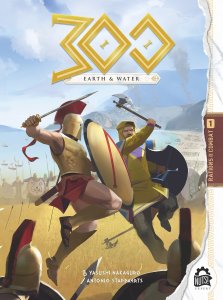
300: Earth & Water
2018
Command armies, shape events, and fight for supremacy in the eastern Mediterranean.
40
minutes
Medium

View game

Rules made simple, fun made easy!
Tug of War is a board game mechanic where opposing players contest a shared track, value, or advantage, shifting a single marker back and forth toward their own goal through their actions.
83 results
At its heart, Tug of War creates a zero-sum struggle over a singular point of contention. Instead of each participant advancing on an independent scoreboard, progress made by one side directly erodes the standing of the other, keeping the central conflict focused and constantly dynamic.
This mechanic creates immediate, visible tension at the table. Every play carries double the weight: you are not just striving toward your own victory condition, you are actively pulling your opponent further away from theirs.
This mechanic is ideal for players who thrive on direct conflict, razor-thin margins, and mind games, making it especially popular in two-player dueling games. Most titles built around this system sit comfortably in the medium-complexity range, offering robust tactical depth through hand management and action selection while remaining accessible enough to teach in minutes.
2018
Command armies, shape events, and fight for supremacy in the eastern Mediterranean.
40
minutes
Medium
View game
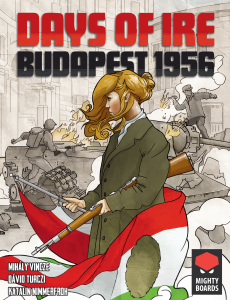
2016
Lead Budapest's revolutionaries—or command the forces determined to crush it.
90
minutes
Medium
View game

2018
Contest for influence in revolutionary Russia
60
minutes
Medium
View game
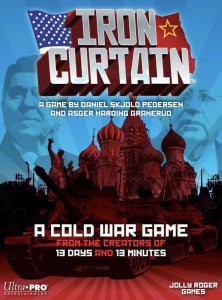
2017
A tense two-player Cold War struggle built from just 18 cards.
30
minutes
Medium
View game
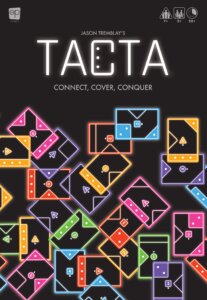
2025
Flip, twist, and turn cards to cover opponents’ shapes in a growing puzzle.
Light

View game

2021
Build your case, sway the jury, and outargue your opponent in court.
75
minutes
Medium
View game

2021
Recreate World War Two through fast, strategic campaign decisions.
45
minutes
Medium Light

View game

2025
A tense two-city duel of foresight, deflection, and sudden victory.
45
minutes
Medium
View game
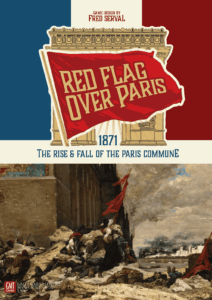
2021
Fight for Paris while balancing military control, political influence, and momentum.
40
minutes
Medium
View game
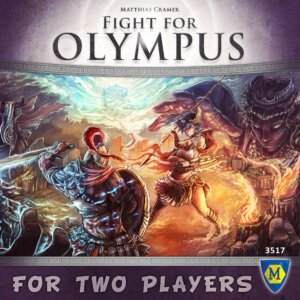
2016
Battle for Olympus through tactical card play and two paths to victory
30
minutes
Medium
View game

1993
A tactical fencing duel of attacks, parries, and ripostes.
30
minutes
Light
View game
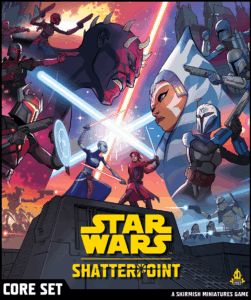
2023
Build an iconic strike team and race to seize evolving mission objectives.
120
minutes
Medium Heavy

View game

2017
A tense tug-of-war between humanity and the Creature dimension
40
minutes
Medium
View game

2024
Face off in a stylish struggle for prestige, celebrities, and fashion history.
45
minutes
Medium
View game

2021
Persuade a nine-panel jury to convict or acquit Mary Surratt.
30
minutes
Medium
View game
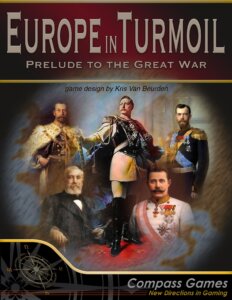
2018
Shape Europe's future as Liberalism and Authoritarianism collide.
240
minutes
Medium
View game

2023
Forge an uneasy alliance against fascism while pursuing your faction’s agenda.
90
minutes
Medium
View game
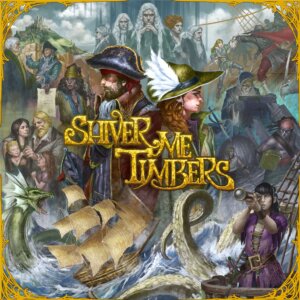
2021
Plot your course, outwit rivals, and become the most notorious pirate.
150
minutes
Medium Heavy
View game

2024
Build tactical synergy, control the match, and score the perfect 11.
30
minutes
Medium
View game

2021
Guide aspiring geisha from apprentice to teahouse owner.
25
minutes
Medium
View game
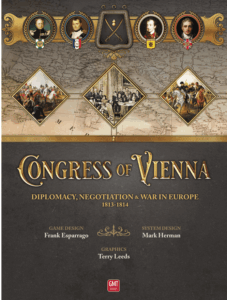
2025
Shape diplomacy and strategy as Europe confronts Napoleon’s fading empire.
360
minutes
Medium Heavy
View game

2015
Race boldly—but aim for second place to win.
25
minutes
Light
View game

2022
Secret alliances, hidden heroes, and a tense race to control the conflict.
30
minutes
Medium Light
View game
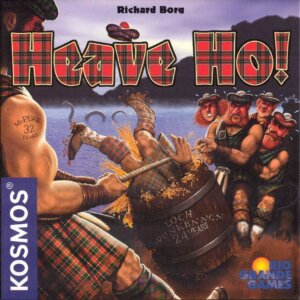
2002
A fast Scottish tug-of-war of real-time deck building and card play.
45
minutes
Light
View game

2020
Claim Senate chambers, gain benefits, and pursue an automatic majority victory.
30
minutes
Medium
View expansion
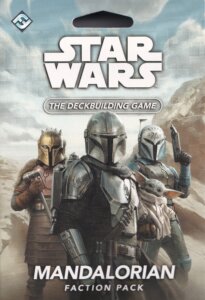
2025
Bring Mandalorian tactics and a three-player free-for-all to the galaxy.
30
minutes
Medium
View expansion
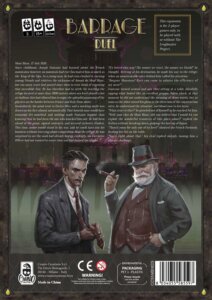
2024
A focused two-player challenge with changing costs and competitive objectives.
120
minutes
Medium Heavy
View expansion
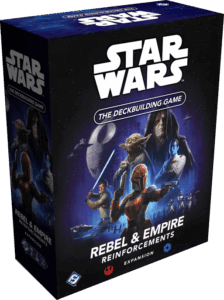
2026
Reinforcements, new bases, and a five-game campaign deepen the galactic conflict.
90
minutes
Medium
View expansion
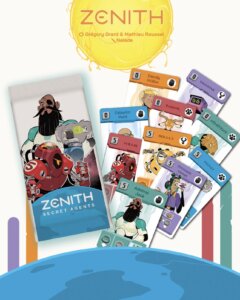
2025
Add fresh Agent cards and sharper tactical choices to every mission.
35
minutes
Medium
View expansion
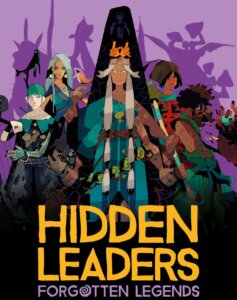
2023
Unleash guardian spirits, wield artifacts, and spread secret corruption.
40
minutes
Medium
View expansion

2020
Two promo cards that reward the losing player in a rematch
60
minutes
Medium
View expansion
The Tug of War mechanic is a design system where opposing sides battle over a single shared track or marker rather than scoring independently. When you take an action to advance your position, you actively pull the marker away from your opponent’s side, turning every gain into a direct loss for your rival. This creates a zero-sum, back-and-forth dynamic where board position can swing dramatically based on relative strength.
In a standard race track, players move separate pawns forward along their own paths toward a finish line without reversing each other’s progress. A tug of war uses a single shared marker or differential scale where one player’s progress physically undoes the other’s standing. Progress is relative rather than absolute, meaning you only advance if you generate more leverage than your opponent in that exchange.
Yes, the mechanic naturally shines brightest in head-to-head duels because a single track represents a binary conflict between two opposing sides. Acclaimed titles like 7 Wonders Duel and Watergate center their tension around direct 2-player struggles where every move directly impacts the rival. However, some games incorporate multi-sided tracks or team structures, such as Churchill, which seats up to 3 players wrestling over diplomatic conference issues.
For players new to the hobby or families with younger children, Set & Match and En Garde offer fast, intuitive play that takes under 30 minutes to finish and is playable by ages 7 or 8. Another excellent entry point is Royal Visit, a medium-light card game for 2 players where you lure royal court members toward your side of the castle. These games feature straightforward card play or flicking actions that make the back-and-forth momentum immediately clear.
While tug of war is inherently focused on head-to-head interaction, several designs feature dedicated solo modes where you compete against an automated opponent. For instance, Blitzkrieg!: World War Two in 20 Minutes includes a solo system where an artificial adversary pushes back across multiple regional battle tracks. Similarly, Labyrinth: The War on Terror, 2001 – ? offers a robust solitaire flow chart simulating ideological and political shifts across the globe.
Experienced hobbyists who want deep card management and high-stakes tension should look to medium-heavy titles like Twilight Struggle and Wir sind das Volk!. Both are 2-player games lasting 2 to 3 hours that represent protracted geopolitical struggles, where regional influence and victory points constantly shift between the players. For a 3-player historical contest, Maria provides intricate maneuvers where balance of power shifts across distinct operational theaters.
A critical strategy is managing your timing rather than trying to pull on every single turn. Overcommitting powerful resources to push a track into enemy territory early often leaves you drained and vulnerable to a massive counterattack. Instead, conserve high-value cards or actions to defend against sudden-death thresholds, striking decisively only when your opponent has exhausted their best responses.
Many tug-of-war titles feature a terminal space at each extreme end of the shared track that triggers an instant win if reached. In games like Jekyll vs. Hyde, one player races to drive the marker to the end of the identity track across three rounds while the other fights to stabilize it. This sudden-death threat forces defending players to drop long-term plans and scramble to counteract imminent losses.
When two players of equal skill hold symmetrical hands or evenly matched resources, the central marker can bounce back and forth indefinitely without either side establishing an advantage. Designers prevent this by including hard round limits, degrading hands, or multiple parallel tracks. For example, in Star Wars: The Deckbuilding Game, the struggle over the Force track serves as a tactical tug-of-war providing perks, but players ultimately win by destroying enemy bases.
Play times vary widely based on complexity, ranging from brisk 15-minute card games to epic multi-hour historical duels. Lighter games like Why First? and Caper: Europe resolve in 20 to 35 minutes due to fixed card limits. On the other end of the spectrum, medium-heavy historical simulations like Twilight Struggle and Churchill can span between 2 and 5 hours of tense, measured negotiation and tactical plays.
