Dungeons of Doria
2023
Cooperative dungeon-crawling adventure with tactical initiative and customizable heroes.
240
minutes
Medium Heavy

View game
Rules made simple, fun made easy!
Turn Order: Time Track is a mechanic where turn order is determined by player positions along a linear track, with the active turn always belonging to whoever is farthest behind. Taking stronger or farther-reaching actions advances a player's marker further forward, spending time as a currency.
97 results
Instead of passing turns clockwise around the table, games using a time track govern turn order through positioning. A single path represents time or progress, and whoever is currently in the rear gets to act next. Because each available action costs a specific amount of movement along the track, players constantly weigh whether a powerful, expensive move is worth letting opponents take multiple turns in a row.
This structure turns pacing itself into a tangible resource. If you only nudge forward by a single space and remain behind everyone else, you immediately take another turn. The dynamic creates a push-and-pull tension between snatching up immediate opportunities or taking cheap, incremental steps to maximize total action count.
Turn order is determined through a bidding process.
84 gamesPlayers choose actions, which may impact the next turn order.
158 gamesTurn order changes dynamically based on in-game performance.
225 gamesTurn order is determined by a player’s statistics or attributes.
158 gamesThis mechanism mainly appeals to tactically minded groups who enjoy action-efficiency puzzles and dynamic initiative over rigid table rounds. Most titles featuring this system fall into the medium-weight range, spanning from accessible family-plus options to meaty economic challenges, making them easy to grasp mechanically while offering deep strategic agency.
2023
Cooperative dungeon-crawling adventure with tactical initiative and customizable heroes.
240
minutes
Medium Heavy
View game

2015
Build skills, manage time, and earn prestige as Samara’s best foreman.
50
minutes
Medium

View game

2024
Design a cheerful home, complete room sets, and outscore your rivals.
45
minutes
Medium Light

View game

2021
Build Cornwall’s mining empire, time the market, and invest for victory.
90
minutes
Medium Heavy
View game
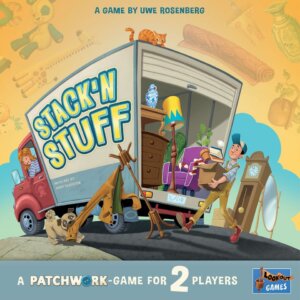
2022
Pack smart, manage time, and fit your way to moving mastery.
30
minutes
Medium Light
View game
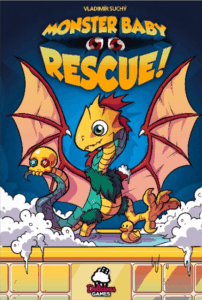
2019
Care for a lost baby monster through tiles, time, grooming, and points.
40
minutes
Medium Light
View game

2023
Grow fruit, expand irrigation, and deliver your harvest to hillside villages.
60
minutes
Medium
View game

2023
Command modern forces through intense urban and rural tactical scenarios.
180
minutes
Medium
View game
2022
A deluxe 2022 edition with painted ships, miniatures, and an oversized board
45
minutes
Medium
View game
2016
Lead a Free Company through a dark, creature-filled Renaissance.
45
minutes
Medium Heavy
View game

2026
Build a beautiful panorama, balance tile choices, and score animals and flowers.
20
minutes
Light

View game

2015
Race across the clouds, gather stars, and reach the Little Prince.
30
minutes
Light
View game

2009
Command an empire, navigate politics, and conquer planets across a ruthless future.
120
minutes
Medium Heavy
View game

2017
Build your life, shape your story, and pursue the highest-scoring retirement.
60
minutes
Medium
View game

2022
Trade across space, buy political power, and lead your councilors to victory.
90
minutes
Medium Heavy
View game

2023
Plan your park day, brave the crowds, and chase the perfect photo.
60
minutes
Medium
View game

2016
Travel the world, gather knowledge, and build the most celebrated legends.
60
minutes
Medium
View game
2016
Hold the line through four escalating waves in a tense solitaire mech defense.
40
minutes
Medium
View game
2022
Expand your voyage with a whirlpool, new creatures, and maritime stories.
45
minutes
Medium
View expansion
2022
Command the Old Ones or fight to establish humanity in a hostile new world.
150
minutes
Medium
View expansion

2013
A playful bonus character card with a memorable origin story
45
minutes
Medium Light
View expansion

2021
Add an outdoor tank, unique animal abilities, and Jellyfish jokers.
Medium
View expansion
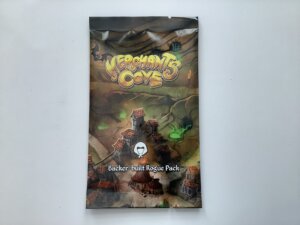
2021
Five untested Rogue cards add unpredictable effects to every Boat.
90
minutes
Medium Heavy
View expansion

2021
Add four unique sea animals with special scoring roles
Medium
View expansion

2021
Add four advanced sea animals with distinctive scoring opportunities.
Medium
View expansion
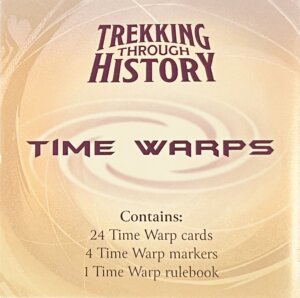
2022
Bend time with one-use powers that reshape every round
60
minutes
Medium Light
View expansion
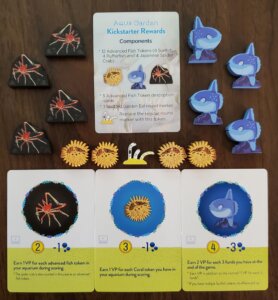
2021
Add three scoring animals and a unique Spotted Garden Eel meeple.
Medium
View expansion

2023
Add new aquarium variety and advanced fish tokens to Aqua Garden.
Medium
View expansion

2023
A sandy beach-themed expansion with four advanced fish tokens
60
minutes
Medium
View expansion

2023
A mimicry-themed expansion featuring four advanced fish tokens
Medium
View expansion
A time track determines turn order based on marker positions along a linear path, where the player furthest behind always takes the active turn. When you choose an action, you pay for it by advancing your token forward a corresponding number of spaces. Rather than relying on a static clockwise cycle, time itself acts as an expendable currency that dictates who moves next.
Yes, taking back-to-back turns is one of the defining tactical features of a time track system. If you take a low-cost action and your marker remains behind every opponent, you immediately act again. Efficient players often string together several minor actions in sequence before anyone else at the table gets a turn.
Clockwise turn order gives each player a strictly alternating turn regardless of action strength, whereas a time track ties initiative directly to action efficiency. Taking powerful moves propels your marker far down the path, allowing trailing competitors to act multiple times while you wait. Turn order remains completely fluid throughout the game rather than fixed by table seating.
Tokaido and Trekking Through History are two of the best introductory games for learning this mechanism. Both frame the time track as an accessible journey where players weigh snatching high-value stops against strolling slowly to maximize their total actions. With clear rules and playing times under an hour, they welcome casual groups and players aged 8 to 10 and up.
Yes, The Little Prince: Rising to the Stars is built specifically for younger audiences, supporting kids as young as age 6. Plays run in a brisk 15 to 30 minutes for 2 to 6 players, making the spatial turn-order puzzle intuitive and engaging for early learners. Trailing players simply advance their airplanes toward the front while gathering stars and telescope tiles along the route.
The time track works brilliantly at two players because pacing turns into a direct, cutthroat tug-of-war over tempo. Patchwork is designed exclusively for 2 players, using a central spool where buying polyomino tiles advances your thimble by a designated time cost. Similarly, Nova Luna plays best at 2, rewarding players who carefully draft low-cost tiles to retain the initiative.
Several games with this mechanism include dedicated solo modes that recreate the tension of the time track against an automated opponent. Titles like Jokkmokk: The Winter Market and Trekking Through History use autonomous rivals that advance along the path, claiming spaces and keeping your decisions on a strict clock. This preserves the core challenge of balancing cheap actions against sweeping moves even when playing alone.
The most frequent error is leaping too far ahead for a single tempting reward and conceding a long string of turns to opponents. Rushing forward leaves trailing players free to sweep up all the intervening resources and actions at little to no competitive resistance. Skilled players generally prefer small, incremental advances, saving large time leaps exclusively for game-winning opportunities.
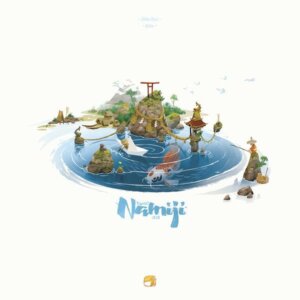
Most designs handle ties by stacking player markers vertically, giving active priority to the piece placed on top. In games like The Search for Planet X and Namiji, the newcomer stacks atop existing markers and breaks ties by acting first. This rule encourages tactical timing, letting you land on an occupied space to catch up without relinquishing the next turn.
Yes, experienced gamers seeking deeper strategy can turn to heavier titles like Glen More II: Chronicles and Karvi. In Glen More II: Chronicles, marker movement along a circular path drives tile drafting and territory activation across 90 to 120 minutes. Meanwhile, Karvi blends ship management with an intricate action-track economy that demands deep long-term calculation over two to three hours.
Uneven downtime is the main disadvantage of a time track, as surging ahead forces you to sit out while opponents take consecutive turns. Because a player who stays in last place continues acting until they pass someone, leading players can experience prolonged periods without any input. Groups sensitive to downtime should lean toward smaller, low-cost actions to keep turn transitions frequent and lively.