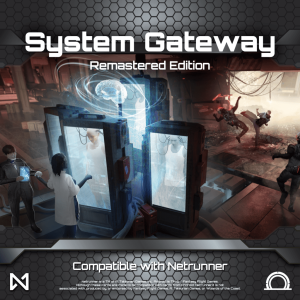
System Gateway (fan expansion for Android: Netrunner)
2021
A focused starting point for learning and growing your Netrunner collection.
45
minutes
Medium Heavy

View game

Rules made simple, fun made easy!
A Fan Expansion refers to unofficial, community-created content designed to add new material, rules, or variants to an existing tabletop game. Produced by passionate players rather than original publishers, these expansions breathe fresh life into well-loved systems.
29 results
A Fan Expansion represents community-driven design at its finest. Dedicated players identify unexplored possibilities, narrative gaps, or balance opportunities within an existing ruleset and develop custom content to share with the wider hobby. These projects often emerge around deep card-driven or science fiction games that already have passionate followings.
At the table, fan expansions inject surprise and variety without forcing your group to learn an entirely new game. Whether introducing experimental factions, novel card synergies, or alternative win conditions, this content lets experienced players engage with familiar mechanics through an entirely new lens.
Fan expansions are tailor-made for dedicated hobbyists who have thoroughly explored a base game and want to take it further. Because the underlying titles typically lean toward medium-heavy complexity, this content best suits experienced groups comfortable with intricate rules and self-guided component assembly.
2016
Expand Sentinels of the Multiverse with new heroes, villains, and environments.
60
minutes
Medium Heavy
View expansion
2023
A 65-card Netrunner expansion where personhood becomes the battleground.
30
minutes
Heavy

View expansion

2021
A sci-fi-horror campaign of cosmic mystery across the solar system
120
minutes
Medium Heavy
View expansion
2016
An experimental fan expansion adding heroes, villains, and a new environment.
60
minutes
Medium Heavy
View expansion

2021
Explore Tortuga, chase rumors, and face new Caribbean challenges.
150
minutes
Medium Heavy
View expansion
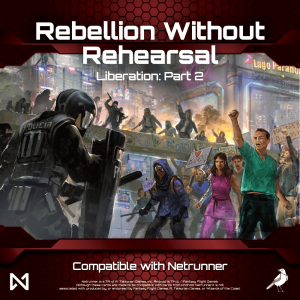
2024
A tense conclusion to the Liberation Cycle, with 65 new Netrunner cards
30
minutes
Heavy
View expansion
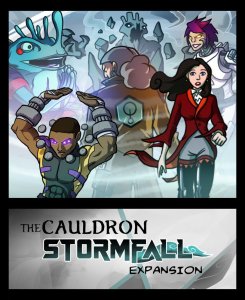
2016
New heroes, villains, and an environment for Sentinels of the Multiverse.
60
minutes
View expansion

2013
Add 108 morally questionable cards to your Cards Against Humanity sessions.
30
minutes
Medium Light

View expansion

2013
Build Seattle’s monorail routes and chase a reward in the Steam Era’s aftermath.
60
minutes
Medium

View expansion

2021
Take command of NATO in 10 escalating solo air-combat scenarios.
240
minutes
Medium Heavy
View expansion

2024
Pursue three shared goals in a strategic Fields of Arle fan expansion.
150
minutes
Medium
View expansion
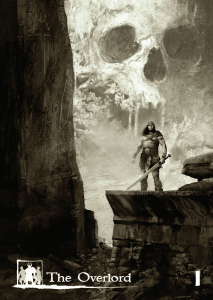
2017
Eighteen fan-designed Conan scenarios, including a three-part mini-campaign.
Medium
View expansion
A fan expansion is unofficial, community-made content that introduces new rules, cards, factions, or scenarios to an existing tabletop game. Because they are designed by passionate players rather than commercial publishers, these add-ons explore creative ideas without retail constraints. They give experienced groups a way to refresh a well-loved title without having to purchase a whole new game.
The primary difference lies in production, distribution, and official authorization. While publisher releases feature factory-manufactured components and structured commercial testing, fan expansions are typically distributed as free digital print-and-play files. This grassroots approach allows for bold, experimental mechanics, though visual consistency and balance refinement can vary.
Yes, many fan expansions are engineered specifically to heighten the tactical depth and balance of two-player duels. For instance, System Gateway (fan expansion for Android: Netrunner) is designed strictly for 2 players and plays in about 45 minutes. These head-to-head add-ons frequently refine card synergies, bluffing, and hand management for an intensely focused duel.
Generally, fan expansions are not ideal for beginners or casual family sessions. Most community expansions are designed by and for veterans who already understand a game’s core nuances and crave additional rules complexity. Starting with the standard base game is always best so players can master the fundamentals before introducing unvetted community content.
Players typically download digital print-and-play files, print them onto cardstock, and trim them to size. To conceal differences in paper weight or card backs, hobbyists usually slide the printed sheets into opaque card sleeves backed by regular playing cards. Some communities also provide digital workshop mods, allowing groups to test the material virtually before crafting physical copies.
Game balance in fan expansions can be uneven because community creators rarely have access to large-scale, professional playtesting teams. However, dedicated communities often issue iterative patches, rule revisions, and errata based on extensive forum feedback over time. Groups should approach fan content with a flexible mindset, focusing on thematic novelty and fresh interactions over tournament-level balance.
Most fan expansions lean toward medium-heavy complexity because they cater to hobbyists looking for deeper strategic layers in games they have already mastered. A clear example is System Gateway (fan expansion for Android: Netrunner), a medium-heavy release built around intricate, asymmetrical card play. Groups should expect a steeper learning curve than standard entry-level products offer.
The biggest pitfall is introducing too much untested content at once, which can create rules bloat and drag out game time. Component mismatches, such as un-sleeved cards that give away hidden roles or deck draws, can also unintentionally spoil gameplay mechanics. It is usually best to incorporate one fan-made faction, scenario, or module at a time to keep sessions smooth.
Yes, introducing solo play is one of the most common reasons hobbyists design fan expansions. Creative players frequently develop automated bot decks, artificial intelligence flowcharts, or cooperative scenarios for competitive games that originally lacked single-player support. These solo modules allow enthusiasts to practice strategies and enjoy their favorite game systems even when they cannot gather a group.
Fan expansions allow dedicated players to extend the lifespan of a ruleset they already love without having to learn an entirely new system from scratch. They revitalize familiar game loops, open up alternative win conditions, and provide immense replay value at virtually no cost. For many experienced groups, exploring creative fan projects is more satisfying than adding another unplayed box to their shelf.
