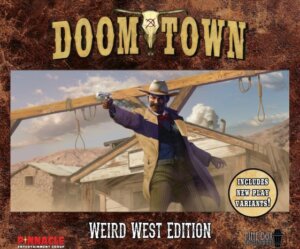
Doomtown: Weird West Edition
2023
Build poker hands, command a faction, and seize control of Deadwood.
60
minutes
Medium Heavy

View game

Rules made simple, fun made easy!
The horror board game theme immerses players in spooky, suspenseful, or macabre settings where survival, sanity, and overcoming dreadful forces are the main objectives. These games emphasize tension, high stakes, and eerie atmospheric storytelling.
1,418 results
Horror tabletop games transport groups into grim, perilous worlds filled with haunted estates, ancient cosmic entities, zombies, and shadowy monsters. Rather than presenting players with comfortable power fantasies, this theme often flips the script by putting characters at a distinct disadvantage, forcing them to conserve scarce resources and confront terrifying odds.
At the table, the horror theme transforms quiet contemplation into shared suspense. Whether surviving against an automated threat or outwitting a lurking player-controlled antagonist, the narrative weight and looming danger foster memorable, edge-of-your-seat moments where every failed check or bad roll feels momentous.
This theme is an ideal match for game groups that relish high stakes, collaborative problem-solving, and moody storytelling. Complexity ranges broadly across the category, but the vast majority of titles sit comfortably in the medium to medium-heavy space, offering meaty tactical decisions without overwhelming newcomers with heavy simulation rules.
2023
Build poker hands, command a faction, and seize control of Deadwood.
60
minutes
Medium Heavy
View game
2018
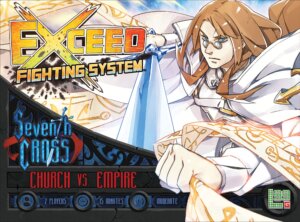
Four unique fighters clash in a fast, tactical battle for arena supremacy.
30
minutes
Medium Heavy
View game

2013
Cooperate, lead, and survive as Walkers threaten four vital locations.
60
minutes
Medium

View game
2023
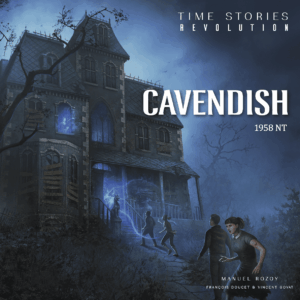
Enter a New England manor in 1958 and search for missing Damien.
180
minutes
Medium Heavy
View game
2019
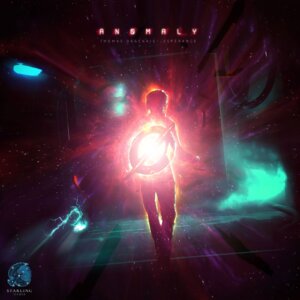
Track the hidden creature, outwit its evolution, and survive the hunt.
60
minutes
Medium
View game
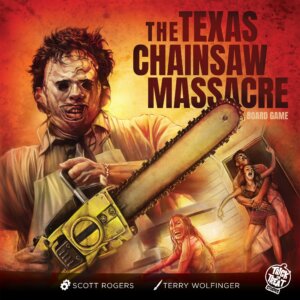
2023
Search for gas and keys while Leatherface closes in.
60
minutes
Medium Light

View game
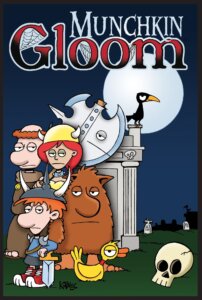
2015
Lead your party through misery, misfortune, and an inevitably painful end.
60
minutes
Medium Light
View game
2011
Solve strange death riddles using questions with only yes-or-no answers.
20
minutes
Light

View game
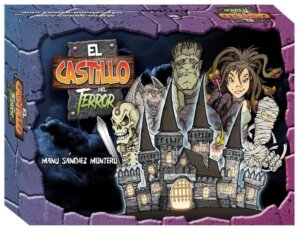
2017
Collect enchanted objects, trap monsters, and claim the highest score.
30
minutes
Light
View game
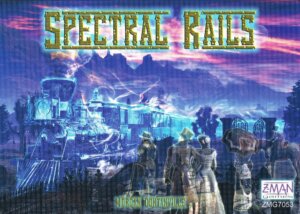
2011
Guide lost souls homeward while building—and disrupting—ethereal railways.
60
minutes
Medium
View game
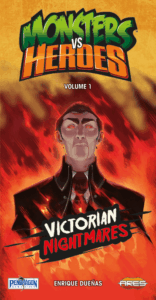
2015
Secret factions, deadly characters, and Victorian intrigue in a fast card game.
30
minutes
Light
View game
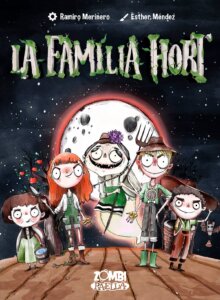
2020
Manage crops, animals, water, and fertilizer to become the most experienced farmer.
40
minutes
Light
View game
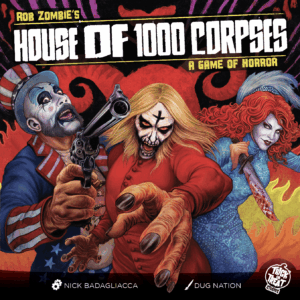
2025
Cooperate as the Firefly family to find victims and deliver them to Dr. Satan.
60
minutes
Medium
View game
2021
Outbid a rival ghost family and claim the finest haunted estates.
15
minutes
Medium Light
View game
2023
Deceive, strategize, and survive in a deadly race to resurrect the White Rose.
25
minutes
Medium Light
View game
2026
Unmask the Ghost before deception, darkness, and deadly agendas take over.
60
minutes
Medium Light
View game
2000
A Lovecraftian miniatures battle of misfit families, dice, and mass carnage.
180
minutes
Medium
View game
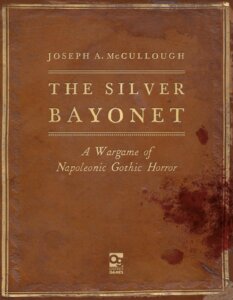
2021
Napoleonic soldiers battle vampires, werewolves, and darker horrors.
Medium
View game
2022
Enter the Realms of Death in an asymmetrical fight for survival.
240
minutes
Medium Heavy
View game
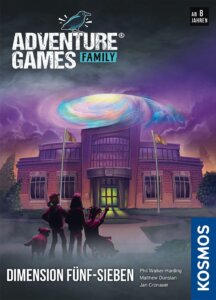
2024
Solve strange puzzles as school chaos opens a door to another dimension.
120
minutes
Light
View game
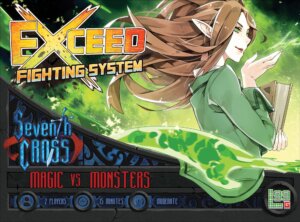
2018
Four complete fighters clash in a fast, tactical battle of magic and monsters.
30
minutes
Medium Heavy
View game
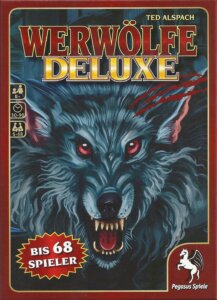
2013
A 172-card collection with four included Werwölfe titles.
90
minutes
Medium Light
View game
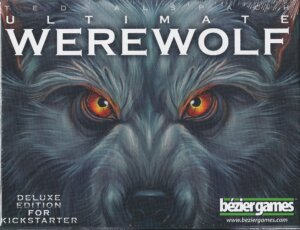
2014
A tense social deduction game of hidden identities, discussion, and elimination.
90
minutes
Light
View game
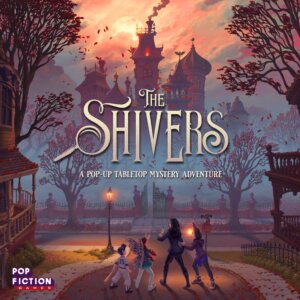
2022
Explore a magical mansion through spooky puzzles and handcrafted pop-up rooms.
90
minutes
Medium Light
View game
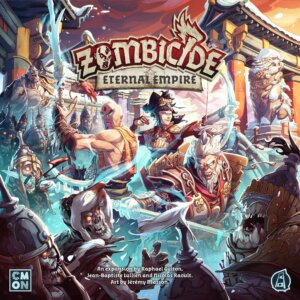
2025
Lead Survivors through a 10-Quest story of choices, growth, and consequences.
180
minutes
Medium
View expansion
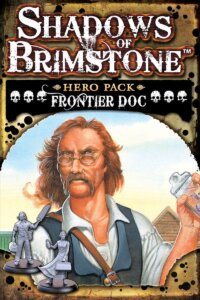
2021
Keep the posse healthy with field surgery, bandages, and battle-ready skill.
60
minutes
View expansion
2025
A solo Final Girl expansion packed with secret envelopes, cards, promos, and character packs.
60
minutes
Medium Heavy
View expansion
2016
Add three powerful Great Old Ones with distinct abilities and spellbooks.
120
minutes
Medium Heavy
View expansion
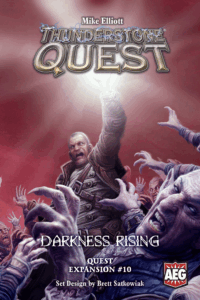
2021
Draw power from the darkness—but beware its costly consequences.
90
minutes
Medium
View expansion
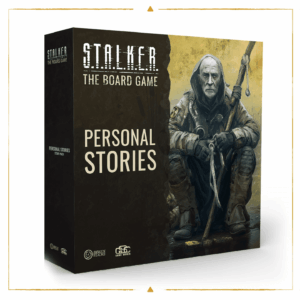
2024
Uncover haunted pasts and personal desires through diverse Stalker stories.
180
minutes
Medium
View expansion
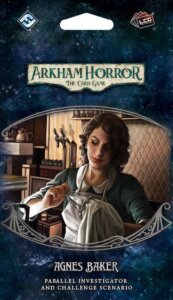
2020
A haunting print-and-play challenge scenario designed for Agnes Baker.
120
minutes
Heavy

View expansion
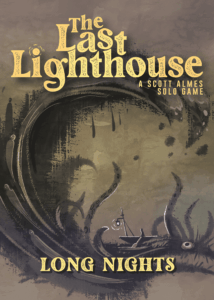
2024
Face harsher darkness with five new Nightmare/Trap cards.
15
minutes
Medium Light
View expansion
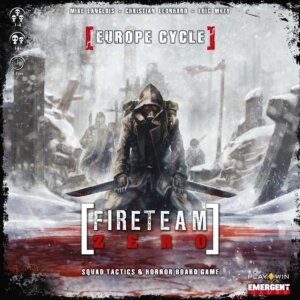
2014
Take on the Bloodless in a dangerous new chapter set in the Old Country.
90
minutes
View expansion
2021
Expand your campaign with 15 new Vignettes, Foes, Threats, and Boss Foes.
40
minutes
Medium Heavy
View expansion
2016
Enter Jargono’s swamps as a fierce warrior built for close-quarters combat.
60
minutes
View expansion
2020
Add new demons, lords, heroes, maps, and crossover-compatible miniatures.
90
minutes
View expansion
A horror board game focuses on survival, dread, and atmospheric tension rather than an empowering combat fantasy. Players often control vulnerable characters facing overwhelming supernatural or monstrous odds with scarce resources. The goal typically involves solving mysteries, escaping alive, or sealing ancient evils before panic or madness sets in.
Yes, many entry-level horror games feature simple rules and quick playtime without overwhelming tactical overhead. For light social deduction and monster bluffing, One Night Ultimate Werewolf plays in just 10 minutes for 3 to 10 players. Groups wanting light tactical fun can try Fearsome Floors, where players race through a dungeon while evading a moving monster, or Gloom for humorous, gothic misfortune.
Yes, horror is one of the most popular themes for solo board gaming because automated encounter decks and scenario systems naturally drive the tension. Narrative card games like Arkham Horror: The Card Game support true solo play against cosmic mysteries. Larger cooperative games like Eldritch Horror also allow a single player to direct multiple investigators across the globe without losing any thematic atmosphere.
Several horror games excel specifically at a two-player count, offering tight head-to-head duels or focused cooperative play. The tactical skirmish system in Unmatched: Cobble & Fog is best with 2 players, pitting iconic figures like Dracula and the Invisible Man against each other in 20 to 40 minutes. For cooperative story play, Arkham Horror: The Card Game is widely considered best with 2 investigators working in tandem.
Yes, hidden role and social deduction games thrive with big groups by turning suspicion and fear onto the players themselves. Titles such as The Werewolves of Miller’s Hollow accommodate up to 18 players and shine at large tables where villagers try to uncover hidden beasts. For casual dice rolling, Zombie Dice offers quick press-your-luck turns that easily entertain any group size.
Game length varies widely depending on complexity, ranging from 10 minutes to over 3 hours. Fast party games like One Night Ultimate Werewolf: Daybreak wrap up in roughly 10 minutes. In contrast, epic medium-heavy adventures like Arkham Horror and Eldritch Horror require 120 to 240 minutes to resolve their expansive storylines.
While fantasy and adventure games typically empower heroes to grow stronger and conquer dungeons, horror themes intentionally reverse this balance. Characters in horror games are generally fragile, under-equipped, and constantly managing negative conditions like wounds, panic, or insanity. Defeat is often imminent, making survival or damage mitigation a victory in itself rather than total conquest.
Experienced hobbyists who enjoy deep rules and tense decision-making should explore medium-heavy and heavy survival titles. Games like Nemesis deliver intense sci-fi survival horror with asymmetric objectives and alien encounters over 90 to 180 minutes. For groups looking for brutal campaign challenges and extensive tactical depth, Kingdom Death: Monster offers a heavy settlement-building and monster-hunting experience designed for mature players.
Yes, several titles feature mild, cartoonish, or suspenseful monster themes that are welcoming to younger players without being genuinely frightening. Dexterity games like Terror in Meeple City carry an age rating of 8 and up, letting families smash 3D buildings as giant movie monsters. The light strategy chase in Fearsome Floors is rated for ages 10 and up and relies on puzzle-like movement rather than gory depictions.
A frequent pitfall is focusing purely on combat while ignoring scenario timers and mission objectives. Horror games are designed with escalating threat decks that eventually overwhelm the table if characters stall to fight every minion. Successful groups prioritize key mission goals and share defensive tools early, accepting minor setbacks to prevent catastrophic board states.
Traitor mechanics introduce paranoia by giving one or more players secret goals that conflict with the team’s survival. In Dead of Winter: A Crossroads Game, players must brave a zombie crisis while watching each other for selfish behavior or outright sabotage. This dynamic mirrors classic cinematic horror tropes, where internal distrust is often as dangerous as the monsters outside.
