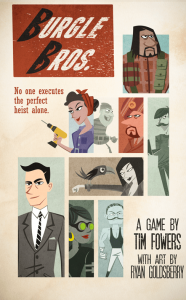
Burgle Bros.
2015
Coordinate a daring heist across three guarded floors.
90
minutes
Medium

View game

Rules made simple, fun made easy!
The Maze theme centers on navigating, manipulating, or escaping complex labyrinthine networks of paths and obstacles. Games in this category challenge players to find optimal routes, avoid dead ends, and adapt as corridors shift or reveal hidden routes.
146 results
At its core, a maze game turns spatial navigation into the primary strategic challenge. Whether exploring a mythological labyrinth or a futuristic network of tunnels, players must parse intricate layouts to reach objectives, gather items, or escape before opponents or hazards catch up to them.
At the table, this theme transforms the board into an active puzzle rather than a static backdrop. Because paths can be blocked, altered, or concealed, players must think several steps ahead and constantly re-evaluate their movement options as the environment evolves.
Maze games appeal strongly to puzzle lovers, families, and players who thrive on visual and spatial thinking. Most titles in this category lean toward light to medium complexity, making them approachable for casual groups and younger players while still offering enough tactical pathfinding to satisfy experienced hobbyists, though they rarely venture into heavy economic or engine-building territory.
2015
Coordinate a daring heist across three guarded floors.
90
minutes
Medium
View game
1994
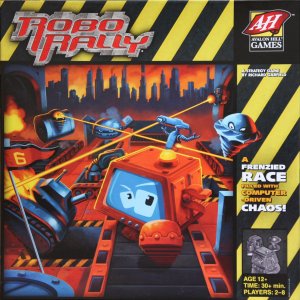
Program your robot, outmaneuver rivals, and survive a chaotic factory race.
120
minutes
Medium
View game
2017
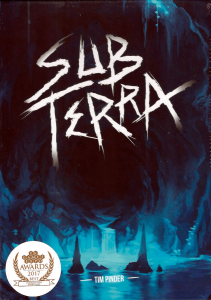
Cooperate, explore, and escape the cave before darkness catches you.
60
minutes
Medium
View game
2017
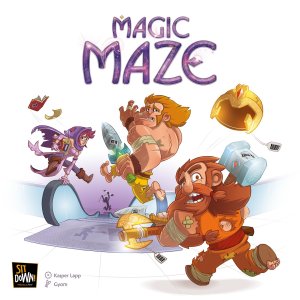
Silently coordinate four heroes in a frantic mall heist before time runs out.
15
minutes
Medium Light

View game
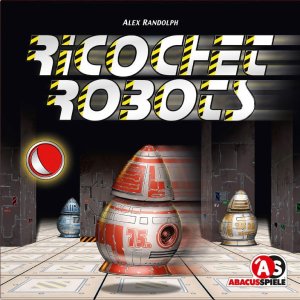
1999
Plan precise robot routes and reach the target in as few moves as possible.
30
minutes
Medium
View game
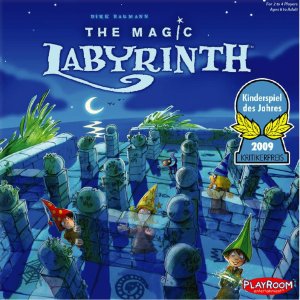
2009
Navigate invisible walls, remember the maze, and recover the lost magic objects.
30
minutes
Light

View game

2004
Outmaneuver rivals in a shifting dungeon of rooms, powers, and peril.
60
minutes
Medium
View game
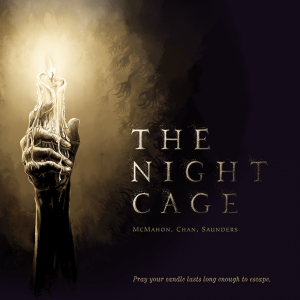
2021
Explore a fading labyrinth, gather keys, and escape the darkness together.
60
minutes
Medium
View game
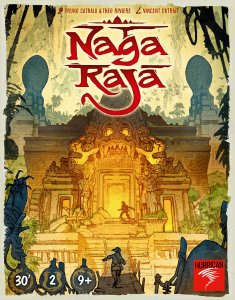
2019
Race through shifting temples, uncover relics, and outwit your rival.
30
minutes
Medium
View game
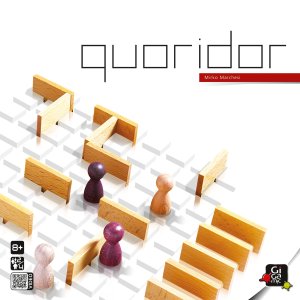
1997
Race to the far edge while walls reshape the route to victory.
15
minutes
Medium Light
View game
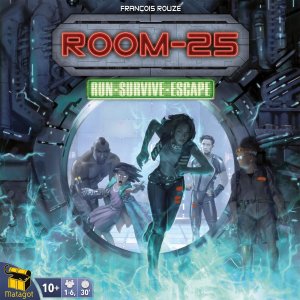
2013
Find Room 25, negotiate every move, and uncover the traitor.
30
minutes
Medium Light
View game

2016
Program your robot, dodge factory hazards, and race through a chaotic course.
120
minutes
Medium
View game

2021
Coordinate bold casino heists under daylight security
70
minutes
Medium
View game
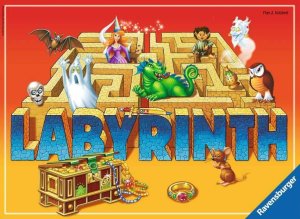
1986
Shift the maze, gather your treasures, and race home before your rivals.
20
minutes
Light
View game
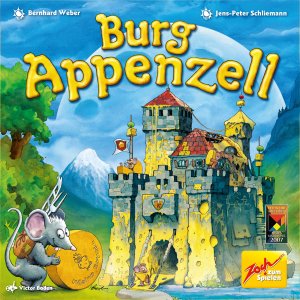
2007
Guide your mice through a shifting castle maze to collect four different cheeses.
30
minutes
Medium Light
View game
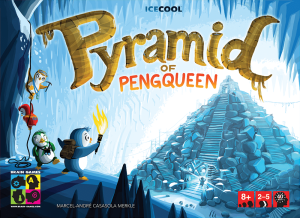
2008
A magnetic hide-and-seek adventure between a mummy and daring tomb raiders.
45
minutes
Light
View game
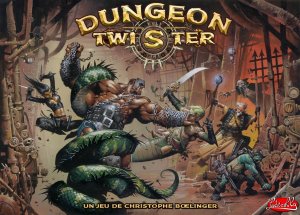
2009
Outwit rivals, rotate the dungeon, and fight your way to freedom.
60
minutes
Medium Heavy

View game
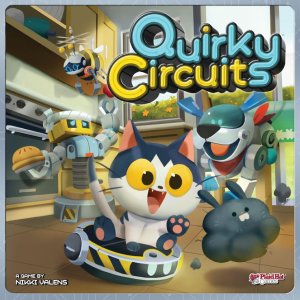
2019
Program adorable robots together before their batteries run out.
30
minutes
Medium Light
View game
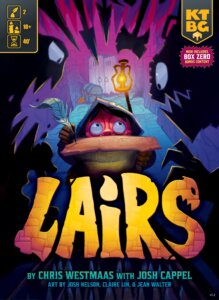
2026
Build a devious dungeon, outwit your rival, and hunt for treasure.
60
minutes
Medium
View game

2016
Plan every move, uncover the traitor, and find the way out.
60
minutes
Medium
View game
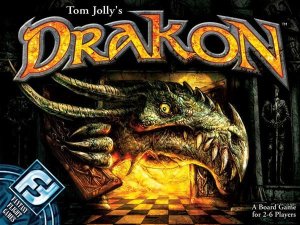
2006
Race through a shifting dragon’s maze, steal gold, and escape before becoming lunch.
60
minutes
Medium Light
View game

2023
Program robots, grab upgrades, and race through a chaotic factory.
90
minutes
Medium
View game

1991
Slide the maze, gather ingredients in order, and complete your secret recipe.
30
minutes
Medium Light
View game

2012
Build a cave, manage supplies, and claim glory beneath the earth.
60
minutes
Medium
View game
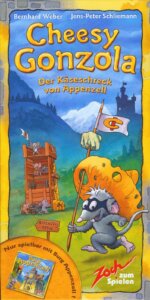
2008
Add a sombrero-wearing mouse, a new tower, and room for a fifth player.
30
minutes
Medium Light
View expansion
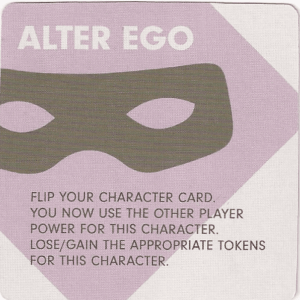
2017
Switch powers mid-game with this official bonus event card.
90
minutes
Medium
View expansion
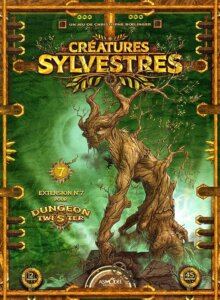
2007
Bring woodland magic and new threats into the Dungeon Twister maze.
45
minutes
Medium Heavy
View expansion
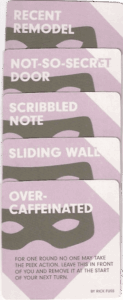
2016
Five community-designed events for fresh Burgle Bros. scenarios
90
minutes
Medium
View expansion
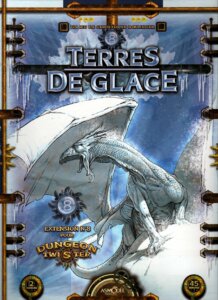
2007
Bring the Ice Age to the maze with eight new characters and six objects.
45
minutes
Medium Heavy
View expansion
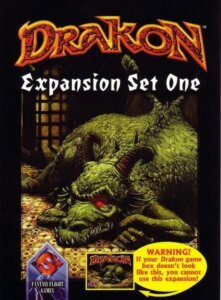
2002
Add 48 tiles and the Drakon pawn for fresh dungeon challenges.
30
minutes
Medium
View expansion
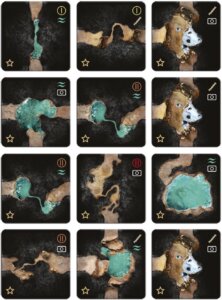
2012
Add 12 special cave tiles to your next subterranean adventure.
60
minutes
Medium
View expansion
2023
Face faster horrors and explore new depths with the Scavenger.
60
minutes
View expansion
2018
Spot the traitor, pursue secret goals, and escape before the clock runs out.
15
minutes
Medium Light
View expansion
2006
Expand Dungeon Twister for 3–4 players with new teams, rooms, and scenarios.
Medium Heavy
View expansion
2023
Face explosive, ranged, and eternal guardians in a perilous temple quest.
60
minutes
Medium
View expansion

2011
Add clever powers and one-way walls to the magnetic maze challenge
20
minutes
Light
View expansion
A maze board game centers on navigating, altering, or escaping an intricate network of corridors and barriers. Rather than serving as passive scenery, the board itself functions as an active spatial puzzle where players must chart paths, bypass obstacles, and reach targets. Many titles also feature shifting walls or hidden routes that continuously alter the layout as you play.
While both feature enclosed passages, maze games emphasize spatial navigation and path manipulation over character progression and combat. In a maze game, the core challenge is calculating routes around physical barriers, dead ends, or shifting tiles. Dungeon crawlers, by contrast, focus predominantly on defeating monsters, rolling dice for skill tests, and leveling up character stats.
For younger kids, Robot Turtles introduces path navigation and directional planning for players as young as age 4. Families with school-age kids will enjoy The Magic Labyrinth, which adds an engaging invisible-wall memory puzzle for ages 6 and up. Another classic family option is Labyrinth, an accessible title for ages 8 and up where players slide rows of tiles to connect pathways.
Yes, many maze games offer dedicated solo modes or cooperative systems that work smoothly for a single player. In titles like Burgle Bros. and Sub Terra, a solo player manages pathfinding and hazard mitigation against an automated game timer or wandering patrols. Even fast-paced real-time titles such as Magic Maze provide specialized solo campaigns to test your spatial coordination.
Several top maze games shine specifically at two players, offering sharp head-to-head tactical duels. The abstract game Quoridor plays best at two, tasking players with crossing the board while dropping wooden walls to detour their opponent. For a card-driven strategic challenge, Dungeon Twister pits two players against each other in a shifting labyrinth filled with traps and rotating rooms.
Cooperative maze games require players to communicate and pool actions to escape labyrinthine hazards before time or resources run out. For instance, Sub Terra challenges a team of cavers to explore uncharted tunnels and dodge cave-ins together. In Magic Maze, players must coordinate in real time without speaking, each controlling a single directional movement for all pawns on the board.
Shifting maze games keep puzzles unpredictable by letting players physically modify the board layout during their turns. In games like Master Labyrinth and Chabyrinthe, sliding a tile or rotating a path segment opens fresh routes while unexpectedly cutting off paths for rivals. This dynamic movement ensures that the optimal trajectory is constantly evolving rather than statically mapped from the start.
Experienced players looking for heavier strategic puzzles can turn to medium-heavy titles with multi-layered rules and changing floorplans. Weirdwood Manor delivers a complex 90- to 120-minute cooperative experience featuring a shifting mansion and tactical spatial defense. Similarly, Dungeon Twister 2: Prison offers intense head-to-head strategy driven by secret combat cards and intricate corridor rotation.
Playtime varies widely depending on complexity, ranging from brisk 15-minute puzzles to intense two-hour tactical games. Light and medium-light games like Quoridor and Magic Maze wrap up in roughly 15 minutes. In contrast, medium-weight exploration games such as Sub Terra last around an hour, while heavier labyrinth titles can run up to 120 minutes.
The most reliable strategy is planning at least one move ahead while keeping alternative routes open in case your preferred corridor is blocked. Pay close attention to how opponents can manipulate paths, positioning yourself where a sudden shift will not completely halt your progress. In games featuring hidden routes, actively memorizing dead ends and previously revealed paths prevents wasted movement.
A major pitfall is suffering from analysis paralysis by attempting to calculate every potential path permutation across a complex board. Overcommitting to a single narrow corridor is another frequent mistake, as an opponent’s tile slide or a sudden hazard can strand you in a dead end. Instead, aim to preserve flexible positioning and avoid tunnel vision on a single route.
