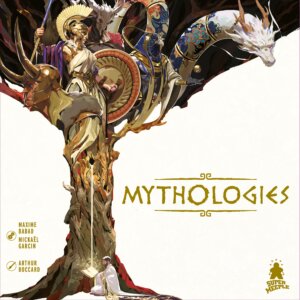
Mythologies
2026
Draft gods, build your pantheon, and race to divine supremacy
40
minutes
Medium

View game

Rules made simple, fun made easy!
The Religious board game theme centers on faith, sacred traditions, holy orders, and theological conflict, framing gameplay around the spiritual and political power of belief systems.
139 results
Games in this genre explore belief from both divine and earthly angles. Players might guide ancient pantheons, spread monastic movements, navigate historical reformations, or manage the delicate balance between church authority and statecraft. Rather than merely serving as background dressing, spiritual doctrines and sacred texts directly shape the options available on your turn.
At the table, this theme stands out because it turns abstract concepts like devotion, dogma, and zeal into concrete game systems. Whether you are competing to convert populations across a map or managing resources to build grand cathedrals, the setting naturally fosters high-stakes interaction and ideological rivalry.
This theme is best suited for hobbyists who enjoy historically grounded strategy, faction rivalries, and robust thematic justification for their moves. In terms of weight, these titles lean predominantly into medium and medium-heavy complexity, appealing to experienced players who want substantial decision spaces rather than light party fare.
2026
Draft gods, build your pantheon, and race to divine supremacy
40
minutes
Medium
View game
2025
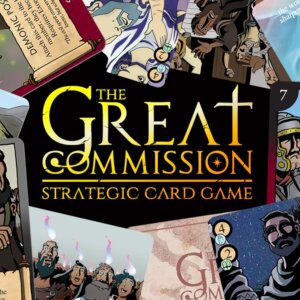
Build a church, share the Gospel, and survive Roman-era trials.
90
minutes
Medium
View game
2012
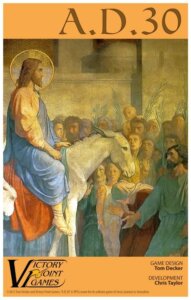
Guide Jesus from baptism to Jerusalem in a challenging solitaire journey.
60
minutes
Medium
View game
2022
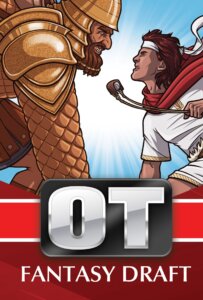
Draft Old Testament teams, chase clever combos, and score the most points.
45
minutes
Medium
View game
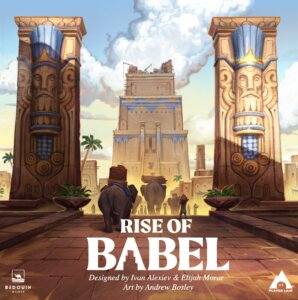
2025
Build the greatest tower with elephants, resources, cards, and influence.
90
minutes
Medium
View game
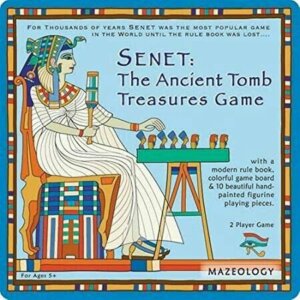
-3500
Race across an ancient Egyptian board with sticks, blocks, traps, and safe spaces.
30
minutes
Light

View game
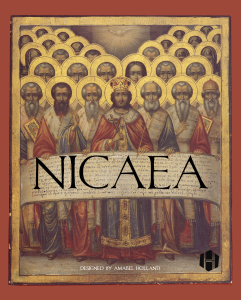
2021
Predict the council’s alliances, build influence, and avoid a victorious schism.
90
minutes
Medium
View game
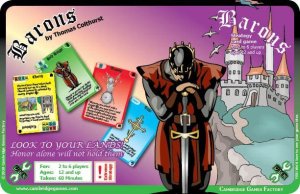
2011
Build a thriving barony, gather resources, and raise the realm’s first cathedral.
60
minutes
Medium
View game
2020
Defend a host of nations against the rise of the Muslim Caliphate.
120
minutes
Medium Heavy

View game
2015
Balance monastery investment against the race for Glory.
150
minutes
Medium
View game
2018
Travel through history, witness biblical events, and outscore the other finalists.
60
minutes
Medium
View game
2020
A conviction-filled party game of hilarious church and culture combinations.
45
minutes
Light
View game
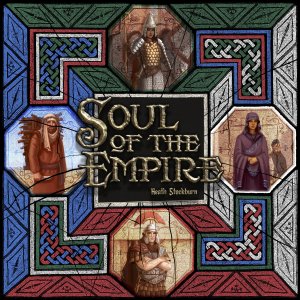
2018
Asymmetric first-century strategy where every faction pursues a different destiny.
140
minutes
Medium Heavy
View game
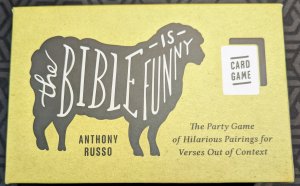
2023
Match out-of-context Bible verses to prompts and earn Treasures in Heaven.
15
minutes
Light
View game
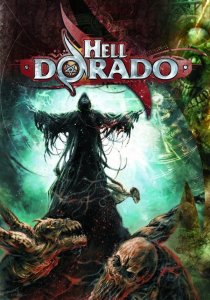
2006
Build a free company and fight strategic skirmishes in the hells.
60
minutes
Medium Heavy
View game
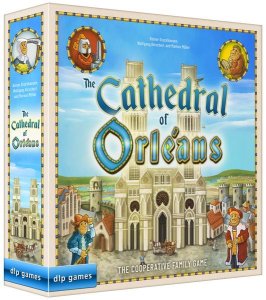
2023
Work together, manage your followers, and build a three-dimensional cathedral.
30
minutes
Medium Light

View game
2025
Command a Crusader state through trade, influence, intrigue, and war.
180
minutes
Medium Heavy
View game
2022
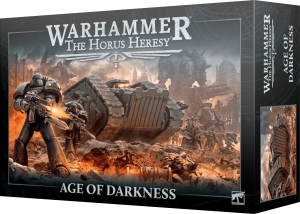
Lead a Legion through apocalyptic battles in the Age of Darkness.
180
minutes
Medium Heavy
View game
2022
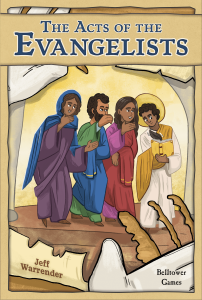
Compose a gospel through travel, interviews, traditions, and literary skill.
60
minutes
Medium
View game

2016
Add new places, shifting events, rewarding deeds, and ruthless intrigue.
90
minutes
Medium Heavy
View expansion

2015
Six scenarios and new Place Tiles expand the Orléans experience.
120
minutes
Medium Heavy
View expansion
2021
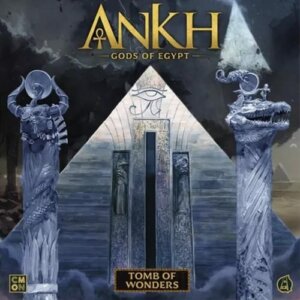
A Kickstarter-exclusive collection of deluxe components and exclusive Egyptian figures.
180
minutes
Medium
View expansion
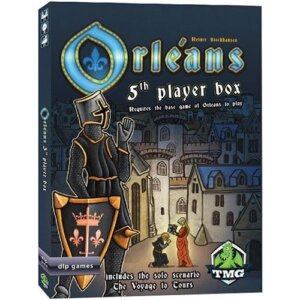
2017
Expand Orléans to five players with new components and bonus content.
Medium
View expansion
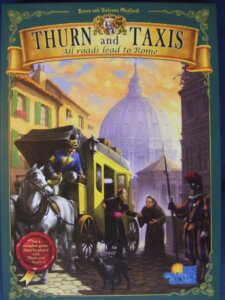
2008
Two connected expansions bring new roads, audiences, and honors to the journey.
60
minutes
Medium
View expansion
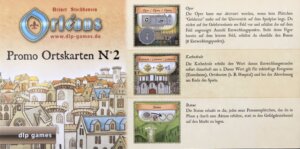
2018
Three special tiles that add new strategic options to Orléans
90
minutes
Medium Heavy
View expansion
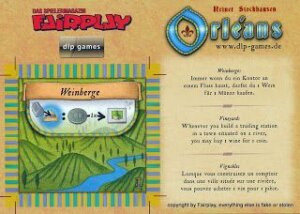
2015
Build river trading stations and purchase wine for just one coin.
90
minutes
Medium Heavy
View expansion
2019
A Kickstarter Stretch Goal collection for 1–4 players.
90
minutes
Medium Heavy
View expansion
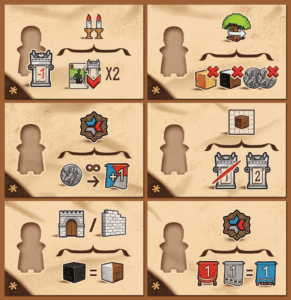
2024
Six Wood Scroll tiles adding new bonuses, scoring twists, and resource options
120
minutes
Medium Heavy
View expansion
2007
A focused two-player Papacy-versus-Protestants variant with wider-power influence.
180
minutes
Medium Heavy
View expansion
2005
Twelve new cards add fresh intrigue, bodies, and twists to the abbey.
120
minutes
Medium
View expansion
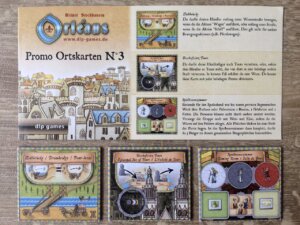
2020
Three promotional tiles for the Orléans base game or deluxe edition.
90
minutes
Medium Heavy
View expansion
A board game fits this theme when sacred doctrines, monastic life, holy orders, or theological disputes drive the core mechanics rather than acting as simple visual dressing. Players often manage devotion as a resource, spread orthodoxy across a map, or recreate pivotal historical faith movements.
Yes, several approachable card and tile games use religious themes without overwhelming rule sets. Accessible titles like Noah offer light animal-loading card play in 30 minutes for players aged 7 and up, while The Ark of the Covenant provides familiar tile-laying strategy for ages 8 and up.
For family game nights, look for light or medium-light games with quick turns and broad appeal. Biblios works nicely for ages 10 and up as players draft scriptorium assets in about 30 minutes, while St Patrick delivers quick trick-taking suitable for ages 10 and up in 20 to 40 minutes.
Play times vary dramatically depending on complexity, ranging from fast 15-minute card games to multi-hour historical simulations. Light options like Jericho resolve in roughly 15 minutes, whereas deep political simulations such as Here I Stand can run from 180 to 900 minutes.
Many religious games scale well to two players, and some are designed specifically for that count. For a lighter two-player experience, Tokaido Duo takes 20 to 30 minutes, while the ancient abstract title Senet offers a dedicated two-player duel about the afterlife journey.
Yes, several medium-heavy titles in this genre provide dedicated solo modes for solitary play. Designs like Ora et Labora and Ezra and Nehemiah officially accommodate 1 to 4 players, allowing a single player to test their economic and building strategies against game benchmarks.
Experienced hobbyists who want intense conflict and detailed historical simulation gravitate toward epic medium-heavy and heavy games. Titles like Virgin Queen and Here I Stand: 500th Anniversary Edition simulate European Reformation politics and religious wars, while Ierusalem: Anno Domini delivers tight worker placement and card management.
While ancient mythology games typically focus on fantasy monster battles and divine combat, religious board games emphasize human belief systems, monastic discipline, church governance, and historical schisms. The focus in religious themes usually rests on spreading doctrine, ecclesiastical economics, or reconciling statecraft with faith.
Area control, worker placement, and hand management are exceptionally common in this category. Games frequently use worker placement to assign monks or builders to holy sites, while card play often triggers papal decrees, theological debates, or historical events.
A frequent error is treating religious resources, such as piety, relics, or influence, as end-game scoring tokens rather than active economic levers. Failing to convert religious standing into board presence or practical engine power early on can leave you vulnerable to rival factions who leverage their faith into tangible political momentum.
