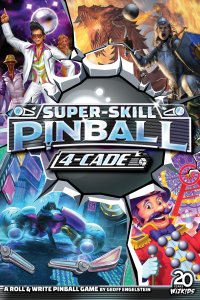
Super-Skill Pinball: 4-Cade
2020
Roll, aim, and chase the high score across four pinball-inspired tables.
30
minutes
Medium

View game

Rules made simple, fun made easy!
Bingo is a game mechanic where a shared pool reveals random numbers, symbols, or items that all players check against their personal boards or grids. Players mark matches to complete lines, shapes, or specific patterns that trigger bonuses or end the game.
111 results
At its core, this mechanic relies on simultaneous action driven by public reveals. A central draw—whether from rolled dice, flipped cards, or pulled tokens—gives every participant the exact same input at the exact same moment. Instead of waiting for individual turns, everyone searches their own layout to find the best spot to apply the result.
At the table, this structure eliminates downtime and creates a shared sense of tension. While everyone receives identical opportunities, differing player sheets, distinct board setups, and diverging strategies mean that a single drawn symbol can spark joy for one person while frustrating another.
Actions or results are determined by the specific icons rolled on custom dice.
236 gamesPlayers can re-roll some or all dice, often with restrictions on locking certain results.
166 gamesMovement is determined by rolling dice or spinning a wheel.
441 gamesThis mechanism is an ideal match for family game nights, casual groups, and players who dislike waiting between turns. Design-wise, titles using this format lean heavily toward light and medium-light experiences, with very few venturing into complex, heavy territory. It particularly rewards gamers who enjoy tactical adaptability, route planning, and satisfying chain reactions without the stress of aggressive player conflict.
2020
Roll, aim, and chase the high score across four pinball-inspired tables.
30
minutes
Medium
View game
2017
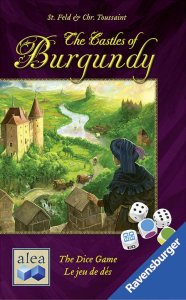
Build connected regions, outplay the dice, and claim the most points.
30
minutes
Medium Light

View game

2022
Build a bus route, connect passengers to their destinations, and score points.
30
minutes
Medium Light
View game
2022
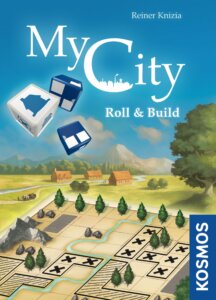
Roll, draw, and develop a unique city across a changing campaign.
30
minutes
Light

View game
2021
Roll the dice, chart your course, trade goods, and train your crew.
30
minutes
Medium Light
View game
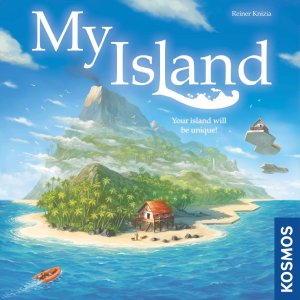
2023
Build a unique island and uncover its evolving history across 24 games.
30
minutes
Medium
View game

2024
Design an efficient Paris metro network across the City of Light.
30
minutes
Medium Light
View game
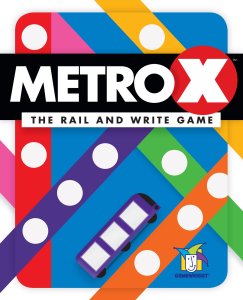
2018
Build your subway network, claim bonuses, and minimize unfinished stations.
20
minutes
Medium Light
View game
2024
Spin the disco ball, test your music knowledge, and complete your line.
60
minutes
Light
View game
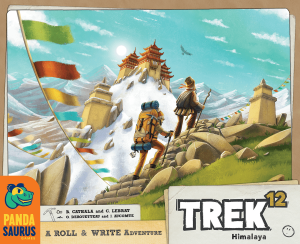
2020
Roll, combine, and build numbered mountain routes in a strategic alpine puzzle.
30
minutes
Light
View game
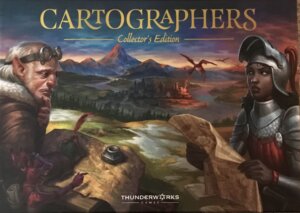
2021
A spacious collector’s edition with map packs, pencils, and expansion storage
45
minutes
Medium
View game
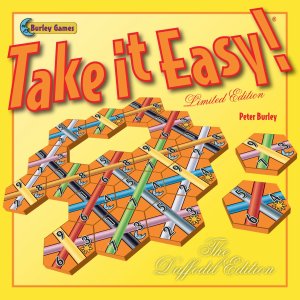
1983
Complete matching lines, balance every placement, and score big.
20
minutes
Light
View game

2009
A strategic polyomino puzzle where every falling piece reshapes your board
45
minutes
Light
View game
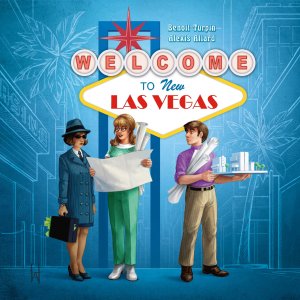
2020
Build casinos, entertain tourists, and create the ultimate Las Vegas resort
35
minutes
Medium
View game

2020
Choose objectives, fill symbols, and compete for powerful rewards.
30
minutes
Medium Light
View game
2024
Move your ducks, cover your cards, and keep the bathtub dry.
20
minutes
Light
View game

2022
Build thriving animal families while adapting to terrain, water, and weather.
40
minutes
Medium Light
View game
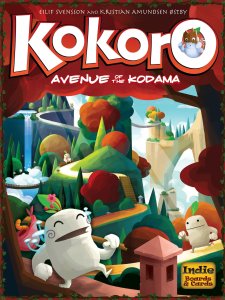
2017
Draw paths through an enchanted forest and earn the guardians’ favor.
15
minutes
Medium Light
View game

2018
Design clever Kyoto bus lines, satisfy riders, and avoid costly traffic.
30
minutes
Medium Light
View game
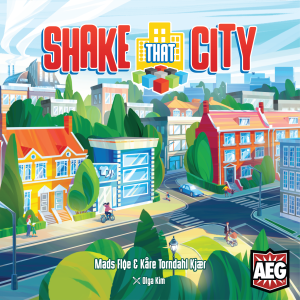
2023
Shake the pattern, place your tiles, and build a high-scoring city block.
40
minutes
Medium Light
View game
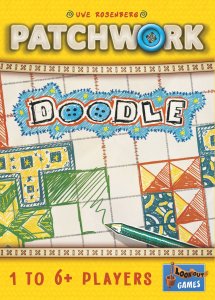
2019
Roll, place, and pack polyominoes tightly into your personal grid.
20
minutes
Light
View game
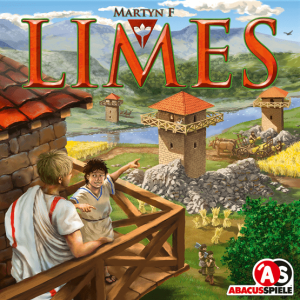
2014
Build a Roman frontier, cultivate resources, and outscore rival settlements.
20
minutes
Medium Light
View game
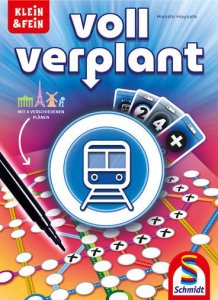
2021
Build a subway network, chase bonuses, and fill every station for points.
60
minutes
Medium Light
View game
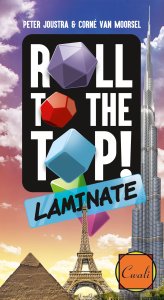
2018
Climb your challenge sheet with clever dice combinations and careful timing.
25
minutes
Light
View game
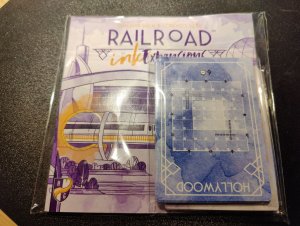
2021
Add new goals and challenging starting conditions to Railroad Ink
30
minutes
View expansion
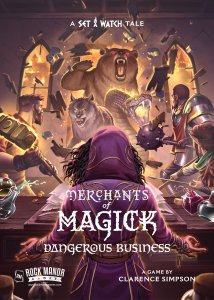
2024
Craft enchanted goods, equip adventurers, and profit in perilous times.
60
minutes
View expansion
2022
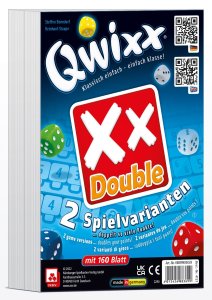
Two tactical Qwixx variants with double scoring and up to 136 points per row.
15
minutes
Medium
View expansion
2020
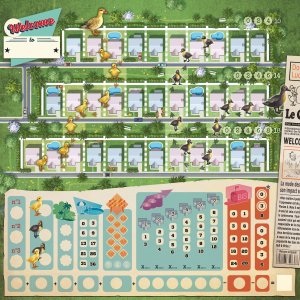
Rescue lost ducklings in a free print-and-play expansion
25
minutes
Medium
View expansion
In modern board games, the Bingo mechanic refers to a system where a single shared pool reveals numbers, symbols, or shapes that all players resolve simultaneously on their personal boards or sheets. Unlike traditional turn-taking, every participant uses the exact same public reveal at the exact same moment. This structure keeps engagement constant and eliminates downtime across the table.
Modern games turn the passive luck of classic Bingo into an active spatial or tactical puzzle. Instead of merely crossing off an identical static space on a fixed grid, players choose how and where to place or mark the revealed element to build scoring engines, route networks, or polyomino shapes. For example, in Karuba, everyone receives the exact same drawn path tile, but each player decides its specific orientation and placement on their own island grid.
Yes, games using this mechanic are ideal for families because the rules are simple to grasp and nobody has to wait for their turn. Most family-oriented titles carry an age rating of 8 and up and finish in under 40 minutes. Accessible options like Silver & Gold and Qwixx allow children and adults to compete on equal footing without complex rules getting in the way.
A great starting title is Railroad Ink: Deep Blue Edition, which plays in 20 to 30 minutes and welcomes players aged 8 and up. In each round, shared dice display road and rail segments that everyone sketches into their personal transport network at the same time. It provides an immediate, creative introduction to simultaneous pattern matching without unnecessary rules clutter.
Yes, games featuring this mechanic work exceptionally well at two players because the central reveal operates smoothly regardless of participant count. Titles such as Railroad Ink: Deep Blue Edition and Welcome to the Moon are community-voted as best at two players. The simultaneous format keeps two-player matches fast, tight, and highly competitive.
Many games built around the Bingo mechanic offer excellent solo modes because the public card or dice draw acts as a natural game engine. Since you are solving a personal spatial puzzle against an objective or high-score target, you do not need complex automated opponent rules. Hit flip-and-write titles like Cartographers and Welcome To… support solo play straight out of the box.
High player scalability is one of the standout features of the Bingo mechanic. Because all players mark off the same public reveal simultaneously, adding more participants does not increase the overall play time. Games like Cartographers and Welcome To… easily scale from a single player up to 100 players without introducing any downtime.
Most Bingo-style titles are quick to medium-length games that conclude in roughly 15 to 45 minutes. Fast dice games like Qwixx can finish in just 15 minutes, while tile-laying and map-drawing designs like My City take around 30 minutes. The simultaneous resolution ensures that game length stays predictable even with more players at the table.
While the vast majority of Bingo-style titles remain light or medium-light, occasional heavier designs adapt simultaneous reveals to larger strategic frameworks. For experienced players looking for a long, demanding experience, Operation Overlord is a Medium Heavy two-player design that runs between 240 and 480 minutes. Overall, however, finding heavy games with this mechanism is rare, as publishers predominantly use it for approachable, low-downtime titles.
The best strategic approach is to preserve layout flexibility rather than relying on a narrow set of future draws. Because the shared numbers or icons appear randomly, building a setup that requires one specific outcome will often leave your scoring patterns unfinished. Creating multiple branching scoring avenues ensures that almost every drawn element advances your board effectively.
The primary drawbacks are output randomness and limited player interaction. A run of unlucky draws can strand partially completed patterns regardless of how carefully you planned your grid. Furthermore, because each person is focused almost entirely on optimizing their personal sheet, the gameplay can feel like a solitary puzzle with little table talk or defensive play.
