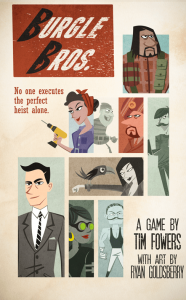
Burgle Bros.
2015
Coordinate a daring heist across three guarded floors.
90
minutes
Medium

View game

Rules made simple, fun made easy!
Map Addition is a board game mechanic where the physical play area grows over the course of the game as new tiles, boards, or cards are attached to the existing layout. Instead of starting with a static board, players reveal and place new terrain as they explore, build, or trigger specific game events.
185 results
At its core, Map Addition replaces a pre-printed board with an evolving play space. Players typically begin on a modest starting zone and physically connect new sections—such as tiles, hexes, or cards—whenever units explore edges, spend resources, or complete objectives. This creates an unpredictable geography that develops uniquely in every session.
At the table, this mechanic shifts strategic focus from executing rigid opening patterns to adapting to emergent terrain. It naturally evokes a sense of exploration and frontier discovery, giving players immediate tactical incentives to push into the unknown while managing the expanding distances between critical locations.
Map Addition is an ideal match for players who love tactical adaptation, discovery, and spatial problem-solving over rigid, long-term scripted plans. Most designs featuring this mechanic lean into the medium-weight range—offering plenty of engaging decisions without overwhelming rulebooks—though approachable lighter games and deep, complex territory-control titles also utilize the system effectively.
2015
Coordinate a daring heist across three guarded floors.
90
minutes
Medium
View game

2021
Survive the unknown through cooperation, discovery, and unsettling alien worlds.
90
minutes
Medium Heavy

View game
2021
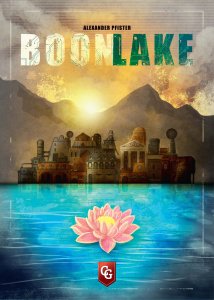
Build a new life, develop a community, and race across the lake.
160
minutes
Medium Heavy
View game
2022
Lead the Argonauts, tame Titans, and face monstrous threats in a choice-driven campaign.
Heavy

View game

2018
Explore a haunted mansion where every chapter leaves a lasting family legacy.
90
minutes
Medium
View game
2021
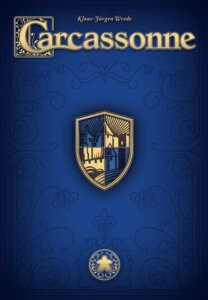
Build the landscape, claim its features, and score with clever tile placement.
35
minutes
Medium Light

View game
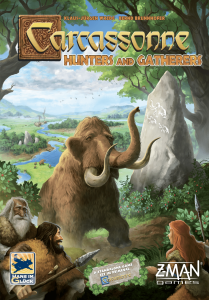
2002
Build a Stone Age landscape and score with hunters, gatherers, and huts.
40
minutes
Medium Light
View game
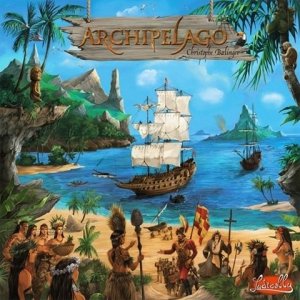
2012
Explore, trade, negotiate, and survive revolt in a tense Renaissance struggle.
240
minutes
Medium Heavy
View game

2021
Adapt, expand, and outmaneuver rival aquatic species before the asteroid arrives.
150
minutes
Medium Heavy
View game
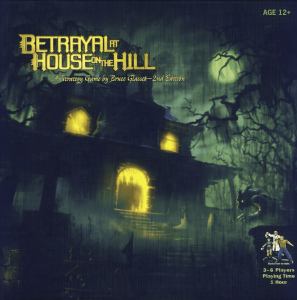
2004
Build a haunted mansion, uncover omens, and survive the betrayal.
60
minutes
Medium
View game
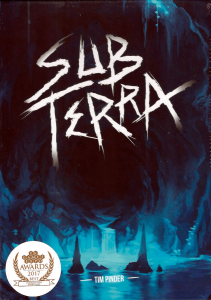
2017
Cooperate, explore, and escape the cave before darkness catches you.
60
minutes
Medium
View game
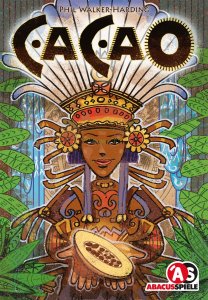
2015
Cultivate, trade, and lead your tribe to prosperity.
45
minutes
Medium Light
View game
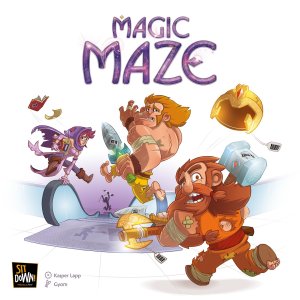
2017
Silently coordinate four heroes in a frantic mall heist before time runs out.
15
minutes
Medium Light
View game

2019
Guide humanity’s last hope through alien encounters and ravager attacks.
120
minutes
Medium Heavy
View game
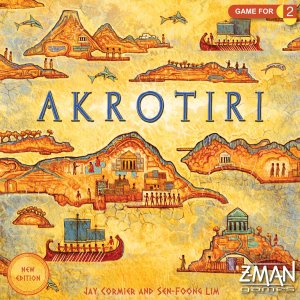
2014
Map the Aegean, supply Thera, and uncover forgotten Minoan temples.
45
minutes
Medium
View game

2024
Explore Japan’s idyllic landscape through new challenges and cherry blossoms.
90
minutes
Medium Light
View game
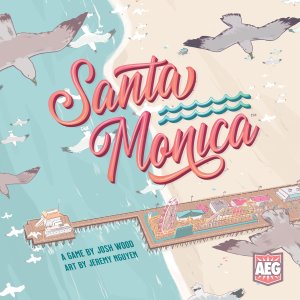
2020
Design a Southern California beach neighborhood and outscore your rivals.
45
minutes
Medium
View game
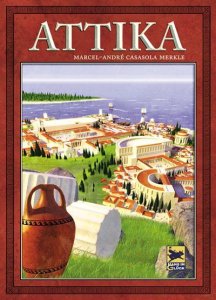
2003
Race to build a thriving Greek city-state before your rivals do.
60
minutes
Medium
View game

2014
Build the landscape, claim its features, and score at the right moment.
40
minutes
Medium
View game
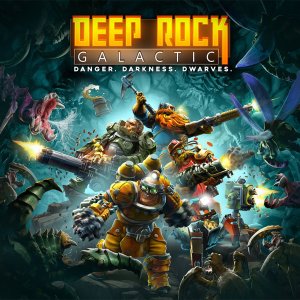
2022
Team up as dwarf miners, battle Glyphids, and escape with your mineral quota.
150
minutes
Medium
View game
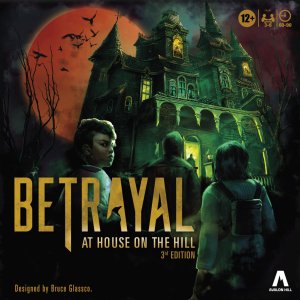
2022
Explore a haunted house together—until one explorer turns against the group.
60
minutes
Medium
View game

2025
Build an engine, explore ancient traces, and shape your tribe’s legacy.
90
minutes
Medium Heavy
View game
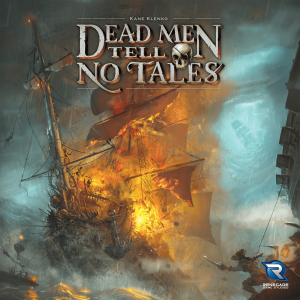
2015
Board the burning ship, battle danger, and seize the treasure together.
75
minutes
Medium
View game
1996
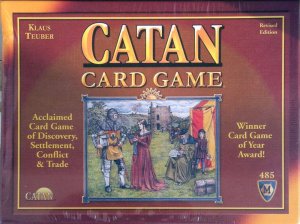
Build villages, cities, roads, knights, and civic improvements to reach 12 points.
120
minutes
Medium
View game

2025
Build connected Pastures and gather matching Animals for Prestige
30
minutes
Medium Light
View expansion

2022
Add a feral werewolf and five frightening haunts to your Betrayal games.
60
minutes
Medium
View expansion

2025
Build Venice-inspired canals, bridges, and gondola routes for prestige.
30
minutes
Medium Light
View expansion
2024
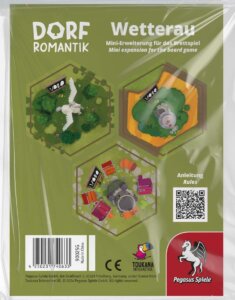
Explore Hessian Wetterau motifs and aim for even greater highscores
60
minutes
View expansion

2025
Build connected Lakes, place Ferries, and turn routes into powerful Harbor networks.
30
minutes
Medium
View expansion
2022
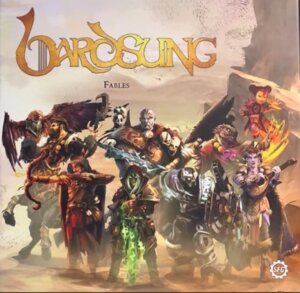
Expand your Bardsung experience with new heroes, enemies, and scenarios.
90
minutes
Medium Heavy
View expansion
2024
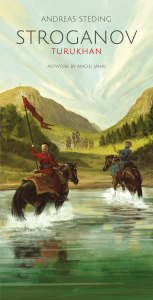
Cross the Turukhan River with four modular ways to enrich Stroganov
120
minutes
Medium Heavy
View expansion

2025
Explore archaeological sites and build monument sets across your expanding landscape
30
minutes
Medium Light
View expansion

2025
Grow separated forests, place lookout towers, and pursue clever objectives.
30
minutes
Light

View expansion
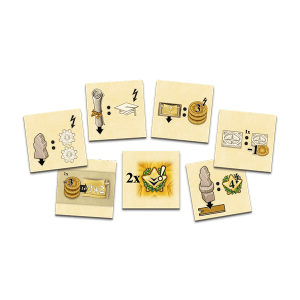
2023
Add seven permanent city effects for greater setup variety and new combos.
90
minutes
Light
View expansion
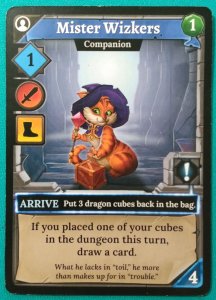
2024
A versatile Companion that rewards dungeon placement with an extra card.
90
minutes
Medium
View expansion
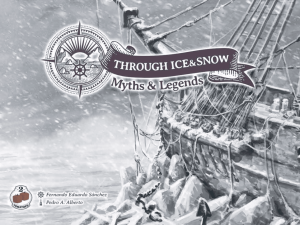
2024
Expand your Arctic adventure with myths, legends, and new expedition challenges.
90
minutes
Medium Heavy
View expansion
Map Addition is a board game mechanic where players dynamically expand the shared play area during the game by physically placing new tiles, hexes, or cards. Instead of navigating a static, fixed board, participants discover terrain sequentially as they explore or accomplish tasks. This creates an evolving spatial layout that ensures no two sessions share the exact same board structure.
While a standard modular board is typically assembled in full before play starts, Map Addition builds the board incrementally during active gameplay. In games using Map Addition, unrevealed zones remain hidden until specific actions or player movements trigger their placement. This keeps both the physical footprint and the geography unpredictable, rather than pre-set prior to round one.
For players new to this system, accessible tile-laying titles like Carcassonne and Karak are great places to start. In Carcassonne, players expand a medieval landscape one tile per turn to score roads, cities, and monasteries in roughly 30 to 45 minutes. Karak offers a dungeon-crawling spin suitable for players aged 7 and up, where adventurers explore unmapped underground labyrinths room by room.
Yes, Map Addition works exceptionally well solo because procedural terrain reveals provide organic surprise without requiring an opponent. Narrative exploration games like The 7th Continent and survival challenges like Robinson Crusoe: Adventures on the Cursed Island are rated best at a single player. Solitary adventurers must constantly adapt their equipment and survival plans to whatever landscape hazards get revealed next.
Many games featuring Map Addition are well-suited for families, particularly those with intuitive placement rules and clear visual goals. Titles like Dorfromantik: The Board Game (ages 8+) and Karak (ages 7+) feature accessible mechanics where everyone collaborates or races through expanding landscapes. Their approachable playtimes under an hour make them easy to teach to younger players without losing engagement.
The most common tactical pitfall is overextending your pieces toward board edges without planning for the expanding return distance. Because each newly added piece increases physical travel times, players who venture too deep into fresh territory often struggle to backtrack when objectives shift. Successful players balance pushing into the unknown with maintaining accessible routes back to core infrastructure or safe hubs.
Experienced hobbyists seeking deep, demanding systems can explore sprawling titles like Mage Knight Board Game and Eclipse: Second Dawn for the Galaxy. In Eclipse, players send scouts across unmapped galactic sectors, placing space hexes that reveal ancient guardians, wormholes, and valuable resources. Mage Knight Board Game blends deck-building with edge exploration, forcing players to calculate tight resource economies against increasingly dangerous newly revealed sites.
Map Addition plays smoothly at two players because the tight back-and-forth turns keep the geography evolving at a brisk, tactical pace. Head-to-head classics like Carcassonne and route-building duels like Fairy Trails are voted best with exactly two players. With just two opponents laying tiles, downtime is virtually non-existent, and direct spatial blocking becomes far more calculated.
Games utilizing Map Addition often demand considerable table space, as layouts can expand unevenly in unpredictable directions. Because tiles or cards branch outward wherever players explore, an off-center start can quickly send the map creeping toward the edge of your playing surface. To keep the game on the table, position your starting zone near the center of your play area and leave generous margins on all sides.
Designers mitigate tile draw randomness by providing face-up draft markets, alternative tile orientations, or flexible edge-matching rules. In games like Cacao, players select from a rolling market of jungle tiles rather than relying entirely on a blind draw. Other designs offer flexible placement orientations or compensatory resources whenever a newly drawn tile cannot be placed profitably.
