
Brass: Birmingham
2018
Build, connect and sell your way through Birmingham’s industrial revolution.
120
minutes
Medium Heavy

View game

Rules made simple, fun made easy!
Variable Set-up is a board game mechanic where starting components, board layouts, or initial resources change every time the game is played. By altering initial conditions, it prevents players from relying on scripted openings and forces fresh tactical planning from the start.
5,369 results
Rather than placing the same pieces on the exact same board positions every match, games with Variable Set-up randomize or customize the initial state. This can involve shuffling and dealing out modular map tiles, drawing random goal cards, rolling for starting resources, or drafting unique opening configurations before the first turn begins.
At the table, this fundamentally shifts how players approach strategy. Because the board landscape and milestone rewards shift every session, you cannot rely on memorized opening moves, ensuring that veteran players must read the current layout and adapt their plans alongside everyone else.
Variable Set-up appeals most to strategic players who enjoy tactical flexibility over rote memorization. The mechanic is heavily concentrated in medium to medium-heavy designs, where players appreciate rich decision-making without having every match feel like a pre-scripted puzzle. While casual and light games occasionally use it to shake up tile layouts, it is a staple for groups that want substantial depth and high replay value from their game collection.
2018
Build, connect and sell your way through Birmingham’s industrial revolution.
120
minutes
Medium Heavy
View game

2021
Build a scientifically managed zoo and support conservation worldwide.
150
minutes
Medium Heavy
View game
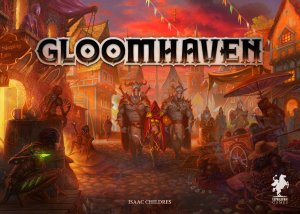
2017
Tactical dungeon-crawling in a persistent world shaped by player choices.
120
minutes
Medium Heavy
View game
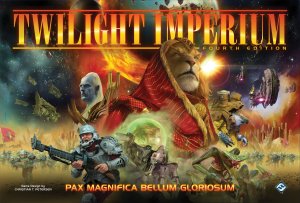
2017
Shape a galaxy, forge alliances, and compete for the throne of Mecatol Rex.
480
minutes
Heavy

View game
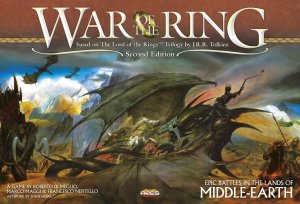
2011
A tense struggle between the Shadow’s armies and the Ring-bearer’s desperate quest
240
minutes
Heavy
View game
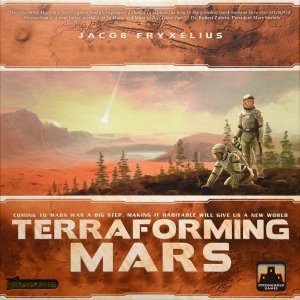
2016
Raise Mars toward habitability while building a winning corporate legacy.
120
minutes
Medium Heavy
View game
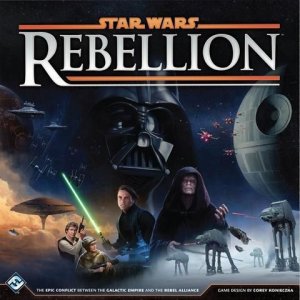
2016
Command an empire or ignite a galaxy-wide revolt
240
minutes
Medium Heavy
View game
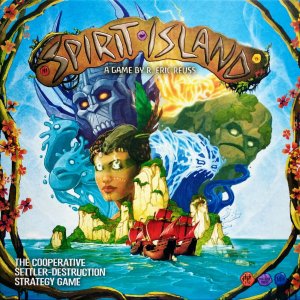
2017
Unite powerful spirits to drive colonial Invaders from your island home.
120
minutes
Heavy
View game
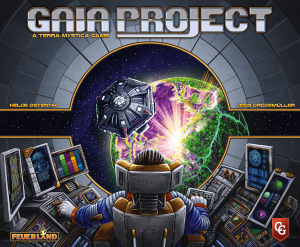
2017
Terraform worlds, develop technology, and compete to build a galactic empire.
150
minutes
Heavy
View game

2024
Lead the search for alien life through probes, telescopes, and scientific discovery.
160
minutes
Medium Heavy
View game

2005
A tense two-player struggle of influence, intrigue, and Cold War brinkmanship.
180
minutes
Medium Heavy
View game

2011
Shape a medieval princedom through clever dice-driven decisions.
90
minutes
Medium

View game

2019
120
minutes
Medium
View game
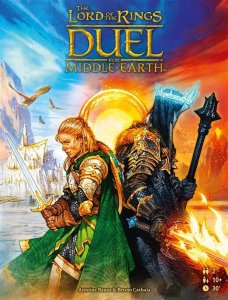
2024
Race across Middle-earth in a tense duel between Fellowship and Sauron.
30
minutes
Medium
View game

2018
Explore, build your deck, command an army, and conquer powerful cities.
150
minutes
Heavy
View game
2022
Survive the frozen frontier, rebuild an outpost, and uncover its mysteries.
180
minutes
Heavy
View game

2016
Herd valuable cattle, build wisely, and race toward victory.
150
minutes
Medium Heavy
View game

2007
Build an industrial empire across canals, railways, and cotton markets.
120
minutes
Medium Heavy
View game

2020
Explore, research, build fleets, and compete for supremacy among rival civilizations.
200
minutes
Medium Heavy
View game

2015
Build a civilization, outmaneuver your rival, and claim victory in three ways.
30
minutes
Medium
View game
2018
Survive the alien-infested ship before your hidden agendas consume you.
180
minutes
Medium Heavy
View game
2016
Build an engine, expand your faction, and vie for control in alternate-history Europa.
115
minutes
Medium Heavy
View game

2019
Build a franchise, shape your world, and pursue corporate glory.
120
minutes
Medium
View game

2013
Build a Roman trade network, expand your dynasty, and earn the gods’ favor.
100
minutes
Medium
View game

2021
Herd valuable cattle, build wisely, and master the trail to victory.
150
minutes
Medium Heavy
View game

2023
Silently coordinate a high-stakes landing for two
20
minutes
Medium
View game
2016
Unravel Lovecraftian mysteries in a perilous cooperative campaign.
120
minutes
Medium Heavy
View game

2018
An asymmetric woodland struggle where every faction seeks victory its own way.
90
minutes
Medium Heavy
View game
2014
Build your following, expand your reach, and pursue victory your way.
90
minutes
Medium Heavy
View game

2012
Terraform, expand, and outmaneuver rival peoples in a deep strategy game.
150
minutes
Medium Heavy
View game
2011
Explore, battle, and build your power across an Atlantean peninsula.
240
minutes
Heavy
View game
2019
Harness Alpine rivers, build dams, and compete to deliver hydroelectric power.
180
minutes
Heavy
View game
2018
Build a thriving woodland city through clever cards and worker placement.
80
minutes
Medium
View game

2022
Manage your speed, beat the heat, and race for the podium.
60
minutes
Medium
View game
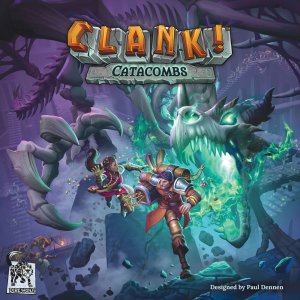
2022
Build your deck, explore shifting catacombs, and escape the dragon.
90
minutes
Medium
View game

2019
Team up as Marvel heroes to stop villains and thwart their dangerous schemes.
90
minutes
Medium
View game
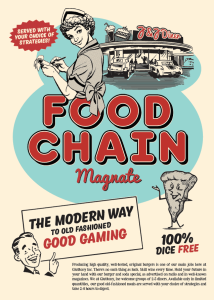
2015
Build a fast-food empire through ruthless hiring, marketing, and sales strategy.
240
minutes
Heavy
View game
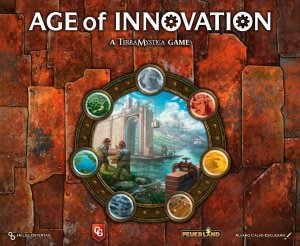
2023
Terraform new homelands, develop unique factions, and shape a culture of innovation.
200
minutes
Heavy
View game

2021
Build connected habitats and guide wildlife to the perfect home.
45
minutes
Medium Light

View game

2017
Send workers through time to rebuild a fractured world before disaster strikes.
120
minutes
Medium Heavy
View game
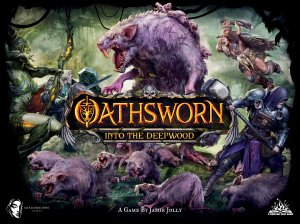
2022
A narrative campaign of branching choices, explosive dice, and brutal boss fights.
90
minutes
Medium Heavy
View game

2015
Build a celebrated Vienna hotel through dice-powered actions and clever guest service.
120
minutes
Medium Heavy
View game

2024
Explore the deep sea, advance marine research, and protect a fragile ocean.
120
minutes
Medium
View game

2023
Build influence, manage resources, and guide your clan to victory at Himeji Castle.
80
minutes
Medium Heavy
View game

2023
Guide your sheep station to prosperity along a winding trail to Wellington
150
minutes
Medium Heavy
View game

2004
Bid for power plants, fuel your network, and electrify the most cities.
120
minutes
Medium Heavy
View game
2017
Build a Scottish clan empire through production, trade, exports, and whisky.
120
minutes
Medium Heavy
View game

2016
Investigate haunted mansions, solve puzzles, and face horrors together.
180
minutes
Medium
View game

2020
Expand the island’s defense with new Spirits, threats, powers, and hard choices.
120
minutes
Heavy
View expansion

2017
Expand every turn with new Spirits, tokens, Events, and challenges.
120
minutes
Heavy
View expansion

2023
Expand your zoo with sea animals, reef synergies, and new strategic choices.
150
minutes
Medium Heavy
View expansion

2020
Expand the galaxy with new factions, leaders, mechs, discoveries, and relics.
480
minutes
Heavy
View expansion

2012
Face General Volkare and lead a new Mage Knight into a dangerous saga.
240
minutes
Heavy
View expansion

2006
Expand the galactic conflict with new races, units, objectives, and variants.
240
minutes
Heavy
View expansion

2023
Awaken legendary forces of nature and confront invading colonizers.
180
minutes
Heavy
View expansion

2020
Claim Senate chambers, gain benefits, and pursue an automatic majority victory.
30
minutes
Medium
View expansion

2012
Face powerful Ancients and expand your galaxy with new modular options.
120
minutes
Medium Heavy
View expansion

2017
Explore a dying star system filled with danger, treasure, and mystery.
180
minutes
Medium Heavy
View expansion
2015
Craft precious goods, unlock powers, and navigate a changing landscape.
80
minutes
Medium
View expansion

1998
Build improvements, command knights, and defend the island from barbarians.
150
minutes
Medium
View expansion

2019
Discover new strategies beneath the sea with fresh cards, assistants, and variants.
180
minutes
Medium Heavy
View expansion
2022
Take on deadlier bounties and explore new opportunities across the galaxy.
180
minutes
Medium
View expansion

2017
Dive into flooded rooms, outwit the dragon, and prove your thieving skills.
60
minutes
Medium
View expansion

2017
Uncover Arkham’s darkest secrets across three digital horror scenarios.
180
minutes
Medium
View expansion

2017
Two new mysteries deepen the unsettling world of Mansions of Madness.
180
minutes
Medium
View expansion

2025
Lead an asymmetric space organization in a deeper search for alien life.
160
minutes
Medium Heavy
View expansion

2011
Expand the galactic struggle with new races, units, technologies, and intrigue.
240
minutes
Heavy
View expansion
2009
Customize your realm with new buildings, characters, events, and winter rules.
90
minutes
Medium
View expansion

2017
Expand the peloton, add cobblestones, and race with up to twelve players.
45
minutes
Medium Light
View expansion

2022
Fire, flood, flame, and feather answer the call against invading ships.
120
minutes
Heavy
View expansion

1997
Expand CATAN with shipping lanes and water-focused scenarios.
90
minutes
Medium
View expansion

2018
Three perilous journeys, four new investigators, and mysteries far from Arkham.
180
minutes
Medium
View expansion

2020
Take on Hydra across five challenging scenarios with new heroes and villains.
90
minutes
Medium
View expansion

2024
Add a seventh driver, two maps, and new ways to manage heat.
Medium
View expansion

2017
Two high-complexity spirits bring fiery offense and deep-earth power.
120
minutes
Heavy
View expansion

2015
Trade coffee, seek assistance, and race for rubies in Istanbul's bustling bazaar.
60
minutes
Medium
View expansion

2005
Relive ferocious WWII battles between Axis and Soviet forces.
60
minutes
Medium
View expansion

2019
Lead the charge with Captain America's shield and legendary valor.
90
minutes
Medium
View expansion

2023
Build sprawling habitats and add natural landmarks with dynamic endgame bonuses.
45
minutes
Medium
View expansion

2020
Explore Mirkwood and Moria in a thirteen-scenario Middle-earth campaign.
120
minutes
Medium
View expansion

2018
Uncover forbidden rituals inside Arkham’s influential Silver Twilight Lodge.
180
minutes
Medium
View expansion
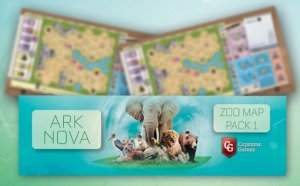
2022
Two new zoo maps expand your Ark Nova options.
150
minutes
Medium Heavy
View expansion
2013
Incorporate your borough and unlock powerful new city-planning opportunities.
90
minutes
Medium
View expansion

2013
Face new Ancient Ones, wield blessings, and survive the museum's curses.
90
minutes
Medium
View expansion

2015
Welcome a female panda and discover new ways to grow bamboo.
Medium Light
View expansion

2018
Explore ancient pyramids, gather artifacts, and evade a cursed mummy and dragon.
60
minutes
Medium
View expansion
2011
Expand your civilization with new peoples, personalities, cards, and possibilities.
180
minutes
Medium Heavy
View expansion

2020
Recruit unique thieves and brave the dungeon with up to six players.
120
minutes
Medium
View expansion
2019
Face Norman Osborn and the Green Goblin across two dangerous scenarios.
90
minutes
Medium
View expansion

2001
Begin with twelve river tiles, then return to classic Carcassonne play.
45
minutes
Medium Light
View expansion

2016
Face infected wolves and the terrifying Wolfbomination in Wulfsburg.
60
minutes
Medium
View expansion

2015
Take the fight against the Ancient Ones into the haunted streets of Arkham.
90
minutes
Medium
View expansion

1996
Bring Catan to the table with up to two additional opponents.
120
minutes
Medium
View expansion

2012
Expand your game with new characters, activities, events, and a family die.
90
minutes
Medium Heavy
View expansion

2016
Raise the roof on a house of madness with new rooms, horrors, and haunts.
Medium
View expansion

2021
Bring Vienna’s hotel guests to the ballroom for a sparkling night of strategy.
120
minutes
Medium Heavy
View expansion
Variable set-up means that the starting conditions of a game change every time you play, such as shifting map tiles, varying public goals, or differing opening hands. Instead of starting from a fixed position, players must inspect the board state before turn one to devise a fresh plan. This prevents players from memorizing rigid opening patterns and ensures high replay value.
A modular board physically rearranges terrain or room tiles, whereas variable set-up is a wider mechanic that includes any changing starting parameters. A game can have a fixed board but still use variable set-up through randomized milestone cards, variable player powers, or fluctuating market displays. In short, modular boards are just one physical way to deliver a variable set-up.
Accessible options like Cascadia and Sushi Go Party! demonstrate variable set-up without overwhelming new players. In Cascadia, the scoring conditions for each wildlife species are drawn randomly at the start of every match. In Sushi Go Party!, players assemble a customized menu of dishes before dealing cards, providing distinct card interactions in under 30 to 45 minutes.
Yes, variable set-up works exceptionally well at lower player counts because changing start conditions keep tactical puzzles novel when facing a single opponent or an automated system. For instance, Jaipur is a dedicated two-player card game where shifting opening market goods demand immediate tactical adaptation. Similarly, Cascadia accommodates solo and two-player sessions smoothly by rotating wildlife scoring rules each game.
Yes, games featuring this mechanic generally require more preparation time before the first turn. Players often need to sort, shuffle, and distribute tiles, tokens, or specialized starting decks rather than setting out fixed components. Using organized storage inserts or designated bags can help mitigate this pre-game friction.
Light games like Hey, That’s My Fish! and Takenoko are ideal for families with children as young as 8. Hey, That’s My Fish! features a quick 20-minute playtime where players randomly lay out hexagonal ice floes before each match. Takenoko lets families construct a colorful bamboo garden that grows in a different layout every session.
Because the physical landscape, starting resources, or scoring milestones shift every game, standard “turn-one recipes” become obsolete. Players cannot simply memorize and execute the mathematically ideal opening moves found in traditional fixed-board games. Instead, everyone must read the current environment, find the highest-value positions, and tailor their strategy on the spot.
For heavy gamers, titles like Gaia Project and Spirit Island integrate variable set-up deep into their strategic design. Gaia Project randomizes modular space sectors, tech tracks, and round-by-round scoring tiles, dramatically altering faction viability each match. Spirit Island uses modular board configurations, variable adversary cards, and distinct spirit abilities to create deeply replayable 90- to 120-minute sessions.
The most common mistake is playing on autopilot and pursuing standard strategies without studying the newly generated layout. If a scoring objective or starting resource node has shifted, familiar moves might offer significantly less value. Taking a minute before the first turn to identify scarce goods, powerful tile adjacencies, and end-game targets is essential for success.
Occasionally, purely randomized set-up procedures can generate lopsided maps or give early turn-order advantages to specific seats. Most modern games mitigate this by including guided placement rules, bidding systems, or drafting mechanics during preparation. When a randomly generated layout appears overly harsh, many rulebooks allow groups to mulligan and redraw the board.
In cooperative play, variable set-up prevents the puzzle from feeling solved after a single victory. In Forbidden Island, the 24 island tiles are placed in a new arrangement every session, changing escape routes and sinking hazards for 2 to 4 players. This forces the team to communicate and adjust their survival tactics to the specific terrain every time they play.
© Board Game Rules - All rights reserved · Privacy Policy