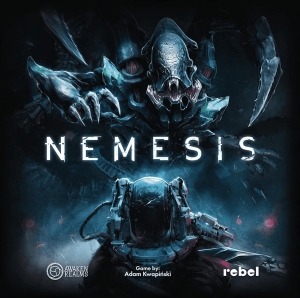
Nemesis
2018
Survive the alien-infested ship before your hidden agendas consume you.
180
minutes
Medium Heavy

View game

Rules made simple, fun made easy!
A semi-cooperative game is a format where players must work together to prevent a shared loss, but only a single player with the highest score or completed secret objective can claim victory. If the group fails the collective objective, everyone loses together.
154 results
In a semi-cooperative game, survival is collective, but victory is selfish. Players face systematic threats, crises, or countdown timers that require shared effort to manage. However, contributing resources to the group’s survival often comes at the direct expense of building your personal engine, scoring points, or advancing your private agenda.
This dynamic introduces sharp social friction and precarious alliances to the table. Every participant constantly weighs how much they can slack off or hoard for themselves without causing the entire group to fail, creating intense moments of negotiation, bluffing, and risk calculation.
This mechanic suits gaming groups that love psychological tension, sharp negotiation, and player-driven drama over pure, friendly teamwork. Most titles featuring this system sit in the moderate to medium-heavy complexity range, demanding thoughtful resource allocation while balancing collective defense. Groups that get frustrated by intentional self-sabotage, spite plays, or mutual losses may want to look elsewhere, but it is an ideal fit for players who enjoy social deduction alongside deeper strategy.
2018
Survive the alien-infested ship before your hidden agendas consume you.
180
minutes
Medium Heavy
View game
2008
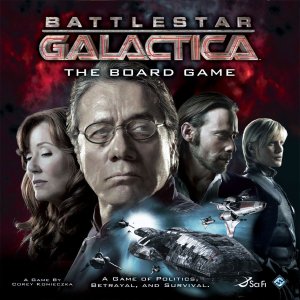
Uncover hidden Cylons while fighting to keep humanity alive.
180
minutes
Medium Heavy
View game
2022
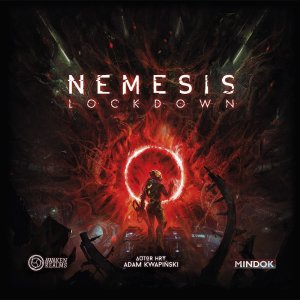
Explore a multi-level Mars base in a tense semi-cooperative struggle.
180
minutes
Medium Heavy
View game

2025
Enter the alien nest, survive the horde, and watch for betrayal.
180
minutes
Medium Heavy
View game
2014
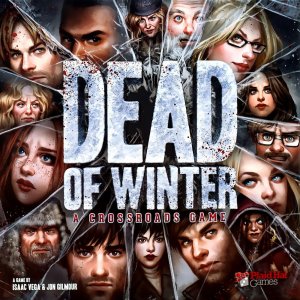
Survive the winter, protect the colony, and pursue your secret agenda.
120
minutes
Medium Heavy
View game
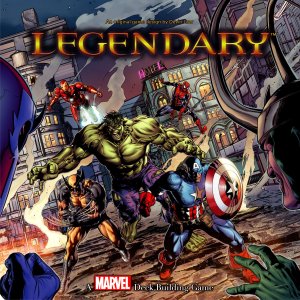
2012
Build a Marvel hero deck, battle villains, and stop the mastermind's scheme.
60
minutes
Medium

View game
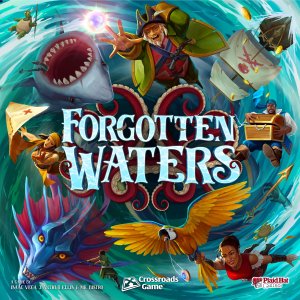
2020
A silly, magical pirate voyage where every choice shapes the story.
240
minutes
Medium
View game
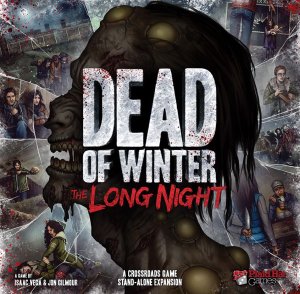
2016
Contain Raxxon’s horrors, strengthen your colony, and survive the long night.
120
minutes
Medium Heavy
View game
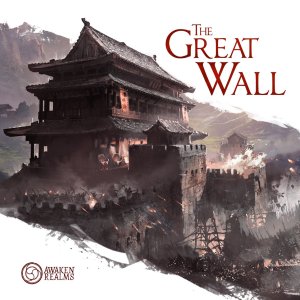
2021
Defend the wall, build your engine, and earn Honor under siege
180
minutes
Medium Heavy
View game
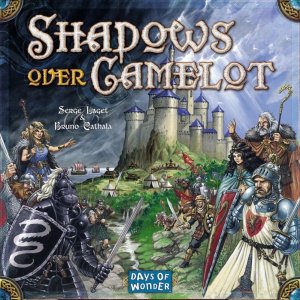
2005
Unite the Round Table, face the quests, and uncover a hidden traitor.
90
minutes
Medium
View game

2019
Solve noir murders while a hidden saboteur twists every lead.
150
minutes
Medium
View game
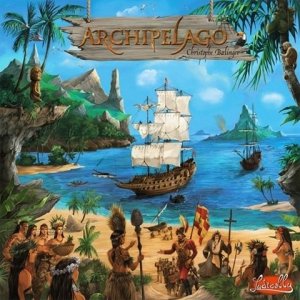
2012
Explore, trade, negotiate, and survive revolt in a tense Renaissance struggle.
240
minutes
Medium Heavy
View game
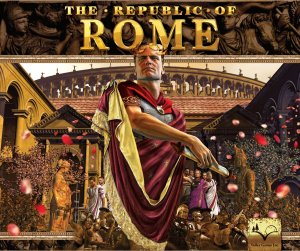
1990
Command senators, confront crises, and compete for Rome’s future.
300
minutes
Heavy

View game
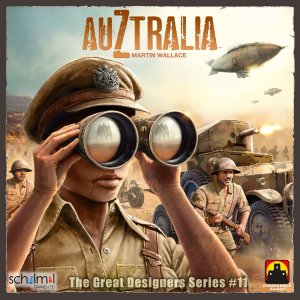
2018
Explore, build, and prepare to fight the awakening in a haunted outback.
120
minutes
Medium
View game
2018
Build clean energy, manage carbon permits, and help save the planet.
120
minutes
Heavy
View game
2022
Paranoia, sabotage, and hidden identities threaten every escape.
90
minutes
Medium
View game
2014
Turn Marvel’s villains loose in a deck-building battle against heroic defenders.
45
minutes
Medium
View game
2012
Build a cleaner future while managing energy, emissions, and reputation.
120
minutes
Medium Heavy
View game
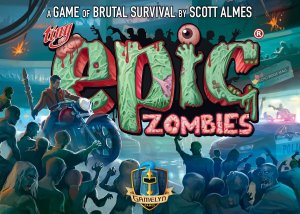
2018
Race to survive the mall, complete objectives, and outsmart the undead.
45
minutes
Medium
View game
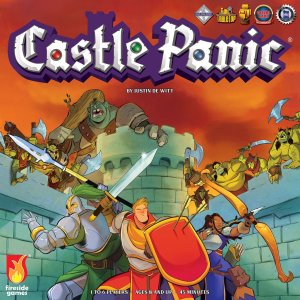
2009
Work together to defend your castle, then compete to become the Master Slayer.
60
minutes
Medium Light

View game
2016
Rebuild businesses and find opportunity while Axia faces economic, social, and political turmoil.
120
minutes
Medium Heavy
View game
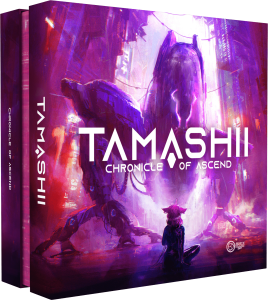
2023
Survive two connected worlds in a cyberpunk fight for information and power.
180
minutes
Medium
View game
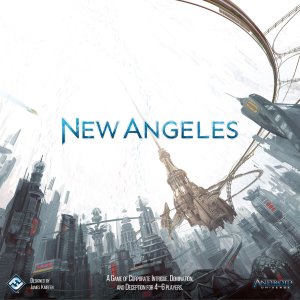
2016
Forge fragile alliances and outmaneuver rival megacorps in a city kept open for business.
240
minutes
Medium Heavy
View game
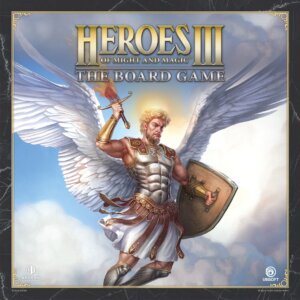
2024
Explore Antagarich, build your legend, and fight epic fantasy battles.
120
minutes
Medium Heavy
View game
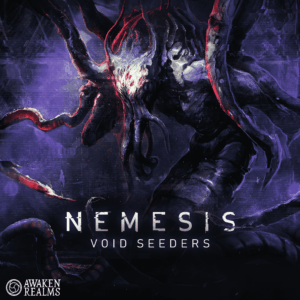
2021
Face hallucinations, rising insanity, and a guardian hidden behind physical lairs.
180
minutes
Medium Heavy
View expansion
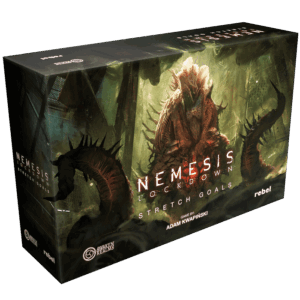
2021
A packed collection of stretch-goal content, alien miniatures, and campaign missions
Medium Heavy
View expansion
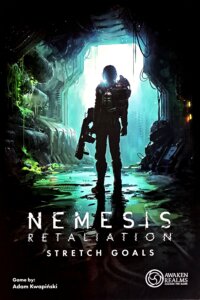
2025
A vast stretch-goal collection packed with minis, cards, characters, and modules.
180
minutes
Medium Heavy
View expansion

2021
Fortify the wall with deadly machines, elite troops, and new tactics.
180
minutes
Heavy
View expansion
2023
Expand the basement adventure with 250+ cards, solo play, co-op, and Tainted characters.
60
minutes
Medium
View expansion
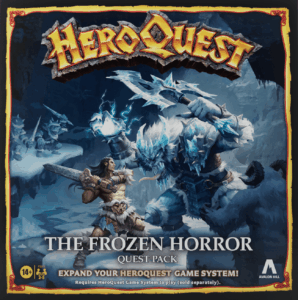
2022
Survive the frozen Northlands, then face the terror within the ice mountain.
120
minutes
Medium
View expansion
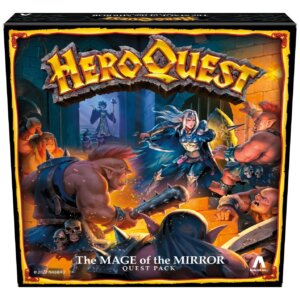
2023
Lead an elf through solo quests and face the archmage Sinestra.
120
minutes
Medium
View expansion
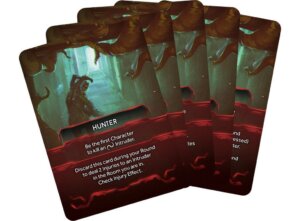
2019
Promo cards that unlock special actions when their requirements are met.
180
minutes
Medium Heavy
View expansion

2022
A Kickstarter-exclusive big box with two expansions and room for the base game
120
minutes
Medium Heavy
View expansion
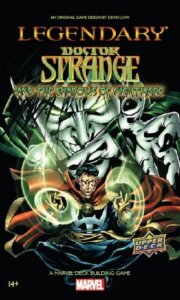
2022
Enter the dream dimension and join Doctor Strange against Nightmare.
60
minutes
View expansion
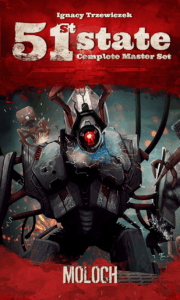
2021
Face hostile Machines in a tense semi-cooperative struggle for survival and points.
90
minutes
Medium
View expansion
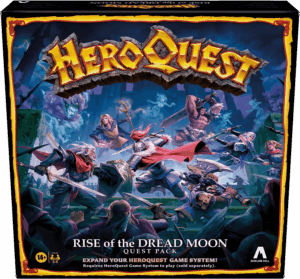
2023
Free Elethorn across ten perilous quests beneath the rising Dread Moon.
120
minutes
View expansion
In a semi-cooperative game, players must work together to avoid a shared defeat, but only one individual player can win the game. If the group fails to beat the game’s systemic threats, everyone loses together with no winner crowned. This framework forces every player to contribute just enough to collective survival while secretly prioritizing their own personal victory conditions.
Fully cooperative games result in a shared victory or loss for the entire table, whereas semi-cooperative games crown a single individual winner out of surviving participants. In a pure co-op, every move is calculated to optimize group survival. Semi-cooperative designs introduce competitive tension, because players frequently withhold resources or exploit crises to gain an edge over their peers.
In a traitor game, an antagonistic player actively works to bring about the group’s defeat, whereas pure semi-cooperative games feature players who all want the group to survive so they can win individually. However, some games blend both styles, such as Dead of Winter: A Crossroads Game, where players balance selfish private goals alongside the lurking possibility of a true betrayer. In games without traitors, failure simply occurs because players are too selfish or miscalculate the danger.
No, semi-cooperative games naturally prevent quarterbacking—where a dominant player dictates moves to everyone else—because incentives are fundamentally misaligned. Because secret objectives and individual scoring remain private, no single participant can calculate what is truly optimal for another player. Players are far less receptive to bossy advice when they know the person giving it is ultimately playing for their own selfish win.
For newcomers and family game nights, accessible titles with clear stakes and light rules make the mechanic easy to grasp. In Hellapagos (recommended for ages 8 and up), players work together to gather supplies and build a raft, but must vote to eliminate one another whenever water or food runs short. Another family-friendly option is Castle Panic, which lets players defend a shared fortress while playfully competing for the title of Master Slayer by landing the final blow on invading monsters.
Semi-cooperative mechanics are rarely satisfying solo, as the defining tension of the genre comes from negotiating and second-guessing other humans. While titles like Nemesis offer solo rules, the experience shifts into a survival puzzle rather than a true semi-cooperative contest. At two players, the dynamic can become zero-sum and brittle, making the genre best suited for tables with three or more participants.
Experienced hobbyists who want deep strategy, high player interaction, and intense paranoia thrive with medium-heavy and heavy titles. In Nemesis, players must keep a derelict spaceship functioning while navigating alien encounters and completing secret, often contradictory corporate agendas. For heavy economic planning, CO₂: Second Chance tasks players with building renewable power infrastructure to stop catastrophic global pollution while battling for prestige.
The biggest risk is kingmaking or spite play, where a player who realizes they cannot win intentionally causes the shared loss condition so that everyone loses. When a participant abandons collective defense out of frustration, it can lead to an anticlimactic ending that invalidates hours of careful play. Groups must share a social contract where everyone tries their best to keep the game alive until a legitimate win is decided.
The most reliable strategy is to contribute only the bare minimum required to keep the group afloat while dedicating the rest of your actions to your personal objective. If you play entirely selflessly, an opponent will hoard points and take the crown; if you do nothing, the group collapses into a shared defeat. Winning relies on testing how much danger your opponents can endure before their own survival instincts force them to pitch in.
Playtimes range widely depending on weight, spanning from 20-minute social games to three-hour thematic marathons. Quick deduction and card-driven games like Bristol 1350 wrap up in roughly 20 to 40 minutes, making them easy to repeat in an evening. By contrast, thematic and strategic designs like Dead of Winter: A Crossroads Game typically demand 60 to 120 minutes as negotiations and deliberations unfold.
Many players find semi-cooperative games frustrating because shared losses can feel unsatisfying and render personal progress meaningless. People who enjoy pure teamwork often dislike the paranoia and backstabbing, while competitive purists dislike that an opponent’s blunder can end the match prematurely for everyone. The genre is polarizing because it demands players who appreciate tense social drama and psychological pressure over guaranteed, tidy resolution.
