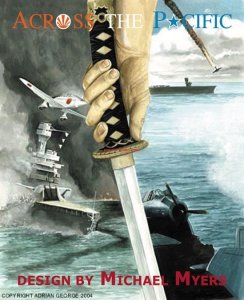
Across the Pacific
2010
Command the Pacific War through interactive, uncertainty-driven turns.
1080
minutes
Medium Heavy

View game

Rules made simple, fun made easy!
The aviation and flight board game theme centers on piloting, commanding, or managing aircraft, ranging from intense aerial dogfights and military sorties to commercial airline operations and aerospace logistics.
369 results
At its heart, this theme captures the freedom, physics, and perils of airborne movement. Rather than navigating flat ground, players contend with concepts like momentum, altitude, speed, and fuel efficiency. Whether you are steering a solo fighter through enemy airspace or balancing flight schedules across an international network, the setting turns navigation into an active tactical puzzle.
At the table, aviation themes bring a strong sense of spatial tension and tactical calculation. Movement is rarely static or forgiving; positioning relative to your target or destination dictates success, meaning a single misjudged maneuver or poorly planned route can leave an aircraft vulnerable or out of fuel.
This theme largely caters to hobbyists who enjoy mid-weight tactical depth and detailed simulation. While accessible light options and brutally heavy operational simulations exist, the bulk of titles fall squarely in the medium to medium-heavy range. It is an ideal fit for tactical wargamers, miniature hobbyists, and solo players who appreciate technical maneuvering, though groups seeking purely social or breezy casual sessions may find the spatial rules demanding.
2010
Command the Pacific War through interactive, uncertainty-driven turns.
1080
minutes
Medium Heavy
View game
2022
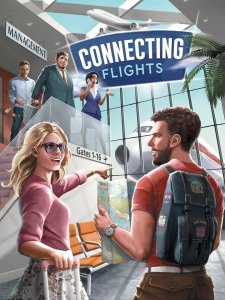
Build resilient flight networks and outmaneuver rival airline managers.
150
minutes
Medium

View game
1992
Command RFC Flights through the deadly skies of Bloody April.
60
minutes
Medium Heavy
View game
2021
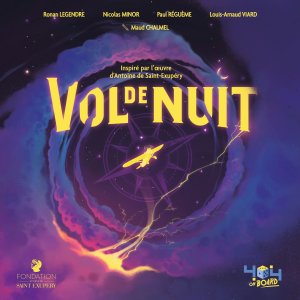
Cooperate through storms and fog to reach dawn.
90
minutes
Medium
View game
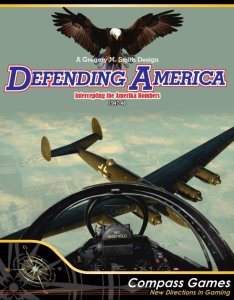
2021
Command an interceptor pilot and defend America in an alternate-history air war.
120
minutes
Medium
View game
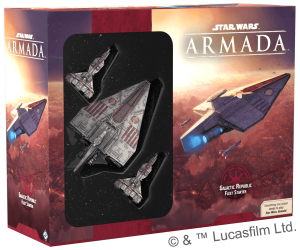
2020
Lead the Republic fleet with warships, clone pilots, and iconic upgrades.
120
minutes
View game
2019
Add a formidable Rebel assault fighter with a fully resculpted, feature-rich miniature.
45
minutes
View expansion
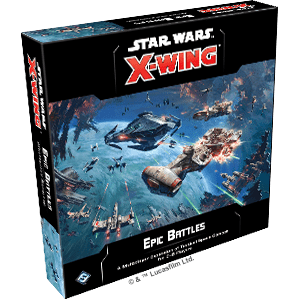
2019
Command starfighters in cinematic multiplayer battles for 2–8 players.
60
minutes
View expansion
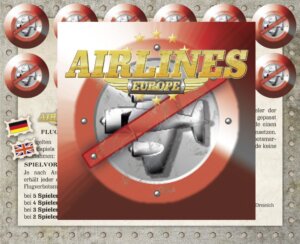
2011
Tighten the network with a strategic flight-ban blocking variant.
75
minutes
Medium
View expansion
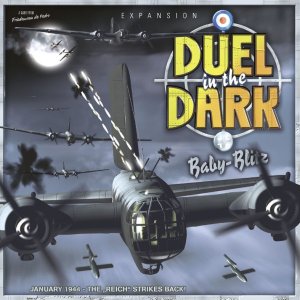
2008
Expand the night war with V1s, new bombers, and longer-range attacks.
45
minutes
Medium
View expansion
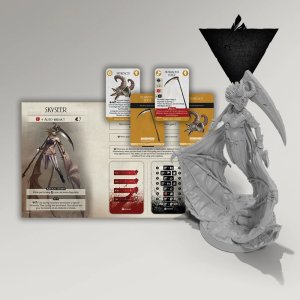
2022
A fast, mobile Titan born from the illusion of the Mnestis Theatre.
90
minutes
View expansion
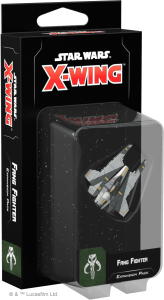
2018
Add a deadly Mandalorian Fang Fighter to your squadron
45
minutes
View expansion
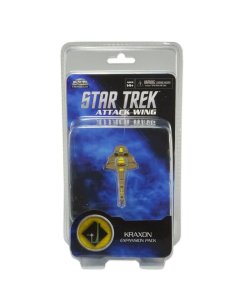
2013
Angle into attack positions with a broad arc and advanced Tech Upgrades.
30
minutes
Medium
View expansion
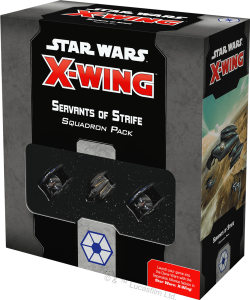
2018
Bring General Grievous and droid fighter swarms to your X-Wing battles.
45
minutes
View expansion
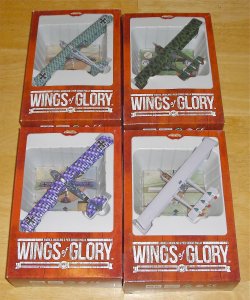
2012
Add massive WW1 bombers and new rules to your Wings of Glory battles.
45
minutes
Medium Light

View expansion
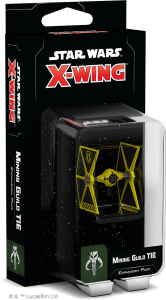
2018
Customize the iconic TIE design for new Mining Guild tactics
45
minutes
View expansion
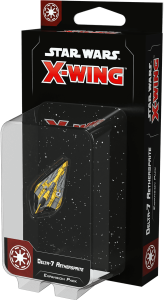
2018
Bring legendary Jedi pilots and a highly maneuverable craft to your Republic squadron.
45
minutes
View expansion
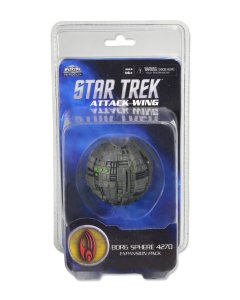
2014
Command a massive Borg scout ship from the fourth wave of Attack Wing expansions.
30
minutes
View expansion
An aviation-themed board game centers on the operation, tactical control, or logistics of airborne craft such as airplanes, helicopters, or airships. Rather than standard surface movement, these games typically incorporate flight dynamics like heading, speed, turning limits, altitude, or route efficiency. Gameplay spans tactical dogfights and precision landings to commercial airline network building.
Accessible flight games focus on breezy rules and quick turns rather than complex aeronautical physics. A light social press-your-luck adventure like Celestia plays well with up to 6 players, while Loopin’ Louie offers frantic, physical plane-deflecting fun suitable for kids as young as age 4. For older kids and casual groups, Overbooked delivers an approachable spatial puzzle themed around seating airline passengers.
Aviation works exceptionally well at two players because aerial duels and shared cockpits naturally suit head-to-head or cooperative pairs. In Sky Team, two players cooperate in silence as pilot and co-pilot to manage speed, axis tilt, and landing gear during a tense 20-minute descent. For competitive maneuvering, dogfight games like Star Wars: X-Wing Miniatures Game pit two opponents directly against each other using secret maneuver plotting.
Yes, aviation is one of the strongest board game genres for solo play due to its focus on operational planning, flight hazards, and mission profiles. Titles like Thunderbolt Apache Leader are built exclusively for a single player commanding close air support sorties against automated enemy targets. Dedicated solo wargames like RAF: The Battle of Britain 1940 and lighter solitary puzzles like Aerion provide deep solitaire experiences without requiring human opponents.
Aviation games emphasize momentum, turning radiuses, and spatial vectors rather than static terrain cover and zone-of-control lines. Planes cannot simply halt in mid-air, so players must commit to forward trajectories, anticipate minimum flight speeds, and manage changing altitudes. In historical tactical systems like Air Force, planning your next heading and energy state is just as vital as lining up your guns.
Yes, commercial aviation games focus on route building, fleet procurement, and route investment rather than combat. In Pan Am, players bid for airport landing rights, expand global flight connections, and sell lucrative paths to an expanding mega-airline. Similarly, Airlines Europe has players establish regional airline networks across the continent to build share value in competing transport companies.
Heavy flight simulations recreate authentic military operational planning, electronic warfare, and true three-dimensional physics. Games like Downtown: Air War Over Hanoi, 1965-1972 and The Burning Blue: The Battle of Britain, 1940 require players to coordinate radar networks, flight altitudes, flak suppression, and realistic fuel reserves. Sessions in these comprehensive simulations regularly run from 4 to 6 hours.
Play times vary dramatically depending on whether the game is a quick tactical skirmish or an operational flight campaign. Lighter and medium dogfight or cooperative games such as Wings of War: Famous Aces and Sky Team wrap up in roughly 20 minutes. Conversely, operational military titles like Flat Top and Whistling Death demand 4 to 6 hours due to extensive plotting and combat resolution charts.
A frequent beginner mistake is flying directly at your target at maximum throttle, which quickly causes your aircraft to overshoot or enter an opponent’s firing arc without an exit plan. Successful pilots anticipate where the target will be several moves ahead, taking turning radiuses and speed constraints into account. Failing to track energy, altitude, or available retreat vectors will leave your craft vulnerable to sudden counterattacks.
Designers simulate flight using maneuver templates, directional heading arrows, hidden movement dials, and dedicated resource tracks. In card-driven systems like Wings of War: Watch Your Back!, players place specific maneuver cards ahead of their aircraft miniatures to trace curving flight paths across the table. Other games use dice allocation, flight logs, and altitude chits to track airframe stress, fuel consumption, and dive speeds.
