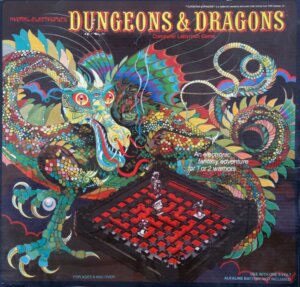
Dungeons & Dragons Computer Labyrinth Game
1980
Navigate a shifting electronic labyrinth, steal the treasure, and beat the dragon.
20
minutes
Medium Light

View game

Rules made simple, fun made easy!
The Electronic theme in board games centers on modern technology, circuitry, digital systems, and tech-driven production. Rather than just using battery-powered gadgets, these games explore the invention, management, and real-world impact of electronic networks and devices.
85 results
At its heart, the Electronic theme puts players in charge of high-tech infrastructure, silicon manufacturing, communications, or automated systems. It frequently overlaps with economic development, framing circuit boards, software, and computational power as valuable commodities that drive trade and modern civilization.
At the table, this focus translates into dynamic operational challenges. Players route signals, optimize data flows, or build out electronic grids, creating an atmosphere where logic, precision, and systemic efficiency are vital to winning.
This theme suits players who love systematic problem-solving, modern tech settings, and clever engine-building. The vast majority of these titles fall into the accessible light to medium-light range, making them approachable for casual groups and family game nights, though a solid core of medium-weight options exists for hobbyists who enjoy deeper logistical planning.
1980
Navigate a shifting electronic labyrinth, steal the treasure, and beat the dragon.
20
minutes
Medium Light
View game

2007
Roll the category, think fast, and pass the bomb with every answer.
25
minutes
Light

View game
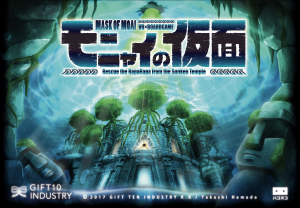
2017
Explore a sunken temple in VR, map its rooms, and rescue the mysterious Rapa Rapas.
60
minutes
Light
View game

1982
Dive for hidden treasure, beat the clock, and outwit rival pirates.
60
minutes
Medium Light
View game
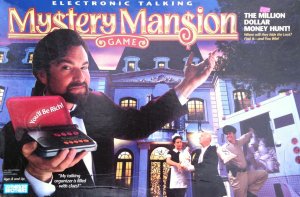
1995
Use electronic clues to deduce the hidden money and claim the win.
45
minutes
Light
View game

2024
Listen closely, arrange the story, and investigate a mysterious fishing boat.
60
minutes
Light
View game
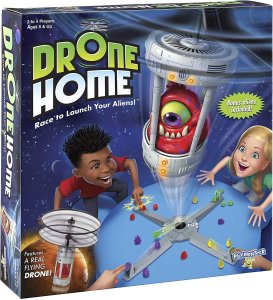
2020
Launch your aliens, survive the delay, and be first to send them all home.
15
minutes
Light
View game
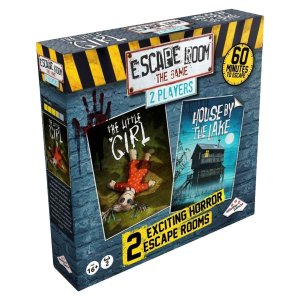
2020
Solve sinister puzzles together before the 60-minute countdown ends.
60
minutes
Medium

View game

1993
Explore a three-level dungeon with heroes, monsters, spells, and electronic narration.
60
minutes
Medium Light
View game
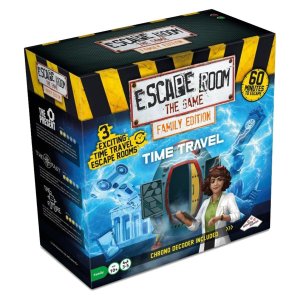
2021
Solve three time-traveling escape room adventures as a family
195
minutes
Medium
View game
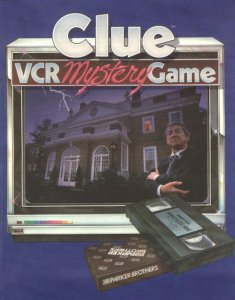
1985
Solve layered murders while uncovering every suspect's identity.
60
minutes
Medium Light
View game
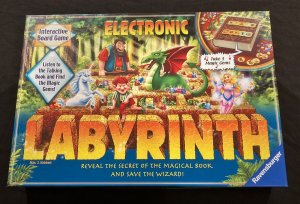
2011
Shift the maze, complete your magic key, and free the imprisoned wizard!
60
minutes
Medium Light
View game

2007
Bop the buzzing bumblebee and protect your honey discs!
10
minutes
Light
View game
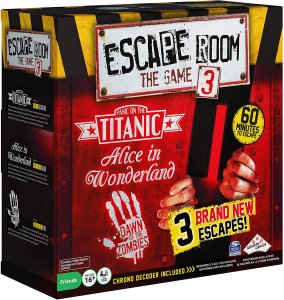
2020
Three new escape rooms, from the Titanic to Wonderland
60
minutes
Medium
View game

1989
Race through the mall, chase bargains, and buy six items first!
60
minutes
Light
View game
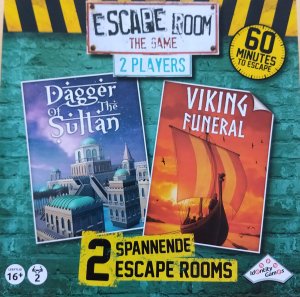
2021
Two escape room adventures for a focused two-player challenge.
60
minutes
Medium
View game
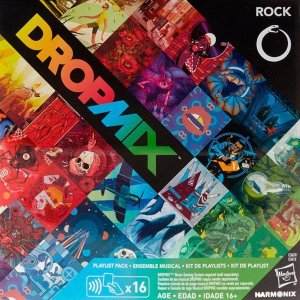
2017
A 2017 rock playlist with 15 cards and one hidden track card.
30
minutes
View expansion

2017
A 15-card electronic playlist featuring major artists and a hidden track.
30
minutes
View expansion

2017
A 15-card Hip-Hop playlist featuring Ginuwine, Outkast, and more.
30
minutes
View expansion
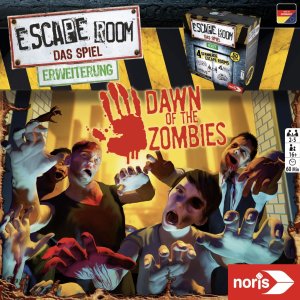
2019
Race through a zombie-filled city before evacuation becomes impossible.
Medium
View expansion

2016
A rare Artefact that brings unlocked beasts and fresh strategy to your world
30
minutes
View expansion
2018
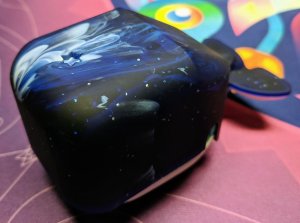
Stack the celestial whale, summon hybrids, and squish rival Beasts.
30
minutes
View expansion
2017
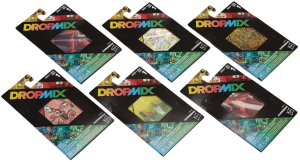
Expand your collection with six packs of music-mixing possibilities.
30
minutes
View expansion

2017
A casino-hopping escape-room challenge where getting caught is not an option.
60
minutes
Medium
View expansion

2017
Expand your music collection with six packs of mix-ready DropMix cards.
30
minutes
View expansion
The Electronic board game theme focuses on modern technology, circuitry, digital systems, and automated mechanisms. Games in this space explore high-tech operations such as routing data, debugging systemic failures, or utilizing integrated electronic components to drive gameplay. Rather than relying entirely on manual book-keeping, these titles frequently challenge players with systematic problem-solving and modern technical infrastructure.
While Science Fiction often leans into speculative space travel, alien cultures, and futuristic lore, the Electronic theme centers tightly on functional digital infrastructure, networks, and tech devices. The thematic stakes in Electronic games focus on signal routing, circuitry, system administration, and real-time computation. Many designs also feature physical technology at the table, using electronic sound modules, digital timers, or robotic elements directly in play.
For an easy entry point, Tapple offers fast-paced word deduction with a simple battery-powered electronic wheel for ages 8 and up. Younger children can jump into Loopin’ Louie, which uses a motorized plane and plays in about 10 minutes for players as young as age 4. Another quick family favorite is Bugs in the Kitchen, featuring a scurrying electronic bug that moves through an adjustable maze in 15 to 20 minutes.
Yes, experienced hobbyists can explore heavier titles that integrate companion apps or complex tech operations into long-term planning. Beyond Humanity: Colonies delivers a Medium Heavy experience lasting 60 to 180 minutes for ages 16 and up, utilizing smart components to simulate planetary settlement management. Another heavier option is Escape Room: The Game – Virtual Reality, which blends analytical puzzle-solving with virtual digital environments across an intense 60-minute session.
Many Electronic board games scale smoothly to two players or are designed specifically for that count. For example, Khet: The Laser Game is a dedicated 2-player spatial abstract that lasts 20 minutes and uses real built-in lasers bouncing off mirrored pieces. For cooperative play, Rising 5: Runes of Asteros is an app-assisted code-breaking deduction game that plays best with a duo in about 30 minutes.
Several titles in this category include official solo modes, particularly because digital components and automated systems can manage the opposition. Cooperative designs like Space Alert and Return to Dark Tower support 1 to 4 or 5 players, allowing solo participants to run operations against the game’s programmed threats. These setups let a single player tackle logistical timing and troubleshooting without needing a live human opponent.
Playtimes range widely depending on complexity, but most casual titles finish in under 30 minutes. Real-time escape and action games like Escape: The Curse of the Temple finish in an exact 10-minute sprint driven by an audio soundtrack. More involved titles, such as Dark Tower and Forbidden Sky, range from 60 to 90 minutes as players route circuits or navigate larger operational campaigns.
Common mechanisms include grid movement, deductive code-breaking, circuit building, and real-time coordination. In games like Forbidden Sky, players literally assemble a working electrical circuit with conductors and switches on the board to launch a rocket. In classic titles like Stop Thief, electronic audio cues drive movement deduction across an urban layout.
Focus on efficient communication and clear prioritization whenever real-time timers or automated systems are in play. In high-pressure games like The Omega Virus or Space Alert, the game’s relentless digital pacing will punish hesitations and conflicting actions. Assign clear roles to teammates and solve immediate structural bottlenecks before chasing optional bonuses.
A frequent mistake is tunnel vision, where players get caught up reacting to loud system alerts or flashing lights while neglecting long-term logistical maintenance. In tech-driven puzzle games such as Escape Room: The Game, teams often obsess over a single clue and lose valuable minutes. Stepping back to assess available resources, remaining time, and secondary objectives prevents systemic collapses.
Not necessarily; the theme spans classic standalone electronics as well as modern digital app integration. Historic games like the 1981 classic Dark Tower and the mystery title Clue FX use self-contained electronic centerpieces with physical buttons and speakers. While newer entries often leverage companion apps or Bluetooth towers, many titles rely entirely on mechanical switches, lasers, or internal timers with no external device required.
