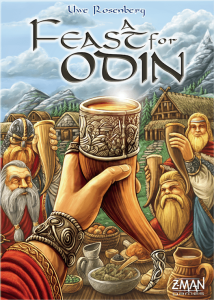
A Feast for Odin
2016
Raid, trade, explore, and build a fortune in the Viking age
120
minutes
Medium Heavy

View game

Rules made simple, fun made easy!
The farming theme centers on agricultural life, challenging players to cultivate crops, raise livestock, and manage land to build a prosperous rural estate.
551 results
At its heart, the farming theme is about nurturing growth through steady, methodical planning. Players step into the boots of landowners or homesteaders who must balance seasonal rhythms, sow seeds, breed animals, and convert raw harvests into food, goods, or wealth. It shifts the focus away from conquest and warfare toward sustainable production and stewardship.
At the table, this setting creates a uniquely satisfying tactile experience. Watching an empty plot of land evolve into a flourishing network of fenced pastures, tilled fields, and bustling farmhouses gives players a clear, visible sense of accomplishment as every harvested grain and newborn animal directly reflects their past choices.
Farming games are ideal for planners, puzzle solvers, and eurogame enthusiasts who enjoy economic optimization over direct aggression. The vast majority of these titles sit firmly in the moderate-to-challenging complexity range, requiring patience and forward planning, though accessible family-weight options and ultra-heavy operational simulations also exist for specific tastes.
2016
Raid, trade, explore, and build a fortune in the Viking age
120
minutes
Medium Heavy
View game
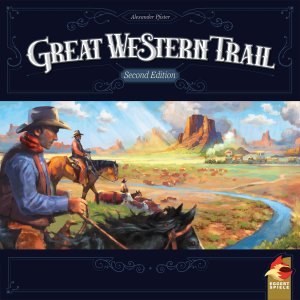
2021
Herd valuable cattle, build wisely, and master the trail to victory.
150
minutes
Medium Heavy
View game
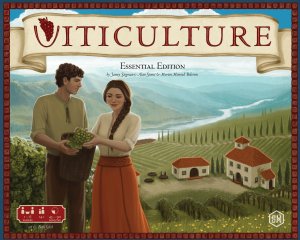
2015
Build a Tuscan winery through seasonal worker placement and clever planning.
90
minutes
Medium

View game

2002
Grow crops, build wisely, and ship goods for victory points.
150
minutes
Medium Heavy
View game
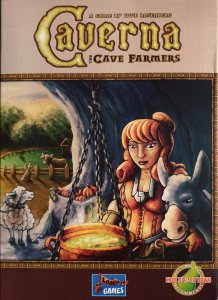
2013
Build a thriving mountain home through farming, mining, and daring expeditions.
210
minutes
Medium Heavy
View game
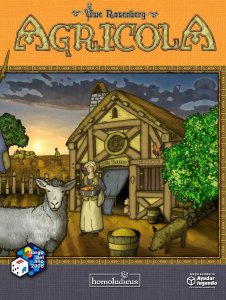
2007
Build your farm, manage scarce actions, and raise your score.
150
minutes
Medium Heavy
View game
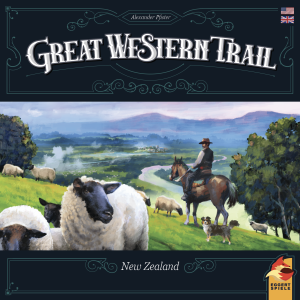
2023
Guide your sheep station to prosperity along a winding trail to Wellington
150
minutes
Medium Heavy
View game
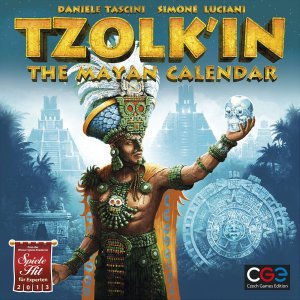
2012
Place workers, turn the gears, and guide your tribe toward victory.
90
minutes
Medium Heavy
View game
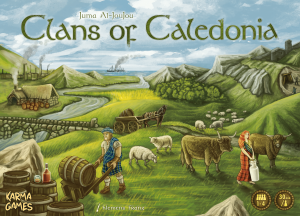
2017
Build a Scottish clan empire through production, trade, exports, and whisky.
120
minutes
Medium Heavy
View game

2016
Build a thriving farm while feeding and growing your family.
120
minutes
Medium Heavy
View game

2014
Shape a prosperous farm through changing seasons in East Frisia
120
minutes
Medium Heavy
View game

2011
Grow crops, develop San Juan, and ship goods for victory points.
150
minutes
Medium Heavy
View game
2019
Expand your Scottish clan, manage resources, and shape your path to victory.
120
minutes
Medium Heavy
View game
2011
Guide a family through ambition, hardship, and the passage of time.
90
minutes
Medium Heavy
View game
2014
Develop your farm, deliver goods, and compete for Mallorca’s top estate.
120
minutes
Medium Heavy
View game
2020
Build village wealth through farming, sheep breeding, cards, and clever worker placement.
140
minutes
Medium Heavy
View game
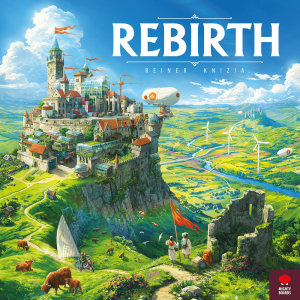
2024
Rebuild Scotland through strategic tile placement and clan rivalry.
60
minutes
Medium Light

View game
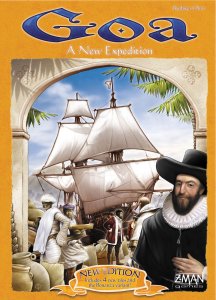
2004
Auction spices, ships, and upgrades in a race for profitable progress.
90
minutes
Medium Heavy
View game
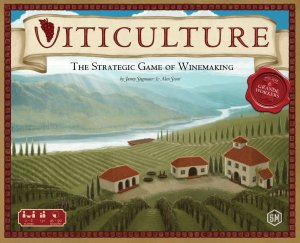
2013
Plant vines, fill orders, and build Tuscany’s most successful winery.
90
minutes
Medium
View game
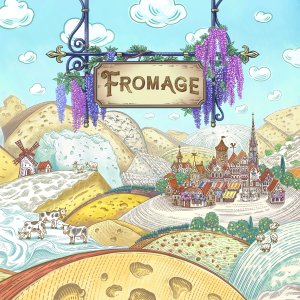
2024
Craft, age, and sell exceptional cheese in a rotating worker-placement game.
45
minutes
Medium
View game

2017
Balance fertile gardens, helpful monks, and masterful brewing.
90
minutes
Medium Heavy
View game

2015
Build a thriving village above ground and uncover adventures below.
90
minutes
Medium
View game
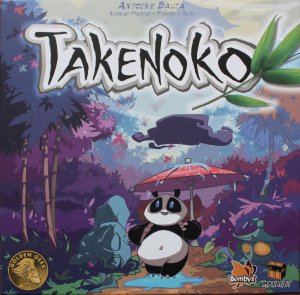
2011
Cultivate bamboo, satisfy a hungry panda, and tend the Imperial garden.
45
minutes
Medium Light
View game
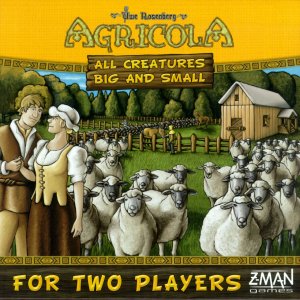
2012
Build pastures, raise animals, and outscore your rival
30
minutes
Medium
View game

2025
Build, govern, and prosper through strategic roles on the island.
120
minutes
Medium
View game
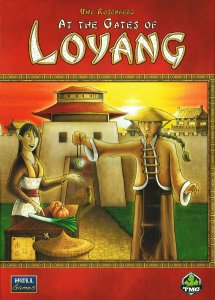
2009
Plant, trade, and invest your earnings to reach the top of the scoring track.
120
minutes
Medium Heavy
View game

2021
Build a new life, develop a community, and race across the lake.
160
minutes
Medium Heavy
View game
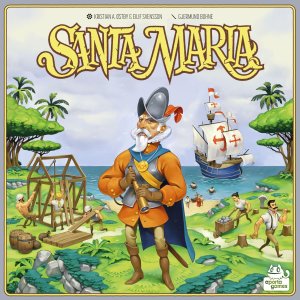
2017
Draft migrant-worker dice to grow a thriving colony.
90
minutes
Medium Heavy
View game
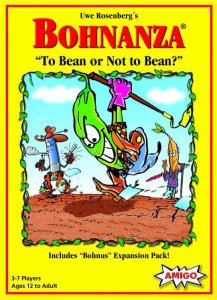
1997
Plant, trade, and harvest your way to the richest bean fields.
45
minutes
Medium Light
View game
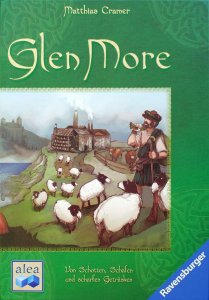
2010
Expand your Scottish clan, grow wealth, and time every territory choice.
60
minutes
Medium
View game

2023
Build a thriving Majorcan farm through clever cards, dice, and deliveries.
120
minutes
Medium Heavy
View game

2013
Build prestige on Madeira through farming, trade, expeditions, and urban growth.
150
minutes
Heavy

View game
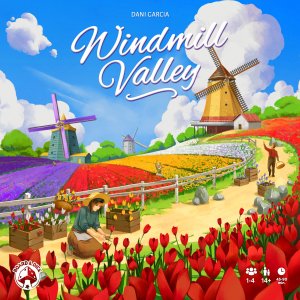
2024
Grow tulips, build windmills, and turn clever wheel choices into a thriving enterprise.
90
minutes
Medium Heavy
View game
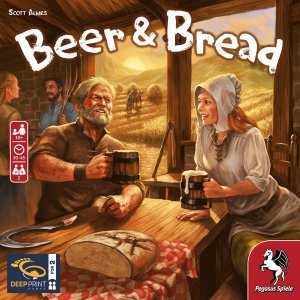
2022
Draft cards, manage resources, and balance your village’s beer and bread.
45
minutes
Medium
View game

2022
Cultivate crops, build your homestead, and turn clever dice choices into points.
60
minutes
Medium
View game

2010
Build vineyards, produce quality wines, and earn prestige across Portugal.
135
minutes
Heavy
View game
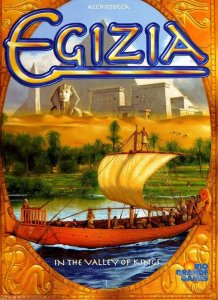
2009
Build monuments, manage the Nile, and outscore rival builders.
90
minutes
Medium
View game
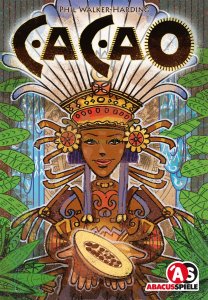
2015
Cultivate, trade, and lead your tribe to prosperity.
45
minutes
Medium Light
View game
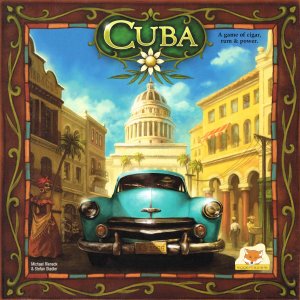
2007
Build wealth, shape laws, and ship goods in pre-revolutionary Cuba.
120
minutes
Medium Heavy
View game

2012
Lead an ant colony through three years of growth, foraging, and survival.
120
minutes
Medium Heavy
View game
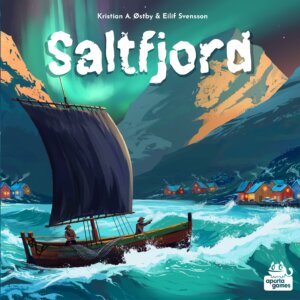
2024
Build, fish, trade, and pioneer new technologies in a changing Norwegian village.
90
minutes
Medium Heavy
View game

2009
Harvest Mallorca’s fruits and race to deliver them before your rivals.
45
minutes
Medium
View game
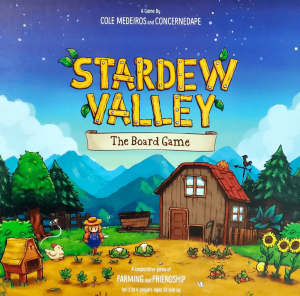
2021
Farm, fish, explore, and restore the Valley together before time runs out.
150
minutes
Medium
View game
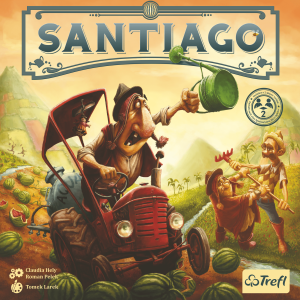
2003
Cultivate fields, bargain for water, and turn clever ownership into points.
75
minutes
Medium
View game

2017
Expand your mountain home, build wisely, and uncover precious metals.
40
minutes
Medium
View game

2014
Crossbreed peppers, harvest the heat, and satisfy Scoville’s hungry town.
90
minutes
Medium
View game
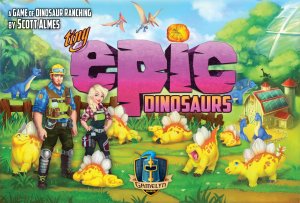
2020
Build, breed, and manage a prehistoric farm under pressure.
60
minutes
Medium
View game

2021
Build Fair Trade coffee networks and rise as the world's greatest trader.
150
minutes
Heavy
View game

2016
Expand Viticulture with four seasons, new structures, and special workers
150
minutes
Medium Heavy
View expansion
2018
Expand your Viking strategy with new actions, puzzles, islands, and buildings.
120
minutes
Medium Heavy
View expansion
2009
Expand your farm with horses, fuel, forests, peat, and new improvements.
200
minutes
Medium Heavy
View expansion
2013
Lead a unique tribe and prepare for prophecies that can change your score.
90
minutes
Medium Heavy
View expansion

2014
Uncork layered expansions and build a thriving vineyard in Tuscany.
120
minutes
Medium Heavy
View expansion

2018
A fresh set of 80 visitors focused on the wine business
90
minutes
Medium
View expansion

2013
Add beer, influential villagers, and a fifth player to the village.
120
minutes
Medium
View expansion

2016
Add 40 new visitors to any version of Viticulture.
90
minutes
Medium
View expansion

2015
Welcome a female panda and discover new ways to grow bamboo.
Medium Light
View expansion

2014
Set sail, trade goods, seek treasure, and pursue a unique career.
90
minutes
Medium Heavy
View expansion
2018
Eight species packs bring new powers, rooms, and resources to Caverna.
210
minutes
Medium Heavy
View expansion

2004
Expand Puerto Rico with forests and fourteen distinctive new buildings.
90
minutes
Medium Heavy
View expansion
2017
Energize farm work with tea, trading, fishing, and a third player.
150
minutes
Medium Heavy
View expansion
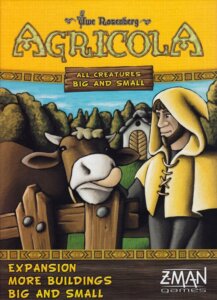
2012
Expand your farm with 27 special buildings, a fifth Stall tile, and more.
30
minutes
Medium
View expansion
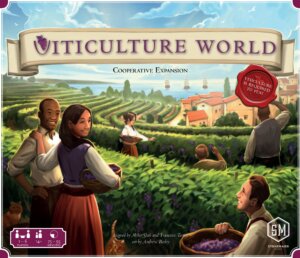
2022
Work together across asymmetric regions to earn global recognition
120
minutes
Medium Heavy
View expansion
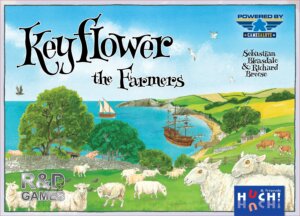
2013
Expand your village with farms, fields, wheat, and breeding animals.
120
minutes
Medium Heavy
View expansion
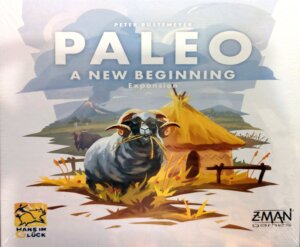
2021
Face new dangers, master new tools, and build a more settled future.
60
minutes
Medium Heavy
View expansion

2009
A presidential arrival adds roles, laws, buildings, and tactical board effects.
120
minutes
Medium Heavy
View expansion
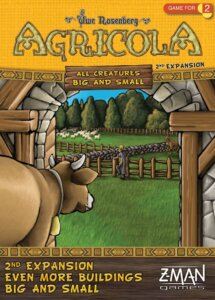
2013
Add 27 new buildings, a fifth Stall tile, and a farm expansion.
30
minutes
Medium
View expansion
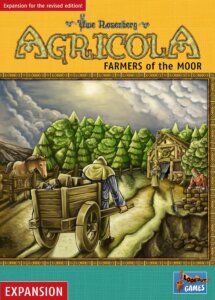
2018
Bring horses, fuel, and home heating to your Agricola farm.
120
minutes
Medium Heavy
View expansion
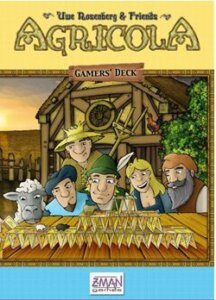
2010
A community-tested card expansion with 119 new cards for Agricola.
150
minutes
Medium Heavy
View expansion
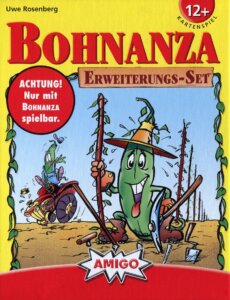
2001
Add new beans and order cards to your Bohnanza card game.
60
minutes
Medium Light
View expansion
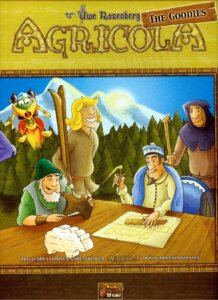
2010
Add quirky decks, themed boards, stickers, and distinctive wooden meeples to Agricola.
120
minutes
Medium Heavy
View expansion
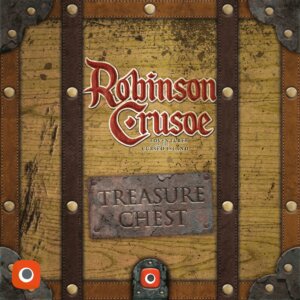
2020
A huge collection of promos, new content, and four additional scenarios
120
minutes
Medium Heavy
View expansion
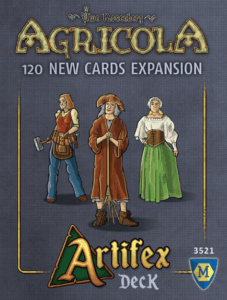
2017
Add 120 occupations and minor improvements to revised Agricola.
120
minutes
Medium Heavy
View expansion
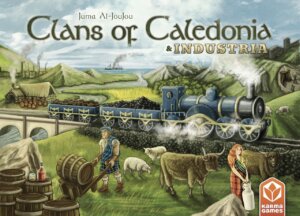
2025
Expand your Scottish strategy with railroads, new modules, and fresh scoring paths.
120
minutes
Medium Heavy
View expansion
2012
Add a granary and cistern to your Mayan strategy.
90
minutes
Medium Heavy
View expansion

2013
Add a fast-scoring monument and a risky new starting wealth option.
90
minutes
Medium Heavy
View expansion
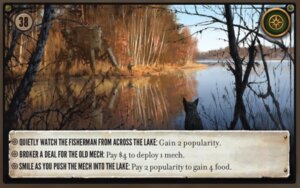
2016
A lake encounter with three choices: popularity, a mech, or food.
115
minutes
Medium
View expansion
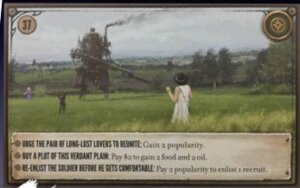
2016
A three-choice encounter featuring lost lovers, a verdant plain, and a soldier.
115
minutes
Medium
View expansion
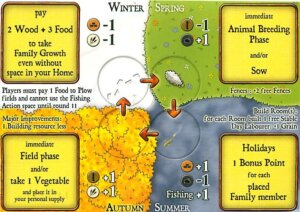
2008
A seasonal Agricola mini expansion with new actions and resource tweaks
120
minutes
Medium Heavy
View expansion
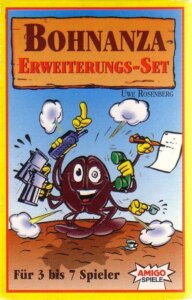
1997
Add new bean types and tailor the deck for different player counts.
45
minutes
Medium Light
View expansion

2018
Add 120 occupations and minor improvements to revised Agricola.
120
minutes
Medium Heavy
View expansion
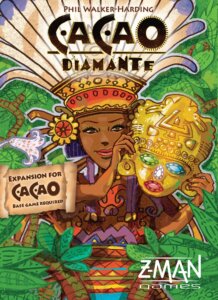
2017
Four modular additions expand your Cacao experience with gems, trees, favors, and workers.
60
minutes
Medium
View expansion
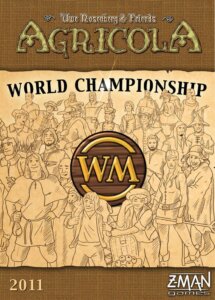
2011
A 115-card Agricola set with five mini-decks and flexible drafting options
180
minutes
Medium Heavy
View expansion
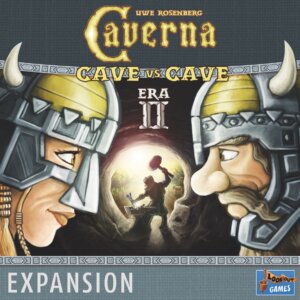
2018
Mine ore, forge iron, and expand your thriving mountain cave.
60
minutes
Medium
View expansion
2008
A 24-card promotional expansion with Occupations and Minor Improvements
120
minutes
Medium Heavy
View expansion
2019
Add 120 new improvements and occupations to your Agricola card pool.
120
minutes
Medium Heavy
View expansion
2013
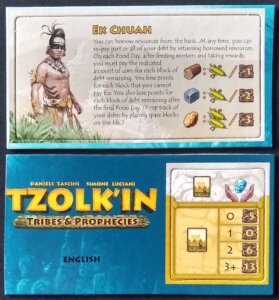
Add Ek Chuah and a new prophecy to your Tzolk'in experience.
90
minutes
Medium Heavy
View expansion
2016
Add personal labs, new recipes, and deeper pepper-breeding choices.
90
minutes
Medium Heavy
View expansion
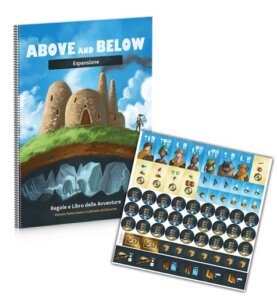
2015
Add more stories and encounter events to the explore action.
Medium
View expansion
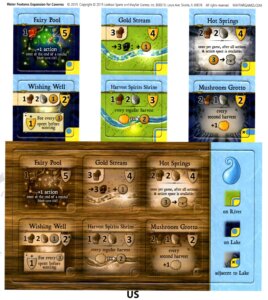
2015
Add six location-specific furnishings to your Caverna Home board.
120
minutes
Medium Heavy
View expansion
2020
Expand the WizKids D-Deck with 108 additional Agricola cards.
120
minutes
Medium Heavy
View expansion
2016
Bring more farmers, components, and fresh cards to the farmyard.
120
minutes
Medium Heavy
View expansion
2008
Add 24 Austria-themed cards to Agricola
120
minutes
Medium Heavy
View expansion
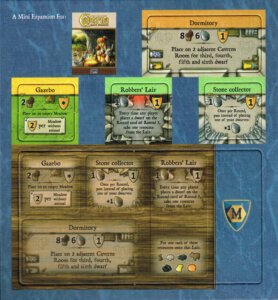
2014
Four new furnishings and an extra tile for Caverna’s cave farmers
210
minutes
Medium Heavy
View expansion

2004
Expand Bohnanza with new beans, buildings, fields, and special orders.
60
minutes
Medium
View expansion
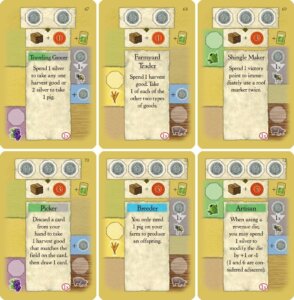
2015
Six numbered promotional cards for the second edition
120
minutes
Medium Heavy
View expansion
A farming board game centers on cultivating land, raising animals, and harvesting resources rather than waging war or conquering territory. Players generally manage a farmstead by planting crops, breeding livestock, and processing raw agricultural yields into higher-value trade goods or victory points. These games emphasize careful seasonal planning, steady engine building, and sustainable stewardship.
Approachable titles with gentle rules and tactile boards make the best entry points. For family play, Takenoko offers an engaging balance of plot cultivation and bamboo harvesting suitable for players ages 8 and up. Quick dice-and-card alternatives like Harvest Dice and the tile-laying game Cacao deliver the satisfying feeling of agricultural management in 15 to 45 minutes without overwhelming rulebooks.
Yes, agricultural themes naturally suit solo play because optimizing yields and managing spatial layouts make compelling personal puzzles. Dedicated pocket-sized games like Orchard: 9 card solitaire game and its companion Grove: 9 card solitaire game are built exclusively for a single player to cultivate fruit trees in under 10 minutes. Larger farming titles often include robust solo modes where you compete against past high scores.
Several farming games are tailored directly for head-to-head competition. A standout example is Agricola: All Creatures Big and Small, which focuses entirely on breeding horses, cows, sheep, and pigs on a tight 30-minute timer for exactly two players. It distills the spatial puzzle of fencing pastures and expanding barns into an efficient duel without the heavy feeding stress of larger farming simulations.
Experienced hobbyists gravitate toward heavy economic titles with intricate supply chains and demanding worker placement. Agricola and Caverna: The Cave Farmers present deep strategic choices where players balance farm improvements against tight feeding rounds. For even heavier logistics and global trade, Coffee Traders challenges players to build plantations and manage coffee cooperatives across intensive two-hour sessions.
Playtime varies widely depending on complexity, ranging from 10-minute microgames to 3-hour operational epics. Lighter titles like Abandon All Artichokes wrap up in roughly 20 minutes, while mid-weight vineyard management in Viticulture Essential Edition typically lasts 45 to 90 minutes. Complex simulations featuring multi-tiered production chains easily run between 90 and 150 minutes.
Worker placement and tile laying are the two most prominent mechanics in this genre. Players regularly send workers to communal board spots to claim seeds, plow land, or gather building supplies before opponents can take them. Many titles also feature engine building, spatial grid management on personal player mats, and resource conversion chains that turn raw crops into food or profit.
Certain agricultural games include strict feeding and upkeep cycles that inflict harsh score penalties if your farm underperforms. In unforgiving systems, a single mismanaged season can leave your family without food, forcing you into emergency actions that derail long-term infrastructure plans. However, many modern farming designs soften these requirements or eliminate recurring maintenance penalties entirely to create a more relaxed experience.
Interaction in farming games tends to be indirect rather than aggressive, though high-interaction exceptions exist. Most tension comes from drafting coveted action spaces, snapping up limited animal stock, or racing for shared bonus objectives on a communal board. In card-driven trading games like Bohnanza, active negotiation and crop trading with opponents are essential to winning.
Establish a reliable food or income engine during the early rounds before heavily investing in end-game scoring bonuses. Generating basic resources efficiently early on frees your future workers to focus on specialized buildings, crop variety, and herd expansion. Be mindful not to overspecialize too soon, as many agricultural scoring systems reward well-rounded farms with diverse crops and multiple animal pairs.
© Board Game Rules - All rights reserved · Privacy Policy