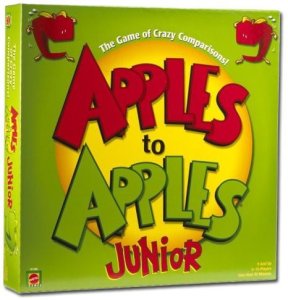
Apples to Apples Junior
2002
A kid-friendly card game with simple words for family play.
30
minutes
Light

View game

Rules made simple, fun made easy!
Word games challenge players to create, decipher, or connect words using limited letters, clues, or linguistic constraints. They test vocabulary, lateral thinking, and communication skills rather than tactical board positioning.
252 results
At its core, a Word Game centers on language as the primary puzzle. Players manipulate letters, give associative clues, or race to identify hidden terms before their opponents do. Whether spelling out high-scoring combinations from a shared pool of tiles or giving one-word hints to guide teammates, the focus remains squarely on verbal dexterity and deduction.
At the table, these games generate high engagement because language is universally familiar, yet endlessly flexible. The tension rarely comes from reading complex rulebooks, but rather from the mental race against time or the satisfaction of finding clever connections that your group immediately understands.
Word games are overwhelmingly light and accessible, making them a staple for family gatherings, casual game nights, and lively social parties. While some titles introduce medium-weight deduction or cooperative coordination, the vast majority can be learned in minutes. They are ideal for players who enjoy social interaction and mental puzzles over heavy tactical rules, though groups with significant differences in reading fluency or native languages may find them harder to balance fairly.
2002
A kid-friendly card game with simple words for family play.
30
minutes
Light
View game
2012
Bluff, vote, and race to the finish with words and pictures.
60
minutes
Light
View game
2012
Flip letters, spot matches, and shout the right word first!
20
minutes
Light
View game
1993
Craft concise clues, race to guess seven category words, and outscore the rival team.
45
minutes
Medium Light

View game
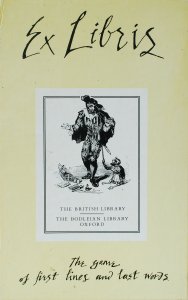
1991
Bluff your way to literary fame with fake first and last lines.
30
minutes
Medium

View game
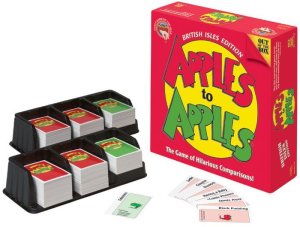
2007
A British Isles-themed family and party card game for 4-10 players.
30
minutes
Light
View game
2019
Race to match themes with words that begin with the letters you roll.
15
minutes
Light
View game
1990
Build clever words, chase color combos, and cancel your rivals’ biggest scores.
30
minutes
Medium
View game
1999
Complete famous book openings, then spot the real ending.
20
minutes
Medium
View game
2012
Spot the circular word before your opponents and collect the card.
30
minutes
Light
View game
2021
Build themed words from syllables and challenge the interpreter to match them.
20
minutes
Light
View game
2005
Build words, chase points, and use every letter wisely.
60
minutes
Medium Light
View game
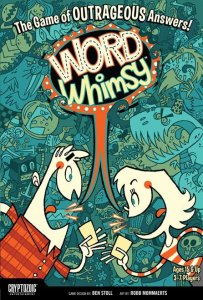
2013
Build clever themed phrases from word cards and win the judge's points.
30
minutes
Light
View game
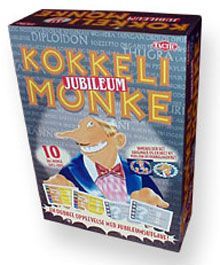
2000
Two Balderdash experiences in one box, with 4,800 questions to explore.
60
minutes
Light
View game
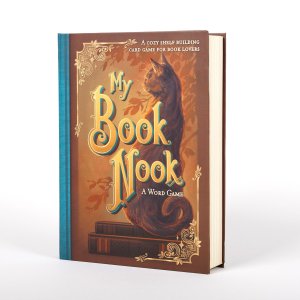
2026
Spell cozy words, style your shelf, and build the nook worth the most points.
45
minutes
Medium
View game
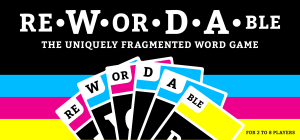
2017
Build, extend, and steal words while chasing changing rewards.
30
minutes
Light
View game
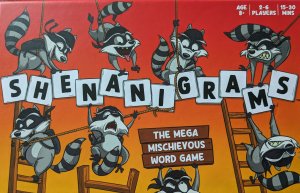
2023
A sneaky race to build, steal, and claim words before your rivals.
30
minutes
Light
View game
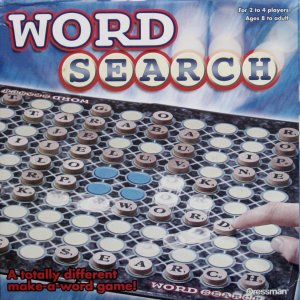
1988
Slide letters, build words, and multiply letter values by word length.
45
minutes
Medium
View game
2022
Buy clever clues, trust your hunches, and guess the secret words!
60
minutes
Medium
View game
2021
Give clever clues, guide your teammate, and keep opponents guessing.
30
minutes
Light
View game
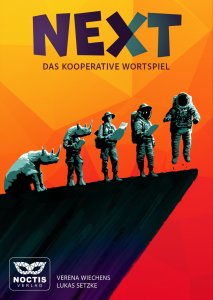
2025
Build the clues, follow the letters, and uncover the team's chain of thought.
30
minutes
Medium Light
View game
2016
Ten double-sided promo cards add fresh word choices to Codenames.
45
minutes
Light
View expansion
1993
Add 500 cards and 3,000 new entries to lively Articulate sessions.
60
minutes
Light
View expansion
2017
A Polish mini-expansion with 10 cards and 20 new codenames
30
minutes
View expansion
A word game focuses on language, vocabulary, and verbal deduction as its central puzzle rather than tactical board movement or resource management. Players manipulate letters into anagrams, construct words from tiles or cards, or deliver associative clues under strict communication limits. Games in this genre prioritize lateral thinking, pattern recognition, and shared linguistic understanding across the table.
Approachable party titles with simple rules and quick turns are ideal for newcomers and mixed-generation groups. Cooperative options like Just One let players work together to guess mystery words with minimal setup, making it accessible for ages 8 and up. Alternatively, Codenames offers an intuitive, team-based clue-giving challenge that plays smoothly in about 15 minutes.
Yes, many word games thrive specifically at two players, offering tense head-to-head duels or focused cooperative coordination. For instance, Codenames: Duet is tailored specifically for 2 players, requiring partners to reveal all hidden agents before running out of turns. Classic tile-placement games like Scrabble and Upwords are also community-rated best at 2, where turns move briskly and spatial control remains tight.
Tile-spelling games focus on letter manipulation and spatial grid scoring, whereas word association games focus on linguistic deduction and shared references. In titles like Big Boggle, you race to assemble distinct words from a letter matrix, testing raw anagramming speed under pressure. In contrast, games like Decrypto test your ability to broadcast coded hints to teammates without letting your opponents intercept the secret keywords.
Yes, several modern word games replace cutthroat competition with shared deduction and collective scoring. In Letter Jam, players cooperate to deduce their own hidden letters based on spelling clues given by their teammates. Games like Just One also unite the whole table to chase a high score by eliminating duplicate clues and helping the guesser succeed.
While most word games emphasize social or competitive interaction, some modern designs feature dedicated solo rules. For example, Hardback supports 1 to 5 players and includes automated opponent mechanics that challenge an individual player to spell words and draft cards against an automated system. This allows solo enthusiasts to enjoy the deck-building and word-crafting puzzle entirely at their own pace.
Team-based clue games that accommodate high player counts with minimal downtime work best for large social gatherings. Concept scales up to 12 players as teams guess words and phrases purely through visual icons on a shared board. Similarly, Apples to Apples accommodates up to 10 players in a fast comparison format where simple vocabulary and humor take center stage.
Session lengths vary from rapid ten-minute bursts to methodical 90-minute board struggles depending on the underlying format. Fast-paced titles like Big Boggle and Codenames finish in roughly 10 to 15 minutes per round. Conversely, tile-heavy classics like Scrabble and Upwords can run up to 90 minutes as players optimize spatial placement and bonus squares.
Groups can balance skill discrepancies by choosing cooperative titles, team-based games, or designs centered on creative association rather than dictionary size. In team formats, pairing less experienced spellers with confident speakers ensures everyone contributes to the brainstorming process without pressure. Alternatively, games with symbolic or translation twists like First Contact shift the focus toward deciphering visual alien symbols rather than demanding an expansive real-world vocabulary.
The most common mistake is hunting endlessly for the longest possible word, which stalls the table and often scores fewer points than playing a shorter word on a premium multiplier space. In spatial and deck-building designs, board position and resource efficiency frequently outweigh dictionary size. In clue-giving games, attempting to connect too many disparate concepts with an overly obscure hint often backfires by confusing your teammates.
Many modern designs blend word generation with classic hobby mechanics like deck-building, card drafting, and economic engines. For example, Paperback integrates anagram construction with deck-building, allowing players to purchase stronger letter abilities and wild cards to fuel their engine. Similarly, Letter Tycoon introduces patent acquisitions, rewarding players with royalties whenever opponents use letters they own.
