Zipang Portable
2016
A fast-paced Sengoku card game of strategy, heroes, and Shogun power.
20
minutes
Medium Light

View game

Rules made simple, fun made easy!
Campaign or Battle Card Driven is a mechanic where multi-use cards dictate board operations, triggering specific historical or narrative events, funding military maneuvers, or resolving combat outcomes. Instead of free-form action selection, players must adapt their high-level strategy to the shifting tactical options drawn into their hands.
904 results
At its core, this system replaces generic action points with dynamic hands of cards that represent historical developments, logistical supplies, or sudden battlefield gambits. Each card typically offers a trade-off: spend it for standard operational value—such as marching troops, recruiting reinforcements, or establishing influence—or trigger its printed event text for a powerful, context-specific effect.
At the table, this dynamic injects intense hand management and psychological tension into grand strategy. You rarely have the resources to execute an ideal plan, forcing you to prioritize critical fronts while making the most of imperfect operational windows. The mechanic provides rich historical flavor and narrative surprises without requiring massive rulebooks for every unique circumstance.
Unpredictable occurrences impact the game, requiring adaptation.
698 gamesDecisions and actions permanently change the game over multiple plays.
90 gamesPlayers make choices in a branching storyline.
209 gamesThe game is played across linked missions or scenarios.
1,139 gamesNarrative plays a significant role in gameplay.
756 gamesThis mechanism primarily targets intermediate and experienced hobbyists who enjoy meaty conflict simulation, hand management, and tactical improvisation. The vast majority of titles utilizing this system fall into the medium to medium-heavy complexity range, making them demanding for beginners but rewarding for dedicated duos and strategic gaming groups. If your table enjoys tense mind games, thematic drama, and adapting to unpredictable circumstances rather than following rigid opening scripts, this mechanic will resonate strongly.
2016
A fast-paced Sengoku card game of strategy, heroes, and Shogun power.
20
minutes
Medium Light
View game
1995
A highly detailed tactical simulation of the 1812 Battle of Salamanca
2400
minutes
Medium Heavy

View game
2024
Command a card-driven solitaire invasion in the brutal battle for Iwo Jima.
60
minutes
Medium Light
View game
2022
Command Civil War brigades through four fast, tactical battles.
240
minutes
Medium

View game
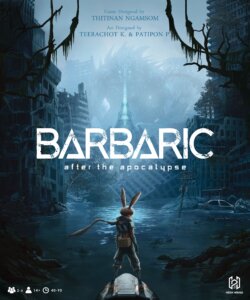
2023
Survive the wasteland, outplay rivals, and seize the atomic core.
90
minutes
Medium
View game
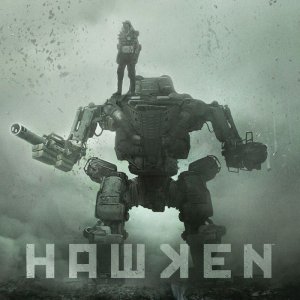
2014
Race to arm your Mech, manage heat, and strike before your opponent does.
30
minutes
Light

View game
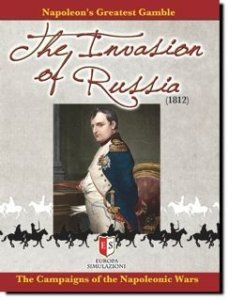
2014
Command sweeping Napoleonic manoeuvres across a war-torn Russia.
960
minutes
Medium
View game
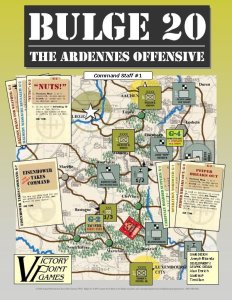
2009
Plan the Ardennes offensive from headquarters and outmaneuver your opponent.
75
minutes
Medium
View game
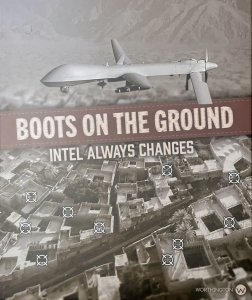
2010
Lead an elite team through urban danger and complete the mission.
90
minutes
Medium Light
View game
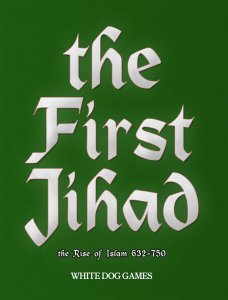
2020
Defend a host of nations against the rise of the Muslim Caliphate.
120
minutes
Medium Heavy
View game
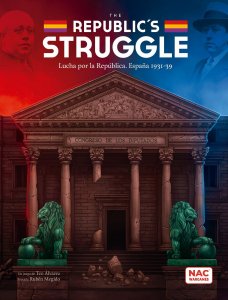
2025
Shape Spain’s turbulent republic through politics, armies, diplomacy, and conflict.
240
minutes
Medium Heavy
View game
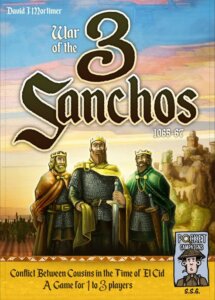
2024
Fortify castles and towers to outscore rival Sanchos.
45
minutes
Medium
View game
2020
Command your cards, control countries, and outscore your rival.
30
minutes
Medium
View game
2008
A fast, card-driven grand strategy of the American Civil War
180
minutes
Medium
View game
2023
Solve time-bending puzzles and stop Professor Knix across alternate realities.
150
minutes
Light
View game
2016
A two-player WWII campaign across Western Europe, from Tunis to final surrender.
240
minutes
Medium Heavy
View game
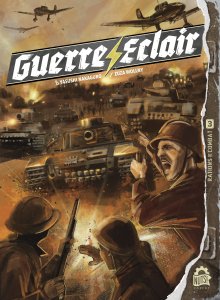
2019
A tense two-player card-driven struggle across the Battle of France
60
minutes
Medium Light
View game
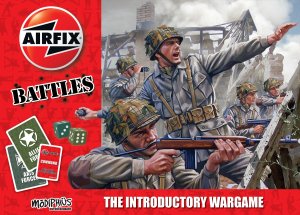
2016
Build your force, issue commands, and bring WWII battles to the table.
60
minutes
Medium Light
View game
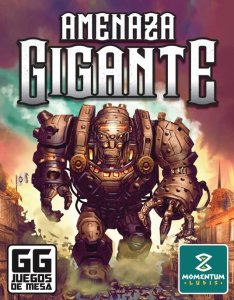
2024
Three heroes face a relentless machine before the city falls.
25
minutes
Medium
View game
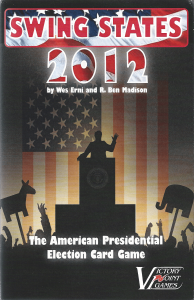
2012
Navigate money, momentum, debates, and scandals in a solo presidential campaign.
40
minutes
Medium
View game
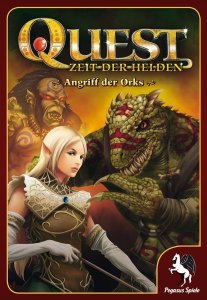
2010
Lead brave heroes through cinematic quests against a rival Questmaster.
90
minutes
Medium Light
View game
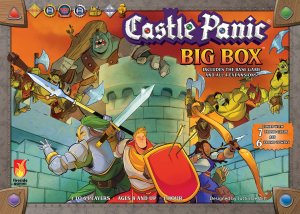
2022
Cooperate against a monstrous siege with cards, spells, quests, and defenses.
60
minutes
Medium
View game
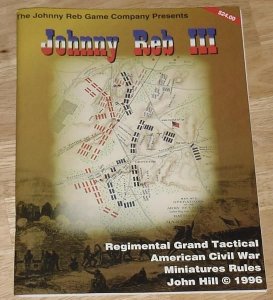
1996
Recreate American Civil War battles at grand regimental scale.
360
minutes
Medium Heavy
View game
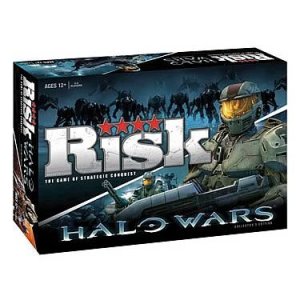
2009
Command a faction and fight for control of Arcadia in strategic Risk gameplay.
60
minutes
Medium
View game
1990
Deploy, build, and capture tanks in a high-stakes superpower expansion.
360
minutes
Medium
View expansion
2018
Expand the duel with new characters, cards, and a new storage system.
20
minutes
Medium Heavy
View expansion
A card-driven board game is a system where the actions you take on the board are dictated by the cards in your hand rather than a fixed menu of choices. Most cards offer a dual choice: spend the card for basic operational points like moving and attacking, or trigger its specific event text for a unique tactical or narrative effect. This forces players to adapt their overall strategy to the shifting options they draw each round.
While deck builders focus on drafting and refining an engine of cards over time, card-driven games use cards primarily as operational currency to command units and shift board states. The core dilemma is typically deciding between an event’s printed effect and its raw operational value, rather than combo-chaining card abilities. Additionally, many card-driven titles feature cards with events that benefit your opponent, turning card timing into a tense risk-management puzzle.
Most traditional card-driven strategy games lean toward medium-heavy complexity, but accessible entry-level options do exist. Lighter titles like Castle Panic let players learn the core dynamic of matching card plays to board threats in 30 to 60 minutes. For head-to-head skirmishing, Risk: Star Wars Edition offers an easy-to-learn battle system playable in about 30 to 45 minutes.
Yes, two players is widely considered the premier player count for battle and campaign card-driven games because of the direct psychological duel they create. Renowned titles like Twilight Struggle and Watergate are designed specifically for two, revolving around head-to-head tension and tight card management. The format allows both opponents to anticipate each other’s operational limits and exploit tactical vulnerabilities.
Yes, several card-driven designs support dedicated solo modes or function exclusively as solitaire challenges. For a quick historical session, Israeli Independence: The First Arab-Israeli War is built purely for a single player and takes only about 15 minutes. Cooperative card-driven titles like Tiny Epic Defenders also accommodate solo play effectively against the game system.
Playtime and weight vary widely, ranging from light 30-minute games to multi-hour historical simulations. Accessible tactical games like Memoir ’44 wrap up in 30 to 45 minutes, while grand strategy titles like War of the Ring: Second Edition take 150 to 240 minutes. Massive multi-faction games like Here I Stand can even extend into epic sessions spanning 180 to 900 minutes.
For families and new hobbyists, cooperative defense games like Castle Panic provide a friendly introduction to resolving board encounters via card play. If you prefer head-to-head tactical dueling with straightforward rules, Star Wars: Epic Duels or Star Wars: Battle of Hoth offer fast-paced combat in roughly 30 minutes. Once comfortable, players can step up to medium-weight classics like Watergate.
Experienced players should look toward heavy strategic titles that combine multi-use cards with sweeping board control. The legendary Cold War classic Twilight Struggle provides brutal decision-making and hand management, while Imperial Struggle delivers a complex 18th-century geopolitical duel. Fantasy enthusiasts can also dive into massive campaign-driven tactical battles in Frosthaven or Gloomhaven.
The core strategic skill is maximizing your operational efficiency while mitigating the downside of difficult cards in your hand. Players must constantly weigh whether an immediate tactical event justifies forfeiting flexible movement and recruitment points on the map. In games where playing your opponent’s event triggers their advantage, mastering the exact timing and sequencing of when to dump those cards is essential to victory.
A frequent beginner mistake is holding onto powerful event cards too long while waiting for a cinematic, ideal turn that never arrives. Falling behind on basic board positioning and map presence usually hurts more than missing a flashy event trigger. Players also often suffer from analysis paralysis by trying to plan multiple rounds ahead instead of reacting flexibly to the board state each turn.
