
Das Bankett: Teil 1 – Der Raub des Diamanten von Ramanpur
2021
Work together to uncover the thief behind a baffling diamond robbery.
240
minutes
Medium

View game

Rules made simple, fun made easy!
Deduction is a board game mechanic where players gather clues and use logical reasoning to uncover hidden information or solve a central puzzle.
524 results
At its core, deduction revolves around missing knowledge. Rather than presenting all game states openly, the game conceals specific facts—such as a hidden identity, a secret code, or the location of an objective—and challenges players to piece the truth together through observation, questioning, and elimination.
At the table, this mechanic shifts the focus from managing physical resources to managing information. Every revealed clue alters the logical puzzle, creating compelling moments of discovery where players cross off possibilities and race to reach the correct conclusion before their opponents.
Elements of the game may favor certain choices or players.
69 gamesPlayer movements are concealed from opponents.
133 gamesPlayers’ scores are not revealed until the end.
149 gamesPlayers must remember hidden or revealed information to gain an advantage.
652 gamesPlayers place units in secret locations.
571 gamesDeduction appeals to analytical thinkers, puzzle enthusiasts, and groups who enjoy quiet focus interrupted by sudden bursts of revelation. Most titles featuring this mechanic fall in the light to medium complexity range, making them accessible to casual groups and families while still providing enough depth for hobbyists looking for a thoughtful challenge without heavy rules overhead.
2021
Work together to uncover the thief behind a baffling diamond robbery.
240
minutes
Medium
View game
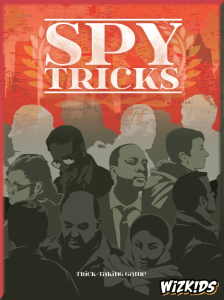
2016
A trick-taking challenge of spycraft and hidden-card deduction
30
minutes
Medium Light

View game
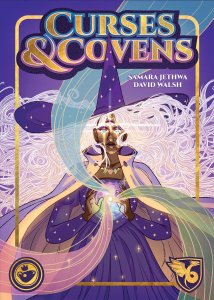
2024
Protect friendly witches while the hunter listens, watches, and strikes.
20
minutes
Medium Light
View game

2025
A tarot-powered battle of questions, clues, and secret objects
30
minutes
Light

View game

2024
Listen closely, arrange the story, and investigate a mysterious fishing boat.
60
minutes
Light
View game

2021
Bluff, trade, and poison your way to the inheritance.
45
minutes
Light
View game

2023
Escape the farm, outsmart the humans, and save a turkey in 18 cards.
60
minutes
Medium
View game

2021
Unravel a celebrity disappearance before the police reach your island.
210
minutes
Medium Light
View game

2022
Solve the mystery of a vanished birthday party in an hour-long card escape room.
60
minutes
View game
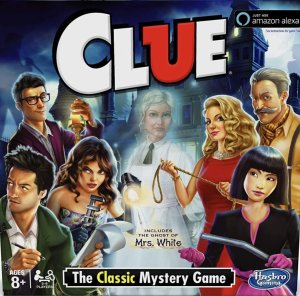
2019
Question, deduce, and summon Mrs. White with Alexa.
40
minutes
Light
View game

2021
Investigate four coastal mysteries among Redcliff Bay’s strangest residents.
60
minutes
Medium Light
View game
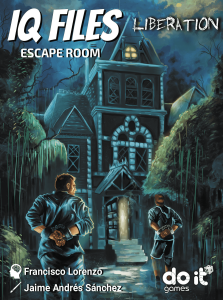
2021
Combine clues, solve varied tests, and escape before the story turns deadly.
150
minutes
Medium
View game

2020
Solve sinister puzzles together before the 60-minute countdown ends.
60
minutes
Medium
View game
2025
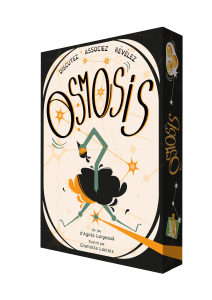
Find the shared connection, speak carefully, and get in sync!
15
minutes
Medium
View game

2020
Solve 24 mysteries and follow a missing professor around the world
240
minutes
Medium
View game

2022
Piece together a spaceship mystery in a solo or two-player puzzle adventure.
120
minutes
Medium
View game

2021
Uncover the truth behind a buried 982 AD assassination
150
minutes
Medium
View game
2021
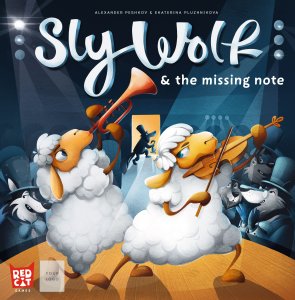
Interview sheep, decode clues, and catch the wolf before the train departs.
30
minutes
Medium Light
View game

2021
Unmask the bomber before the city falls into chaos.
45
minutes
Medium
View game

2021
Solve word riddles, uncover rebuses, and complete a detective dialogue together.
20
minutes
Light
View game

2023
Gather clues and unravel the mystery surrounding Sherlock Holmes.
60
minutes
Medium
View game

2024
Build the best gift grid by giving, guessing, and scoring KADO cards.
15
minutes
Light
View game
2024
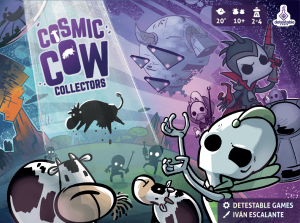
Abduct cows, invade secret planets, and outwit rival alien empires.
20
minutes
Medium
View game

2021
Solve three time-traveling escape room adventures as a family
195
minutes
Medium
View game

2023
Two new warriors, signature abilities, and solo decks for battles in Japan.
20
minutes
View expansion
2023
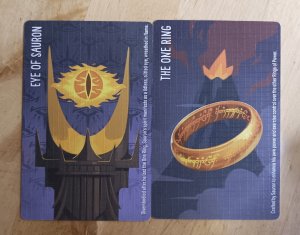
Bring two iconic Lord of the Rings figures to every Similo game.
15
minutes
View expansion

2019
Race through a zombie-filled city before evacuation becomes impossible.
Medium
View expansion

2024
Solve two challenging Paris Opera mysteries filled with danger and romance.
30
minutes
Medium
View expansion

2023
A limited-edition character supplement packed with experimental possibilities
120
minutes
View expansion

2025
Command influential servants and reshape your regional quest strategy.
90
minutes
View expansion

2017
A casino-hopping escape-room challenge where getting caught is not an option.
60
minutes
Medium
View expansion

2025
Confront giant insects, gather ingredients, and outwit the river-dwelling Ranidae.
60
minutes
View expansion
Deduction is a board game mechanic where players gather clues and use logical reasoning to reveal hidden facts or solve a central mystery. Instead of managing boards and physical resources, players manage information by testing theories and eliminating false possibilities. A game typically concludes when a player uses their accumulated evidence to make a successful final accusation or solve the puzzle.
Hidden information is simply the presence of concealed components like face-down cards or secret boards, while deduction is the active process of using logic to uncover what those components actually are. In many games, secret elements simply stay hidden until revealed by chance or game steps, but deduction games require players to actively probe, ask questions, and eliminate possibilities. In short, hidden information provides the mystery, while deduction is the mental process players use to solve it.
Straightforward titles with approachable rules and familiar formats are ideal entry points for families and new players. The classic mystery game Clue teaches fundamental process-of-elimination gameplay in about 45 minutes for players aged 8 and up. For quicker sessions, games like Love Letter and the cooperative party game Just One introduce deduction principles in 15 to 20 minutes without requiring complex note-taking.
Yes, many deduction games excel at two players, especially head-to-head code-breaking and investigation puzzles. The classic duel Mastermind is built specifically for 2 players who alternate setting and cracking secret color codes in 20 minutes. Thematic titles like the narrative case solver Sherlock Holmes Consulting Detective: The Thames Murders & Other Cases and the scientific logic game The Search for Planet X are also voted best at exactly two players.
Several deduction games support solo play by using pre-written crime cases, illustrated maps, or companion apps to generate mysteries without requiring an opponent. For example, The Search for Planet X features a dedicated app-driven solo mode where you race against an automated rival. Similarly, visual detective games like MicroMacro: Crime City and narrative casebooks like Sherlock Holmes Consulting Detective: The Thames Murders & Other Cases allow a single player to examine clues and solve crimes at their own pace.
Pure logic deduction relies on objective, verifiable clues to solve a puzzle, while social deduction relies on reading human behavior, deception, and table talk. In a pure deduction game like Cryptid, players eliminate spaces on a map through strict rule-bound evidence where lying is impossible. In contrast, games like Deception: Murder in Hong Kong mix clue analysis with hidden traitor mechanics, requiring you to deduce which player at the table is actively feeding you misinformation.
Experienced hobbyists should look toward heavier titles that combine deduction with economic management or complex logic grids. In Alchemists, players test potion combinations via a companion app to deduce chemical formulas while balancing a 120-minute worker-placement economy. Another deep challenge is Tragedy Looper, where an overarching mastermind faces off against investigative protagonists across time-travel loops to unravel hidden character roles and lethal plots.
The most damaging error is recording incorrect notes or giving an accidental false clue to an opponent. Because deduction relies on strict chains of logic, a single checked box in the wrong column or a mistaken answer can completely derail the entire table’s reasoning. Taking your time to verify your notes before acting and double-checking your private cards before answering queries will prevent these game-breaking slip-ups.
A critical strategy is to pay close attention to the questions your opponents ask, not just the answers they receive. Tracking what other players query reveals what gaps remain in their theories and which hypotheses they are trying to confirm. Additionally, prioritize actions that yield high-value data for yourself while revealing as little private information as possible to the rest of the table.
Yes, deduction games can be wonderful for children when they emphasize clear logic and visual or word clues over dense bookkeeping. Classic games like Clue and the two-player code duel Mastermind carry an age rating of 8 and up and teach fundamental elimination skills. Cooperative titles like Just One are also rated for ages 8 and up, allowing younger players to deduce mystery words alongside their family without the pressure of direct competition.
Playtime varies widely depending on complexity, ranging from fast 15-minute card games to multi-hour analytical puzzles. Light games such as Codenames and Love Letter finish in 15 to 20 minutes, making them easy to play multiple times in one sitting. On the other end of the spectrum, heavier titles like Stationfall and Alchemists regularly take 60 to 150 minutes due to their layered rules and deep information networks.
