Bat Flip Dynasty
2025
Draft your roster, manage the budget, and build a baseball dynasty.
90
minutes
Medium Light

View game

Rules made simple, fun made easy!
Die Icon Resolution is a mechanic where players roll custom dice showing symbols instead of numbers to directly trigger actions, track resources, or resolve outcomes. Rather than calculating numerical totals, players read the rolled icons to immediately determine what happens.
232 results
Standard dice rely on arithmetic, requiring players to add up values or compare targets against a threshold. Die Icon Resolution bypasses math entirely by printing graphic symbols—such as swords, shields, footsteps, or special triggers—directly onto the die faces. Each symbol maps to a clear, concrete effect, making the outcome readable at a single glance across the table.
This design choice fundamentally shifts how players interpret their turn. Instead of calculating probability margins, you are assembling an action palette out of physical symbols. It keeps the tactical tension of random rolls while providing immediate, visual feedback that smoothly fuels combat, movement, or engine activation.
Gameplay is based on a random draw of numbers or items, often requiring pattern matching.
112 gamesPlayers can re-roll some or all dice, often with restrictions on locking certain results.
166 gamesMovement is determined by rolling dice or spinning a wheel.
441 gamesThis mechanism works best for groups that enjoy dynamic tactical turns, tactical combat, and cooperative problem-solving without heavy spreadsheet math. The vast majority of titles featuring it fall into the moderate complexity range, offering accessible entry points alongside satisfying tactical depth, while genuinely heavy, rules-dense simulations using this approach remain rare.
2025
Draft your roster, manage the budget, and build a baseball dynasty.
90
minutes
Medium Light
View game
2025
Predict opponents, chain tarot actions, and earn divine approval.
90
minutes
Medium

View game
2025
Explore an icy dungeon, battle monsters, and conquer four randomized stages.
50
minutes
Light

View game
2020
A brutal solo dungeon crawl where clever loot choices can make you a hero
60
minutes
Medium
View game
2026
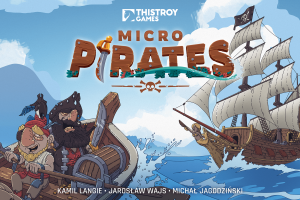
Sail, trade, plunder, and chase valor on a perilous quest for pirate glory.
120
minutes
Medium
View game
2020
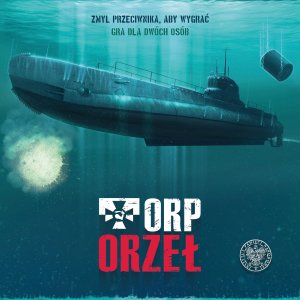
A tense two-player submarine escape across the Baltic Sea
30
minutes
Medium
View game
2025
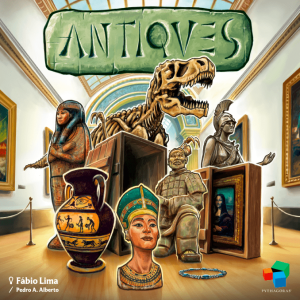
Bid boldly, build remarkable collections, and win prestige through temporary exhibitions.
60
minutes
Medium
View game
2026
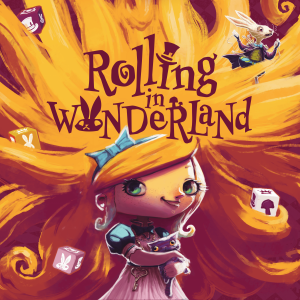
Draft your dice, befriend Wonderland's inhabitants, and seize the power to reshape it.
75
minutes
Medium
View game
2023
Roll the dice, raid your rivals, and race to 25 gold doubloons!
30
minutes
Light
View game
2009
Work together to build the brick house and outwit the hungry wolf.
20
minutes
Light
View game
2024
Lead a faction’s warriors, creatures, and wizards in tactical skirmishes.
90
minutes
Medium Heavy

View game
2018
Roll colorful armies, cast spells, and seize two terrains to win.
60
minutes
Medium Heavy
View game
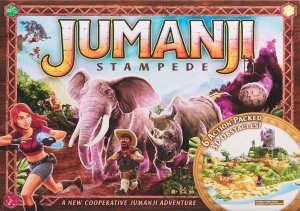
2024
Work together to find five crystals before the jungle’s dangers catch you.
40
minutes
Light
View game
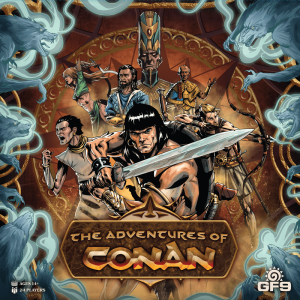
2025
Roll custom dice, brave danger, and pursue glory in the Hyborian age.
120
minutes
Medium Heavy
View game
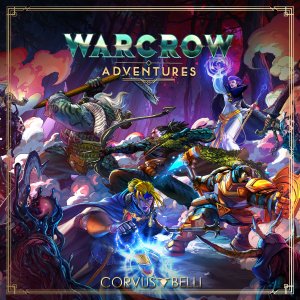
2024
A cooperative fantasy dungeon crawl of tactics, choices, and hidden evil.
90
minutes
Medium
View game
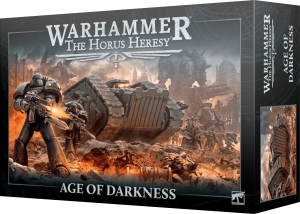
2022
Lead a Legion through apocalyptic battles in the Age of Darkness.
180
minutes
Medium Heavy
View game
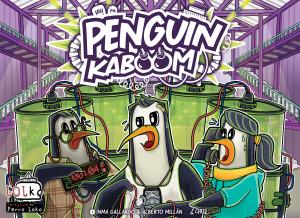
2025
Cooperative dice-rolling tension as penguins race to defuse bombs.
30
minutes
Light
View game
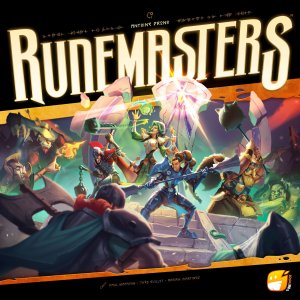
2024
Defend the Temple of Mankind until dawn in a relentless co-op battle.
60
minutes
Medium Light
View game
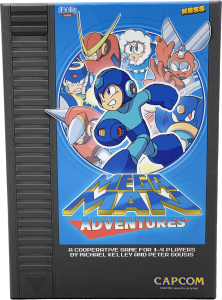
2022
Team up, outsmart Robot Masters, and battle through deadly Mega Man stages.
60
minutes
Medium
View game

2024
Add new Leaders and wild Lore twists to Arcs and its campaign.
120
minutes
Medium Heavy
View expansion

2023
Add Wickedness Points and unlock tiles in every King of Tokyo game.
30
minutes
Medium Light
View expansion

2021
Discover new items, monsters, and animal companions while defending Avel Castle.
90
minutes
Medium Light
View expansion
2023
Team up against a towering Chimera in a fresh Ashes adventure.
60
minutes
Medium Heavy
View expansion
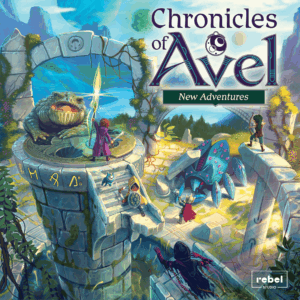
2023
Cooperative quests, new scenarios, and modular challenges await in Avel.
60
minutes
Medium
View expansion
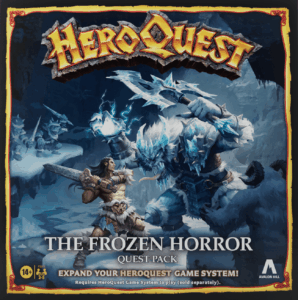
2022
Survive the frozen Northlands, then face the terror within the ice mountain.
120
minutes
Medium
View expansion
2020
Protect an undroppable loot companion with unpredictable powers.
120
minutes
Heavy

View expansion
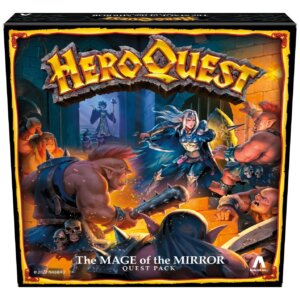
2023
Lead an elf through solo quests and face the archmage Sinestra.
120
minutes
Medium
View expansion
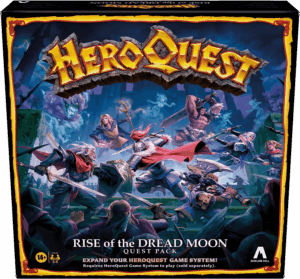
2023
Free Elethorn across ten perilous quests beneath the rising Dread Moon.
120
minutes
View expansion
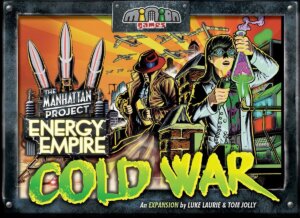
2022
Expand the atomic age with modular Cold War strategy and solo play.
120
minutes
Medium Heavy
View expansion
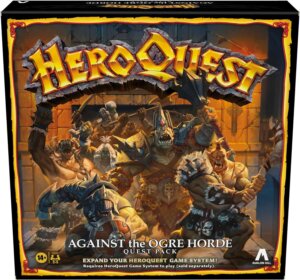
2024
Enter the mountains, outwit deadly traps, and break the Ogre Horde’s power.
90
minutes
Medium Light
View expansion
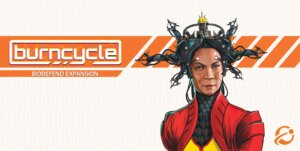
2022
Face BioDefend, a dangerous new corporation with powerful new tools.
180
minutes
View expansion
Die Icon Resolution means rolling dice that feature symbols, actions, or resources instead of standard numbered pips. The faces you roll directly tell you what happens, such as triggering an attack, gaining energy, or moving units. This removes mental arithmetic and lets players resolve actions at a single glance across the table.
Standard dice rolling relies on numerical values to hit target totals, beat thresholds, or compare math margins. In contrast, die icon resolution replaces numbers with functional icons like swords, shields, or resources that act as ready-to-spend currencies. Instead of calculating probabilities, you are assembling a tangible palette of actions directly from the rolled faces.
Great introductory choices include King of Tokyo and Zombie Dice, both of which feature clear symbols that take seconds to teach. In King of Tokyo, rolled claws deal damage, hearts heal, and lightning bolts yield energy for power cards. These titles keep turns fast and let players focus on tactical choices rather than complex rules.
Yes, games using die icons are often well-suited for families because the visual symbols eliminate tedious math. Titles like Draftosaurus and Takenoko have a minimum age of 8 and play in roughly 15 to 45 minutes, making them very approachable. Young players can easily recognize symbols and immediately understand how they impact the game state.
Yes, many games with custom dice scale down smoothly and even offer dedicated solo modes. For instance, Memoir ’44 is designed specifically for 2 players who use combat dice icons to resolve hits and retreats in 30 to 45 minutes. Solo players can take on challenging survival scenarios in Robinson Crusoe: Adventures on the Cursed Island, which is voted best with a single player.
Play times vary widely depending on the overall complexity of the game. Fast, push-your-luck titles like BANG! The Dice Game wrap up in about 15 minutes. Meanwhile, strategic medium and heavy titles like Roll for the Galaxy run about 45 minutes, while deep campaign games such as burncycle can span 45 to 180 minutes.
Experienced hobbyists who want rich systems driven by custom dice should explore heavy titles like Too Many Bones: Undertow or burncycle. In these games, custom dice represent specialized skills, dynamic defenses, and unique tactical subroutines. You can also explore Star Wars: Imperial Assault for deep tactical campaign missions featuring nuanced combat dice symbols.
Prioritize actions and abilities that provide dice manipulation or rerolls rather than hoping for raw luck. Because die faces cannot be shifted by arithmetic, having the power to flip faces, reroll blanks, or substitute icons is essential for consistency. Always form a flexible backup plan so that a bad roll does not waste your entire turn.
A common mistake is chasing low-probability icon combinations without built-in mitigation. With set faces on every die, failing to roll a required icon can completely halt your turn if you have no secondary way to use mismatched results. Beginner players also often stumble by neglecting to memorize player aids, leading to slow turns while looking up what each icon triggers.
Yes, many games let you build an engine by acquiring new custom dice with stronger face distributions or pairing icons with ongoing powers. In Quarriors!, players recruit dice from a shared pool to roll stronger creatures and spells each round. Similarly, Roll for the Galaxy has you expand your empire to gain specialized dice tailored toward shipping, building, or settling.
