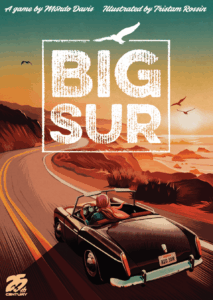
Big Sur
2025
Draft cards, build a scenic highway, and score your route through Big Sur.
30
minutes
Medium Light

View game

Rules made simple, fun made easy!
Multi-use cards are cards designed with two or more distinct functions, requiring the player to choose only one way to resolve the card when it is played.
367 results
In games featuring this mechanic, individual cards represent multiple possibilities rather than a single fixed command. A single card might display an immediate event effect on top, a permanent building upgrade on the bottom, a currency value along the side, and a specific resource icon in the corner. When you play that card, you commit it to one specific purpose and forfeit the others.
This design creates agonizing, engaging trade-offs in every hand. Rather than waiting for a narrow set of perfect draws, you constantly evaluate whether a card is better spent as an instant tactical boost, fuel to pay for another card, or a long-term engine component. Every choice carries an inherent opportunity cost, making small hands feel packed with strategic weight.
This mechanism is ideal for players who relish tactical adaptation, tight hand management, and meaningful opportunity costs over autopilot turns. Most titles using multi-use cards sit squarely in the moderate-to-substantial complexity range, appealing strongly to hobbyists who enjoy medium-weight strategy, while very light or ultra-heavy designs remain uncommon exceptions.
2025
Draft cards, build a scenic highway, and score your route through Big Sur.
30
minutes
Medium Light
View game
2016
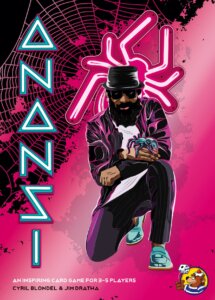
Share stories, gather followers, and adapt as the trump suit shifts.
35
minutes
Medium Light
View game
2025
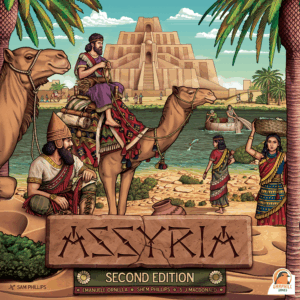
Expand along the rivers, build ziggurats, and earn the most victory points.
90
minutes
Medium Heavy

View game
2024
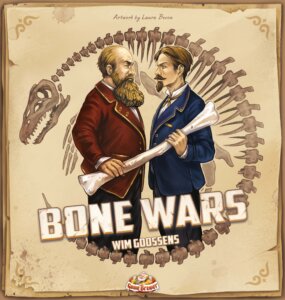
Uncover fossils, publish discoveries, and outmaneuver rival palaeontologists.
120
minutes
Medium Heavy
View game
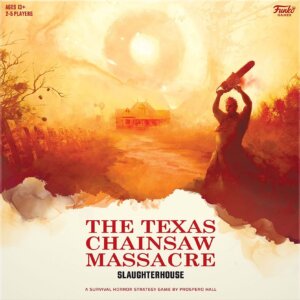
2023
Escape the farmhouse—or become the Sawyer family's next meal.
60
minutes
Medium

View game

2024
Spin into Lovecraftian chaos, manage madness, and save the town together.
45
minutes
Medium
View game
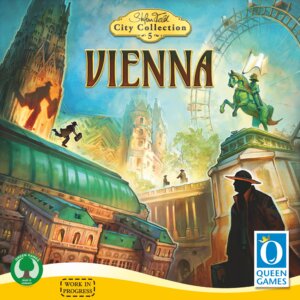
2023
Deploy agents across Vienna to uncover valuable secrets and hidden spies.
90
minutes
Medium Heavy
View game

2024
Build your deck, form words, and unlock fresh ways to play.
60
minutes
Medium
View game
2022
Lead your favorite character and battle to claim victory!
60
minutes
Medium
View game

2015
Build civilizations, wage war, and outmaneuver rivals across the ages.
60
minutes
Medium
View game
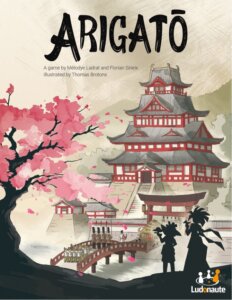
2025
Craft offerings, manage artisans, and win the Shogun’s favor
45
minutes
Medium
View game
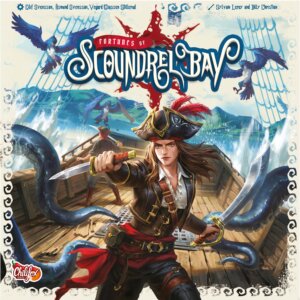
2025
Race across a perilous archipelago for gold, glory, and pirate fortune.
120
minutes
Medium Heavy
View game

2024
Stack colorful lunch-box tiles, unlock chai bonuses, and deliver for tips.
45
minutes
Medium Light
View game

2025
Build an international space station and assemble the perfect research team.
30
minutes
Medium Light
View game
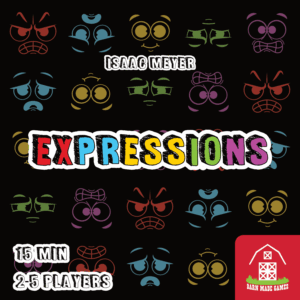
2024
Decode emotions, balance Harmony and Agony, and guide your team to victory.
20
minutes
Medium Light
View game

2016
Lead your village through hand building, task placement, and cultural growth.
45
minutes
Medium
View game

2022
Build a unique deck from two goddesses and duel beneath the sakura.
20
minutes
Medium Heavy
View game
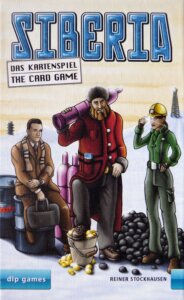
2012
Extract valuable resources and build the strongest team in Siberia.
20
minutes
Medium
View game
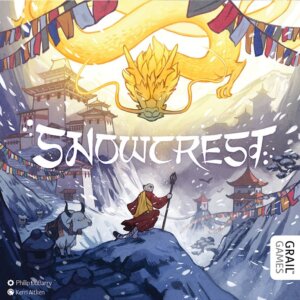
2024
Lead a mountain village from offerings and harvests toward lost knowledge.
60
minutes
Medium
View game
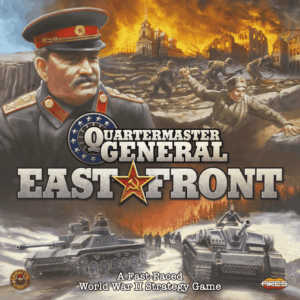
2023
A focused two-player struggle across the Eastern Front, from 1941 to 1945.
120
minutes
Medium
View game
2026
Race rival factions to build, launch, and escape aboard a colony ship.
180
minutes
Medium Heavy
View game
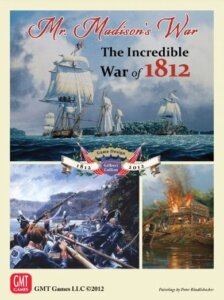
2012
Command armies, play historical events, and fight across the War of 1812.
240
minutes
Medium
View game
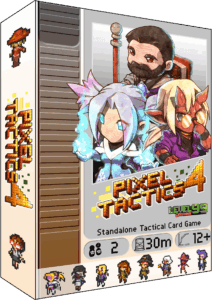
2015
Traps, surprises, and counterplay define this two-player tactical set.
45
minutes
Medium Light
View game

2022
Defend ancient sages from demons in a tense battle before dawn.
60
minutes
Medium
View game
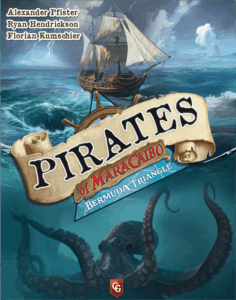
2025
Race through storm-tossed waters for legendary treasure
100
minutes
Medium Heavy
View expansion
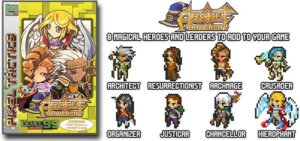
2014
Unleash spellcasting heroes and leaders from Argent University.
45
minutes
Medium
View expansion
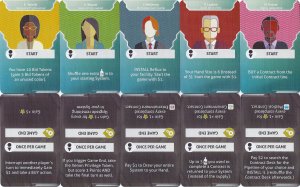
2015
Add sci-fi contracts, player powers, and business superpowers to every game.
Medium
View expansion
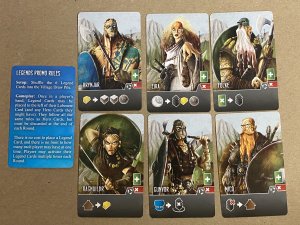
2024
Six temporary Legends bring powerful new options to every round.
80
minutes
View expansion
Multi-use cards are cards designed with two or more distinct functions, requiring you to select only one way to play the card. For instance, a single card might display an immediate action, a resource icon, or a permanent structure. Once you choose how to resolve that card, all of its alternate printed options are discarded or forfeited for that turn.
While standard hand management focuses on when to play cards with single, fixed commands, multi-use cards force you to decide how a card behaves. Rather than waiting for a specific card to appear, you constantly evaluate whether a card in your hand should be spent as currency, an action, or an engine upgrade. This shifts gameplay away from linear card play toward continuous, tactical compromise.
Yes, many introductory titles use this mechanic without overwhelming newer players. Accessible games like Game of Trains (designed for ages 8 and up) and Welcome To… (designed for ages 10 and up) feature intuitive dual-purpose cards that keep turns fast and clear. These lighter designs teach players how to weigh alternative options without bogging down the table in rules overhead.
Fast-playing titles in the light to medium-light range are the best way to experience the mechanic. Red7 plays in just 5 to 30 minutes, challenging players to either place a card into their tableau as a number or discard it to change the game’s winning condition entirely. Another excellent entry point is Star Realms, where cards can provide combat power, purchasing trade, or special faction-triggered actions.
Multi-use cards are exceptionally well-suited for solo and head-to-head play because they pack deep decision trees into small card counts. Solitaire titles like Numbsters turn multi-use card manipulation into a tight, 10-minute spatial puzzle for a single player. For two players, 7 Wonders Duel requires drafting cards that can be built for their primary power, cashed in for instant coins, or tucked to construct wonder stages.
Heavy strategy games rely on multi-use cards to weave tactical combat and intricate economic engines together without needing hundreds of specialized components. In Gloomhaven, every action card features distinct top and bottom halves, forcing players to pair two cards each round and select one top ability and one bottom ability. Deep economic titles like Lisboa similarly ask players to decide whether a card enters their personal board, triggers a royal court action, or finances city construction.
The biggest strategic advantage is a substantial reduction in bad luck and dead draws. When cards can double as currency, basic movement, or building materials, you rarely suffer an unplayable hand. This mechanism rewards adaptable players who can make the most out of every draw rather than those who rely entirely on top-decking one specific answer.
The most frequent pitfall is hoarding a card indefinitely while waiting for its most powerful, situational effect to trigger. Holding out for an optimal card play often sacrifices early momentum that could have been secured by spending that card for raw resources or immediate tempo. Players should also guard against analysis paralysis by focusing on their next turn’s objective rather than over-calculating every possible permutation of a full hand.
Session length varies widely based on overall weight and player count. Light card games like Too Many Cinderellas finish in about 10 minutes, while mid-weight strategy titles like Race for the Galaxy average 30 to 60 minutes. Sprawling campaign and adventure games like Frosthaven or Mage Knight Board Game can take anywhere from 60 to 240 minutes.
By assigning multiple duties to a single card face, designers can cut down on dedicated resource chits, currency tokens, and extra sideboards. In Bohnanza, the same bean cards you plant in your fields flip over upon harvest to serve directly as gold coins. This design efficiency allows games to deliver satisfying strategic depth out of a portable, travel-friendly box.
