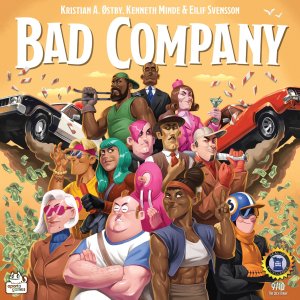
Bad Company
2021
Build a gang, pull off heists, and stay ahead of the police.
30
minutes
Medium Light

View game

Rules made simple, fun made easy!
Re-rolling and locking is a dice mechanic where players roll a pool of dice, set aside desired results, and re-roll the remaining dice a limited number of times. It allows players to mitigate random rolls by gradually sculpting a desired outcome across multiple attempts.
166 results
At its core, this mechanic transforms pure luck into calculated risk management. Instead of accepting a single throw of the dice, players gain agency by choosing which faces to keep and which to gamble away. Each roll presents an evolving puzzle, forcing you to balance secure, modest benefits against the tempting pursuit of a high-value combination.
At the table, it generates immediate drama and shared tension. Turns move quickly as players cheer for critical symbols or groan when an ambitious gamble falls flat. By providing multiple chances to adjust an outcome, the game keeps players actively invested in every roll rather than feeling helpless against bad luck.
Gameplay is based on a random draw of numbers or items, often requiring pattern matching.
112 gamesActions or results are determined by the specific icons rolled on custom dice.
236 gamesMovement is determined by rolling dice or spinning a wheel.
441 gamesThis mechanism is ideal for casual gatherings, families, and players who thrive on push-your-luck tension without heavy mental strain. The vast majority of titles featuring it fall squarely in the light to medium complexity range, serving as accessible gateways or energetic warm-up games. While heavier strategy games occasionally adapt the system to determine available actions, it most naturally appeals to groups who enjoy table banter, quick turns, and the thrill of rolling physical dice.
2021
Build a gang, pull off heists, and stay ahead of the police.
30
minutes
Medium Light
View game

2014
Build a civilization, manage resources, and compete across four historical ages.
40
minutes
Medium

View game

2018
Roll, reroll, and outsmart deadly Epics before Newcago falls.
100
minutes
Medium
View game

2019
Roll, draft, and build tasty sushi combinations before pudding arrives.
20
minutes
Light

View game
2005
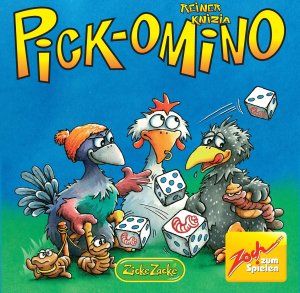
Roll, risk, and snatch fried worms before your rivals can take them.
20
minutes
Light
View game
2021
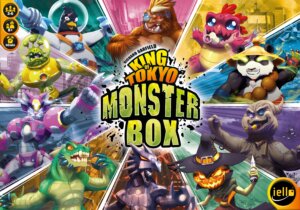
Unleash an explosive monster showdown with expansions, evolutions, and exclusive extras.
30
minutes
Light
View game

2024
Roll, pull, and unleash powers to claim Tokyo in a dramatic monster duel.
20
minutes
Medium
View game
2021
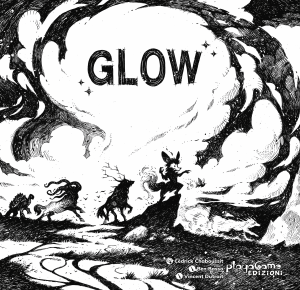
Draft companions, roll colorful dice, and combine powers to bring light back.
45
minutes
Medium
View game

2018
Recruit heroes, unite their strengths, and stop Thanos before reality is undone.
90
minutes
Medium
View game

2014
Build an archaeology company, uncover artifacts, and claim lasting fame.
60
minutes
Medium
View game

2015
Build a dice engine, climb Egyptian society, and compete for the Pharaoh’s favor.
45
minutes
Medium
View game
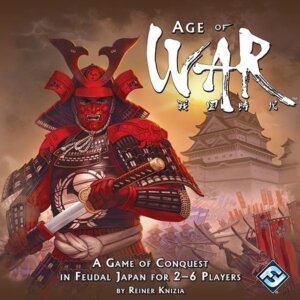
2006
Roll, conquer, and secure castle sets in a fast-paced dice battle
30
minutes
Light
View game
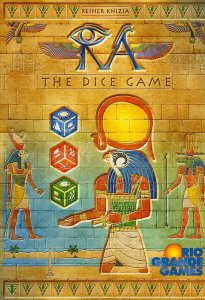
2009
Roll, reroll, and shape your destiny across three Egyptian epochs.
45
minutes
Medium Light
View game

2019
Roll, manage resources, and lead an improvised unit through Normandy.
45
minutes
Medium
View game

2019
The full 1–5-player experience in a deck-sized box.
45
minutes
Medium
View game

2016
Guide organic compounds from metabolism to the first RNA-based life.
120
minutes
Heavy

View game

2018
Roll fast, manage scarce fuel, and seize new territories before your rival.
30
minutes
Medium
View game
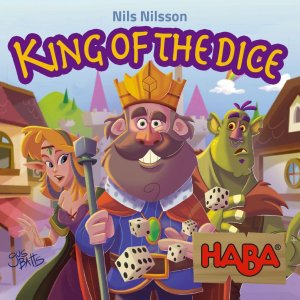
2017
Roll the dice, recruit citizens, and build a thriving kingdom.
30
minutes
Light
View game
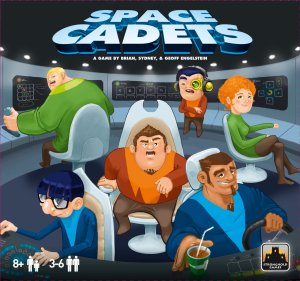
2012
Work together as a starship crew in a frantic mission of teamwork and skill.
120
minutes
Medium
View game

2022
Unite giant monsters to stop a Boss and save Earth from an interdimensional portal.
60
minutes
Medium
View game

2006
Build your courtly influence, then roll for the King's ultimate favor.
45
minutes
Medium Light
View game

2022
Customize your dice, expand your realm, and contend with Fate.
60
minutes
Medium
View game

2021
Explore a magical pop-up world in a cooperative adventure of mystery and danger.
90
minutes
Medium
View game
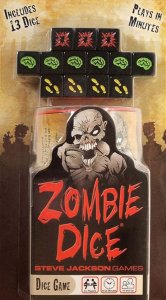
2010
Push your luck, eat brains, and avoid three shotgun blasts.
20
minutes
Light
View game

2021
Expand your factory with new blueprints, contractors, resources, and powers.
60
minutes
Medium
View expansion

2009
Expand the Late Bronze Age with new developments, trading, and ships.
45
minutes
Medium Light
View expansion
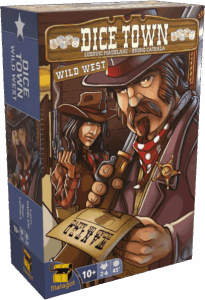
2011
Expand your frontier with new riches, outlaws, Indians, and a sixth player.
60
minutes
Medium Light
View expansion

2026
Explore inland waters, discover new fish, and risk everything for richer rewards.
150
minutes
Medium
View expansion
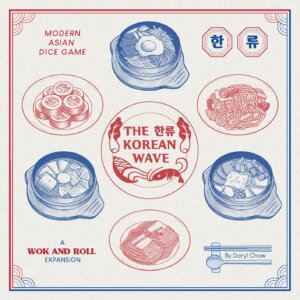
2022
Roll dice, build combos, and explore Korean-inspired cooking menus.
45
minutes
Medium
View expansion
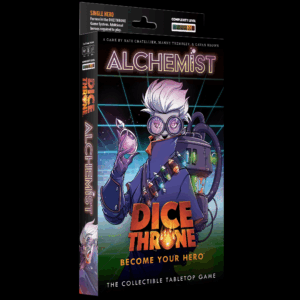
2026
Transmute dice, brew powerful effects, and battle for the Throne.
40
minutes
View expansion
2021
Add new strategic possibilities with Watchtowers and Barracks.
60
minutes
Medium
View expansion
2021
Add new strategic possibilities with Smithies and Trebuchets.
60
minutes
Medium
View expansion
Re-rolling and locking is a system where you roll a pool of dice, keep the results you want, and re-cast the remaining dice a limited number of times. It gives you multiple opportunities to shape an initial throw toward specific combinations or strategic goals. By letting you bank solid rolls before taking another chance, it balances raw probability with tactical risk management.
Unlike pure push-your-luck mechanics where a single bad roll can wipe out your entire turn, re-rolling and locking allows you to secure partial progress along the way. In games like King of Tokyo or Pick-omino, you set aside useful symbols step by step instead of gambling all your dice at once. This structure provides a safety net that shifts the gameplay from blind risk into calculated probability control.
Accessible titles such as King of Tokyo and BANG! The Dice Game are ideal starting points because their rules can be learned in minutes. Both feature clear iconography on custom dice, allowing players to focus on chasing points, attacks, or healing without complex math. These light games play in 15 to 30 minutes, keeping turns energetic and approachable for newcomers.
Yes, many games featuring this mechanic are well suited for families with children aged 8 and older. Titles like Escape: The Curse of the Temple and Roll Through the Ages: The Bronze Age use simple matching concepts that younger players grasp quickly. The tactile nature of rolling and physically setting dice aside helps kids evaluate simple probabilities without feeling overwhelmed by complex rules.
Yes, the mechanic translates naturally to solitaire play by turning every roll into an efficiency puzzle against an automated threat. In Under Falling Skies, which is designed exclusively for a single player, you allocate locked dice to run underground bunker facilities while trying not to speed up enemy ships. Roll-and-write games like That’s Pretty Clever! also include solo modes where you maximize locked color combinations to chase high scores.
The mechanic works smoothly at two players because snappy turn resolution virtually eliminates downtime. Games such as That’s Pretty Clever! and Roll Through the Ages: The Bronze Age are community-rated best at two, offering direct competition without long waits between rolls. Two-player tactical games like Warcrow also use targeted re-rolls to keep head-to-head combat engaging and swift.
The most common error is holding out for an improbable combination after seeing an unhelpful opening roll. Locking only a single die on your first throw in hopes of hitting four or five exact matches on later attempts often leads to wasted turns. Strong play usually involves identifying a dependable secondary objective on your first roll and pivoting toward safer scoring thresholds when the odds turn against you.
In standard rules, locking a die is an irreversible decision for the duration of that turn. Once a die is removed from the active rolling pool, it remains frozen on that face to prevent players from constantly undoing bad gambles. However, certain games grant specific special powers, cards, or consumable items that provide rare exceptions to unlock or adjust a committed die.
Yes, heavier strategy titles incorporate the mechanic into intricate resource markets, tactical combat, and branching tech trees. For example, Assault on Doomrock: Ultimate Edition integrates dice mitigation into deep fantasy combat rounds, while Bios: Genesis uses dice rolls to govern complex evolutionary biology systems. In these advanced designs, locking dice represents tough action-economy choices rather than simple set collection.
Most games with this mechanism run between 15 and 45 minutes because individual turns require only a few quick decisions. Quick filler games like Zombie Dice wrap up in roughly 10 to 20 minutes, whereas narrative cooperative games like Elder Sign can extend to 90 minutes. Overall playtime is determined by the size of the board and scoring systems wrapped around the dice, rather than the rolls themselves.
It mitigates bad luck by breaking a random outcome into several decision points rather than relying on a single, make-or-break roll. Setting aside partial matches steadily raises the mathematical likelihood of rolling remaining target symbols with fewer dice. This multi-step process gives players genuine agency to steer probabilities rather than simply accepting whatever the table yields.
