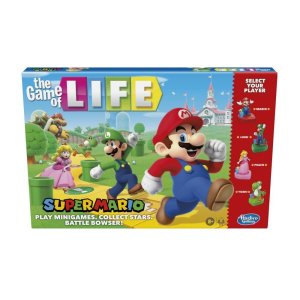
The Game of Life: Super Mario Edition
2021
Journey through the Mushroom Kingdom, power up, and spin to defeat Bowser!
120
minutes
Light

View game

Rules made simple, fun made easy!
Roll / Spin and Move is a mechanic where a player determines how many spaces their piece advances by rolling dice or spinning a numbered wheel. It introduces random pacing, dictating immediate board positioning through a physical randomizer.
429 results
At its core, Roll / Spin and Move ties player progression directly to chance. Instead of choosing exactly how far to travel, players roll dice or flick a spinner to generate a movement allowance, then advance their token along a track, grid, or branching path. The destination space usually triggers an immediate event, reward, or hazard.
This mechanic shapes table dynamics by keeping turns brisk and unpredictable. Because nobody can guarantee where they will land on future turns, tension comes from hoping to hit beneficial safe zones while narrowly avoiding traps, obstacles, or opposing pieces.
Gameplay is based on a random draw of numbers or items, often requiring pattern matching.
113 gamesActions or results are determined by the specific icons rolled on custom dice.
236 gamesPlayers can re-roll some or all dice, often with restrictions on locking certain results.
166 gamesThis mechanism predominantly appears in light to medium-light titles, making it ideal for families, casual party settings, and mixed-age gatherings where ease of play matters more than deep tactical calculation. While serious hobbyists seeking heavy strategy often avoid pure variants of the mechanic, modern designs frequently add branching routes, action cards, or asymmetric powers to inject meaningful decisions into the roll.
2021
Journey through the Mushroom Kingdom, power up, and spin to defeat Bowser!
120
minutes
Light
View game
2019
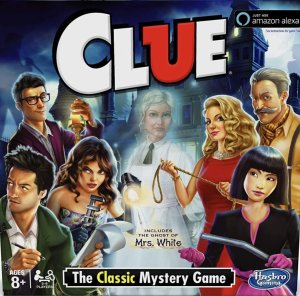
Question, deduce, and summon Mrs. White with Alexa.
40
minutes
Light
View game

2018
Track cartel members, earn points, and put the boss behind bars.
15
minutes
Light
View game
2006
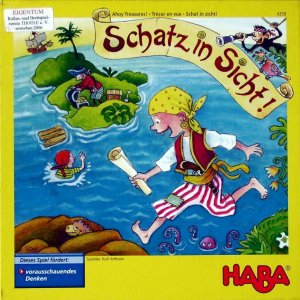
Race, stack, and roll your way to the island’s most valuable treasure.
20
minutes
Light
View game
2017
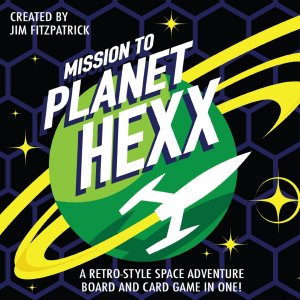
Build a hex-shaped galaxy, roll through space, and complete your mission file.
90
minutes
Medium

View game
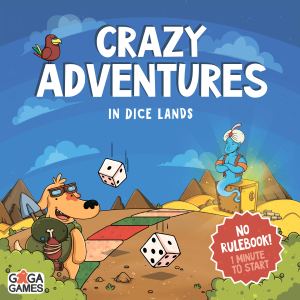
2019
A simple, chaotic dice race packed with coins, cards, and playful sabotage.
40
minutes
Light
View game
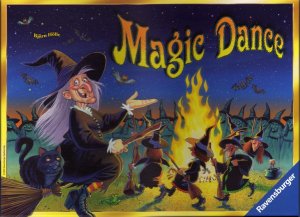
1988
A chaotic memory race where hidden witches make every move a risky guess.
45
minutes
Light
View game
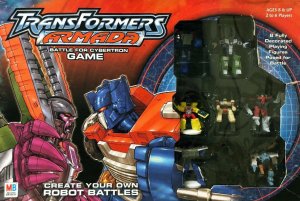
2003
Create your own Autobots-versus-Decepticons robot battles.
30
minutes
Medium Light

View game
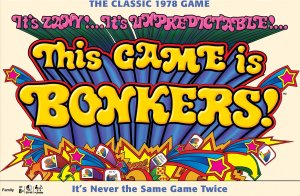
1978
Roll, place track cards, and race through a chain reaction to twelve points.
10
minutes
Light
View game
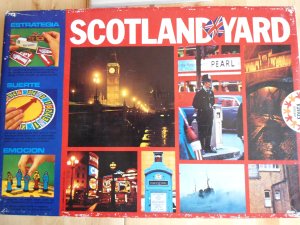
1990
A tense two-player chase of police, characters, spies, and secret identities
60
minutes
Medium
View game
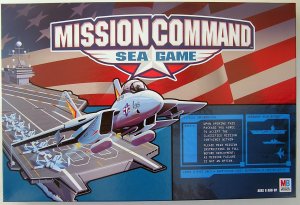
2003
Command destroyers and fighters in a strategic battle to sink the enemy carrier.
30
minutes
Light
View game
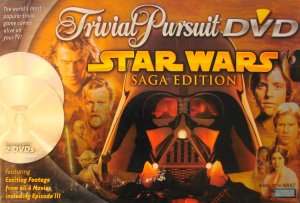
2005
Challenge your Star Wars knowledge with interactive DVD trivia.
90
minutes
Medium Light
View game

2011
Coach an 11-player squad through a fluid, foul-filled stadium soccer match.
60
minutes
Medium
View game

2006
Navigate shifting mazes as coasters rotate and move beneath your pieces.
30
minutes
Light
View game
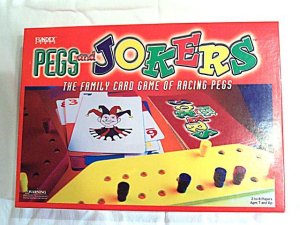
1975
Race five colored pegs home using cards, luck, and simple strategy.
30
minutes
Light
View game
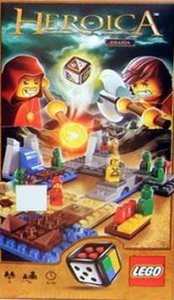
2011
Cross a perilous waterway, gather treasure, and battle through a classic dungeon.
10
minutes
Light
View game
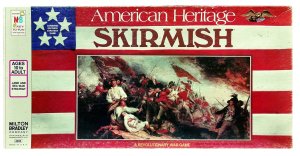
1975
A tense American Revolution battle of movement, skirmishes, and major battles.
60
minutes
Medium Light
View game
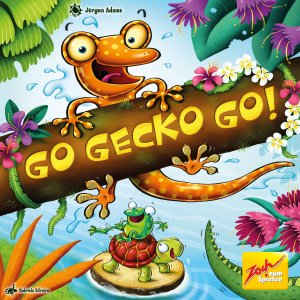
2019
Stack your animal team, clear the bridges, and race to the finish!
20
minutes
Medium Light
View game
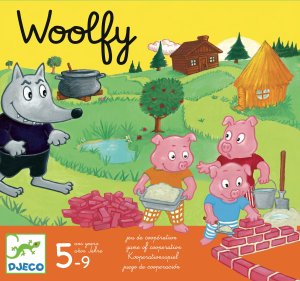
2009
Work together to build the brick house and outwit the hungry wolf.
20
minutes
Light
View game
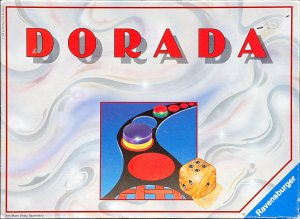
1988
A fast tactical race where holes punish haste and timing earns points.
20
minutes
Light
View game
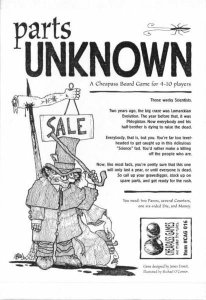
1999
Price body parts, exploit demand, and out-earn rival shopkeepers.
90
minutes
Medium Light
View game
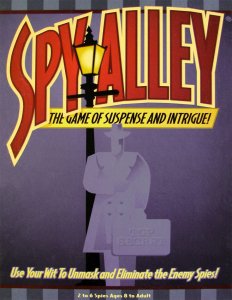
1992
Collect your secret items, bluff your rivals, and reach the winners square.
45
minutes
Medium Light
View game
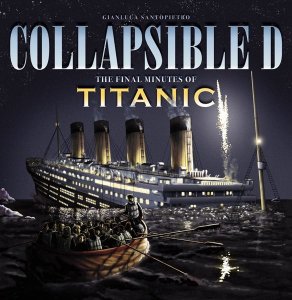
2012
Race through the sinking Titanic to save passengers before time runs out.
30
minutes
Medium
View game
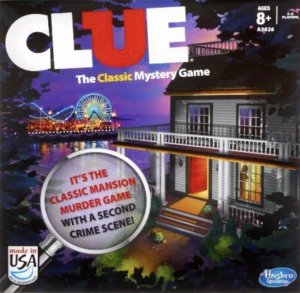
2013
Classic clue-sheet play with a two-sided board and powerful red cards.
45
minutes
Light
View game
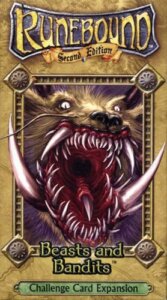
2008
Face treacherous bandits and savage beasts across the wilderness of Terrinoth.
120
minutes
Medium
View expansion
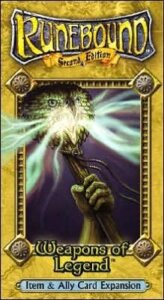
2008
Add legendary weapons, new allies, and versatile market cards to Runebound.
120
minutes
Medium
View expansion

2006
Expand the track with new players, tiles, discs, worms, and an action die.
35
minutes
Light
View expansion
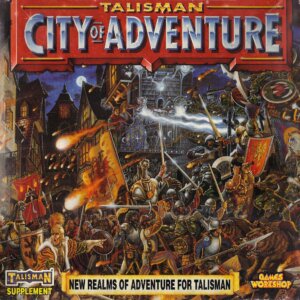
1994
Enter two new realms with six characters and fresh adventure cards.
240
minutes
Medium Light
View expansion
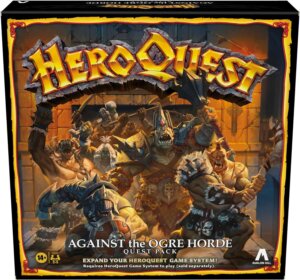
2024
Enter the mountains, outwit deadly traps, and break the Ogre Horde’s power.
90
minutes
Medium Light
View expansion
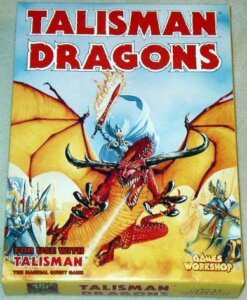
1993
Face dragons, cult minions, and peril in Talisman’s final 2nd Edition expansion.
240
minutes
Medium
View expansion
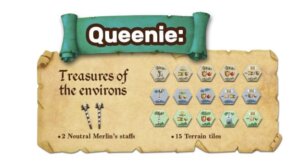
2017
Add 15 special terrain tiles and unlock new actions when building manors.
75
minutes
Medium Heavy

View expansion
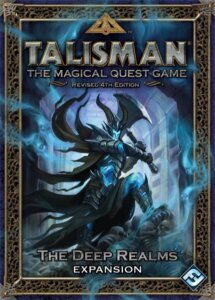
2015
Venture through haunted passages between the Dungeon and the City.
Medium
View expansion
2009
A web-exclusive expansion with a new scenario and ten exclusive cards.
60
minutes
Medium Light
View expansion
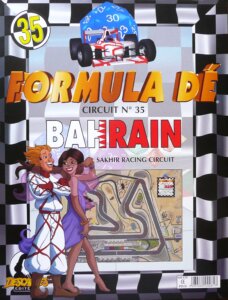
2004
Two Formula Dé expansion circuits: Shanghai and Bahrain
120
minutes
Medium Light
View expansion
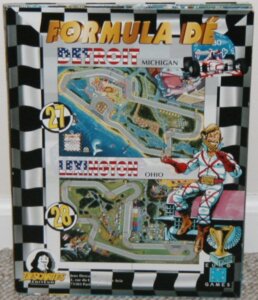
2000
Four American circuits expand Formula Dé with races from Detroit to Daytona.
120
minutes
Medium Light
View expansion
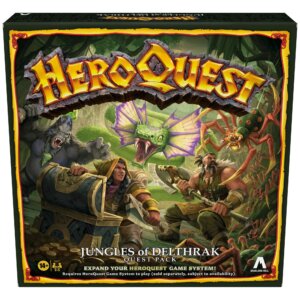
2024
Explore a blighted jungle, recover a sacred artifact, and choose your fate.
90
minutes
Medium Heavy
View expansion
Roll and move is a classic gameplay system where a physical randomizer—typically dice or a spinner—determines how many spaces your pawn advances along a board. Your piece travels that set distance across tracks, grids, or pathways, and landing spaces trigger events, hazards, or rewards. Modern designs frequently pair this basic loop with card play, route choices, or custom dice to keep decisions engaging.
The primary criticism is a lack of player agency, especially when a bad roll completely negates careful planning or leaves someone trailing behind with no path to recover. In older mass-market titles, rolling low often meant losing an entire turn of meaningful progress. Contemporary games solve this by letting players mitigate their rolls through gear, route options, or alternative actions.
Modern designs give players meaningful control over the randomizer rather than forcing them into a single linear path. For instance, Formula D lets drivers choose which gear die to roll, trading speed for the risk of overshooting corners. Other games introduce push-your-luck mechanisms, branching intersections, or cards that modify values to keep turns tactical.
A lively choice for family game night is Camel Up, which plays with 2 to 8 players and takes just 20 to 30 minutes. Rather than controlling a single runner, players bet on stacked racing camels moving via randomized pyramid dice, keeping turns fast and hilarious. For young adventurers, the pirate racing game Jamaica combines card-driven movement with dice values for ages 8 and up.
Yes, several complex titles incorporate movement dice into deep economic or adventure systems. In Xia: Legends of a Drift System, players upgrade their spaceship engines to roll larger dice while exploring a sandbox galaxy. Similarly, Merlin uses player dice drafted to move characters around a shared rondel track, demanding tight long-term planning.
In roll and move, your movement distance is set by chance on each turn, meaning you must adapt your plans around the generated number. In contrast, action point systems grant players a fixed budget of points each round to spend freely on moving, attacking, or interacting. Grid movement often separates positioning from physical dice altogether, prioritizing deterministic spatial tactics over lucky rolls.
Many roll and move games work well at two, though head-to-head dynamics depend heavily on board conflict and shared pacing. The classic fantasy wargame Titan specifically plays best with 2 players, turning randomized track movement into tense tactical maneuvering. However, light racing titles often shine brightest with larger groups where chaos and lead changes can multiply.
Certain roll and move games support solo play, provided the design includes an automated opponent, a survival timer, or a beat-your-own-score objective. In Escape: The Curse of the Temple, 1 to 5 players race against a ten-minute soundtrack, using real-time dice rolls to explore and flee a collapsing temple. Complex sandbox games like Merchant of Venus (Second Edition) also include solo rules for exploring galactic trade routes.
Always calculate your odds and prioritize landing spaces with high positive value or safe fallbacks. In push-your-luck games like Can’t Stop, knowing when probability turns against you and securing your progress is far better than rolling until you bust. Whenever a game offers branching routes, steer toward paths where multiple possible die faces result in useful outcomes.
Roll and move covers a broad spectrum, from 10-minute party games to epic 4-hour thematic campaigns. Lighter offerings such as Deep Sea Adventure finish in about 30 minutes with minimal rule overhead. Meanwhile, adventure-heavy titles like Talisman: Revised 4th Edition typically run 90 minutes or longer as characters slowly grind for stats across sprawling circular tracks.
