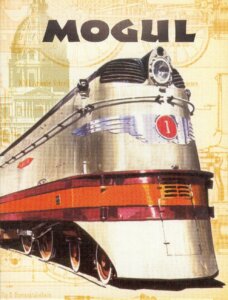
Mogul
2002
Outsmart rivals and the market in a tense railway-share auction.
45
minutes
Medium Light

View game

Rules made simple, fun made easy!
Stock Holding is a game mechanic where players purchase and manage ownership shares in separate entities, such as companies or factions, earning dividends and capital gains based on those entities' performance.
287 results
In games with Stock Holding, your identity is detached from a single faction or color. Instead, players act as external investors purchasing shares in multiple autonomous corporations or ventures, meaning several rivals can share ownership and financial stakes in the exact same enterprise.
This dynamic radically alters table politics. Running an operation efficiently helps you, but it also enriches your opponents who own the same stock, turning cutthroat competition into an exercise in aligning incentives, timing market exits, and exploiting shared efforts.
Resources accumulate over time without player intervention.
57 gamesPlayers invest in resources, aiming to profit from price fluctuations.
274 gamesPlayers complete specific agreements for rewards.
561 gamesPlayers receive extra points or rewards based on specific conditions met by the end of the game.
946 gamesPlayers earn resources or currency periodically.
476 gamesUnused resources become more valuable over time.
113 gamesPlayers allocate resources to generate future returns.
92 gamesPlayers control certain game elements, affecting strategy.
138 gamesPlayers periodically reset their progress while keeping accumulated points.
140 gamesPlayers unlock new abilities by progressing through a structured upgrade system.
248 gamesStock Holding caters primarily to strategic minds and fans of economic interaction who enjoy indirect conflict and shifting loyalties. These games lean decidedly toward the medium to heavy end of the complexity spectrum, demanding careful balance sheet management and long-term planning, making them less ideal for casual game nights or players who prefer direct ownership of a single, personal faction.
2002
Outsmart rivals and the market in a tense railway-share auction.
45
minutes
Medium Light
View game
2018
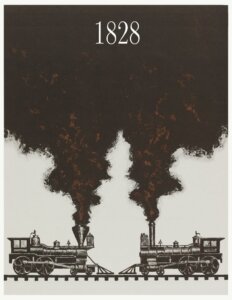
A demanding 18xx experience of companies, trains, mergers, and risk.
420
minutes
Heavy

View game
2019
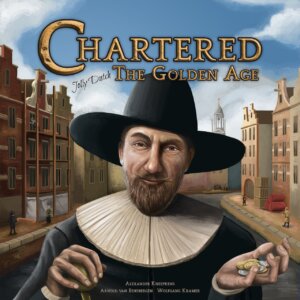
Build Amsterdam’s enterprises, invest wisely, and turn trade into wealth.
90
minutes
Medium

View game

2000
Invent outrageous companies, invest wisely, and chase the biggest IPO payouts.
45
minutes
Light

View game
2018
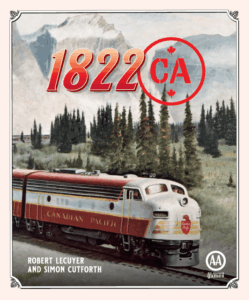
Build a coast-to-coast Canadian railway empire in a deep 18xx strategy game.
540
minutes
Heavy
View game
2005
A compact Scandinavian 18xx experience with strategic variety and a forgiving approach.
180
minutes
Medium Heavy

View game
2020
Invest in railroads and build the greatest net worth across the Deep South.
150
minutes
Medium Heavy
View game
2020
A high-stakes 18xx-inspired finance game of auctions, shares, and takeovers
240
minutes
Heavy
View game
2011
Build corporations, trade companies, and navigate a changing transportation economy.
240
minutes
Medium Heavy
View game
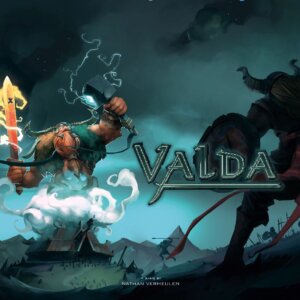
2019
Lead a Viking tribe, build temples, wield spells, and rise toward godhood.
150
minutes
Medium
View game

2020
Invest in lunar corporations and race to fill Earth's departing freight rocket.
210
minutes
Medium Heavy
View game

2020
Build shared rail networks across two maps with dual-gauge track and ruthless stock play.
90
minutes
Medium
View game

2017
Build railways, wield unusual characters, and time dividends across Spain.
90
minutes
Medium Heavy
View game
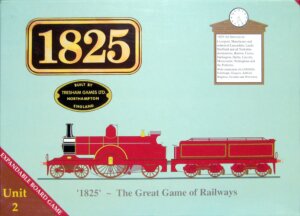
2000
Explore the Midlands in a standalone or connected 18xx experience.
180
minutes
Medium Heavy
View game

2017
A fast, strategic duel over power, progress, and public opinion
30
minutes
Medium
View game
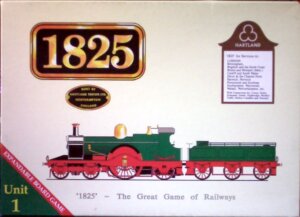
1995
Build railways, manage shares, and outmaneuver rivals across modular 18xx play.
180
minutes
Medium Heavy
View game

2017
Bid, build mines, and chase a monster in a gold rush adventure.
60
minutes
Medium
View game
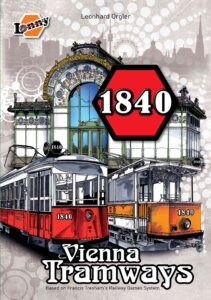
2020
Build tramway lines, manage dividends, and invest across Vienna.
240
minutes
Medium Heavy
View game

2012
Build a stable, place your bets, and chase big race purses.
60
minutes
Medium Light
View game

2010
Build railroads across Nebraska in a tense, streamlined 18xx experience.
180
minutes
Medium Heavy
View game
1999
A ruthless, luck-free race to profit from Dutch railroad investments.
45
minutes
Medium
View game

1990
Build airline value, manage your stock, and compete for the strongest portfolio.
90
minutes
Medium
View game
2004
A two-player 18xx game spanning northern England and Scotland.
120
minutes
Medium Heavy
View game

2001
Build railroads, develop settlements, and compete for control across Argentina.
120
minutes
Medium Heavy
View game
2019
Shape every round with illicit strategies, market plays, and a new investor.
60
minutes
Medium
View expansion
2020
Take Ride the Rails to two new European maps with France and Germany.
60
minutes
Medium Heavy
View expansion
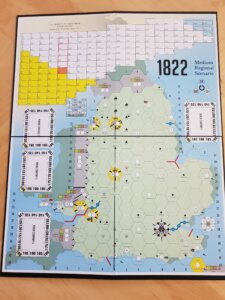
2018
Invest, operate railways, and build wealth across a focused 1822 map.
240
minutes
Heavy
View expansion
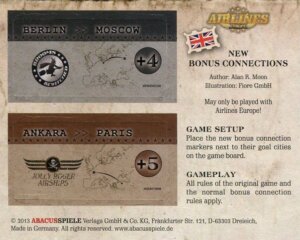
2012
Two new bonus connections expand your Airlines Europe experience.
75
minutes
Medium
View expansion
2015
Build railways across Canada in a distinctive 18xx experience.
360
minutes
Medium Heavy
View expansion
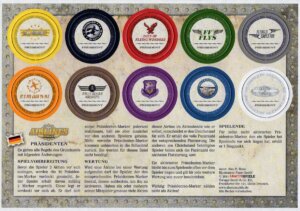
2012
Keep your airline allegiances secret and reveal the right president at the perfect moment.
75
minutes
Medium
View expansion
2018
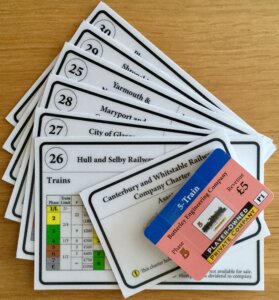
Expand your 1822 experience with new companies and late-game options.
420
minutes
Heavy
View expansion

2020
A Ruin realm tile that expands Adventure cards and Magic gains.
200
minutes
View expansion
2021
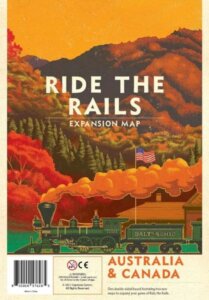
Explore Australia and Canada with new routes, bonuses, and company introductions.
60
minutes
Medium Heavy
View expansion
2018
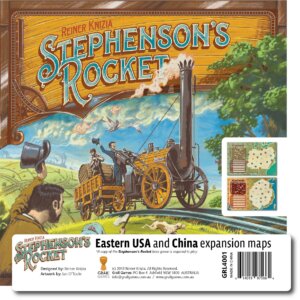
Add two alternative maps and fresh variety to a classic railway game.
90
minutes
Medium Heavy
View expansion

2011
Tighten the network with a strategic flight-ban blocking variant.
75
minutes
Medium
View expansion
2004
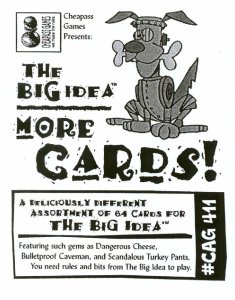
A quirky 64-card assortment featuring Dangerous Cheese and more.
45
minutes
Light
View expansion
Stock holding is a game mechanic where players invest personal capital into autonomous entities like companies or nations rather than playing as a single color or faction. Because ownership is divided into shares, multiple opponents can own stakes in the exact same venture, sharing in its dividend payouts and asset growth. Success depends on building a valuable investment portfolio and timing market trades rather than defending a personal board position.
While standard engine building focuses on upgrading your own private production machine, stock holding strictly separates player wealth from company treasuries. You can purchase shares in an engine run by an opponent, allowing you to profit directly from their hard work and operational decisions. It also allows you to divest completely, liquidating your stake in a stagnant company to reinvest in a booming competitor.
Approachable card games with quick rounds and simple portfolio scoring are ideal starting points. For example, Startups offers fast-paced company speculation and majority-holding battles in just 20 minutes for ages 10 and up. For younger players, Botswana teaches the basics of shifting market values and asset collection in 20 to 30 minutes for ages 7 and up.
Stock holding games almost universally perform best at 4 players. Four players provide enough competing capital to create genuine stock-market friction, contested corporate directorships, and fluid partnerships without bloating playtime. Medium-weight staples like Acquire and Wabash Cannonball both list 4 as their optimal player count for balanced table dynamics.
Most stock holding games struggle at two players because shared corporate ownership usually collapses into a zero-sum duel. When only two players participate, buying stock in an opponent’s enterprise rarely generates clever leverage, and the player holding the primary company often runs away with the game. Stock markets thrive on shifting coalitions and divided stakes, which require at least three or four active investors to emerge naturally.
Pure stock holding games rarely support solo play because corporate evaluation, share dumping, and hostile takeovers rely heavily on human competition. However, some heavier strategic games incorporate economic share tracks alongside automated bot systems. For example, Maracaibo accommodates 1 to 4 players and includes dedicated solo mechanisms, though its market dynamics shine brightest with 3 human players.
In most titles, the player holding the single largest share of an entity acts as its director or president and makes all operational decisions. That controlling shareholder chooses where the company expands on the board, what equipment it purchases, and whether corporate income is paid out as dividends or kept in reserve. If an opponent buys enough stock to claim the majority stake, control transfers immediately, effectively taking over the enterprise.
Separating personal funds from corporate treasuries prevents players from simply subsidizing failing businesses out of pocket and forces distinct strategic considerations. Players buy shares and win the game using their personal cash, while companies spend their own treasuries to build track, factories, or routes. Mismanaging an enterprise’s cash flow can leave the business bankrupt even if the player directing it is personally wealthy.
The most common beginner mistake is treating a company like a personal faction and becoming emotionally attached to its success. Skilled investors treat companies merely as tools, happily selling off declining shares or sticking an opponent with directorship right before an enterprise collapses. Newcomers also often ignore the value of “free-riding,” where you buy a minority stake in a rival’s company and force them to do the work that earns you dividends.
Demanding titles in this space feature intricate market charts, high player interaction, and punishing economic consequences. The legendary railroad classic 1830: Railways & Robber Barons delivers intense corporate directorship battles and bankruptcy risks across 3 to 6 hours. For industrial operations, Chicago 1875: City of the Big Shoulders combines deep company stock manipulation with strategic worker placement.
Play times range from brief card-driven fillers to multi-hour economic marathons. Accessible introductory games like Startups wrap up in roughly 20 minutes, while mid-weight classics like Acquire take around 90 minutes. Heavy operational titles like 1856: Railroading in Upper Canada from 1856 require a dedicated group and can last up to 300 minutes.
