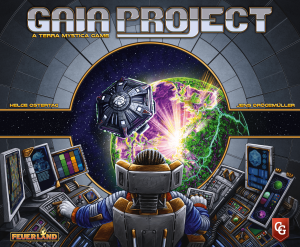
Gaia Project
2017
Terraform worlds, develop technology, and compete to build a galactic empire.
150
minutes
Heavy

View game

Rules made simple, fun made easy!
Victory Points as a Resource is a game mechanic where the score markers used to determine the winner can also be spent as currency to trigger effects, purchase assets, or activate powerful actions.
212 results
In most tabletop games, victory points exist in a secure pool that only ever grows toward the final tally. Treating points as a liquid currency changes that fundamental assumption: every score point you earn is also a potential spendable asset. Players must constantly choose between locking in progress toward victory or sacrificing their current standing to build momentum, acquire rare assets, or trigger immediate benefits.
This dynamic introduces intense, self-regulated risk at the table. Spending points feels painful in the short term, but doing so often unlocks higher operational efficiency or engine-building power that pays off later. The result is a shifting leaderboard where a player in last place may simply be reinvesting heavily for a dramatic late-game surge.
Players spend points to perform actions.
2,097 gamesPlayers pre-plan a sequence of actions that are executed in order.
701 gamesPlayers must retrieve spent actions or workers to use them again.
158 gamesActions trigger subsequent actions in a chain reaction.
147 gamesPlayers can mimic or react to another player’s action.
96 gamesPlayers act simultaneously rather than in turns.
355 gamesPlayers spend resources to take movement actions.
107 gamesPlayers select actions from a circular track, with movement restrictions.
193 gamesPlayers secretly choose their actions and reveal them at the same time.
1,557 gamesThis mechanic primarily appeals to strategic planners who enjoy calculated risk, engine building, and long-term return-on-investment puzzles. Titles featuring this system lean heavily toward medium and medium-heavy complexity, with very few light designs taking this route. Groups that dislike volatile score tracks or dread the feeling of moving backward on a leaderboard may find it stressful, but competitive players who appreciate crunchy economic trade-offs will thrive on the tension.
2017
Terraform worlds, develop technology, and compete to build a galactic empire.
150
minutes
Heavy
View game
2016
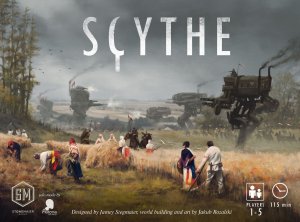
Build an engine, expand your faction, and vie for control in alternate-history Europa.
115
minutes
Medium Heavy

View game

2012
Terraform, expand, and outmaneuver rival peoples in a deep strategy game.
150
minutes
Medium Heavy
View game
2015
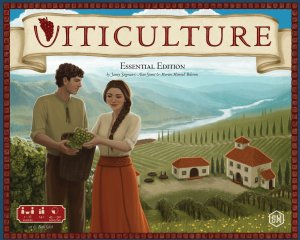
Build a Tuscan winery through seasonal worker placement and clever planning.
90
minutes
Medium

View game
2015
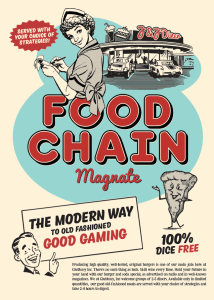
Build a fast-food empire through ruthless hiring, marketing, and sales strategy.
240
minutes
Heavy
View game
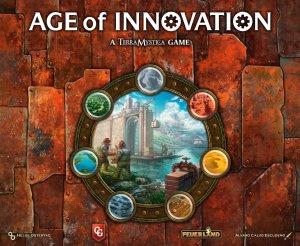
2023
Terraform new homelands, develop unique factions, and shape a culture of innovation.
200
minutes
Heavy
View game
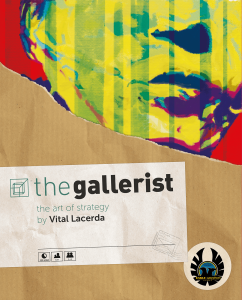
2015
Run a gallery, shape artistic trends, and build a world-class reputation.
150
minutes
Heavy
View game
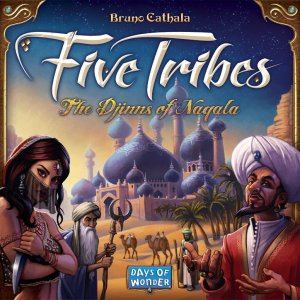
2014
Maneuver five tribes, summon Djinns, and seize control of Naqala.
80
minutes
Medium
View game

2016
Sneak past the dragon, build your deck, and escape with priceless loot.
60
minutes
Medium
View game

2025
Build luxury starships, expand your network, and compete to become CEO.
150
minutes
Medium Heavy
View game

2018
Build a legendary city, master your workforce, and earn the gods’ favour.
120
minutes
Medium Heavy
View game

2002
Build routes, chase shipments, and survive aggressive creditors.
120
minutes
Medium Heavy
View game
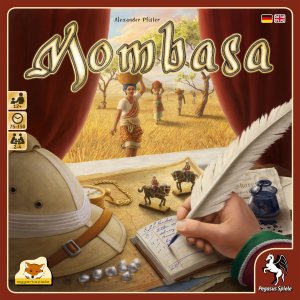
2015
Plan your cards, expand across Africa, and invest for the greatest fortune.
150
minutes
Medium Heavy
View game
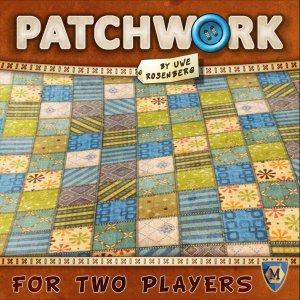
2014
Piece together a quilt, manage your buttons, and outscore your rival.
30
minutes
Medium Light

View game

2023
Build thriving ecosystems through clever card synergies and growth.
90
minutes
Medium
View game
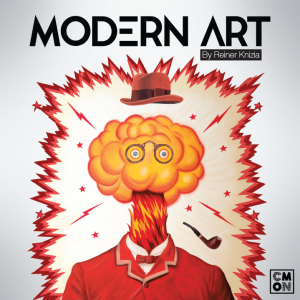
1992
Auction paintings, manage cash, and outbid rivals across four rounds.
45
minutes
Medium
View game
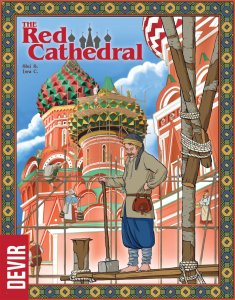
2020
Build St. Basil’s Cathedral, claim sections, and earn the Tsar’s favor.
80
minutes
Medium
View game

2014
Develop your farm, deliver goods, and compete for Mallorca’s top estate.
120
minutes
Medium Heavy
View game

2005
Build companies, control shipping, and time your fortune.
240
minutes
Medium Heavy
View game
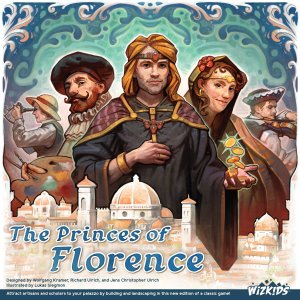
2000
Attract brilliant minds and build prestige in Renaissance Florence.
100
minutes
Medium Heavy
View game

1995
Bid boldly, fill your ship, and outsmart rival merchants
60
minutes
Medium
View game
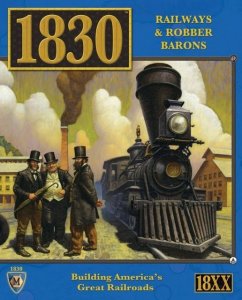
1986
Build fortunes through ruthless stock play and railroad expansion.
360
minutes
Heavy
View game
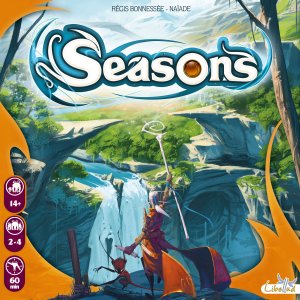
2012
Draft your magical arsenal and outscore rival sorcerers across the seasons.
60
minutes
Medium
View game

1963
Build business empires, outsmart mergers, and race for the greatest wealth.
90
minutes
Medium
View game
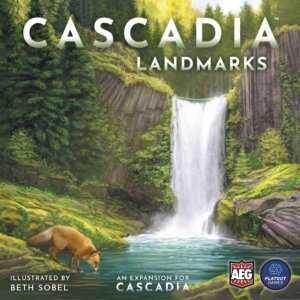
2023
Build sprawling habitats and add natural landmarks with dynamic endgame bonuses.
45
minutes
Medium
View expansion

2021
Add pearls of power and discover new paths to mystical domination.
60
minutes
Medium
View expansion

2013
Expand your Seasons experience with new cards, enchantments, and abilities.
60
minutes
Medium
View expansion

2024
Explore a lost fleet, discover new sectors, and expand Gaia Project with four factions.
150
minutes
Heavy
View expansion
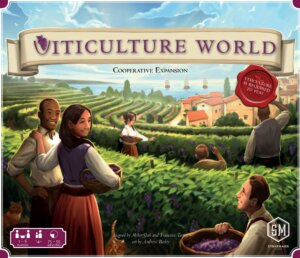
2022
Work together across asymmetric regions to earn global recognition
120
minutes
Medium Heavy
View expansion

2016
Four modular additions for cacao, chocolate, huts, irrigation, and maps.
60
minutes
Medium
View expansion
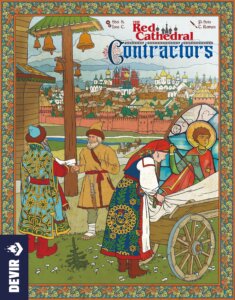
2022
Send contractors across Russia and recruit specialists for the cathedral.
90
minutes
Medium
View expansion
2025
Expand Earth with richer interaction and more ways to curate your hand.
90
minutes
Medium Heavy
View expansion

2014
Expand your Fleet with modular cards, fresh bonuses, and new strategic paths.
30
minutes
Medium
View expansion
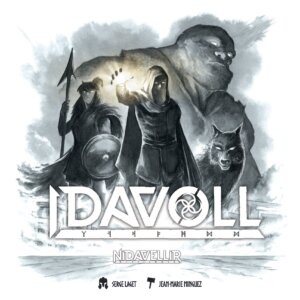
2022
Expand your army with gods, giants, Valkyries, and mythical animals.
45
minutes
Medium
View expansion

2022
Take Europe’s finest dogs for a walk with new abilities.
80
minutes
Medium
View expansion

2022
Bring 29 celebrated dogs from page, stage, and screen to Dog Park.
80
minutes
Medium
View expansion
It means the score you need to win the game can also be spent during play as currency to buy upgrades, activate powers, or trigger actions. Instead of treating your points as an untouchable score bank, the game forces you to decide whether holding points or reinvesting them will yield a better outcome. Spending points temporarily lowers your standing, but it can accelerate your production or unlock powerful abilities for future turns.
Standard currency exists only to buy goods and has no direct value at the end of the game unless converted via a specific rule, whereas victory points directly determine the winner. When points double as money, every transaction represents a direct deduction from your final standing rather than an exchange of temporary wealth. This makes every purchase an explicit calculation of return on investment against your winning condition.
Patchwork is an ideal starting point that clearly demonstrates the concept. Designed for 2 players with games lasting 15 to 30 minutes, it uses buttons as both the currency to buy quilt patches and the final scoring metric. Because every button you spend is a point subtracted from your final score, players learn immediately how to weigh current operational efficiency against final tally value.
It can work well with casual groups if you choose lighter games with straightforward arithmetic and shorter runtimes. Accessible options like Majesty: For the Realm play in 20 to 30 minutes and are suitable for ages 7 and up, keeping point transactions simple and fast. However, games with punishing conversion rates or heavy point burns may frustrate players who dislike losing visible progress on the board.
Yes, many games featuring this mechanic work exceptionally well with 2 players. Patchwork is built exclusively for 2, while titles like Five Tribes: The Djinns of Naqala and Seasons are voted best with a 2-player count on BoardGameGeek. In a head-to-head format, spending points introduces sharp zero-sum tension because any drop in your score directly changes the margin your opponent needs to overcome.
Yes, several solo-compatible titles incorporate point spending into their economic puzzle. Games such as Scythe, Gaia Project, and Viticulture Essential Edition support solo play starting from 1 player. In solo modes, point spending acts as a strict efficiency gate, forcing you to calculate whether sacrificing score allows you to hit target thresholds before the automated opponent or timer cuts you off.
The most common error is spending points too late in the game when there are not enough turns remaining to recoup the investment. Spending victory points is effectively an investment that must generate a net positive return; doing so in the final rounds rarely pays off. Another frequent pitfall is hoarding points from the very start, which leaves you with a sluggish engine while opponents who reinvested pull far ahead.
A point expenditure is worthwhile if the purchased asset will reliably generate more points than its upfront cost before the game ends. Early in the game, sacrificing points is generally profitable because long-term production upgrades have plenty of rounds to multiply your yield. As the end-game trigger approaches, you should stop spending points and shift entirely into scoring mode, banking every point you can find.
Experienced players who enjoy deep economic optimization will appreciate medium-heavy and heavy games where scoring sacrifices drive engine velocity. Titles like Terra Mystica and Gaia Project feature tight resource conversion webs where giving up score or points opens critical development routes. In these heavy designs, mistiming a point expenditure can derail your strategy, making risk management deeply satisfying.
Playtime varies widely depending on complexity, ranging from brisk 15-minute card games to multi-hour heavy simulations. Lighter titles like Fairy Tale Inn wrap up in 15 to 20 minutes, medium games such as Clank!: A Deck-Building Adventure run 30 to 60 minutes, and heavier designs like Food Chain Magnate can extend up to 240 minutes. Checking the complexity level before sitting down helps set the right expectations for session length.
