
Mascarade
2013
Claim identities, shuffle roles, and race to 13 coins.
30
minutes
Medium Light

View game

Rules made simple, fun made easy!
Bluffing games challenge players to conceal their true intentions, deceive opponents, and read social cues to gain an advantage. They center on manipulating shared perceptions through strategic misinformation, bold wagers, and calculated deception.
1,114 results
At its core, the Bluffing theme shifts the battlefield from the game board directly into the minds of the players. Success depends far less on memorizing rigid rules or tracking public resources and far more on observing eye contact, vocal hesitation, and betting patterns. Players must decide when to project unearned confidence to scare off rivals and when to feign vulnerability to spring a trap.
This dynamic creates intense psychological drama at the table, where every claim, bid, or face-down card demands scrutiny. Because the true state of play remains partly obscured, moments of revelation deliver sharp emotional swings, turning ordinary turns into tense standoffs and memorable shared surprises.
This theme is an excellent match for social groups, party crowds, and players who value direct interaction and psychological sparring over quiet arithmetic. The vast majority of these titles lean toward light and accessible rules, making them exceptionally easy to teach and play in casual settings, though a substantial portion offers medium-weight depth with enough tactical grit to satisfy competitive strategists.
2013
Claim identities, shuffle roles, and race to 13 coins.
30
minutes
Medium Light
View game

1994
Plot, scheme, and command younger vampires from the shadows.
120
minutes
Medium Heavy

View game

2002
Secret roles, sharp-shooting cards, and a wild western showdown
40
minutes
Medium Light
View game

2015
Build empires, trade commodities, and survive calamities across history.
720
minutes
Medium Heavy
View game

2017
Create a romance full of laughs, compromises, surprises, and difficult choices.
120
minutes
Medium

View game
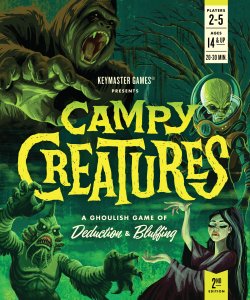
2017
Outguess rivals and capture valuable mortals across three eerie nights.
30
minutes
Medium Light
View game
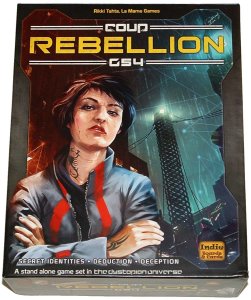
2014
Bluff, challenge, and outlast your rivals in a changing cast of roles.
15
minutes
Medium Light
View game

2024
Bid in secret, outmaneuver rivals, and claim the sky kingdom’s starfall.
75
minutes
Medium
View game

2000
Place hidden bids, gather treasure, and claim powerful artifacts.
90
minutes
Medium
View game

2009
Build your way to victory with clever cards, timing, and tactical choices.
45
minutes
Medium
View game

2016
Uncover the wires, protect your secret identity, and decide the bomb’s fate.
30
minutes
Light

View game
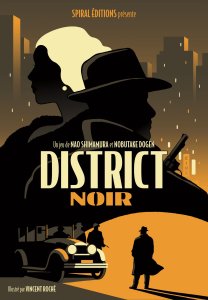
2016
A tense two-player battle of bluffing, timing, and clever card collection
20
minutes
Light
View game
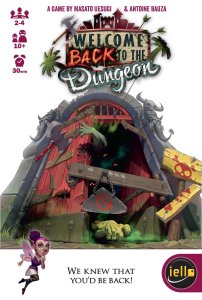
2016
Push your luck, outwit opponents, and dare to face the dungeon’s monsters.
30
minutes
Light
View game
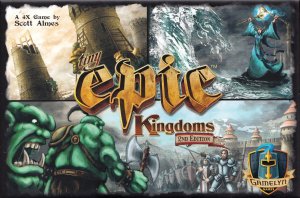
2014
Build a mighty realm, master magic, and outmaneuver rival kingdoms.
45
minutes
Medium
View game
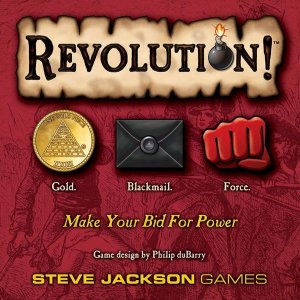
2009
Secretly bid, bluff, and seize territories in a fast-paced struggle for victory.
60
minutes
Medium
View game
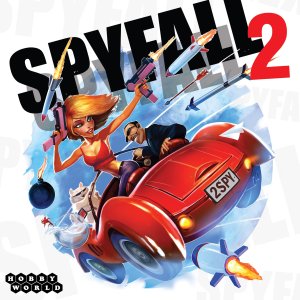
2016
Ask clever questions, spot the spies, and bluff your way to victory.
15
minutes
Light
View game
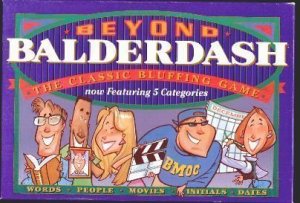
1993
Invent outrageous answers, bluff convincingly, and hope the truth is stranger.
45
minutes
Light
View game

2002
Hide your color, shape the clans, and score at the perfect moment.
30
minutes
Medium
View game

2011
Read your opponent, weigh every card, and unleash fighting-game combos.
30
minutes
Medium
View game

2013
Build your history, trigger card combos, and outscore rival civilizations.
120
minutes
Medium Heavy
View game

2004
Bluff, broker, and outmaneuver rivals to claim jewels and build your fortune.
90
minutes
Medium
View game

2025
Host secret celebrations, evade enforcers, and protect a vibrant community.
120
minutes
Medium Heavy
View game

2009
Survive the ice age by building the largest tribe.
60
minutes
Medium
View game

2023
Outwit rival predators and capture 5 food markers to become the munch king.
20
minutes
Light
View game
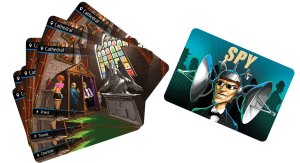
2014
Add a Cathedral setting and a Spy card to your Spyfall collection.
15
minutes
Medium Light
View expansion

2019
Take the battle skyward with an airship board and 20 new characters.
60
minutes
Medium Light
View expansion
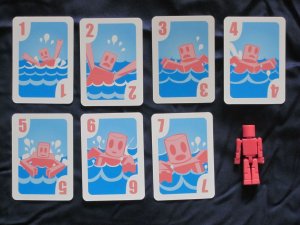
2011
Add a new contender to the race against the hungry shark.
10
minutes
Light
View expansion

2013
Add the Inquisitor role and uncover another player's affiliation.
30
minutes
Medium Light
View expansion

2019
Add a durable Republic bomber and legendary pilots to your squadron.
45
minutes
View expansion

2020
Customize a Firespray-class craft with Jango Fett and 13 strategic upgrades.
45
minutes
View expansion
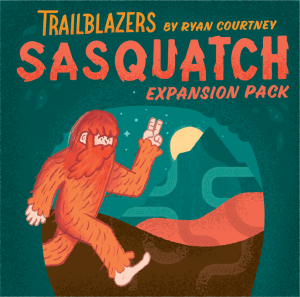
2024
Cooperate on trails while a hidden Sasquatch quietly sabotages your plans.
30
minutes
Medium
View expansion
A bluffing board game centers on concealing your true position, projecting false confidence, or misleading opponents about your cards, roles, or future actions. Players succeed by reading physical or verbal cues, baiting rivals into traps, and convincing others to make critical mistakes based on false information.
Social deduction focuses on identifying which players belong to which secret teams through debate and voting, whereas bluffing centers on deceiving rivals about your specific game resources, bids, or immediate tactical moves. In games like Skull, players bluff strictly with face-down cards and high wagers without any factional roles, while titles like The Resistance focus primarily on uncovering hidden loyalties.
Yes, two-player bluffing games replace group interrogation with tense, direct psychological duels. In Android: Netrunner, one player installs hidden cards that could be vital objectives or game-ending traps, forcing the rival to gauge the risk of running into them. Similarly, Star Wars: X-Wing Miniatures Game uses secret flight dials where anticipating the opponent’s maneuvers determines positioning in dogfights.
Light games with brief rules and fast rounds are the best starting point because they let newcomers focus purely on reading opponents. Coup teaches character-claiming and challenging in quick 15-minute rounds where anyone can claim any role until called out. For an even purer test of nerve, Skull reduces the concept to a minimal game of chicken using simple flower and skull coasters.
Yes, several bluffing games feature accessible rules and family-friendly themes that keep deception lighthearted rather than stressful. Titles like Saboteur and BANG! The Dice Game have a minimum age rating of 8 and use hidden roles without complex arithmetic. These games emphasize playful suspicion and quick turns, making them fun for mixed-age gatherings.
Party groups benefit most from games that support seven or more players and keep everyone engaged between turns. One Night Ultimate Werewolf plays up to 10 participants in rapid 10-minute sessions filled with fast, conflicting claims. For a group seeking tense political debates, Secret Hitler accommodates 5 to 10 players and is widely considered best at 8.
Yes, several medium-heavy strategy games weave deception and hidden intentions into deep tactical frameworks. In Rising Sun, combat resolves via simultaneous, secret coin bidding where misdirecting rivals about your military priorities can secure unexpected advantages. Meanwhile, Battlestar Galactica: The Board Game layers traitor mechanics and subtle sabotage across epic, multi-hour cooperative sessions.
No, winning bluffers often tell the truth most of the time so their occasional deceits remain completely unexpected. If you lie on every turn, opponents quickly recognize the pattern and call your hand every time. In Sheriff of Nottingham, for instance, building a track record of truthful declarations makes an eventual shipment of smuggled goods far easier to slip past inspection.
Most bluffing titles are designed for quick pacing, typically taking between 15 and 45 minutes to finish. Fast card games like Coup finish in about 15 minutes, whereas board games with broader story arcs or survival elements, like Dead of Winter: A Crossroads Game, can stretch to 60 or 120 minutes.
A frequent mistake is bluffing randomly without calculating the risk-to-reward ratio of being caught. Beginners also tend to alter their body language, speech patterns, or decision speed drastically whenever they attempt to deceive. Experienced players strive to keep their demeanor, eye contact, and timing identical whether they are holding the best play at the table or nothing at all.
Bluffing games generally cannot be played solo because the core dynamic relies entirely on reading human behavior, hesitation, and emotional tells. While an automated bot can introduce random hidden information, it cannot feel social pressure, attempt deliberate psychological misdirection, or fall for a carefully crafted human feint. Solo players looking for strategic tension are better served by deterministic puzzle games than social bluffing titles.
