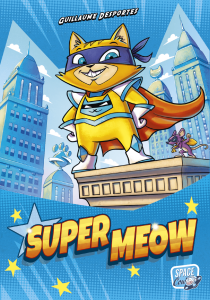
Super Meow
2023
Build your deck, recruit the cat, and complete the superhero duo.
15
minutes
Light

View game

Rules made simple, fun made easy!
A Children's Game is a tabletop game designed specifically for younger players, focusing on accessible rules, engaging themes, and foundational social or cognitive skills. These titles emphasize active participation and quick turns so that kids can play independently or alongside adults.
607 results
At its core, a Children’s Game bridges the gap between structured rules and playful exploration. The focus is always on clear objectives, tactile appeal, and low barriers to entry. Themes frequently center on friendly animals, familiar media, or whimsical fantasy settings, ensuring that the presentation immediately captures a child’s attention while keeping the atmosphere welcoming and positive.
At the table, these games serve as natural entry points into the broader hobby. They foster patience, turn-taking, and basic tactical thinking without the pressure of heavy calculation. Because turns are fast and rules are intuitive, they prevent downtime and help young players build confidence in their own decision-making.
This category is tailor-made for families, early learners, and mixed-age groups seeking an inclusive tabletop experience. Mechanically, the vast majority of these titles fall squarely into the light category, prioritizing low cognitive load and immediate comprehension, though a smaller portion introduces medium-light rules that guide growing players toward deeper hobby concepts.
2023
Build your deck, recruit the cat, and complete the superhero duo.
15
minutes
Light
View game
2016
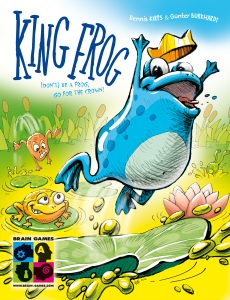
Hop, plan, and outmaneuver rival frogs to claim the crown!
15
minutes
Light
View game
2002
Race camels through shifting desert sands to claim valuable market treasures.
20
minutes
Light
View game
2005
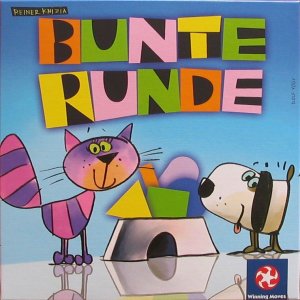
A colorful circle of clever movement, collection, and timed scoring
15
minutes
Light
View game
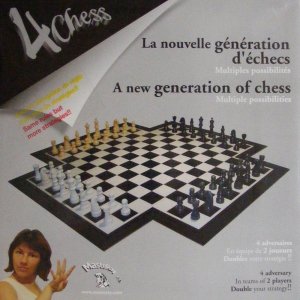
1881
A four-sided chess battle where alliances and rules can change the game
45
minutes
Medium

View game
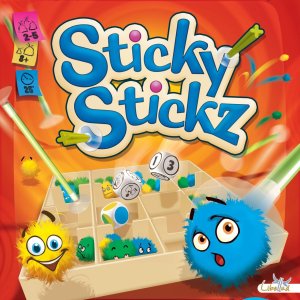
2011
Race to grab matching face tiles with your Sticky Stick before the wells empty.
10
minutes
Light
View game
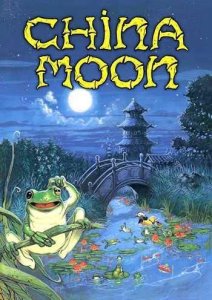
1996
Lead a team of frogs in a moonlit race for a beautiful lotus bouquet.
30
minutes
Medium Light

View game
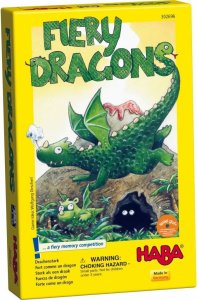
2006
A fast memory race where baby dragons circle a bubbling volcano.
15
minutes
Light
View game
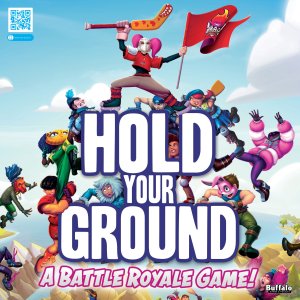
2024
Battle for control as exploding tiles scatter battlers across a chaotic island.
40
minutes
Light
View game
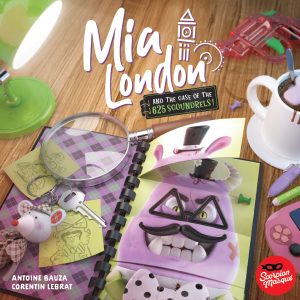
2020
Track the missing accessory and unmask one of 625 notorious scoundrels.
15
minutes
Light
View game
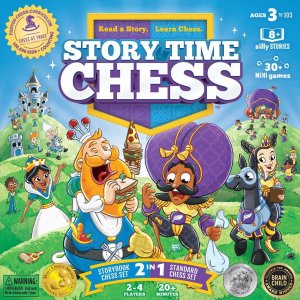
2019
A playful introduction to chess through stories, art, and custom pieces
Light
View game
2009
Slide tiles, build crab groups, and chase the most valuable haul.
30
minutes
Medium
View game
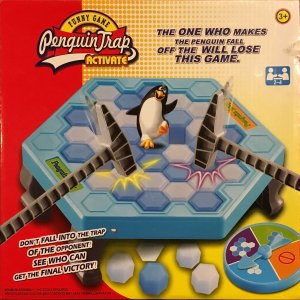
2017
A colourful hex-block challenge with a spinner-driven twist
10
minutes
Light
View game
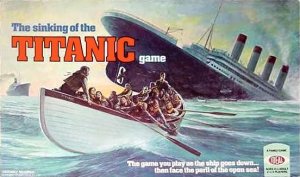
1975
Rescue passengers, survive the sinking, and reach safety first.
60
minutes
Light
View game
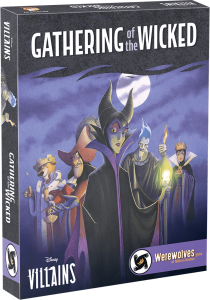
2021
Bluff, debate, and unmask traitors in a realm where every villain has secrets.
30
minutes
Medium Light
View game
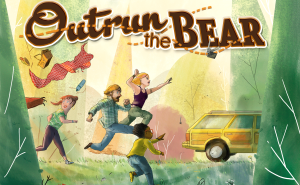
2023
Manage your cards, outpace the bear, and leave your friends behind.
45
minutes
Medium Light
View game
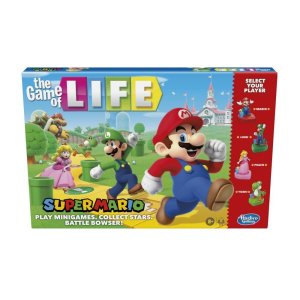
2021
Journey through the Mushroom Kingdom, power up, and spin to defeat Bowser!
120
minutes
Light
View game
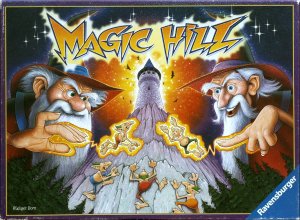
2001
Race five goblins up a five-tier magic mountain using numbered cards.
30
minutes
Medium Light
View game

2021
Choose festive goodies, outscore your rivals, and watch the Grinch's heart grow!
Medium Light
View game
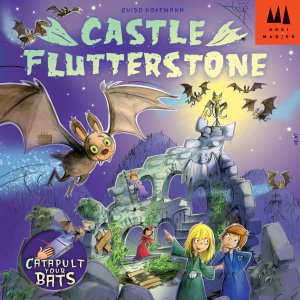
2016
Flap your way through haunted ruins to claim the golden bat trophy!
25
minutes
Medium Light
View game
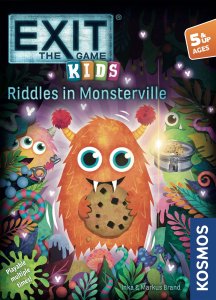
2023
Track down ten stolen cookie tins by solving tricky monster riddles.
20
minutes
Medium Light
View game
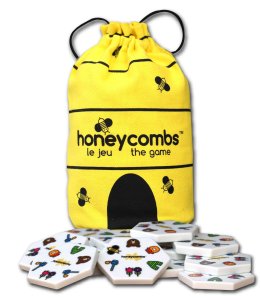
2016
Match symbols, build honeycombs, and score points in three clever ways.
30
minutes
Medium Light
View game
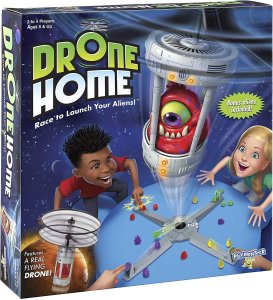
2020
Launch your aliens, survive the delay, and be first to send them all home.
15
minutes
Light
View game
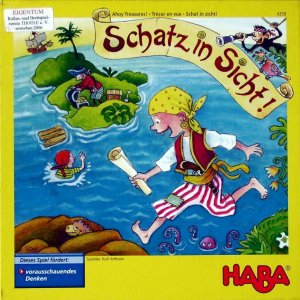
2006
Race, stack, and roll your way to the island’s most valuable treasure.
20
minutes
Light
View game

2019
Add a Y-shaped junction and reshape your PitchCar track layout.
30
minutes
Light
View expansion
2024
Expand the map, fortify your defenses, and scorch nearby locations.
60
minutes
Medium
View expansion
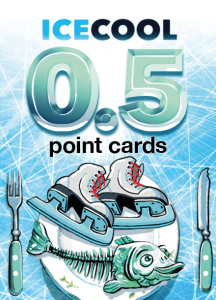
2017
Add surprise extra turns with four half-point scoring cards.
Light
View expansion
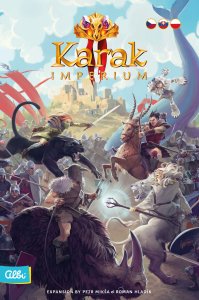
2024
Add player-vs-player conflict and the Crown-focused Imperium mode.
90
minutes
Medium
View expansion
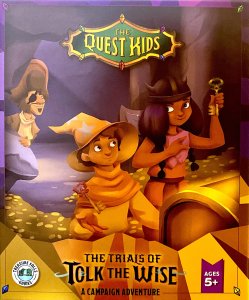
2021
A story-driven fantasy campaign of puzzles, choices, and new abilities
45
minutes
Light
View expansion

2011
Add clever powers and one-way walls to the magnetic maze challenge
20
minutes
Light
View expansion
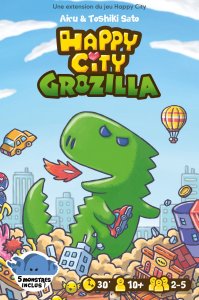
2023
Poke the beasts, risk destruction, and unleash chaos in town!
30
minutes
View expansion
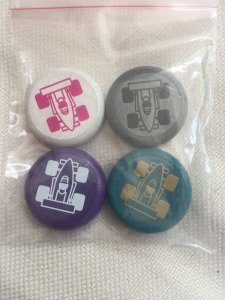
2018
Add four colorful challengers and expand the race to 12 players.
30
minutes
Light
View expansion
A children’s board game is designed specifically for younger players, prioritizing accessible rules, sturdy components, and active engagement over complex calculation. These games feature brief play times, low downtime between turns, and colorful, tactile pieces that encourage hands-on interaction. They introduce foundational concepts like turn-taking, spatial awareness, and basic tactical planning in an encouraging, low-pressure setting.
Games focused on physical dexterity and visual recognition are ideal starting points for 5- and 6-year-olds. For example, Rhino Hero has a minimum age of 5 and lets kids build a three-dimensional cardboard tower to practice fine motor control. Visual matching games like Spot it! and flicking games like ICECOOL are rated for ages 6 and up, offering fast, 15- to 30-minute sessions that hold young attention spans.
Yes, well-designed children’s games frequently provide genuine fun for older siblings and parents through tactile skill and clever puzzles. Dexterity titles like ICECOOL challenge players of all ages to master curved flicking shots through doorways. Similarly, classic spatial puzzles like Labyrinth present shifting board states that require smart route-planning from kids and adults alike.
Yes, cooperative children’s games allow young players and adults to team up against a shared challenge on the board. A premier example is Ghost Fightin’ Treasure Hunters, which seats 2 to 4 players and focuses on working together to collect treasure before rooms become haunted. Cooperative formats eliminate direct player elimination and teach teamwork, communication, and collective decision-making.
Most children’s games last between 15 and 30 minutes to match younger players’ developing attention spans. Quick-playing dexterity titles like Rhino Hero can conclude in 5 to 15 minutes, while introductory strategy games like Catan: Junior take roughly 30 minutes. Keeping sessions under 45 minutes ensures players stay engaged and eager for another round rather than feeling fatigued.
Children’s games build both cognitive abilities and emotional resilience through active social play. Pattern recognition games like Spot it! strengthen visual processing and speed, while abstract grid games like Quoridor introduce basic forward planning and spatial reasoning. Beyond cognitive skills, tabletop play teaches patience, how to follow agreed-upon rules, and how to win and lose gracefully.
Simplified family editions translate core hobby mechanics into intuitive, kid-friendly formats. A title like Catan: Junior introduces resource collection, trading, and route expansion using accessible pirate-themed tokens and rolling dice. By mastering these stepping-stone rules early, young players smoothly transition toward more strategic modern board games as they grow.
Yes, many games suitable for younger audiences are specifically balanced for heads-up, two-player matches. Abstract strategy games like Quarto and Cathedral are dedicated 2-player designs that take 20 minutes and teach spatial tactics using tactile wooden pieces. Additionally, grid games like Quoridor play best with 2 players, offering focused, direct interaction with zero downtime.
While most children’s games prioritize social interaction, several family-oriented titles include dedicated solo rules. For instance, My Little Scythe supports 1 to 6 players and includes an automated opponent system that simulates another participant. Solo play lets kids explore action selection, practice rules, and build confidence independently when siblings or parents are unavailable.
The most common mistake is choosing games with rules that exceed a child’s developmental age, leading to quick frustration. Over-enforcing strict rule technicalities early on can also stifle the fun; it is often better to adjust rules dynamically until everyone grasps the basics. Sticking to titles with rapid turn-taking keeps downtime minimal, which prevents younger kids from wandering away from the table.
Look for robust physical components, intuitive visual iconography, and quick setup times. Thick cardboard, chunky wooden figures, or durable plastic withstand frequent play and rough handling by little hands. Clear visual goals, like the physical card-stacking in Rhino Hero, ensure kids immediately understand how to participate without needing complex text explanations.
