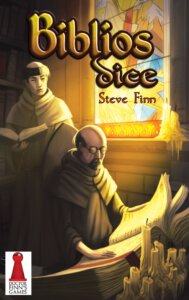
Biblios Dice
2015
Build your abbey’s prestige through resources, production, and strategic auctions.
30
minutes
Medium Light

View game

Rules made simple, fun made easy!
The Medieval board game theme immerses players in the Middle Ages, focusing on feudal politics, castle construction, trade guilds, and armed conflict. These games task players with expanding realms, managing agrarian economies, or leading knights across contested historical territories.
1,558 results
At its core, the Medieval theme captures the struggle for influence and survival in a world shaped by castles, kingdoms, and faith. Whether framing strategic siege warfare or the patient development of a countryside estate, it grounds table play in recognizable feudal hierarchies where land, labor, and martial power dictate success.
At the table, this setting provides an intuitive backdrop for both economic planning and direct territorial competition. Players immediately understand the value of fortifying strongholds, securing trade routes, and marshaling troops, making complex strategic trade-offs feel logical and historically grounded.
Medieval titles appeal broadly to fans of historical progression, resource planning, and tactical map control. The vast majority of titles in this space sit comfortably in the medium to medium-heavy complexity range, offering substantial strategic meat without overwhelming casual hobbyists, while truly featherweight options remain relatively rare.
2015
Build your abbey’s prestige through resources, production, and strategic auctions.
30
minutes
Medium Light
View game
2011
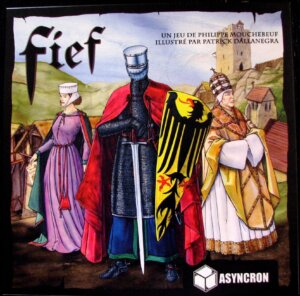
Conquer, negotiate, and forge alliances in a medieval struggle for power.
120
minutes
Medium Heavy

View game
2012
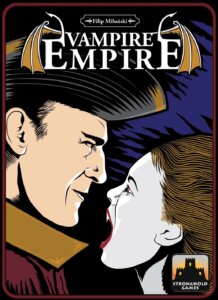
Unmask hidden vampires in a tense two-player bluffing battle.
30
minutes
Medium

View game

2013
Build a noble family’s influence across the rise and fall of Venice.
90
minutes
Medium Heavy
View game
2016
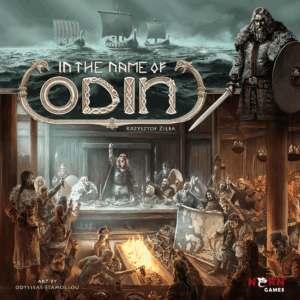
Build your village, gather allies, and seek fame as Odin’s next Jarl.
60
minutes
Medium
View game
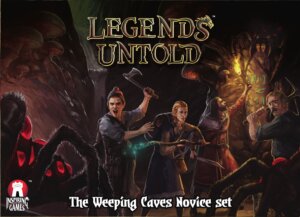
2019
Co-operative cave-crawling adventure with teamwork, tactics, and discovery
60
minutes
Medium Heavy
View game
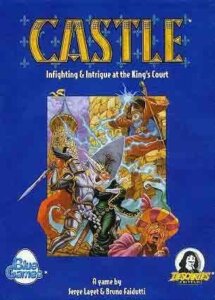
2000
Build your medieval stronghold, trigger card actions, and empty your hand first.
30
minutes
Medium Light
View game
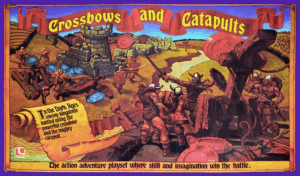
1983
Build your fort, then blast through your opponent’s walls.
30
minutes
Light

View game
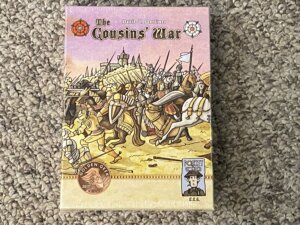
2018
Bluff, battle, and influence decide the fate of England.
30
minutes
Medium
View game
2024
Shape a new Swedish kingdom as power shifts at the end of the Viking age.
120
minutes
Medium
View game
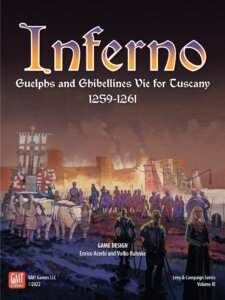
2023
Lead Guelph or Ghibelline forces through Tuscany’s bloody medieval struggle.
360
minutes
Heavy

View game

2023
Chase a mad imp through a perilous labyrinth in this co-op adventure.
150
minutes
Medium
View game
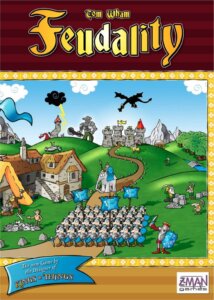
2011
Build your fiefdom, gather wealth, and rise from baron to king.
90
minutes
Medium
View game
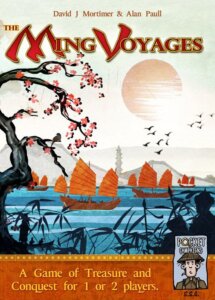
2020
Command voyages, defend the borderlands, and outplay your rival
30
minutes
Medium
View game
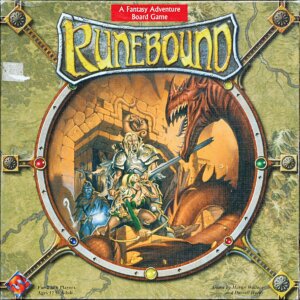
2004
Race across Terrinoth, grow stronger, and face the Dragonlord.
120
minutes
Medium
View game
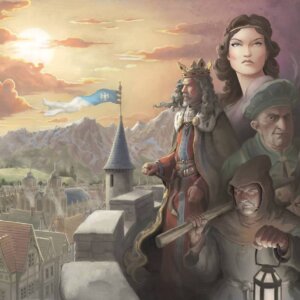
2019
Build prosperity, outwit rivals, and guide your kingdom toward enlightenment.
45
minutes
Medium
View game
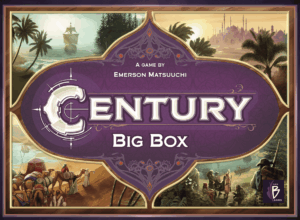
2023
Three Century titles, promos, and seven ways to combine them
45
minutes
Medium
View game
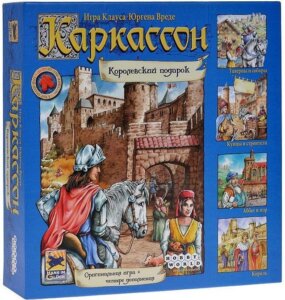
2013
The Carcassonne base game joined by four notable expansions.
90
minutes
Medium Light
View game

2023
Master a Disney villain’s unique path to victory
50
minutes
Medium
View game

2022
Secret potions, shifting personalities, and medieval ambitions collide.
60
minutes
Medium
View game
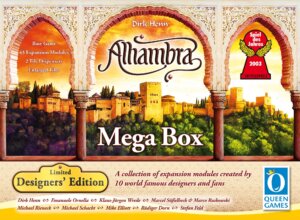
2019
Build an iconic palace with an expansive collection of Alhambra content.
60
minutes
Medium
View game

2022
Command rival armies in two decisive Crusader-era battles.
60
minutes
Medium
View game

2017
Rebuild a beautiful castle from the magical ruins of Caladale.
30
minutes
Light
View game
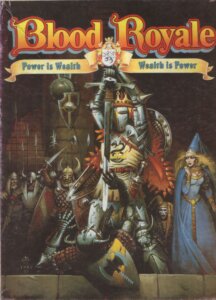
1987
Build a powerful medieval dynasty through wealth, diplomacy, and military influence.
240
minutes
Medium Heavy
View game
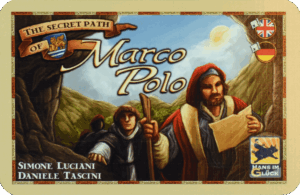
2018
Unlock secret routes and bypass the costs of normal connections.
100
minutes
Medium
View expansion
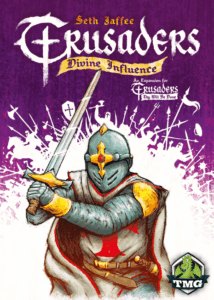
2022
Expand your order’s influence with new actions, buildings, and knight orders.
60
minutes
Medium
View expansion
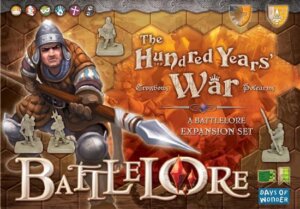
2007
New units, specialist cards, banners, and five Hundred Years’ War adventures.
60
minutes
Medium
View expansion
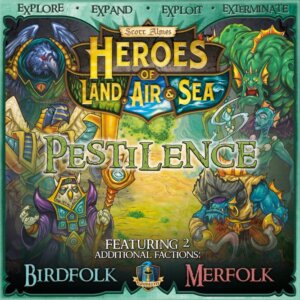
2019
Expand the world with new factions, continents, spells, and support for seven players.
180
minutes
Medium Heavy
View expansion
2024
A solo expansion filled with quests, monsters, relics, dragons, and more.
Medium
View expansion
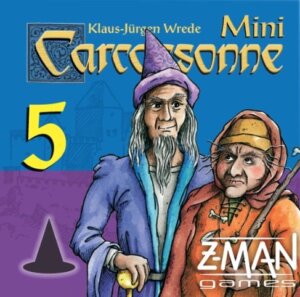
2012
Add magical twists to Carcassonne’s roads and cities with the Mage & Witch.
Medium Light
View expansion

2020
Four modular twists bring new rewards, risks, and replayability to Gùgōng.
120
minutes
Medium Heavy
View expansion
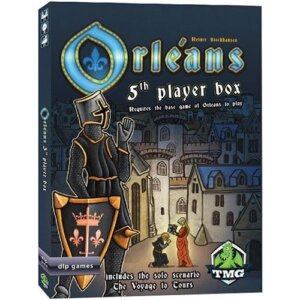
2017
Expand Orléans to five players with new components and bonus content.
Medium
View expansion

2015
Add three new place tiles to your Orléans collection.
Medium Heavy
View expansion
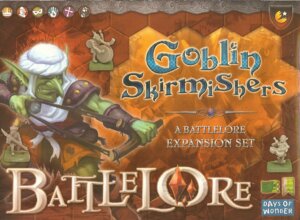
2007
Add goblin specialists, new adventures, and battlefield options to BattleLore.
60
minutes
Medium
View expansion

2020
Return to a plague-ravaged world in an expert-level campaign of mystery and horror.
120
minutes
Medium Heavy
View expansion

2021
Add versatile Yellow Workers and valuable discounts to your cause.
120
minutes
Medium Heavy
View expansion
The Medieval theme centers on the Middle Ages, focusing on feudal estate building, territorial expansion, craft guilds, and martial conflict. Games in this genre cast players as monarchs, nobles, merchants, or knights striving to grow their influence across historical realms. Everyday mechanisms like resource harvesting, wall building, and road construction directly mirror the economic and social realities of the era.
Historical Medieval games rely on real-world feudal structures, authentic trade goods, and period warfare rather than magic, mythical beasts, or sorcery. Instead of casting spells or battling dragons, players focus on agricultural yields, city fortifications, and monastic diplomacy. Some games like The Resistance: Avalon blend Arthurian legend with social deduction, but the bulk of the theme remains grounded in earthly feudal rivalries.
Yes, many accessible titles introduce the setting without burdening players with complex historical simulations. Fast-playing options like Kingdomino allow players to draft domino-style landscape tiles to build a kingdom in 15 to 25 minutes. For a classic family experience, Carcassonne offers intuitive tile placement where players easily connect roads, cities, and cloisters.
For very young players, specialized versions strip away intricate scoring rules while preserving the colorful medieval atmosphere. Designed for ages 4 and up, My First Carcassonne simplifies the classic landscape-building experience into a brisk 10 to 20 minute race to place all your figures on closed paths. It provides an ideal starting point before children transition to standard light strategy titles.
The theme excels at two players, particularly in spatial drafting and strategic planning games where head-to-head competition shines. Titles like The Castles of Burgundy and Carcassonne are widely considered best with exactly 2 players, offering tight tactical choices without excessive downtime. Even lighter games like Kingdomino play exceptionally well at two, expanding the drafting grid to a wider seven-by-seven estate.
Yes, numerous medium-heavy and heavy games in the genre feature robust single-player modes centered on economic efficiency or campaign progression. In A Feast for Odin, a solo player can tackle spatial puzzle-solving, trading, and feast preparation across a deep worker placement system. Highly intricate titles like Aeon Trespass: Odyssey are even voted best with a single participant managing the campaign.
The Medieval category skews primarily toward medium and medium-heavy strategy games, typically taking between 45 and 90 minutes. However, length varies widely based on depth, ranging from 15-minute card and dice games like Age of War up to sprawling two-to-three-hour heavy titles such as Sankoré: The Pride of Mansa Musa and Antiquity.
Worker placement, tile placement, deck building, and bag building are standout mechanisms across the theme. For example, Caylus established foundational worker placement by having players construct castles and road infrastructure, while Dominion popularized deck building by simulating the gradual assembly of a medieval realm. In Orléans, players utilize bag building to recruit craftsmen, scholars, and knights who drive their economic engine.
Experienced hobbyists should look toward heavy economic engines, logistics simulations, and tight resource management games. Demanding designs like Feudum and Troyes challenge players with intricate interlocking systems, guild control, and dice-driven civil defense. For punishing environmental and infrastructure management, Antiquity forces players to balance urban growth against famine and severe pollution.
Prioritize building your resource engine early rather than chasing raw victory points right out of the gate. Securing stable supplies of grain, wood, or coin allows you to adapt smoothly to mid-game scoring opportunities and outbuild opponents. Additionally, pay close attention to board geography and shared borders, as blocking rival roads or monopolizing crucial guild actions is often the key to victory.
A frequent error is overextending across too many disparate scoring paths instead of committing to a coherent engine. In games featuring worker or tile placement, spreading your investments thin leaves you vulnerable to opponents who dominate specific regions, routes, or guild tracks. Another pitfall is neglecting basic upkeep or logistical costs, which can stall your turns when late-game actions demand heavy investments.
