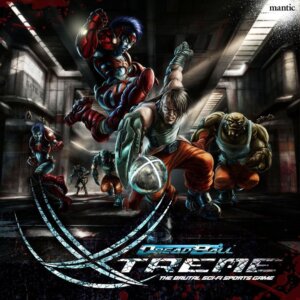
DreadBall Xtreme
2015
A lawless futuristic sport of violence, traps, and custom teams.
45
minutes
Medium Heavy

View game

Rules made simple, fun made easy!
Enclosure is a board game mechanic where players surround spaces, pieces, or regions with their own components to claim territory, score points, or capture opposing elements.
241 results
At its core, enclosure turns the physical board into a spatial puzzle of boundaries and perimeters. Players place walls, fences, tracks, or lines of pieces to form unbroken loops around sections of the grid or map. Once an area is successfully sealed off, the game rewards the player by granting ownership of the contained tiles, scoring points based on its contents, or eliminating trapped enemy units.
At the table, this mechanic drives intense spatial tension. Every piece you place signals your intent to complete a boundary, inviting opponents to block your perimeter, cut off your expansions, or hijack the contested territory for themselves. It blends long-term geometric foresight with immediate tactical defense.
Players move pieces within designated areas rather than on a strict grid or track.
1,383 gamesMechanics prevent one player from getting too far ahead, balancing competition.
84 gamesA shared resource or advantage shifts between players based on their actions.
84 gamesEnclosure games appeal strongly to fans of spatial reasoning, abstract tactics, and dynamic area-control puzzles. While accessible lightweight variants exist, the vast majority of titles featuring this mechanic sit firmly in the medium-light to medium complexity range. They suit groups that enjoy direct, confrontational board play where blocking an opponent’s path is just as rewarding as executing your own geometric plan.
2015
A lawless futuristic sport of violence, traps, and custom teams.
45
minutes
Medium Heavy
View game
2020
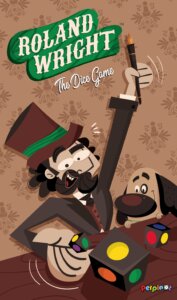
Fill patterns, chase awards, and design your winning dice game.
30
minutes
Medium

View game
2026
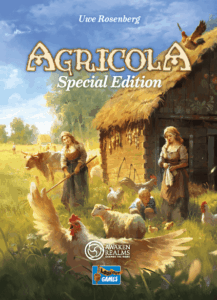
Revitalize the farm, master the harvest, and manage precious water resources.
120
minutes
Medium Heavy
View game
2012
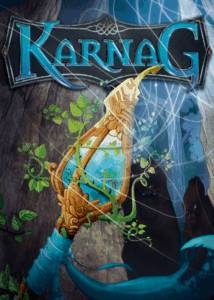
Place stones, guide druids, and stop creatures from invading the human world.
120
minutes
Medium Heavy
View game
2009
Evolve your creatures, outmaneuver rivals, and feed to survive.
20
minutes
Medium
View game
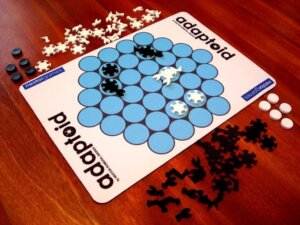
2003
A fast, tactical tile-laying game of rhombuses, triangles, and pawns
20
minutes
Medium Light

View game
2023
Build forest sets, claim toadstools, and unlock extra actions in the glade.
60
minutes
Medium
View game

2009
Command an empire, navigate politics, and conquer planets across a ruthless future.
120
minutes
Medium Heavy
View game
2018
Grow a colorful garden and race to bloom all your flowers.
20
minutes
Light

View game

2011
Shape Arctic policy, control mineral deposits, and outmaneuver rival companies.
120
minutes
Medium Heavy
View game
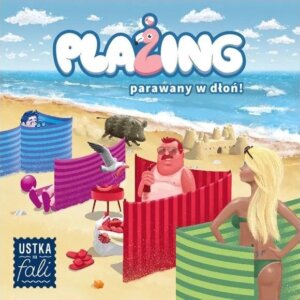
2019
A windy Baltic beach logic game of screens, shapes, and resources
45
minutes
Medium
View game
2021
An abstract duel of linked stones, open lines, and total annihilation
40
minutes
Medium
View game

2001
Build growing countries from tribes around the lakes
60
minutes
Medium
View game
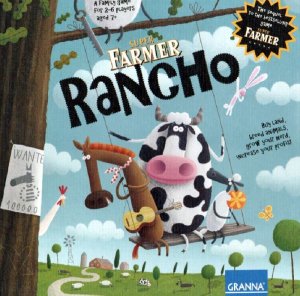
2012
Breed, trade, and protect your herd as you build the region’s best ranch.
45
minutes
Medium Light
View game
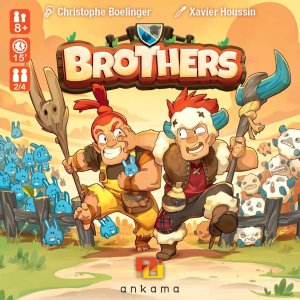
2018
Place your enclosures wisely and prove you have the family’s best head for cattle.
15
minutes
Light
View game

2011
A minimalist 3D game system of stacking, dropping, and hidden depth.
15
minutes
Medium
View game
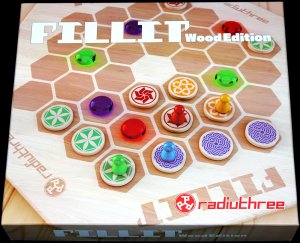
2018
A simple-to-learn abstract game filled with deep tactical choices
20
minutes
Medium Light
View game
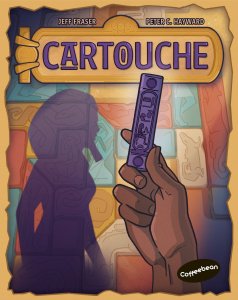
2023
Restore a pharaoh’s legacy through clever tile placement and uncovered spaces.
80
minutes
Medium
View game
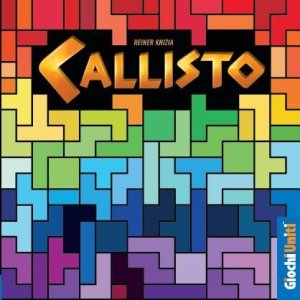
2015
A compact, competitive tile puzzle where every placement matters.
30
minutes
Medium Light
View game
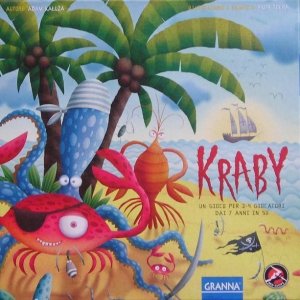
2009
Slide tiles, build crab groups, and chase the most valuable haul.
30
minutes
Medium
View game
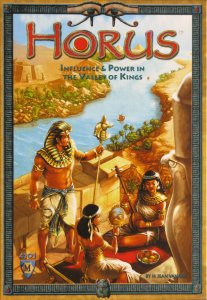
2008
Shape the Nile, claim Egypt, and earn the favor of Horus.
60
minutes
Medium
View game

2024
A tense polyomino-powered duel to find your rival and make three kills.
30
minutes
Medium
View game
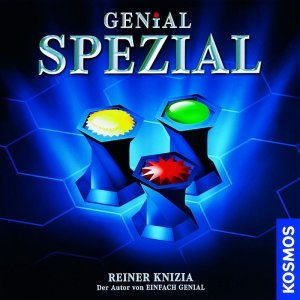
2009
Build tower connections, score across four colours, and strengthen your weakest track.
40
minutes
Medium Light
View game
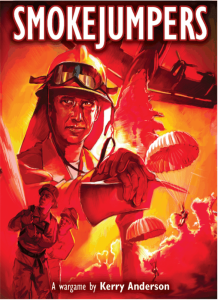
1996
Command the response, contain the blaze, and make it home by supper.
90
minutes
Medium
View game
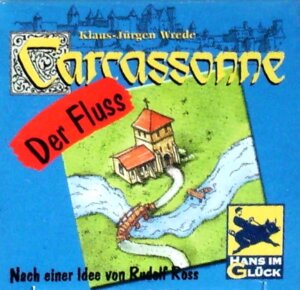
2001
Begin with twelve river tiles, then return to classic Carcassonne play.
45
minutes
Medium Light
View expansion

2013
Bring the legendary Millennium Falcon and iconic pilots into X-Wing battles.
Medium
View expansion
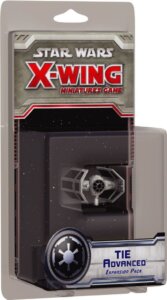
2012
Command Darth Vader's elite TIE Advanced and unleash devastating missiles.
20
minutes
Medium
View expansion
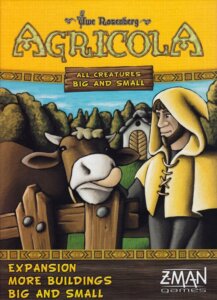
2012
Expand your farm with 27 special buildings, a fifth Stall tile, and more.
30
minutes
Medium
View expansion
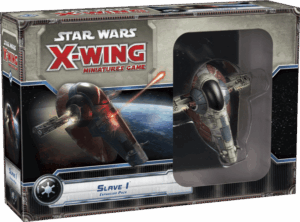
2013
Bring the Firespray-31's heavy armor and deadly upgrades to the table.
Medium
View expansion
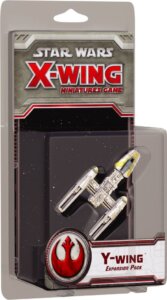
2012
Add a rugged, heavily armed Y-wing and ion-cannon firepower to your squadron.
20
minutes
Medium
View expansion
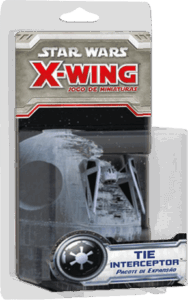
2013
Add a fast, highly maneuverable Imperial starfighter to your squadron.
30
minutes
Medium
View expansion
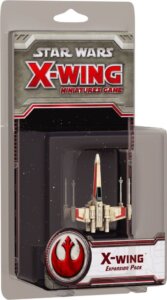
2012
Command a legendary Rebel starfighter and take Wedge Antilles into combat.
20
minutes
Medium
View expansion
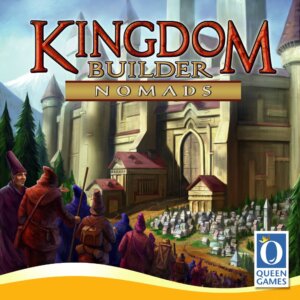
2012
Add nomads, new powers, and fresh scoring possibilities to your kingdom.
45
minutes
Medium
View expansion
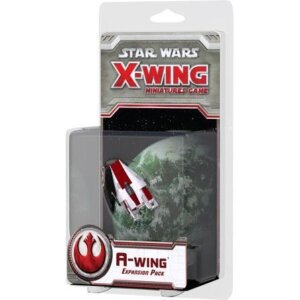
2013
Add a highly maneuverable A-wing and four elite Rebel pilots to your squadron.
30
minutes
Medium
View expansion
2012
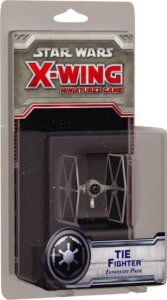
Add six Imperial pilots and overwhelm Rebel foes with speed and numbers.
20
minutes
Medium
View expansion
2013
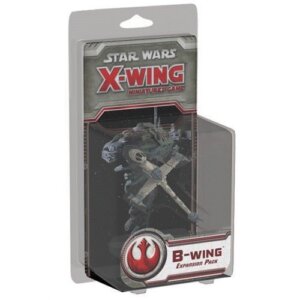
Get up close with a heavily shielded assault fighter and devastating firepower.
Medium
View expansion
Enclosure is a mechanic where players draw lines, place walls, or arrange pieces to completely surround a region, grid space, or opposing component. Once a boundary is fully sealed off, the enclosed area is claimed, scored for points, or used to capture whatever lies trapped inside. Classic examples range from modern tile-layers like Carcassonne to ancient abstract strategies like Go.
While standard area majority gives control to whoever has the most pieces inside a pre-printed region, enclosure requires players to physically construct the perimeter that defines the space. You must close every gap along the border to trigger scoring or capture, rather than merely outnumbering opponents on open terrain. In games like Samurai, spaces are resolved only when pieces encircle them from all adjacent sides.
Beginners should start with approachable, rules-light titles such as Carcassonne or Battle Sheep. In Carcassonne, finishing walled cities gives clear visual feedback and immediate rewards without overwhelming rules overhead. For young children, My First Carcassonne simplifies the concept down to matching paths for ages 4 and up.
Yes, enclosure games often provide their most tense, calculating battles at exactly two players because neither player has to worry about a third party disrupting their perimeters. Games like Hive and Blokus Duo are explicitly designed for two, revolving entirely around surrounding vital targets or boxing out opponent movements. Even multiplayer games like Kingdomino and Carcassonne are frequently rated best at two players for maximum strategic control.
Yes, several enclosure-based games offer dedicated solo modes that turn the perimeter puzzle into an optimization challenge. In Cartographers, solo players draw shapes along grid edges to enclose terrain goals while mitigating monster invasions. Heavy economic titles like A Feast for Odin and Agricola (Revised Edition) also support solo play focused on surrounding grid spaces and penning pastures efficiently.
Experienced players looking for deep tactical commitment should explore Go or heavy economic titles like Agricola. In Go, the entire match is a profound test of encircling territory and capturing stones by taking their liberties. In Agricola, enclosing custom pasture layouts with wooden fences requires tight action efficiency and precise resource timing.
Playtimes vary widely depending on complexity, ranging from 15-minute abstracts to multi-hour strategic epics. Fast, light games like Tacta and Dungeon Drop wrap up in roughly 10 to 20 minutes. By contrast, complex territorial matches in Praga Caput Regni or deep sessions of Go can easily stretch from 45 minutes to over two hours.
The most common pitfall is overextending boundaries early without securing the resources or turns needed to finish them. A large, unsealed loop invites opponents to step in, block the final gap, or sneak their own pieces inside to claim the rewards. Another frequent error is ignoring defensive blocking, allowing rivals to complete lucrative enclosures right beside you completely uncontested.
Focus on versatility by building shapes that can close along multiple different routes rather than relying on a single, predictable gap. Look for moves that serve a dual purpose, such as advancing your own boundary while cutting off an opponent’s path, as seen in Through the Desert. Finally, keep track of available pieces or tiles so you never commit to a large border that cannot realistically be completed before the game ends.
Analysis paralysis happens because spatial borders create an exponential number of possible branching moves across a shared board. Evaluating every edge, potential block, and opponent counter-move on a sprawling grid can easily overwhelm players prone to overthinking. Games with rigid geometric placement rules, like Calico or Blokus, highlight how even simple boundary decisions can lead to serious mental strain.
