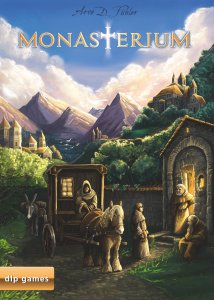
Monasterium
2020
Guide novices, complete missions, and earn fame across five medieval monasteries.
120
minutes
Medium Heavy

View game

Rules made simple, fun made easy!
Grid Coverage is a board game mechanic where players place pieces or tiles across a gridded board to claim spaces, complete patterns, or maximize territory. The objective revolves around efficiently filling squares or hexes to trigger bonuses, fulfill spatial requirements, or block opponents.
204 results
At its heart, Grid Coverage turns a blank matrix into a spatial puzzle. Players acquire shapes or tokens and fit them onto a shared or personal board, weighing the immediate value of claiming specific spaces against the long-term efficiency of their overall layout. Every open space represents both potential points and future restrictions, forcing players to visualize how their board will develop several turns ahead.
At the table, this mechanic creates a deeply satisfying sense of visual progress. Whether racing to connect distant borders on a common map or carefully tessellating irregular pieces onto an individual player sheet, players face constant trade-offs between grabbing quick rewards and avoiding awkward, unusable gaps that could cost them the game.
Players physically flick pieces to move them.
87 gamesPlayers move their pieces on a grid.
2,267 gamesThe game board is composed of hexagonal spaces, allowing for multi-directional movement.
2,207 gamesMultiple game elements interact in a stacked fashion.
209 gamesPlayers use a set number of points to move.
601 gamesPlayers create specific patterns to score points.
954 gamesPlayers identify and respond to visual or logical patterns.
322 gamesPlayers collect and transport goods to different locations.
707 gamesPlayers move between fixed locations on a map or board.
1,071 gamesPieces are slid or pushed across the board.
68 gamesPlayers progress along a track.
566 gamesPlayers place tiles to form a board or map.
2,423 gamesPlayers progress along a predefined track, often gaining rewards or triggering events.
286 gamesThis mechanic strongly appeals to spatial thinkers, puzzle enthusiasts, and players who enjoy seeing tangible landscapes develop over time. Most titles featuring grid coverage sit comfortably in the light-to-medium weight category, making them very accessible for casual gatherings and family game nights while still providing enough tactical depth to satisfy experienced strategists.
2020
Guide novices, complete missions, and earn fame across five medieval monasteries.
120
minutes
Medium Heavy
View game

2023
Sink pirate ships, gather treasures, and claim the four aquatic kingdoms.
45
minutes
Medium Light

View game

2019
Reconstruct a shared city map from fragments of memory.
30
minutes
Medium

View game

2019
Fit clever puzzle shapes into your grid and seize your second chance.
15
minutes
Light

View game

2020
Roll, mark, and score across four seasonal forests.
20
minutes
Medium Light
View game
2023
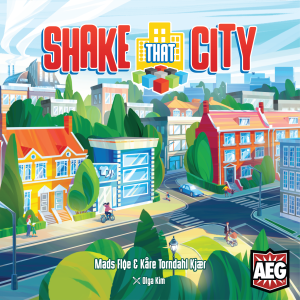
Shake the pattern, place your tiles, and build a high-scoring city block.
40
minutes
Medium Light
View game
2018
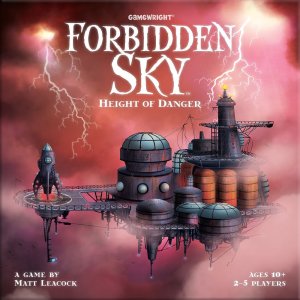
Build the circuit, brave the storm, and launch the rocket together.
60
minutes
Medium
View game
2003
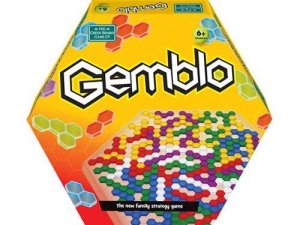
Place translucent hexagon pieces, connect your color, and finish with the lowest score.
30
minutes
Medium Light
View game
2025
Build a star chart, connect constellations, and chase the highest score.
30
minutes
Medium Light
View game

2023
Build your packing empire while workers, markets, and margins shift
90
minutes
Medium
View game

2023
Build a path, outrun the flames, and guide every cat to safety.
60
minutes
Medium
View game

2025
Build a vibrant frog-filled pond and outscore your rivals with clever card play.
35
minutes
Medium
View game
2018
Build a high-scoring quilt in a quick two-player puzzle of timing and space.
10
minutes
Medium Light
View game

2022
Stack, move, and align four stones in this tactical nature-inspired duel.
15
minutes
Light
View game

2024
Design Babylon’s most beautiful city through clever tile placement and patterns.
30
minutes
Medium Light
View game
2024
Outwit rival fox mystics in a moonlit forest of magical treasures.
45
minutes
Medium
View game
2024
Rescue cats, complete lessons, and outmaneuver your rival on the island.
30
minutes
Medium
View game
2023
Explore pyramids, uncover tombs, and outscore the competition.
20
minutes
Light
View game

2024
Build subway lines, manage resources, and earn prestige across a shifting city
180
minutes
Medium Heavy
View game

2024
Sketch an extravagant castle and win the King's favor.
60
minutes
Medium
View game
2020
Draft orbital workers, gather resources, and build your home among the stars.
45
minutes
Medium
View game
2023
Shape a thriving Seattle neighborhood from the ashes of 1889.
120
minutes
Medium
View game
2023
Arrange shaped items, meet four goals, and earn the highest score.
25
minutes
Light
View game
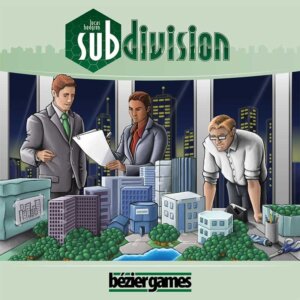
2014
Build a custom neighborhood and outscore the competition.
45
minutes
Medium
View game
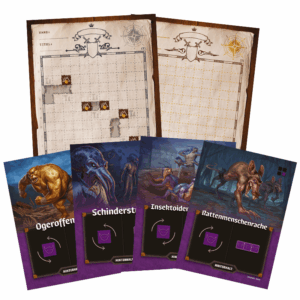
2020
Expand your maps with ambushes, classic sheets, and new starting boards.
Medium Light
View expansion
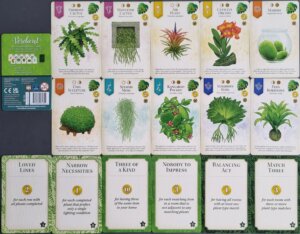
2022
Add potless plants and fresh goals to your Verdant collection.
Medium
View expansion
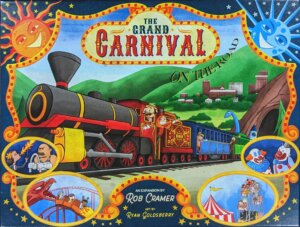
2023
Take your carnival on the road with new modules, cards, and city goals.
60
minutes
Medium Heavy
View expansion
2025
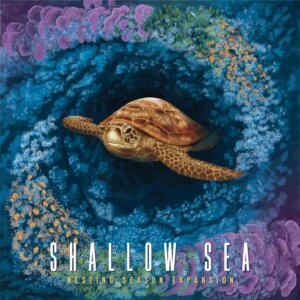
Build underwater life and guide turtles to precious nesting grounds.
45
minutes
Medium
View expansion
2025
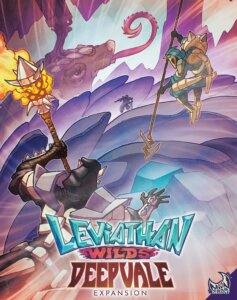
Descend into buried catacombs and face seven extraordinary new leviathans.
90
minutes
View expansion
2022
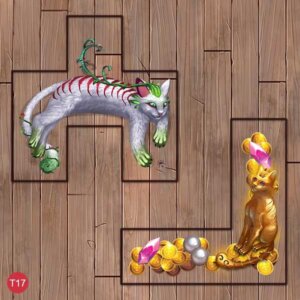
Add a fly-swatting Oshax and a golden cat treasure tile to your game.
90
minutes
View expansion
2021
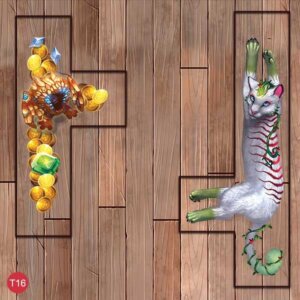
Add curious Oshax and an Earthshaker rare treasure to your tile selection.
90
minutes
View expansion
2021
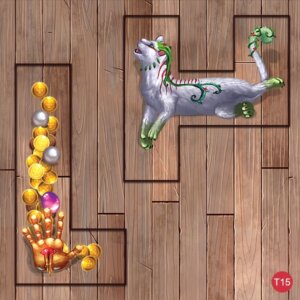
Add happy Oshax and rare Vesh treasure tiles for more options
90
minutes
View expansion
2020
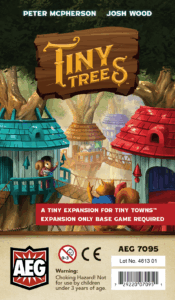
Grow a tree, gain a resource, and make every empty space count.
45
minutes
Medium
View expansion
2020
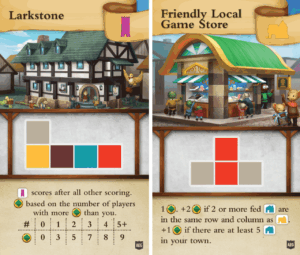
Two special promo cards adding fresh scoring possibilities to Tiny Towns.
60
minutes
Medium
View expansion
2024
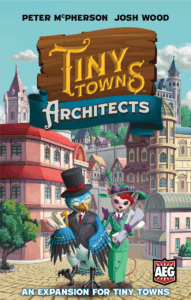
Expand your city plans with wild resources, cozy cabins, and new monuments.
45
minutes
Medium
View expansion
2024
Chart the Stonespine Mountains with four new cards and a heroic defender.
45
minutes
Medium Light
View expansion
Grid Coverage is a spatial mechanic where players place tiles, tokens, or polyomino shapes onto a structured grid of squares or hexes to claim territory, trigger abilities, or score points. Players must balance the immediate perks of covering specific board coordinates against the challenge of leaving awkward, unusable spaces later in the match.
While Area Majority focuses on having the most units in a disputed territory to win rewards, Grid Coverage focuses on the precise geometric arrangement and efficiency of filling a matrix. In games with Grid Coverage, your success depends on how neatly shapes fit together and which exact grid spaces you cover or encircle, rather than simply outnumbering an opponent.
Accessible titles like Blokus and Silver & Gold are ideal entry points because their rules can be learned in minutes. Ubongo is also great for family game nights, offering fast-paced geometric puzzle-solving that players as young as eight can enjoy.
Yes, many grid coverage games excel at two players because spatial duels offer tight, direct tactical friction. For instance, Patchwork is designed exclusively for two players and plays in 15 to 30 minutes, while Calico and The Castles of Burgundy are widely celebrated as playing best at two.
Many titles in this genre offer dedicated solo modes that challenge you to maximize spatial efficiency against target scores or strict geometric constraints. Games like Cartographers and Sagrada translate naturally to solo play, letting you draft and fit shapes onto personal grids without needing a live opponent.
For experienced gamers looking for intense logistical challenges, A Feast for Odin integrates polyomino tile coverage with broad worker placement, where covering spaces hides penalty points and generates ongoing income. For an even more demanding spatial test, Antiquity requires players to expand complex urban and rural footprints across an unforgiving landscape.
Playtime varies widely depending on overall rule weight and decision depth. Quick-playing roll-and-writes or tile drafts like Captain Flip and Encore! wrap up in roughly 20 minutes, while heavy strategic titles such as Ark Nova can extend up to two and a half hours.
The most frequent error is focusing solely on immediate tile bonuses while stranding single, odd-shaped holes that you cannot fill later. Because isolated empty squares often incur endgame point penalties or block lucrative row bonuses, skilled players prioritize maintaining flexible, open edges on their boards over grabbing short-term perks.
Analysis paralysis happens because players must mentally test multiple tile shapes across multiple rotations, flips, and board coordinates before taking an action. In a brain-burning puzzle like The Isle of Cats, visualizing how a single piece impacts future room completions several turns down the line can easily overwhelm thoughtful planners.
Personal player boards are more common, seen in titles like Azul and Patchwork where each player optimizes their own canvas. However, games like Blokus use a shared common grid, shifting the focus from individual optimization toward aggressive territorial blocking and cutting off rivals’ expansion paths.
