
IT: Evil Below
2019
Team up as the Losers’ Club to send Pennywise back into hibernation.
60
minutes
Medium

View game

Rules made simple, fun made easy!
Pick-up and Deliver is a board game mechanic where players move across a board to collect resources, items, or passengers at specific locations and transport them to designated destinations for a reward.
727 results
At its heart, this mechanism turns travel into a strategic puzzle. Rather than simply moving from point A to point B, players must constantly assess supply and demand across a shared map, planning efficient routes to grab valuable cargo before opponents claim it or fulfill the contract first.
At the table, it drives purposeful movement and spatial tension. Every trip requires balancing cargo capacity, travel speed, and route efficiency against shifting board states, making spatial awareness and forward planning central to the experience.
Players physically flick pieces to move them.
91 gamesPlayers cover or control grid spaces.
210 gamesPlayers move their pieces on a grid.
2,336 gamesThe game board is composed of hexagonal spaces, allowing for multi-directional movement.
2,297 gamesMultiple game elements interact in a stacked fashion.
212 gamesPlayers use a set number of points to move.
616 gamesPlayers create specific patterns to score points.
985 gamesPlayers identify and respond to visual or logical patterns.
335 gamesPlayers move between fixed locations on a map or board.
1,107 gamesPieces are slid or pushed across the board.
71 gamesPlayers progress along a track.
578 gamesPlayers place tiles to form a board or map.
2,483 gamesPlayers progress along a predefined track, often gaining rewards or triggering events.
289 gamesThis mechanism is an excellent fit for players who enjoy spatial logistics, route optimization, and tangible economic loops. The vast majority of these titles sit squarely in the medium to medium-heavy complexity range, offering deep logistical challenges without overwhelming procedural overhead, though accessible lighter options and grueling heavy simulations also exist.
2019
Team up as the Losers’ Club to send Pennywise back into hibernation.
60
minutes
Medium
View game
2008
Open trade routes, outwit patrols, and make four payments to win.
45
minutes
Medium Light

View game
2016
Adaptive trivia for families, with nine categories and knowledge cups to win.
90
minutes
Light

View game
2018
Plan shipments, upgrade abilities, and fulfill orders across a modular board.
120
minutes
Medium Heavy

View game
2010
Flip, rotate, and explore a shifting jungle in pursuit of rare animals.
45
minutes
Medium
View game
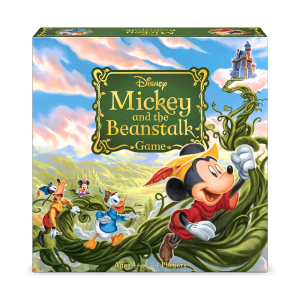
2021
Work together to gather food, rescue the Golden Harp, and save Happy Valley.
30
minutes
Medium Light
View game
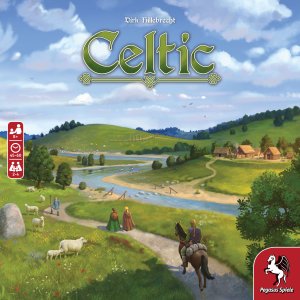
2020
Travel, trade, and complete goals to become the most influential Celt.
60
minutes
Light
View game
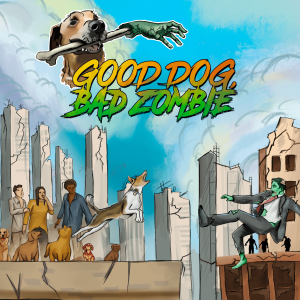
2025
Sniff out survivors, outwit zombies, and stay loyal to your pack.
90
minutes
View game
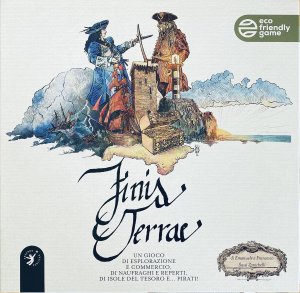
2023
Explore an unknown world, trade spices, found ports, and outwit pirates.
85
minutes
Medium
View game

2020
Deliver cargo town to town while watching the weather and mountains.
45
minutes
Medium
View game

1990
Trade, treasure, and adventure await on three perilous sea routes.
60
minutes
Medium Light
View game
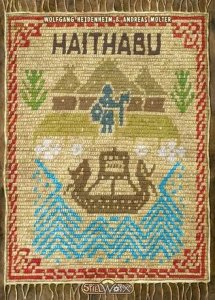
2015
Trade across the Viking world as war, faith, and fate reshape Haithabu.
90
minutes
Medium Heavy
View game
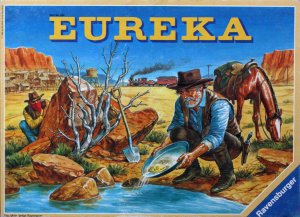
1988
Prospect for gold, protect your haul, and carry it safely home.
60
minutes
Light
View game

2026
Rebuild ancient lighthouses, navigate a supernatural storm, and reclaim the isles.
120
minutes
Medium
View game
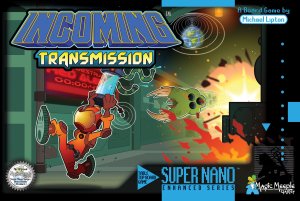
2019
Decode scrambled orders and escape the doomed space station before time runs out.
40
minutes
Medium
View game
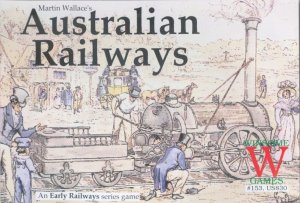
2004
Chart the rise of Australia’s railways during a transformative half-century.
120
minutes
Medium Heavy
View game
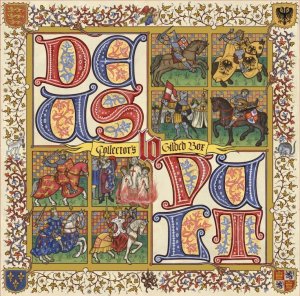
2020
Lead crusaders, seize treasure, and turn shared Saracen forces against your rivals.
120
minutes
Medium
View game
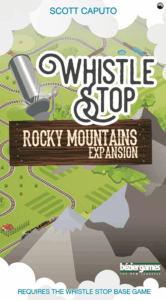
2018
Cross the Rockies, overcome new barriers, and pursue richer rewards.
90
minutes
Medium
View expansion
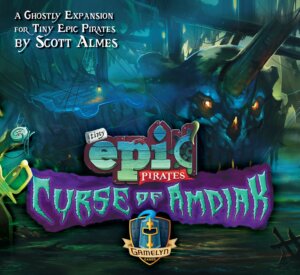
2021
Steal cursed gold, evade a ghost ship, and break Amdiak’s deadly curse.
60
minutes
Medium
View expansion
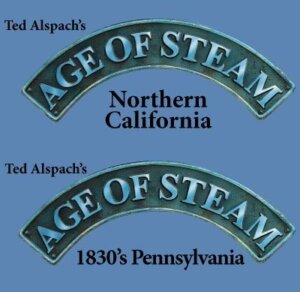
2006
Build railroads through coal country or across Northern California
120
minutes
Medium Heavy
View expansion
2023
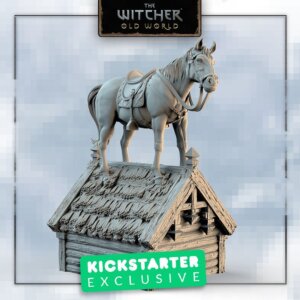
Find the wandering mount and gain a powerful new way to travel
150
minutes
Medium Light
View expansion
2008
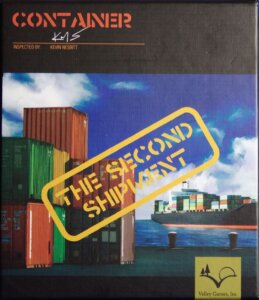
Mix and match four expansions to reshape Container's global marketplace.
90
minutes
Medium Heavy
View expansion
2016
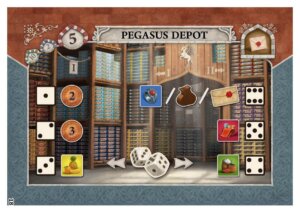
A dice-driven depot replacement with shifting mail indicators.
60
minutes
Medium
View expansion

2019
Build Portugal’s richest railway empire through bold, careful decisions.
120
minutes
Medium
View expansion
2019
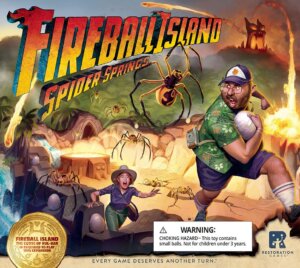
Explore a spider-infested peninsula, collect eggs, and escape by submarine.
60
minutes
Light
View expansion
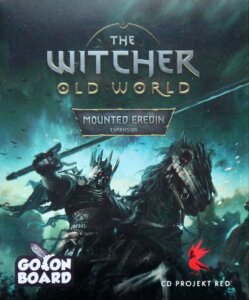
2023
An exclusive mounted alternative sculpt and special Wild Hunt card
150
minutes
Medium Heavy
View expansion
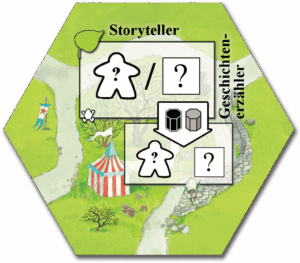
2013
Add the Storyteller village tile and gain workers or skills
90
minutes
Medium Heavy
View expansion
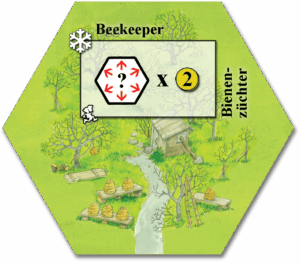
2014
A winter village tile that rewards careful placement with end-game points.
90
minutes
Medium Heavy
View expansion

2016
Develop skills, work as a team, and save lives under pressure.
60
minutes
Medium
View expansion
A pick-up and deliver game is one where players navigate a map to collect items, resources, or passengers and transport them to specific drop-off locations for a reward. Rather than moving randomly, every trip is driven by supply, demand, and route efficiency. The core experience feels like solving an evolving logistical puzzle where vehicle capacity and travel time dictate success.
Ghost Fightin’ Treasure Hunters is a fantastic, accessible starting point for families with children aged 8 and up. In this cooperative game, players enter a mansion, pick up treasure gems, and work together to transport them safely outside before rooms become haunted. For a light competitive alternative, Niagara delivers an exciting 30- to 45-minute gem-hunting race along a moving river board.
Pick-up and deliver focuses on maneuvering physical cargo from one point to another, whereas route building centers on constructing permanent transportation links like roads, tracks, or canals. In pure route builders, the reward comes from claiming territory or connecting specific cities together. Many logistics games blend both concepts by having you first build a network and then transport goods along those established lines.
Yes, the mechanic adapts naturally to solo play because route optimization and cargo management are inherently strong puzzle mechanisms. For a quick solo experience, Zombie in My Pocket is a dedicated solitaire game lasting just 5 minutes where you search for an item and escape alive. In larger games, solo modes typically challenge you to meet delivery quotas before a timer or simulated market runs dry.
Pick-up and deliver works exceptionally well at two players, offering sharp tactical competition with minimal downtime between turns. In fact, deep economic titles like Roads & Boats are widely regarded as playing best at two, where both players can execute complex supply chains without excessive waiting. Head-to-head matches also turn the race for shared contracts into a tight, direct psychological duel.
Advanced players should look for titles that combine transportation with strict multi-tiered economies and tight operational logistics. In Imperial Steam, players face a grueling 120-minute puzzle balancing train networks, worker recruitment, and resource freighting across tight financial margins. Similarly, Roads & Boats demands intricate planning as you transport raw timber, stone, and livestock to build higher-level production facilities over a 240-minute timeframe.
Yes, many cooperative titles use this mechanic to create high-stakes rescue and retrieval missions. In Forbidden Island, teammates coordinate movements to gather four sacred treasures and deliver them to a helicopter pad before the island sinks. Another great cooperative example is Zombie Teenz Evolution, where players must coordinate actions to transport ingredient crates back to their school.
The best strategy is to eliminate empty travel miles by charting continuous circular routes instead of making single back-and-forth runs. Always try to line up your next pickup close to where your current delivery ends so your vehicle never travels empty. It is also crucial to monitor your opponents’ positions to avoid traveling toward a depot or contract that someone else will fulfill first.
The most common mistake is chasing high-value contracts on the far side of the map without calculating the return per turn. Traveling across the entire board often yields fewer points per action than completing several smaller, localized deliveries in half the time. New players also tend to fill their inventory too early, leaving no cargo space to capitalize on sudden nearby opportunities.
Analysis paralysis happens because sprawling maps and multi-stop journeys present players with dozens of possible paths and depot combinations each turn. When players try to mentally simulate entire three-turn supply chains while calculating opponent reactions, decision-making can easily grind to a halt. Games with restricted action selections or tight movement limits help keep pacing smoother by narrowing the immediate decision space.
Playtimes vary considerably depending on complexity, ranging from fast 30-minute fillers to massive multi-hour logistics simulations. Light options like Deep Sea Adventure play in about 30 minutes, while mid-weight adventures such as Black Fleet typically take around 60 minutes. At the heavy end of the spectrum, deep industrial games like Roads & Boats can run up to 240 minutes.
