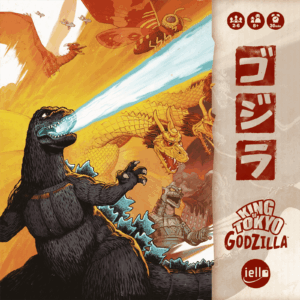
King of Tokyo Godzilla
2026
Unleash iconic kaijus in a dice-rolling battle for Tokyo
30
minutes
Medium Light

View game

Rules made simple, fun made easy!
Player Elimination is a game mechanic where participants can be knocked out of the match before it concludes, leaving the remaining players to compete until a victor emerges.
762 results
At its core, Player Elimination introduces absolute stakes to every decision. Instead of merely losing points or falling behind on a track, players risk complete removal from the session. This sudden-death pressure alters table dynamics, forcing participants to balance aggressive plays against their own self-preservation.
Because survival is paramount, games using this system generate immediate tension and sharp table talk. Knowing that an overextension can lead straight to the sidelines makes defensive tactics and temporary alliances matter just as much as raw offensive power.
Cards determine battle outcomes.
323 gamesRandomized chance for extreme success or failure.
110 gamesAttacks or interactions depend on visual distance.
446 gamesA cyclic balance where one action beats another.
120 gamesActions succeed or fail based on character stats.
343 gamesThe game ends immediately when a condition is met.
148 gamesThis mechanism shines with groups that enjoy direct conflict, cutthroat interaction, and tense social maneuvering. It works best in short, energetic titles where a knocked-out participant only waits a few minutes for the next round to start. Most designs featuring this concept lean toward light to medium rulesets, making them accessible to casual groups and party settings, whereas heavier, long-form titles rarely implement it due to the risk of excessive player downtime.
2026
Unleash iconic kaijus in a dice-rolling battle for Tokyo
30
minutes
Medium Light
View game
2021
Plan every move carefully in a tense race to be the last climber standing.
20
minutes
Light

View game

2020
Survive the island, build your raft, and outwit your fellow castaways.
20
minutes
Medium Light
View game

2021
Unmask hidden allies and survive a three-way supernatural conflict.
30
minutes
Medium

View game
2015
Risk, deduction, and luck collide in a fast hunt for the Lost Legacy.
10
minutes
Light
View game

2024
Roll, battle, and seize Tokyo in a fast-paced monster showdown.
30
minutes
Light
View game

2009
Command four iconic WWII aircraft with rules, scenarios, and complete player aids.
45
minutes
Medium
View game

2006
Fast-paced fleet combat with silly sounds, powerful ships, and explosive card play.
20
minutes
Medium Light
View game
2024
Survive a deadly alien hunt aboard a cramped cargo vessel.
15
minutes
Medium Light
View game
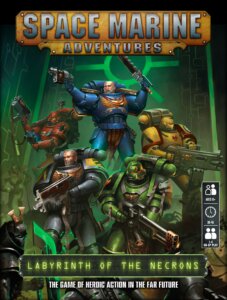
2018
Lead five Space Marine heroes through a fast-paced Necron labyrinth.
30
minutes
Medium Light
View game

2008
Claim objectives, defend your capital, and reshape classic global conquest.
90
minutes
Medium
View game

2017
Bring favorite character combinations together for a terrifying Werewolves game.
30
minutes
Medium Light
View game
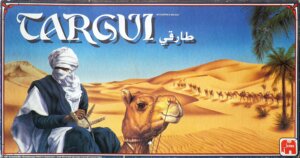
1988
Move camels, seize desert grounds, and outmaneuver shifting alliances.
120
minutes
Medium
View game

2012
A lightning-fast animal reaction game where only one player keeps their cards.
20
minutes
Light
View game
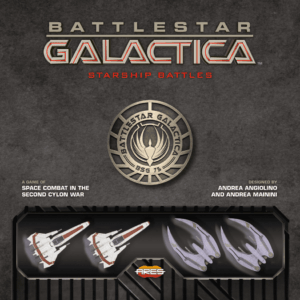
2018
Command Colonial and Cylon ships in fast, cinematic space dogfights.
60
minutes
Medium Heavy

View game

2021
A tense Minions-themed card game of risky draws, clever tricks, and explosive surprises.
15
minutes
Light
View game

1967
A medieval, chess-like strategy game for up to six players
90
minutes
Medium
View game
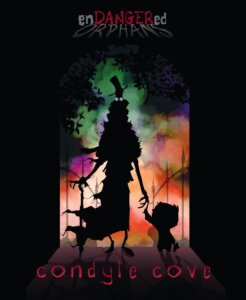
2017
A bleak survival game where only one orphan can escape the boogeyman.
30
minutes
Medium Light
View game
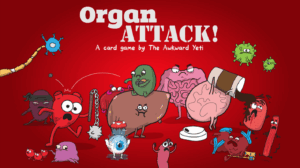
2016
Protect your organs, unleash afflictions, and outlast every opponent.
15
minutes
Medium Light
View game

2009
Fast, furious World War II dogfights with fighters, bombers, and anti-aircraft guns
30
minutes
Medium
View game
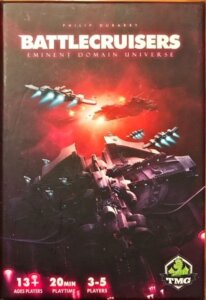
2016
Outwit rival captains, gather 15 ore, and escape before your ship falls.
30
minutes
Medium Light
View game
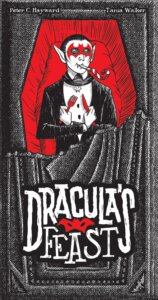
2017
Deduce the monsters, expose the party, and feast before your rivals do.
15
minutes
Light
View game

2023
Bluff, scheme, and identify the mutineers before chaos takes over.
30
minutes
Light
View game
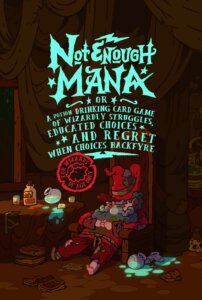
2022
Cast epic spells, drink mana potions, and outlast rival wizards.
120
minutes
Medium Light
View game
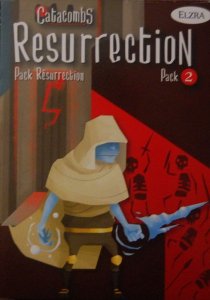
2017
Expand your Catacombs adventures with powerful heroes, lords, items, and spells.
View expansion
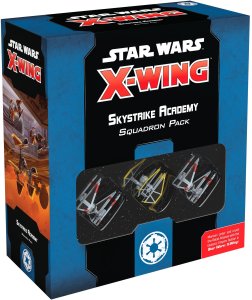
2021
Add iconic Imperial pilots and bold alternate starfighters to your squadron.
45
minutes
View expansion
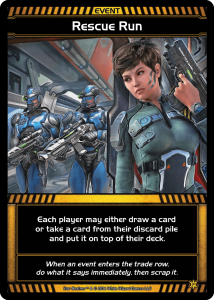
2017
A tense Event card where a daring heist grows more powerful over time
20
minutes
Medium
View expansion
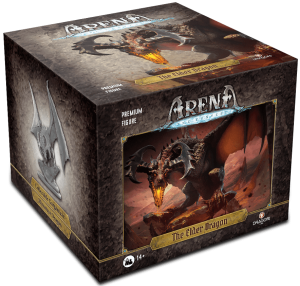
2019
Face the game's most powerful boss in a towering Kickstarter exclusive.
90
minutes
View expansion
2022
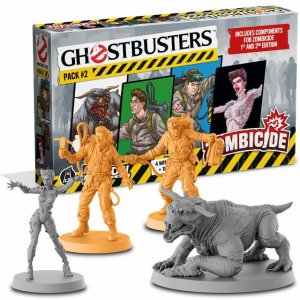
Bring Ray and Egon into the fight against Gozer and Vinz Clortho.
View expansion

2016
Face towering black beings beside a dark green pool
60
minutes
View expansion
2017
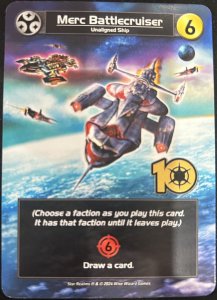
A flexible 6-cost ship that draws a card and adopts a faction as played.
20
minutes
Medium
View expansion
2020
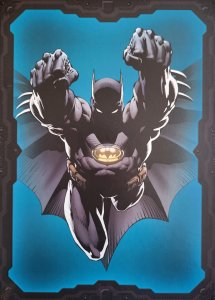
Expand your hero roster with Batman Inc.'s global crime-fighting network.
90
minutes
View expansion
2007
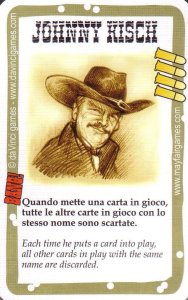
A BANG! expansion card that clears matching cards from play.
30
minutes
Medium Light
View expansion
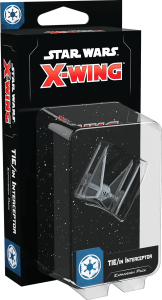
2019
Put elite Imperial aces behind the controls of a swift, deadly interceptor.
60
minutes
View expansion
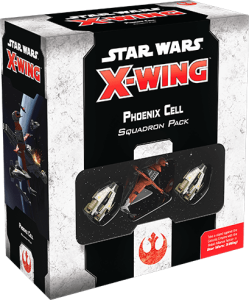
2021
Bring Phoenix Cell heroes and boldly painted Rebel starfighters to the table.
45
minutes
View expansion
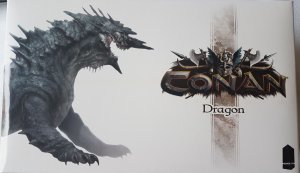
2016
Bring a towering, terrifying Dragon to your Conan scenarios.
Medium
View expansion
Player elimination is a mechanic where participants are removed from a match when they meet specific defeat conditions, while the remaining players continue competing to determine a winner. Once your health, essential resources, or board pieces reach zero, your turns cease and you watch the rest of the game from the sidelines. This design introduces high stakes to every turn, making survival just as vital as offensive progress.
The main drawback is player downtime, which happens when an eliminated player must wait around with nothing to do until the session wraps up. Modern designers address this issue by keeping games exceptionally short or by making elimination happen only in the closing moments of play. Fast-paced titles ensure that knocked-out participants only sit out for a few minutes before a brand-new match begins.
Yes, provided the games are quick, rules-light, and maintain a casual atmosphere. Family-friendly titles like Exploding Kittens (ages 7 and up, lasting 15 minutes) and King of Tokyo (ages 8 and up, lasting around 30 minutes) work well because knockouts are fast and lighthearted. In these lighter games, being knocked out rarely feels frustrating because rounds reset almost immediately.
Fast bluffing and deduction games handle elimination best because full matches resolve in under 20 minutes. For example, Love Letter plays over rapid rounds where getting knocked out only sidelines you for a few turns. Similarly, Coup delivers tense 15-minute sessions where losing both of your character cards knocks you out just moments before the final showdown resolves.
In a two-player game, player elimination serves as the direct end-game condition, entirely eliminating player downtime. Because there are no other participants left to continue playing, knocking out your opponent immediately concludes the match. Head-to-head deck builders like Star Realms use this structure to create focused, 20-minute duels where reducing an opponent’s authority to zero awards an instant victory.
Yes, cooperative and semi-cooperative games often allow individual characters to be defeated while the rest of the team continues the mission. In tactical adventures like Gloomhaven, exhausting your cards or losing your hit points eliminates your character from the scenario, leaving your allies to finish the fight down a member. In semi-cooperative survival games like Nemesis, an alien attack can eliminate an astronaut early, forcing remaining crew members to adjust their escape plans.
Heavy strategy titles rarely include early knockouts due to their length, but some grand-scale games retain elimination as a late-game consequence. In massive titles like Twilight Imperium: Fourth Edition, completely wiping an opponent’s home system off the board is technically possible, though it requires immense effort and usually happens only near the climax. Most heavy designs avoid early elimination to ensure every participant remains engaged throughout a multi-hour session.
Maintaining a low profile and reserving defensive resources are the most reliable ways to stay in the game. Acting overly aggressive early on paints a target on your back and encourages the rest of the table to gang up on you. Wise players monitor threats, keep counter-play options ready, and allow opponents to spend resources fighting one another before launching their own offensive pushes.
Victory point games rank players by relative score at a set endpoint, whereas elimination games require you to actively protect your survival threshold to stay in contention. In a point-based system, falling behind still lets you take turns and enjoy the full game, but taking fatal damage in an elimination game removes you completely. This fundamentally shifts table strategy from maximizing point efficiency toward careful threat assessment and direct player defense.
The ganging-up issue happens when multiple participants coordinate their attacks against the weakest player to remove them from the table quickly. While strategically logical to thin the field, it can create a frustrating experience for the targeted player. Hidden-role titles such as BANG! and Secret Hitler mitigate this by concealing loyalties, preventing players from easily agreeing on an obvious target early in the game.
In solo board games, player elimination acts as an immediate failure state rather than a sideline knockout. Reaching zero health or exhausting a critical deck simply triggers the scenario’s loss resolution on the spot. For instance, in solo runs of Arkham Horror: The Card Game, succumbing to physical damage or mental horror immediately ends the attempt and prompts the story’s defeat outcome.
