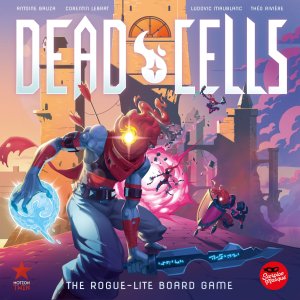
Dead Cells: The Rogue-Lite Board Game
2024
Explore, fight, die, and mutate in a relentless cooperative dungeon crawl.
45
minutes
Medium

View game

Rules made simple, fun made easy!
Point to Point Movement is a game mechanic where pieces travel along predefined routes connecting designated nodes or locations on a board. Instead of counting individual grid spaces, players move directly from one established point to an adjacent connected one.
1,051 results
At its core, Point to Point Movement simplifies geographic navigation into a network of distinct stops and connecting lines. Nodes often represent cities, outposts, or clearings, while the lines between them represent roads, sea lanes, or mountain passes. By eliminating open terrain grids, the board focuses player attention entirely on strategically vital hubs and the corridors that link them.
This structure fundamentally shapes how players evaluate distance, pacing, and conflict. It creates natural bottlenecks where opponents can set up defenses, intercept travelers, or race toward high-value objectives. Because paths are explicitly drawn, calculating travel costs and anticipating rival trajectories becomes an intuitive, highly readable part of the game’s spatial puzzle.
Players physically flick pieces to move them.
91 gamesPlayers cover or control grid spaces.
208 gamesPlayers move their pieces on a grid.
2,316 gamesThe game board is composed of hexagonal spaces, allowing for multi-directional movement.
2,275 gamesMultiple game elements interact in a stacked fashion.
212 gamesPlayers use a set number of points to move.
614 gamesPlayers create specific patterns to score points.
978 gamesPlayers identify and respond to visual or logical patterns.
333 gamesPlayers collect and transport goods to different locations.
722 gamesPieces are slid or pushed across the board.
71 gamesPlayers progress along a track.
574 gamesPlayers place tiles to form a board or map.
2,471 gamesPlayers progress along a predefined track, often gaining rewards or triggering events.
288 gamesThis mechanism is particularly well-suited for groups that enjoy deliberate spatial strategy, cooperative problem-solving, and thematic journeying without the fiddly distance measurements of miniature wargames. In practice, the vast majority of titles featuring point-to-point maps land comfortably in the medium to medium-heavy complexity range. They offer enough depth to satisfy hobbyists who enjoy logistical planning while remaining readable enough for casual players to parse routes at a glance.
2024
Explore, fight, die, and mutate in a relentless cooperative dungeon crawl.
45
minutes
Medium
View game
2015
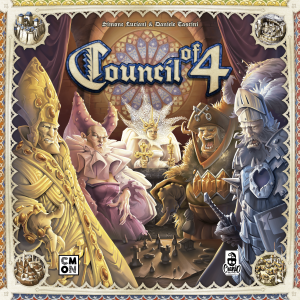
Corrupt councils, claim permits, and build your way to merchant fame.
75
minutes
Medium
View game
2011
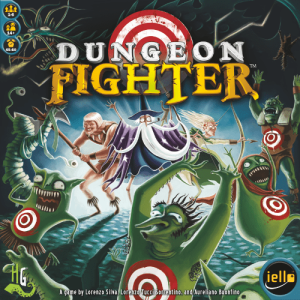
Team up, master daring dice throws, and battle through a ridiculous dungeon quest.
60
minutes
Medium Light

View game
1998
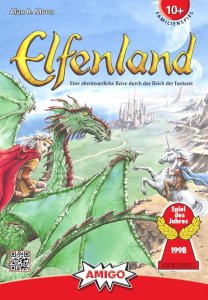
Race across twenty elf cities using clever routes and magical transport.
60
minutes
Medium
View game

2019
Draft passengers, fly the Yukon, and build your earnings one destination at a time.
90
minutes
Medium
View game
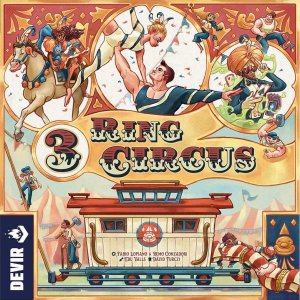
2023
Build a circus troupe, tour America, and win fame under the big top.
75
minutes
Medium
View game
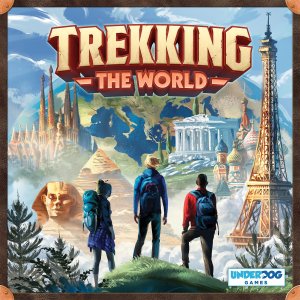
2020
Race around the globe, collect rare souvenirs, and chase unforgettable destinations.
60
minutes
Medium Light
View game
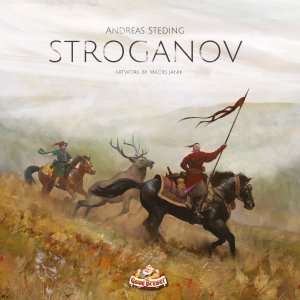
2021
Journey across Siberia, gather furs, and build fame over four years.
90
minutes
Medium Heavy

View game

2025
Team up as the Turtles to face Shredder or fight off Krang.
40
minutes
Medium
View game
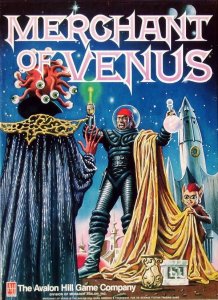
1988
Trade across a changing universe, upgrade your ship, and build a fortune.
180
minutes
Medium
View game
1983
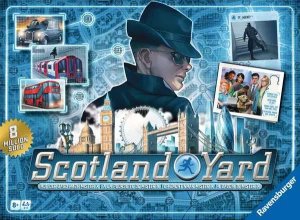
Track a hidden fugitive across London while detectives close in
45
minutes
Medium Light
View game

2013
Build an oil empire through bold deals, transport, and tactical delivery.
120
minutes
Medium Heavy
View game

2024
Command Nobunaga’s honor guard or pursue victory as Tomoe Gozen.
40
minutes
Medium
View game
2019
Explore Carvania’s mountains, trade crystals, and build a network across the valleys.
45
minutes
Medium
View game

2024
Draft your dream band, plan the tour, and rise from basements to global stages.
60
minutes
Medium
View game
2003
Outmaneuver rival tribes as collapsing bridges reshape Shangri-La
60
minutes
Medium
View game

2012
Lay shared paths, guide colorful butterflies, and outscore your rivals.
30
minutes
Light

View game

2022
Recruit dogs, plan your route, and earn reputation across four rounds.
80
minutes
Medium
View game

2023
Marvel heroes clash with spider-sense, mystic power, and sheer strength.
40
minutes
Medium
View game
2015
Defend the walls or break into the castle within seven tense rounds.
90
minutes
Medium Heavy
View game
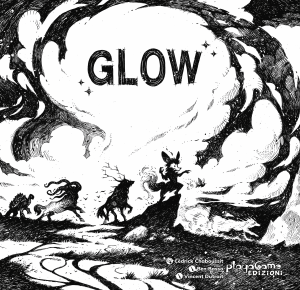
2021
Draft companions, roll colorful dice, and combine powers to bring light back.
45
minutes
Medium
View game
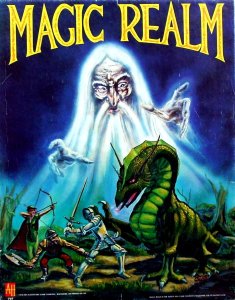
1979
Explore a changing fantasy realm of monsters, magic, treasures, and danger.
240
minutes
Heavy

View game
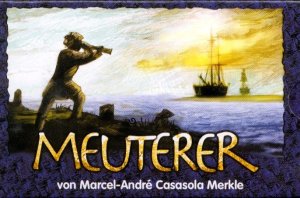
2000
Sell goods, choose sides, and seize control of the merchant ship.
60
minutes
Medium
View game
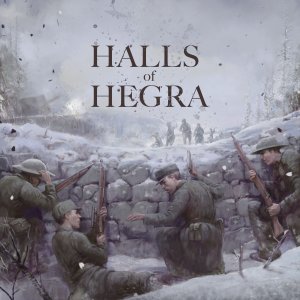
2023
Defend a mountain fortress against overwhelming German forces.
90
minutes
Medium Heavy
View game
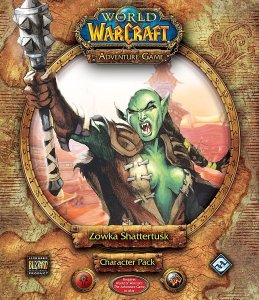
2008
Unleash elemental fury with a formidable Orc shaman.
120
minutes
Medium
View expansion
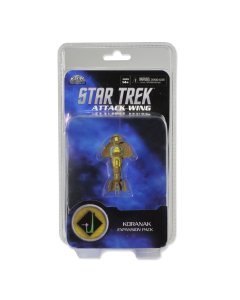
2013
Command a covert Cardassian cruiser shaped by betrayal, speed, and cloaking technology.
30
minutes
View expansion
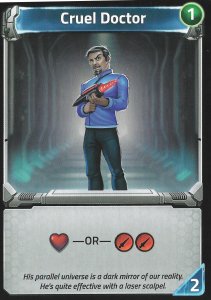
2019
A flexible Adventure Deck card offering life, swords, and 1 VP.
90
minutes
Medium
View expansion
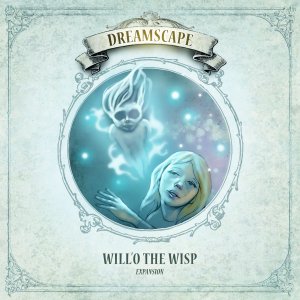
2019
Guide mysterious Wisps through a dreamscape and earn their gratitude.
90
minutes
View expansion
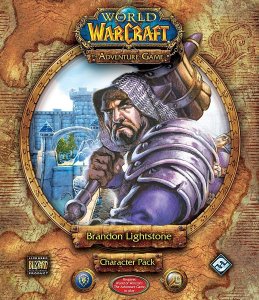
2008
A holy warrior rises, wielding Auras, Seals, and Blessings.
120
minutes
Medium
View expansion
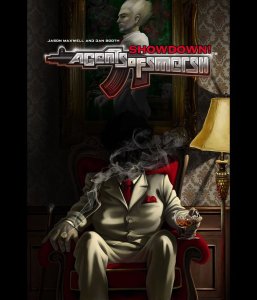
2015
A linear eight-game pursuit of Dr Lobo with a new endgame
Medium Heavy
View expansion
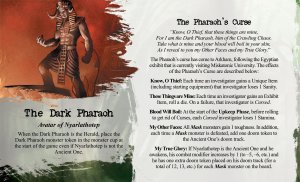
2006
A sinister Herald that turns unique items and Masks against investigators.
180
minutes
Medium Heavy
View expansion
2024
Six stretch-goal promo Idea Cards featuring inventions from Robots to Lacquer.
150
minutes
Medium Heavy
View expansion
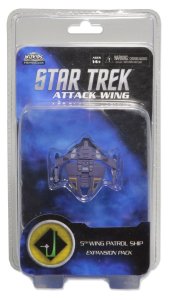
2013
Deploy an agile Jem'Hadar ship with powerful weapons and daring tactics.
30
minutes
Medium
View expansion

2020
A central hub for digital board games, friends, chat, news, and more
120
minutes
Medium
View expansion
1995
Add 16 cards to We the People for additional play options.
120
minutes
Medium
View expansion
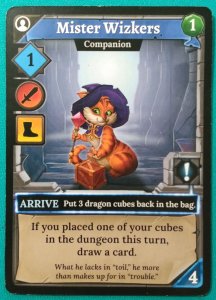
2024
A versatile Companion that rewards dungeon placement with an extra card.
90
minutes
Medium
View expansion
Point to point movement is a spatial mechanism where pieces travel along distinct, interconnected lines between specific locations or nodes. Instead of counting individual spaces across an open square or hex grid, players move directly from one hub to an adjacent connected one. This setup abstracts geography into readable travel routes such as roads, shipping lanes, or flight paths.
While grid movement allows pieces to roam across contiguous squares or hexes in many directions, point to point movement strictly restricts travel to drawn paths between locations. This eliminates ambiguous line-of-sight issues and tedious distance calculations over open terrain. As a result, gameplay focuses player attention on strategic intersections, shared transit hubs, and natural chokepoints.
For casual players and families, accessible titles like Labyrinth and Stop Thief! provide clear, engaging introductions to networked maps. Labyrinth accommodates 2 to 4 players ages 8 and up in brisk 20-minute sessions where the connecting corridors shift each turn. Meanwhile, Stop Thief! plays in 30 to 60 minutes for ages 10 and up, challenging investigators to track a suspect fleeing between connected city spaces.
Yes, point to point networks create intense tactical friction and direct blocking opportunities in two-player games. For instance, Unmatched: Battle of Legends, Volume One plays in 20 to 40 minutes and is best with 2 players, utilizing connected circular spaces to create tense positioning duels. On the heavier side, Imperial Struggle is specifically designed for 2 players, spending 120 to 240 minutes fighting for influence across regional node networks.
Many games built on point to point networks feature solo modes where you navigate maps against an automated threat or escalating game timer. Cooperative adventure titles like Eldritch Horror and Arkham Horror support 1 to 8 players, allowing a lone investigator to journey between global cities or neighborhood hubs to close dangerous portals. In these games, predefined routes give solo players clear visual parameters to calculate optimal travel efficiency.
Experienced hobbyists looking for deep logistical challenges can turn to complex strategy titles like Root and Here I Stand. Root combines point to point forest paths with asymmetric woodland warfare in 60 to 90 minutes for 2 to 4 players. For an even more demanding experience, Here I Stand is a heavy historical wargame best with 6 players that spans 180 to 900 minutes across a sweeping European transit network.
Play times vary considerably depending on complexity, ranging from fast 20-minute games to extensive multi-hour campaigns. Lighter deduction games such as Shadows: Amsterdam can wrap up in just 20 minutes. Conversely, medium-heavy eurogames like Orléans run roughly 90 minutes, while grand-scale wargames can easily take several hours to finish.
Roll-and-move relies on dice rolls to propel pieces forward along a linear track, whereas point to point movement emphasizes player decision-making across a branching web of routes. Modern point to point games typically have players expend action points, discard cards, or manage supplies to select their path. This provides meaningful tactical control over navigation, tactical retreats, and positioning rather than leaving your progress to random dice values.
A common mistake is neglecting escape routes and getting trapped at narrow bottlenecks. Because movement is strictly restricted to printed pathways, an opponent occupying a vital junction can cut off your retreat or force you to take expensive, inefficient detours. Successful players consistently monitor alternate pathways and assess how opponents can intercept them before advancing into a dead-end hub.
Cooperative games frequently adopt point to point maps because visible hubs make crises and collective logistics transparent to all players. In Pandemic, which plays in 45 minutes for 2 to 4 players, clear connections between cities let the team calculate exact travel costs turns in advance. This shared clarity allows players to coordinate multi-turn plans, trade cards, and treat disease hotspots before outbreaks spiral out of control.
Point to point maps provide a structured framework for hidden movement by narrowing down the fugitive’s possible routes into distinct, trackable options. In Scotland Yard, which plays in 45 minutes for 2 to 6 players, the hidden player reveals the type of transit used—such as taxi, bus, or underground—along specific network lines. The pursuing detectives must analyze the board’s connections to eliminate impossible locations and close off escape paths.
