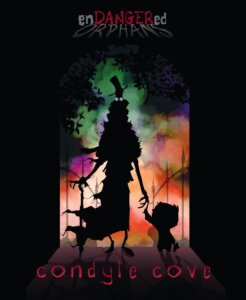
Endangered Orphans of Condyle Cove
2017
A bleak survival game where only one orphan can escape the boogeyman.
30
minutes
Medium Light

View game

Rules made simple, fun made easy!
Push Your Luck is a board game mechanic where players repeatedly choose between banking their current gains or risking them on additional attempts for higher rewards. Continuing offers greater payouts, but failing on any attempt usually forfeits everything accumulated that turn.
1,206 results
At its heart, this mechanic presents an escalating dilemma between safety and greed. Every action offers an immediate benefit, but it also increases the probability of triggering a bust condition that wipes out your turn. Players must constantly weigh the tangible value of walking away against the tempting upside of one more roll, draw, or flip.
Around the table, this dynamic produces instant drama and shared engagement. Because a single bad result can upend a player’s lead, turns often build toward tense, spectator-friendly crescendos that encourage playful banter and calculated risk-taking.
Players have secret roles affecting their objectives.
198 gamesPlayers can disrupt others’ actions unexpectedly.
115 gamesPlayers can perform a powerful action only once.
182 gamesPlayers take on fictional personas and make decisions accordingly.
1,015 gamesDifferent players have access to different information.
6,023 gamesPlayers directly hinder their opponents’ progress.
1,514 gamesA hidden traitor secretly works against the team.
138 gamesThis mechanism thrives with casual groups, families, and party settings where lively reactions and fast turns matter more than deep strategic control. The vast majority of titles using it fall into the light to medium complexity range, making them accessible openers or social centerpieces, while heavier designs occasionally use the concept as a high-stakes subsystem rather than the primary focus.
2017
A bleak survival game where only one orphan can escape the boogeyman.
30
minutes
Medium Light
View game

2020
Command an Italian submarine through a brutal WWII campaign at sea.
180
minutes
Medium

View game
2017
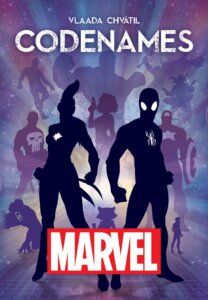
Give clever clues, find Marvel agents, and avoid the assassin.
15
minutes
Light

View game

2022
Push your luck as lemurs compete to gather the most prickly pears.
20
minutes
Light
View game

2016
A streamlined press-your-luck adventure for 2-4 players
30
minutes
Light
View game

2022
Explore the island, build your expedition, and uncover relics before your rivals.
50
minutes
Medium Light
View game

2012
Gather medieval allies and outmaneuver rivals beneath the shadow of the plague.
45
minutes
Medium
View game
2019
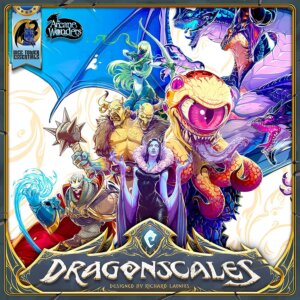
Betray your allies, challenge a dragon, and seize the greatest treasure.
60
minutes
Medium
View game

2015
Work together as mice to gather the pantry’s food before the cat arrives.
20
minutes
Light
View game

2022
Plot the ultimate jazz tour through Paris and New York
30
minutes
Medium Light
View game

2021
Bid for valuable goods, load your camels, and sell wisely to win.
45
minutes
Medium
View game
2022
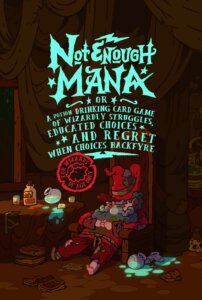
Cast epic spells, drink mana potions, and outlast rival wizards.
120
minutes
Medium Light
View game
2026
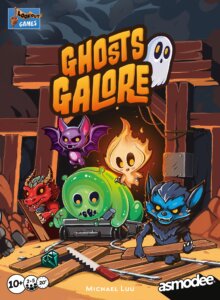
Draft tiles, calm monsters, and create the track with the best scares.
20
minutes
Medium Light
View game

2013
A pocket-change area battle of clever placement, movement, and risk
15
minutes
Light
View game
2016
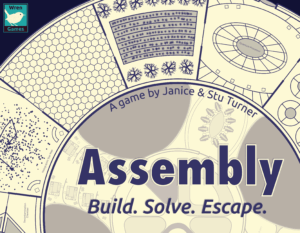
Work together to complete a spaceship before the virus and failing systems catch up.
20
minutes
Light
View game
2019
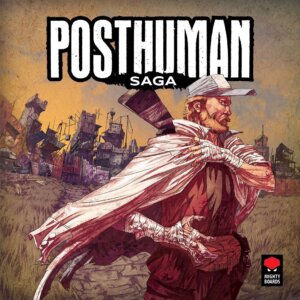
Explore a shattered Europe, face mutants, and push your survival luck.
120
minutes
Medium Heavy

View game

2021
Climb for silver, but beware the curse waiting for the last player out.
40
minutes
Light
View game
2008
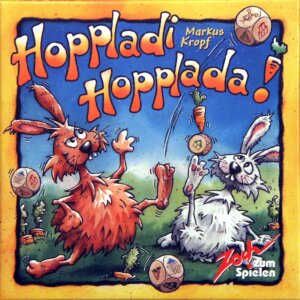
Roll rabbits, build multipliers, and push your luck for a bigger score.
20
minutes
Light
View game

2022
Build your Navy, Clan, and Loot while preparing for raids and Ragnarok.
60
minutes
Medium Light
View game

2019
Press your luck to rescue books before the library burns.
30
minutes
Light
View game
2017
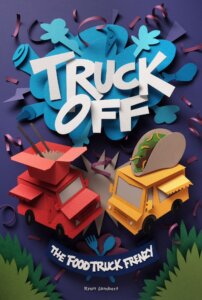
Park smart, time your tactics, and out-earn the competition.
30
minutes
Light
View game
2013
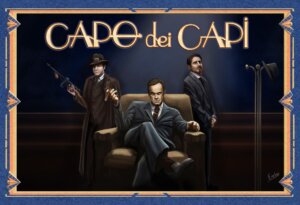
Push your luck and outmaneuver a rival for control of Prohibition-era New York.
20
minutes
Medium Light
View game

2022
Shed cards, wield power cards, and burn suits to finish with the lowest score.
45
minutes
Medium Light
View game

2021
Push your luck, match chips, and race to 100 points.
10
minutes
Light
View game
2016
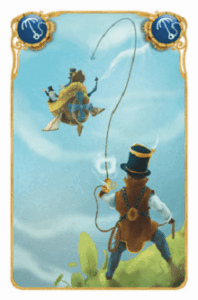
Climb back aboard after leaving the airship—without your last treasure.
Light
View expansion

2013
Add four new figures, character cards, minimaps, and tokens to your arena.
60
minutes
Medium Heavy
View expansion
2022
Expand your dungeon adventure with henchmen, artifacts, afflictions, and more.
45
minutes
Medium Heavy
View expansion

2023
Fuse patterns, build the right tool, and face a giant doll automaton.
30
minutes
Medium
View expansion

2014
Team up against the undead with unique goals and powerful new cards.
45
minutes
Medium
View expansion

2015
A full expansion featuring 12 new players and one curious stick of gum.
15
minutes
Medium Light
View expansion

2026
Expand your distillery, craft cocktails, and pursue prestigious end-game rewards.
150
minutes
Medium Heavy
View expansion

2017
Upgrade your fleet, hire specialist pilots, and press your luck in deep space.
45
minutes
Medium
View expansion

2013
Four new figures, four character cards, four minimaps, and two token sheets.
60
minutes
Medium Heavy
View expansion
2021
Drop deeper, face adorable horrors, and uncover fragments of a great relic.
20
minutes
Light
View expansion
2021
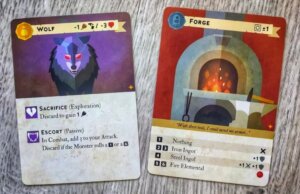
Two promo cards bringing a loyal Wolf and useful Forge to Mini Rogue.
60
minutes
Light
View expansion
2019
Add 50 story-rich side quests and two new quest types to your game.
180
minutes
Medium Heavy
View expansion
Push Your Luck is a board game mechanic where players decide between locking in current rewards or risking them on further attempts for greater payouts. Continuing the turn offers higher upside, but triggering a bust condition forfeits your unbanked progress for that round. This dynamic creates an ongoing dilemma between immediate safety and escalating risk.
Unlike pure luck mechanisms where random events happen to you without a choice, Push Your Luck gives you complete control over when to stop. You evaluate the evolving odds after each successful step and actively choose whether another roll or draw justifies the hazard. The skill centers on risk assessment and probability management rather than passive chance.
Great introductory games focus on intuitive bust conditions and brisk pacing, such as Quacks and Port Royal. In Quacks, players pull ingredient chips from a bag to brew potions for about 45 minutes, balancing greed against explosive white cherry bombs for ages 10 and up. Port Royal plays in 20 to 50 minutes for ages 8 and up, challenging participants to flip harbor cards for coins without revealing two matching pirate ships.
Yes, two-player push-your-luck games can be exceptionally tense and strategic. Dedicated dueling titles like Jaipur and Lost Cities both play in approximately 30 minutes for players aged 10 and older. In both games, holding cards too long in hopes of a higher payout gives your opponent the opening to claim crucial market goods or expedition points first.
Push-your-luck mechanisms work well in solitaire games by pitting player greed against unforgiving survival clocks. A prime example is Friday, an experience designed exclusively for 1 player that plays in roughly 25 minutes for ages 13 and up. During the game, you decide whether to commit life tokens to defeat escalating hazard cards or absorb the hit to prune weak cards from your deck.
In heavier designs, pushing your luck rarely forms the entire game and instead functions as a high-stakes subsystem within a broader economic or narrative engine. In A Feast for Odin, players take calculated risks on hunting and whaling actions where bad die rolls force resource loss or worker inefficiency. Similarly, Arkham Horror: The Card Game requires players to draw chaos tokens from a bag during skill tests, balancing card commits against the ever-present threat of automatic failure.
Yes, push-your-luck games are well suited for children because the core decision to stop or continue is simple to grasp visually and conceptually. Titles like Exploding Kittens cater to ages 7 and up with fast 15-minute rounds, while King of Tokyo supports ages 8 and up through dice re-rolls and territory holding. These designs teach foundational concepts of probability and consequence without demanding dense rulebook study.
Most dedicated push-your-luck games run between 15 and 45 minutes because individual actions resolve rapidly. Fast card games like Sushi Go Party! finish in roughly 20 minutes, while dice-driven titles like King of Tokyo average about 30 minutes. Turn pacing remains quick because players make binary choices under pressure rather than calculating complex permutations.
Racing games naturally mirror the push-your-luck dynamic because drivers must constantly balance high speeds against mechanical damage or loss of control. In Formula D, racers roll higher dice to surge forward but risk wear points and blowouts if they enter corners too fast. Similarly, Heat: Pedal to the Metal forces racers to push past safe engine limits by paying heat cards, risking spinouts if their engine overheats.
The most effective strategy is to calculate the mathematical threshold where continuing yields a negative expected return compared to what you hold. Your risk profile must also adjust based on your position relative to opponents. Frontrunners should bank modest, reliable gains to protect a lead, whereas trailing players must push past standard safety limits to force high-upside comebacks.
The most common mistake is falling prey to the sunk cost fallacy by continuing to push out of frustration over previous failed turns. Players often gamble against unfavorable probabilities simply because an opponent had an unusually fortunate run or because they are desperate to justify prior effort. Consistent success comes from recognizing that each attempt carries independent odds and walking away when the math turns against you.
