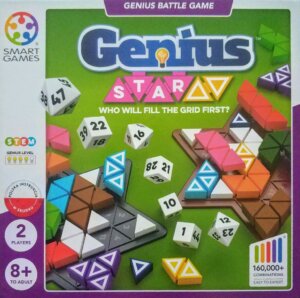
Genius Star
2020
Race to complete a star-shaped puzzle with clever blockers and bold bonuses.
Medium Light

View game

Rules made simple, fun made easy!
Real-Time is a board game mechanic where players take actions simultaneously under continuous time pressure, rather than waiting for discrete, sequential turns. It shifts focus from patient calculation to fast physical coordination, quick decision-making, and immediate adaptation.
348 results
Instead of the classic cycle of taking a turn and waiting for everyone else to finish theirs, Real-Time games run on an active clock. Players might race against a sand timer, an audio soundtrack, or simply each other to grab resources, roll dice, or resolve cards. Because everyone acts at once, hesitation costs valuable opportunities, turning the shared tabletop into a lively, kinetic space.
This structure fundamentally changes how strategy feels. Planning ahead is still vital, but you rarely have the luxury to verify every calculation or second-guess an impulse. The resulting gameplay prioritizes gut instincts, fast pattern recognition, and energetic table communication over quiet deliberation.
Players spend points to perform actions.
2,097 gamesPlayers pre-plan a sequence of actions that are executed in order.
701 gamesPlayers must retrieve spent actions or workers to use them again.
158 gamesActions trigger subsequent actions in a chain reaction.
147 gamesPlayers can mimic or react to another player’s action.
96 gamesPlayers spend resources to take movement actions.
107 gamesPlayers select actions from a circular track, with movement restrictions.
193 gamesPlayers secretly choose their actions and reveal them at the same time.
1,557 gamesPlayers spend or gain victory points to perform actions.
214 gamesThis mechanic shines with energetic groups, families, and party gamers who want high-tempo excitement without long waits between actions. The vast majority of these titles lean toward the lighter end of the complexity spectrum, making them accessible and quick to teach, though a few moderately heavy designs demand intense tactical coordination under pressure. It is less suited for purely analytical thinkers who despise making mistakes under duress.
2020
Race to complete a star-shaped puzzle with clever blockers and bold bonuses.
Medium Light
View game
2021
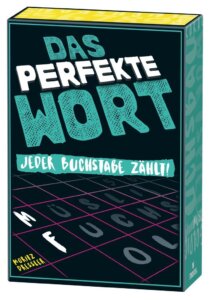
Find the highest-scoring word before the one-minute timer runs out.
15
minutes
Medium Light
View game
2015
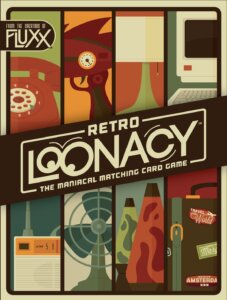
Match one of two images and race to empty your hand.
10
minutes
Light

View game

2018
Build a sculpture from pieces and challenge others to guess it.
40
minutes
Light
View game

2017
A versatile letter-card system packed with fast, varied games.
45
minutes
Light
View game

2026
Coordinate a daring two-player heist before the train reaches London.
45
minutes
Medium Heavy

View game
2022
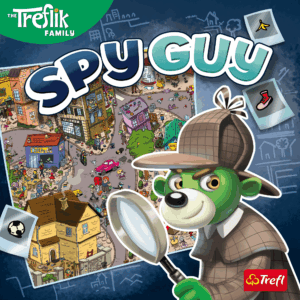
Work together to spot clues and catch the villain before he escapes.
20
minutes
Light
View game
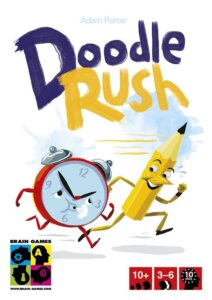
2017
Race to draw six words, then guess the sketches before time runs out.
15
minutes
Light
View game
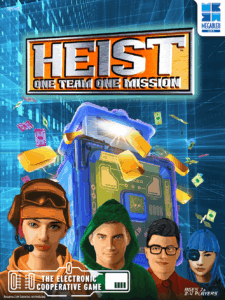
2019
Coordinate the crew, open the safe, and claim $50 million.
15
minutes
Light
View game
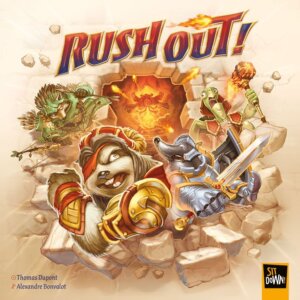
2021
Race through a dark dungeon in a frantic dice-rolling escape
30
minutes
Medium Light
View game
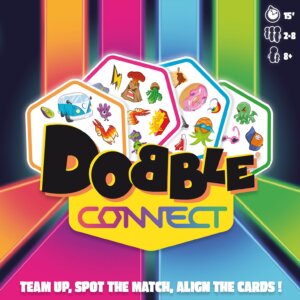
2023
Race to connect four cards while spotting symbols and blocking rivals.
15
minutes
Light
View game
2026
Build a seven-card legend in a fast, real-time storytelling race.
15
minutes
Medium

View game
2018
Decode the clues, enter the keys, and escape before time runs out.
60
minutes
Medium
View game

2011
Trade cards, claim a token, and race to complete a matching-color set.
20
minutes
Light
View game
1990
Team up to mime, describe, or draw your way to the finish!
45
minutes
Light
View game

2023
Race against the clock to rescue a damaged rocket and its crew.
20
minutes
Medium
View game

2022
Build the escape route together before the mine collapses!
7
minutes
Light
View game

2019
A fast-paced test of visual recognition, color confusion, and quick thinking.
Medium Light
View game
2019
Four new escape-room adventures for an exciting night of mystery at home.
60
minutes
Medium
View game

2023
Shout fast, find the words, and race along the track to victory.
20
minutes
Light
View game
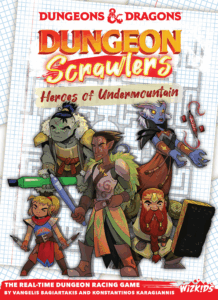
2021
Race through shifting dungeon mazes, defeat monsters, and grab the most treasure!
15
minutes
Light
View game
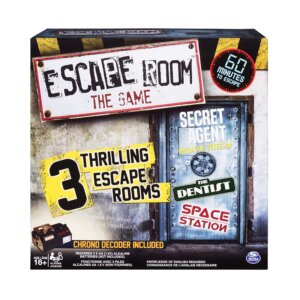
2018
Solve three escape rooms together before the 60-minute countdown ends.
60
minutes
Medium
View game
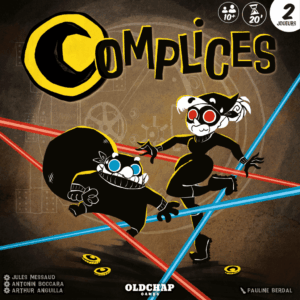
2022
A two-player heist of communication, precision, and dangerous lasers.
25
minutes
Light
View game
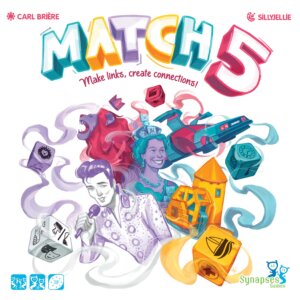
2021
Link unexpected icons with clever answers before the three-minute timer runs out.
20
minutes
Light
View game

2025
Add boarding pirates, tactical sponsors, and a dangerous BlackHole to the Arena.
15
minutes
Medium Light
View expansion

2025
Pink space birds, bouncing beams, and an upside-down battle in the Arena.
15
minutes
Medium Light
View expansion
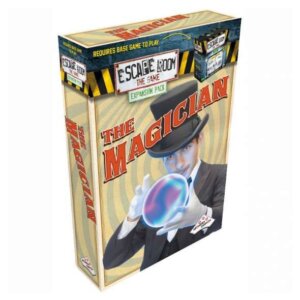
2018
Sneak into Pharaoh Hall and find your way out before the porter returns.
60
minutes
Medium
View expansion

2021
Coordinate urgent care, master dexterity challenges, and save lives under pressure.
45
minutes
Medium
View expansion

2017
A bundle of Kickstarter mini-expansions for Kitchen Rush
45
minutes
Medium
View expansion

2022
Add Beethoven, the feisty magical cat, to the fray.
30
minutes
View expansion
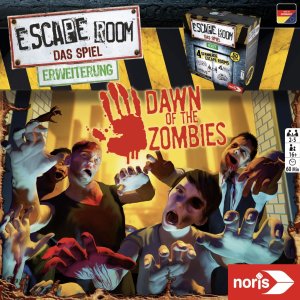
2019
Race through a zombie-filled city before evacuation becomes impossible.
Medium
View expansion

2021
Handle maternity diagnoses and precise dental cleanups.
45
minutes
Medium Heavy
View expansion
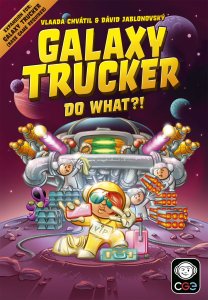
2025
Take on wild missions, VIP passengers, and spectacularly dangerous space trucking.
60
minutes
Medium
View expansion

2017
A casino-hopping escape-room challenge where getting caught is not an option.
60
minutes
Medium
View expansion
A real-time board game requires players to take actions simultaneously under the pressure of an active clock rather than waiting for traditional, sequential turns. Instead of methodically calculating every option, participants roll dice, swap cards, or place components simultaneously against an hourglass, digital app, or musical soundtrack. This structure eliminates downtime and shifts the challenge from deep deliberation to quick pattern recognition and decisive action.
While both mechanics remove the wait between turns, real-time games introduce continuous, unpaused time pressure that directly penalizes hesitation. In simultaneous action selection, players choose their cards or orders at the same time but usually have the freedom to think without a physical timer rushing them. Real-time games, by contrast, force you to manipulate components and make tactical choices while the clock continuously drains.
Yes, real-time games are often excellent for families because they feature straightforward rules and keep every participant constantly involved. Accessible cooperative games like 5-Minute Dungeon (rated for ages 8 and up) and fast tile-laying games like Bananagrams (for ages 7 and up) deliver complete experiences in 15 minutes or less. Because these games rely on reflex and observation rather than dense rules, newcomers can learn them within a few minutes.
Games focused on visual recognition and physical dexterity are best suited for younger players because they do not require heavy reading or complex arithmetic. The classic visual puzzle SET is playable for kids as young as 6, challenging them to identify patterns across shapes, colors, and shadings. For active reflex play, Jungle Speed supports players aged 7 and up with rapid-fire card matching and wooden totem grabbing.
Yes, many cooperative real-time games include dedicated or natural solo modes where a single player races against the clock. Titles such as FUSE and Escape: The Curse of the Temple accommodate 1 player tackling the exact same 10-minute timer used in multiplayer matches. Playing solo strips away team communication and tests your individual efficiency, multi-tasking, and ability to stay calm under strict limits.
Designers govern real-time pacing using physical timers, audio tracks, digital companion apps, or player-driven triggers. Some games rely on sand timers that players must flip to refresh action cooldowns, while others utilize structured audio tracks that broadcast events and countdowns. Once the timer runs out or an objective is completed, all players must instantly drop their pieces so the table can verify valid moves and calculate scores.
Yes, several advanced designs integrate strict time limits with heavy economic management and deep strategic planning. For example, Millennium Blades simulates trading card game economies with intense, timed deck-building phases across an 80 to 120-minute playtime. Similarly, Sidereal Confluence features massive, free-form simultaneous trading rounds for 4 to 9 players that reward complex negotiation and engine-building under pressure.
Real-time mechanics work very effectively at two players, creating focused head-to-head duels with zero table clutter. The tabletop sports game KLASK is built specifically for 2 players, delivering quick 10-minute matches driven by magnetic handles and rapid physical deflections. For cooperative play, timed puzzle challenges like EXIT: The Game – The Sunken Treasure are voted best at 2 players because two partners can easily share clues without crowding the puzzle components.
Most light-to-medium real-time games wrap up in 10 to 30 minutes, which prevents players from feeling mentally or physically exhausted. For example, cooperative titles like Magic Maze play in roughly 15 minutes due to strictly regulated sand timer caps. However, heavier hobby designs that alternate between real-time action phases and quiet evaluation rounds can run between 60 and 180 minutes.
The key to winning real-time games is prioritizing good, rapid moves over hunting for the mathematically perfect play. Hesitating burns valuable seconds that rarely produce enough upside to justify the lost time, so executing consistent baseline actions keeps your momentum going. In cooperative settings, assign clear roles and practice concise table communication so players do not duplicate tasks or waste resources on the same objective.
The most frequent pitfall is accidental rule breaking, such as misplacing components or ignoring cost requirements while rushing under the clock. Another major issue is sensory overload, which happens when teammates shout over one another instead of relaying essential information clearly. Taking a two-second pause to breathe and reset your workspace usually prevents catastrophic mistakes that waste far more time than the pause itself.
