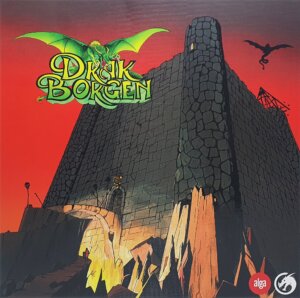
Drakborgen
2022
Delve into a monster-filled fort, claim treasure, and escape alive.
60
minutes
Medium

View game

Rules made simple, fun made easy!
Rock-Paper-Scissors is a game mechanic featuring a cyclic balance where every option is strong against another but vulnerable to a third. It ensures that no single strategy or action is dominant, forcing players to anticipate their opponent's choices.
111 results
At its core, this mechanic translates the classic playground game into a structured dynamic of circular strengths and weaknesses. Whether represented by infantry, cavalry, and archers, or distinct elemental card types, each option provides an inherent advantage over one alternative while remaining completely susceptible to another.
At the table, this dynamic eliminates the safety of a single mathematically superior move. Because pure power cannot guarantee a win, confrontations hinge on reading your opponent, bluffing, and deducing which option they are most likely to commit to in that moment.
Cards determine battle outcomes.
320 gamesRandomized chance for extreme success or failure.
109 gamesAttacks or interactions depend on visual distance.
436 gamesPlayers can be removed from the game before it ends.
787 gamesActions succeed or fail based on character stats.
337 gamesThe game ends immediately when a condition is met.
148 gamesThis mechanic appeals to players who enjoy mind games, direct interaction, and snappy combat resolution over long mathematical calculation. Games using this system lean heavily toward accessible, medium-weight experiences with plenty of light and family-friendly entries, though deep tactical layers occasionally push it into heavier territory. Groups that love bluffing and reading opponents will find plenty of tension, while those who want total, deterministic control over combat outcomes may feel frustrated by the inherent uncertainty.
2022
Delve into a monster-filled fort, claim treasure, and escape alive.
60
minutes
Medium
View game
2018
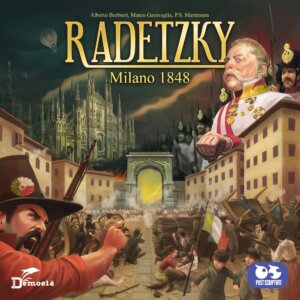
Cooperate to lead Milano’s uprising against the Austrian Empire.
90
minutes
Medium
View game
2014
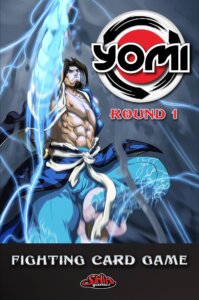
Read your rival, manage your hand, and unleash four distinctive fighters.
30
minutes
Medium
View game
2023
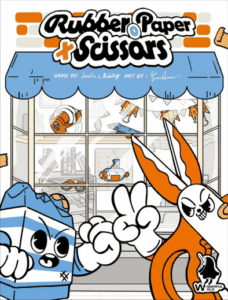
A fast 2-player duel of tactics, timing, and rock-paper-scissors twists.
10
minutes
Light

View game

2001
An intense abstract contest of performer hierarchies, promotions, and revenge.
45
minutes
Medium
View game
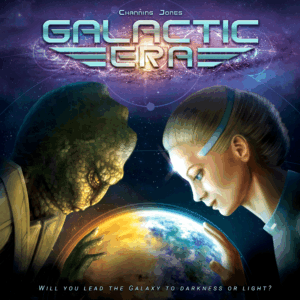
2021
Explore, expand, and shape your civilization among the stars.
180
minutes
Medium Heavy

View game
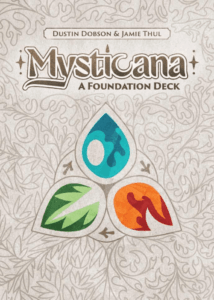
2024
One 18-card foundation, three elemental games, endless tactical possibilities.
15
minutes
Light
View game
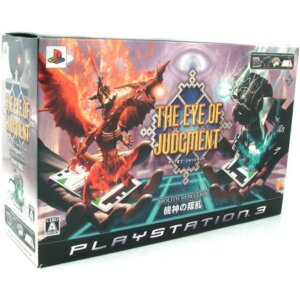
2007
A digital-enhanced card battle where creatures fight for control of a 3×3 grid.
30
minutes
Medium
View game
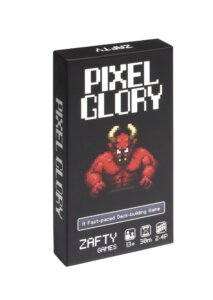
2014
Draft powerful spells, outmaneuver rivals, and claim the final blow.
25
minutes
Medium Light

View game
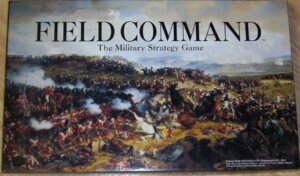
1991
Command a 40-unit army across a changing battlefield to outmaneuver your rival.
180
minutes
Medium
View game
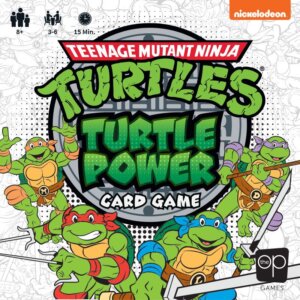
2019
A fast, simultaneous hand game where TMNT heroes face Krang
15
minutes
Light
View game
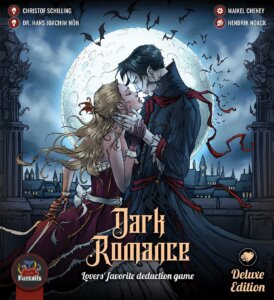
2025
Court, deduce, and survive in a shadowy Victorian world of love and danger.
45
minutes
Medium Light
View game
2009
Random cards, sudden hazards, and ten minutes of unpredictable fun.
10
minutes
Light
View game
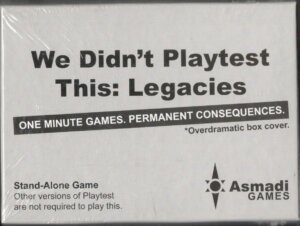
2012
Write your name into a fast, wonderfully chaotic card-game legacy.
10
minutes
Light
View game
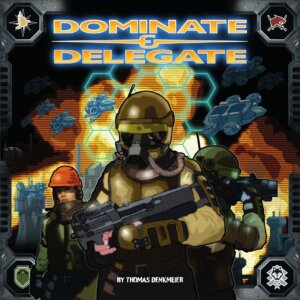
2025
Lead secretive factions through branching campaigns and strategic battles
90
minutes
Medium
View game
2010
Choose secret attacks, outthink your rival, and unleash a uniquely specialized hero.
45
minutes
Medium Heavy
View game
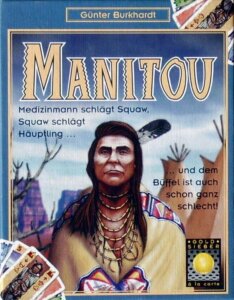
1997
Lead your tribe through three hunts with warriors, hunters, and clever card play.
45
minutes
Medium Light
View game
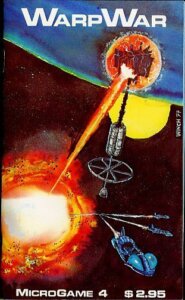
1977
Design starships, outthink your opponent, and capture enemy bases.
30
minutes
Medium
View game
2025
Predict enemies, defeat corruption, and outrun the Doom Clock.
60
minutes
Medium
View game
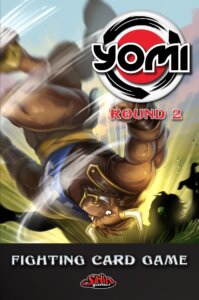
2014
Master four distinctive fighters in a strategic card-based fighting game.
20
minutes
Medium Heavy
View game
2008
A tense three-player strategy duel across two shared battlefields
33
minutes
Medium
View game
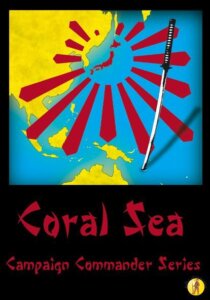
2010
Command forces across the South Pacific in a tense operational campaign.
180
minutes
Medium
View game
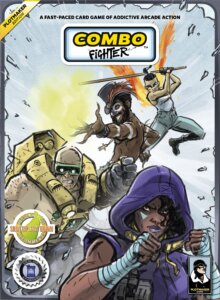
2022
Chain your cards, spend your energy, and make every hit count.
15
minutes
Medium
View game
2016
Annoy your opponents with assemblies, lists, and the dreaded Razupaltuff card.
20
minutes
Light
View game
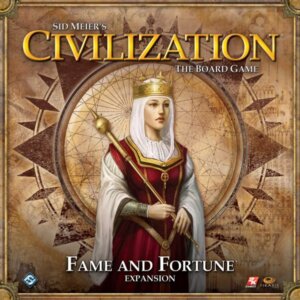
2011
Expand your civilization with new peoples, personalities, cards, and possibilities.
180
minutes
Medium Heavy
View expansion
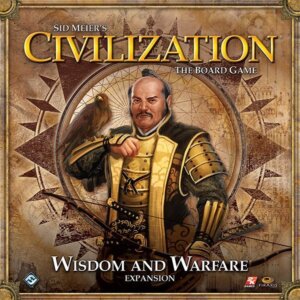
2013
Six civilizations, tactical combat, and new paths to long-term power
180
minutes
Heavy

View expansion
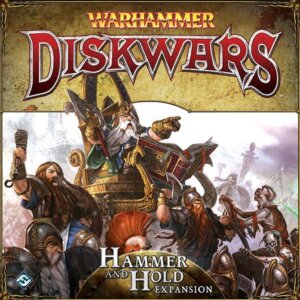
2014
Strengthen the forces of Order with poison, stalwart troops, and Dwarf might.
Medium
View expansion
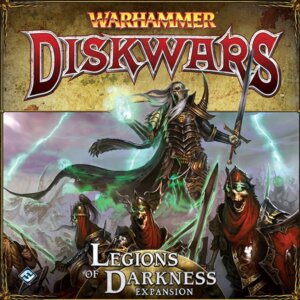
2014
Unleash undead terror, panic, and powerful new forces of Destruction.
Medium
View expansion
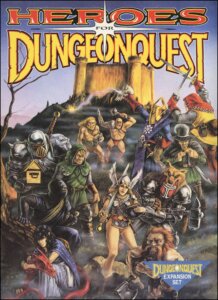
1987
Twelve new adventurers bring fresh dangers and possibilities to the castle.
90
minutes
Medium
View expansion
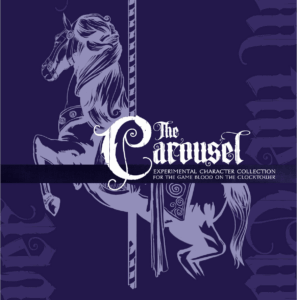
2025
72 experimental character tokens for custom Blood on the Clocktower scripts
120
minutes
Medium Heavy
View expansion
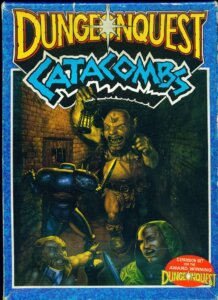
1988
Descend into the dread Catacombs with new dangers and discoveries.
90
minutes
Medium
View expansion
2020
A massive BattleCON storage box packed with upgraded components and solo fighters
Medium Heavy
View expansion

2025
Add new cards, abilities, and possibilities to your Skull King games.
60
minutes
Medium Light
View expansion
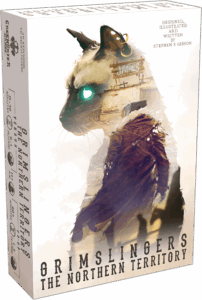
2018
Venture north into strange spectacles, dangerous paths, and ancient secrets.
90
minutes
Medium Heavy
View expansion
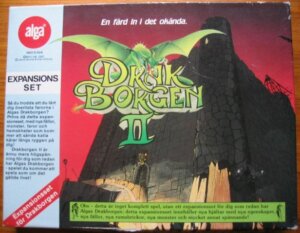
1987
New heroes, equipment, travel, hazards, and treasure beneath the castle.
60
minutes
Medium
View expansion

2005
Bring 32 NFL teams and new offensive and defensive calls to the table.
90
minutes
Medium
View expansion
The Rock-Paper-Scissors mechanic is a design structure where choices follow a circular hierarchy of strengths and weaknesses, meaning every option beats one alternative and loses to another. Instead of relying on raw numerical superiority, players must predict their opponents’ moves to gain the upper hand. Games use this system to eliminate a single dominant strategy and create fast, tense decision-making.
While pure playground hand games can feel random, modern board games wrap the mechanic in contextual information like discard piles, visible boards, and hand management. Players analyze what resources an opponent has left or what their goals require before making a secret commitment. In a duel like BraveRats, for example, deducing which of the eight specific character cards your opponent has already spent turns every clash into calculated psychological deduction.
Accessible titles usually feature minimal rules and short playtimes under 30 minutes. Quick card games like Kariba (plays in 15 minutes, ages 6 and up) and Village Pillage (plays in 20 minutes, ages 10 and up) make the cyclic advantage system immediately intuitive. In Skull King, players also experience cyclic relationships in a light trick-taking format that works well for casual gatherings.
Yes, two-player setups often showcase the mechanic at its absolute best because they focus purely on direct mind games and anticipation. Duels like Yomi and BraveRats are specifically designed for head-to-head competition, where every turn tests your ability to read your single rival. In this head-to-head context, bluffing and predicting tendencies become much sharper than in games with split attention across multiple opponents.
Solo play is possible, but it typically relies on automated decks or procedural AI cards to generate the opponent’s hidden choice. Games like DungeonQuest include solo rules where monster combat simulates unknown attacks through card draws. However, solo modes replace the psychological mind game of outthinking a human opponent with probability management and risk assessment.
Playtime varies widely depending on whether the cyclic mechanic is the whole game or just a combat subsystem. Fast card games such as Combo Fighter can finish in just 5 to 15 minutes, while lighter family options like HMS Dolores take about 20 minutes. In contrast, epic strategy titles like Sid Meier’s Civilization: The Board Game embed cyclic combat into an overarching campaign that runs 120 to 240 minutes.
Experienced gamers can find cyclic interactions woven into deeply thematic and strategic designs. In Fury of Dracula (Third/Fourth Edition), hunters and the vampire resolve tactical combat rounds through simultaneous card matching that rewards sharp predictions. Heavy empire builders like Pax Hispanica integrate cyclical dominance into high-stakes historical maneuvers that require hours of long-term planning.
Track your opponent’s past habits and limit their viable choices through superior board positioning. Rather than playing randomly, force your rival into situations where only one or two options make tactical sense for them, making their next move easy to counter. Maintaining unpredictability with your own commitments is equally vital, as experienced rivals will quickly punish repetitive patterns.
Designs handle identical selections through neutral stalemates, secondary numerical stats, or immediate re-reveals. Some titles treat a tie as a complete whiff where neither side inflicts damage, while others use initiative numbers on cards to break the deadlock cleanly. Certain games turn ties into escalated stakes, carrying unresolved rewards forward into a tenser following round.
The most common mistake is falling into predictable, “optimal” plays that treat combat purely as a math puzzle rather than a psychological duel. Playing the mathematically strongest option every round makes you transparent to observant opponents who will happily counter it. Another trap is failing to observe what limited cards or resources your opponent has remaining, which leads to blind guessing instead of informed deduction.
