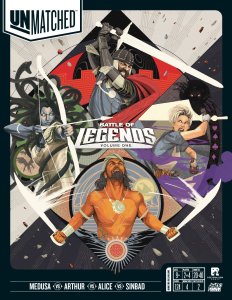
Unmatched: Battle of Legends, Volume One
2019
Asymmetrical duels where legendary heroes clash with unique powers
40
minutes
Medium Light

View game

Rules made simple, fun made easy!
A team-based game divides players into two or more competing sides that work together toward a shared victory condition. Teammates coordinate their actions and pool resources, but compete directly against an opposing group rather than individual rivals.
1,290 results
In a team-based game, players are organized into rival factions rather than competing as lone individuals. While it shares the collaborative spirit of cooperative titles, the defining tension comes from having live opponents who are actively working to counter your group’s plans. Success requires synchronizing individual actions, balancing personal tactical choices with the group objective, and reading the table dynamic.
At the table, this structure fundamentally reshapes communication and social energy. Players celebrate shared triumphs, shoulder missteps together, and often must negotiate how much information to reveal openly when the opposing team is listening. The result is a dynamic that blends the camaraderie of cooperative play with the head-to-head stakes of competitive gaming.
This style is ideal for lively game nights, couples, and social groups that enjoy head-to-head rivalry without the isolating pressure of a free-for-all contest. Most titles in this category lean toward accessible medium or light rulesets, making them approachable for mixed-experience groups, though a smaller selection of heavier tactical titles exists for dedicated strategists who want deep, coordinated warfare.
2019
Asymmetrical duels where legendary heroes clash with unique powers
40
minutes
Medium Light
View game
2014
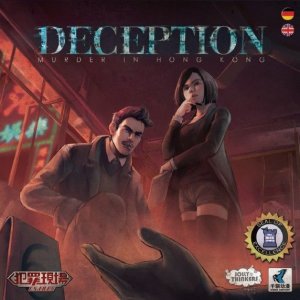
Unmask the killer before deception lets murder get away.
20
minutes
Medium Light
View game
2015
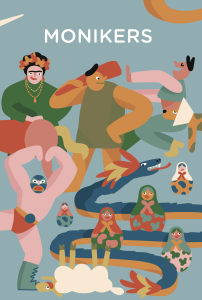
Three rounds of clues, one-word hints, and silent charades.
60
minutes
Light

View game
2016
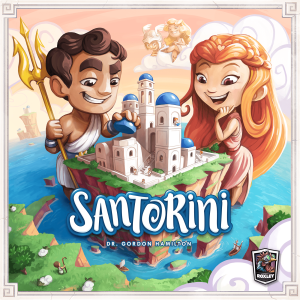
Build upward, outthink your rivals, and master changing powers.
20
minutes
Medium Light
View game
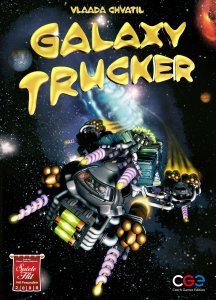
2007
Build a ship fast, survive the flight, and earn the most credits.
60
minutes
Medium

View game
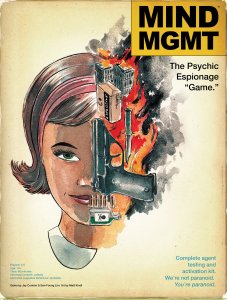
2021
Deduce a hidden psychic recruiter before Mind MGMT tightens its global grip.
60
minutes
Medium
View game

2019
Roll, fight, and outplay rivals with eight distinctive heroes.
40
minutes
Medium
View game
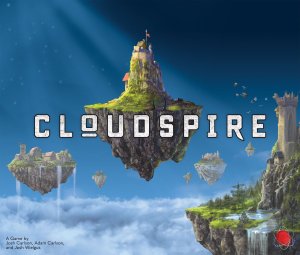
2019
Build towers, command armies, and battle for the precious source.
180
minutes
Heavy

View game
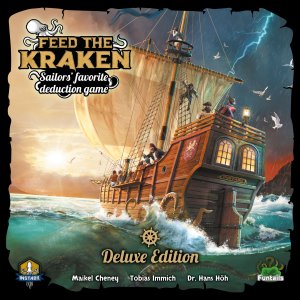
2022
A tense three-faction voyage of deception, debate, and open mutiny
90
minutes
Medium
View game
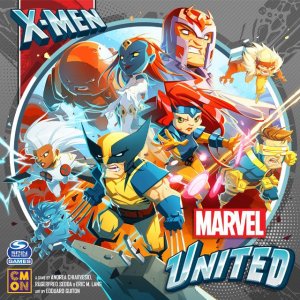
2021
Unite powerful Heroes, counter sinister schemes, and save the day.
40
minutes
Medium
View game
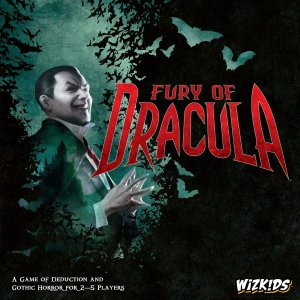
2015
A tense day-and-night hunt across Europe against Count Dracula
180
minutes
Medium Heavy

View game

2006
Lead a post-apocalyptic army and fight for survival with tactical tile play.
30
minutes
Medium
View game

2011
Hunt Jack the Ripper through the shadowy streets of Whitechapel.
90
minutes
Medium
View game
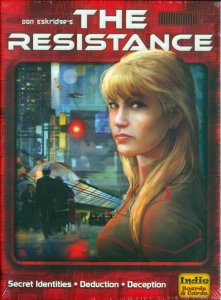
2009
Unmask spies, build trust, and lead daring missions to victory.
30
minutes
Medium Light
View game
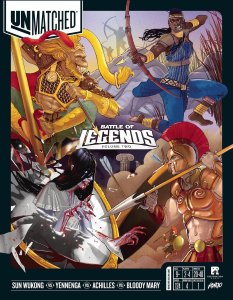
2021
Asymmetrical miniature battles where legendary heroes meet tactical mastery.
40
minutes
Medium
View game
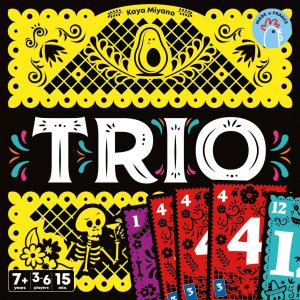
2021
Reveal, match, and collect sets of three in a clever card hunt.
15
minutes
Light
View game

2020
Roll, fight, and outsmart rivals with distinct heroes and tactical card play.
40
minutes
Medium
View game
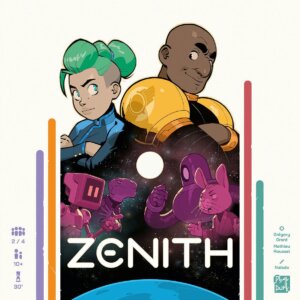
2025
Unite five planets and seize control of the senate through Influence.
35
minutes
Medium
View game
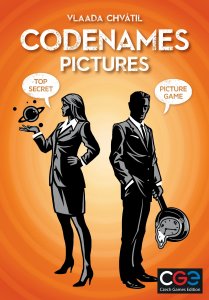
2016
Decode multi-element images, outsmart the opposing team, and find every agent first.
15
minutes
Light
View game

2019
Read the clues, find the hidden bullseye, and tune your team’s guess.
45
minutes
Light
View game
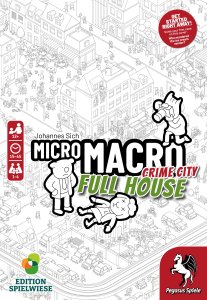
2021
Trace hidden clues across a giant city map and solve 16 crimes.
45
minutes
Light
View game

2019
Asymmetric miniature combat where every hero changes the matchup
40
minutes
Medium Light
View game
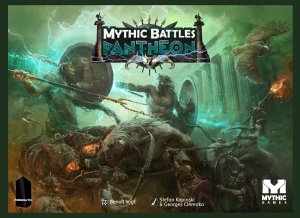
2017
Lead a mythic warband through a shattered Greece in pursuit of divine power.
90
minutes
Medium Heavy
View game
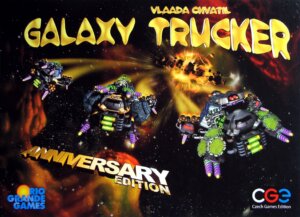
2012
Build a ship, brave the hazards, and haul your way to fortune
120
minutes
Medium
View game

2015
Hire the galaxy’s deadliest bounty hunter for new campaign and skirmish content.
120
minutes
Medium
View expansion
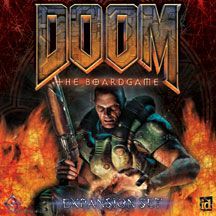
2005
Expand the invasion with new enemies, equipment, maps, and competitive modes.
120
minutes
Medium
View expansion
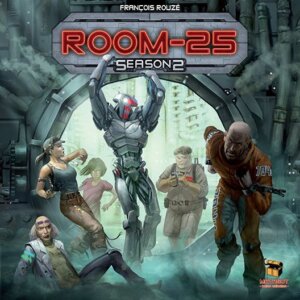
2014
New abilities, new rooms, and a tougher challenge in the next season.
30
minutes
Medium
View expansion

2010
Three new decks and intense scenarios sharpen the fight for survival.
60
minutes
Medium
View expansion
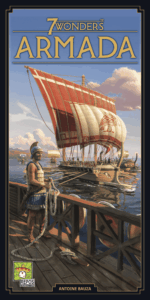
2020
Command your fleet, explore distant isles, and prepare for naval conflict.
40
minutes
Medium Heavy
View expansion
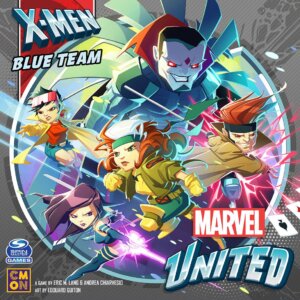
2022
A mutant-powered expansion with unique abilities and Team vs Team play.
40
minutes
Medium
View expansion
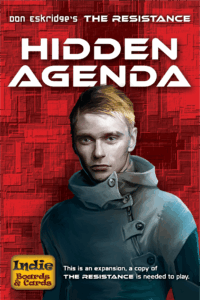
2014
Add new roles, shifting loyalties, and tense team decisions to The Resistance.
30
minutes
Medium Light
View expansion
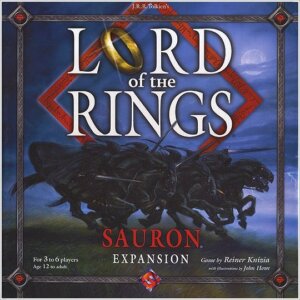
2002
Take command of Sauron or lead the Fellowship against the Dark Lord.
120
minutes
Medium
View expansion
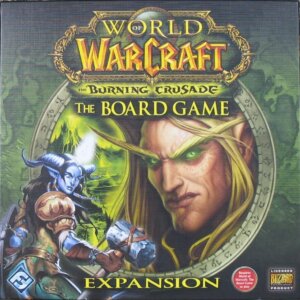
2007
Enter Outland, unlock new powers, and face perilous monsters and Overlords.
360
minutes
Medium Heavy
View expansion
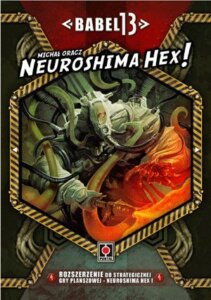
2008
Face mutated nature in a battle for survival across changing battlefields.
30
minutes
Medium
View expansion

2015
Bring two iconic Droids and fresh missions to Imperial Assault.
90
minutes
Medium Heavy
View expansion
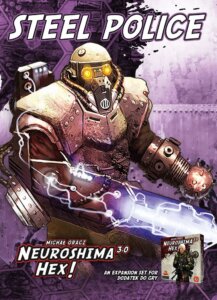
2012
Deploy armored enforcers and turn enemy attacks back against them.
30
minutes
Medium
View expansion
A team-based board game splits players into two or more rival factions working toward a shared victory condition. Teammates coordinate their actions, combine powers, and share resources to outmaneuver their opponents. Unlike fully cooperative games, success requires overcoming active, thinking human adversaries rather than an automated rule system.
Cooperative games unite everyone at the table against the game system itself, whereas team-based games pit two or more human groups against one another. This competitive element introduces direct counter-play, bluffing, and defensive reactions that automated systems rarely replicate. You experience the shared camaraderie of cooperative play alongside the high stakes of a head-to-head rivalry.
True team-based play is generally impossible solo, as the core dynamic relies on inter-player collaboration against an opposing side. While most team experiences need at least four players, several tactical titles scale down to two players by having each person control an entire multi-character faction directly. For instance, heavy designs like War of the Ring: Second Edition and Cerebria: The Inside World support team play at four players, but are widely played as dedicated two-player duels.
Light party and deduction games are the best starting point because they feature straightforward rules and short playtimes under an hour. Word-association hits like Codenames and Codenames: Pictures take roughly 15 minutes and organize players into two rival squads competing to guess designated cards. Another accessible choice is Concept, where teammates pair up to communicate clues to the rest of the room using universal visual icons.
Social deduction games and real-time coordination titles thrive at high player counts of six or more. Hidden-loyalty games like Secret Hitler and The Resistance: Avalon play up to 10 people in an intense duel between an informed minority and an uninformed majority. If your group prefers real-time action over social deduction, Captain Sonar offers an unmatched experience at eight players, dividing the table into two competing submarine crews operating separate stations simultaneously.
Heavy team games demand tight strategic alignment, intricate rule systems, and sustained coordination over multiple hours. An exceptional example is La Famiglia: The Great Mafia War, a heavy 120- to 180-minute strategy game designed strictly for four players competing as two paired mafia factions. Advanced tacticians also turn to games like Cloudspire, which layers asymmetric unit powers and lane management into complex multi-player clashes.
Standard team games pit balanced groups of similar size against each other, whereas a one-vs-many title pits a solitary player against a unified team of heroes. In games like Star Wars: Imperial Assault and Descent: Journeys in the Dark (Second Edition), one person controls the scenario’s monsters or imperial forces while everyone else forms an adventuring party. Both styles rely on teamwork, but one-vs-many games build asymmetric rules and objectives around the lone player’s superior numbers or command abilities.
Team titles usually require an even number of players to ensure both sides have equal actions, resources, and decision-making power. Adding an odd player often disrupts the balance, forcing one team to take extra turns or leaving an individual to play alone against a pair. Certain games like Crokinole strictly require two or four players to maintain fair alternating seats around the board.
The best way to prevent quarterbacking is to choose games that incorporate hidden personal information, simultaneous play, or limited communication channels. When information is private or decisions must happen instantly, no single player can effectively command everyone else. Agreeing on a ground rule where each participant holds absolute authority over their own pieces and turns also helps safeguard player agency.
Yes, team-based games are great for families because pairing younger players with adults softens the sting of defeat and supports collaborative learning. Light titles like BANG! The Dice Game (ages 8+) deliver quick, engaging 15-minute rounds where teammates support one another across the table. Classic dexterity games like Crokinole (ages 8+) also work well for 2-vs-2 family play, focusing on tactile skill rather than complicated rulebooks.
