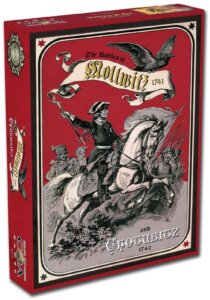
The Battles of Mollwitz 1741 and Chotusitz 1742
2017
Command Frederick’s first battles across two tense campaigns of the First Silesian War.
720
minutes
Heavy

View game

Rules made simple, fun made easy!
The Age of Reason board game theme encompasses titles set during the Enlightenment and the long 18th century, focusing on scientific advancement, philosophical debate, colonial expansion, and cabinet warfare. These games typically challenge players to govern European powers, navigate shifting alliances, and modernize states through intellectual and technological progress.
161 results
Games set in the Age of Reason immerse players in the dynamic transformation of the seventeenth and eighteenth centuries. Rather than treating history as broad brushstrokes of civilization-building, this setting focuses closely on a pivotal era where rationalist thought, scientific revolution, and global trade clashed with entrenched absolute monarchies. At the table, players typically balance internal administrative reforms and philosophical advancement against imperial expansion across newly charted continents.
This thematic framework elevates table play by contrasting polite statecraft with high-stakes conflict. Players find themselves navigating shifting multinational coalitions, modernizing standing armies with early gunpowder tactics, and leveraging colonial trade monopolies. The tension between enlightened domestic governance and ruthless international competition provides a deeply strategic, politically rich atmosphere where victory requires equal parts long-term planning and tactical flexibility.
This setting primarily suits dedicated strategy enthusiasts and history lovers who enjoy complex, thematic decision spaces. Because the overwhelming majority of these games lean into medium, medium-heavy, and heavy complexity brackets, they are best suited for groups comfortable with thick rulebooks, intricate operational procedures, and prolonged playtimes. Casual or party game crowds will likely find the detailed focus on logistics, coalition politics, and administrative reform overwhelming.
2017
Command Frederick’s first battles across two tense campaigns of the First Silesian War.
720
minutes
Heavy
View game
2017
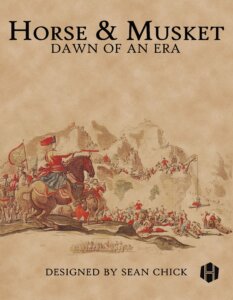
Command musket-era battles from Vienna to the early eighteenth century.
90
minutes
Medium

View game

2019
Craft exquisite fragrances, court powerful Ladies, and win royal prestige.
120
minutes
Medium Heavy

View game
2014
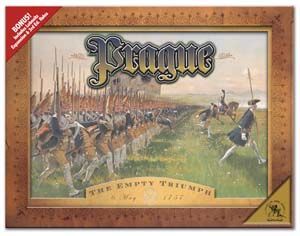
Command Prussian and Austrian forces in a massive Seven Years’ War battle
600
minutes
Heavy
View game
1994
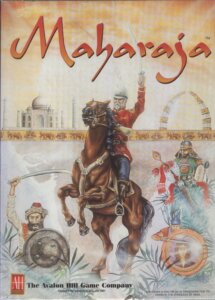
Trace migrations across India from the Aryan invasions to the British Raj.
240
minutes
Medium
View game
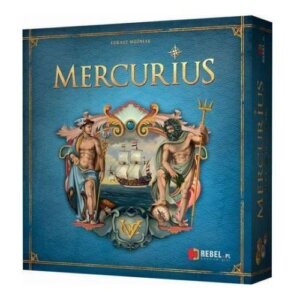
2012
Build wealth through stocks, exotic goods, and risky market timing.
60
minutes
Medium
View game
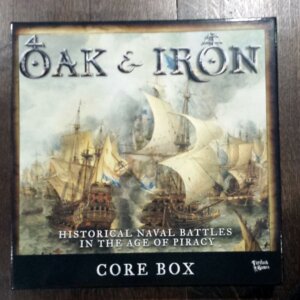
2019
Command armed sailing ships in richly themed age-of-sail fleet battles.
45
minutes
Medium
View game
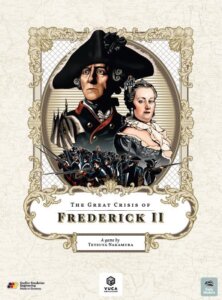
2020
A sweeping strategic campaign of the Seven Years' War in Europe
480
minutes
Medium
View game
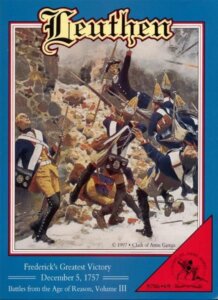
1997
Recreate Frederick’s decisive 1757 victory across a detailed battlefield simulation.
360
minutes
Heavy
View game
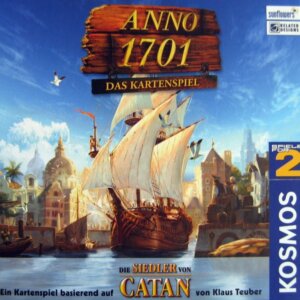
2007
Develop your island from two houses and earn points through settlers and citizens.
60
minutes
Medium
View game
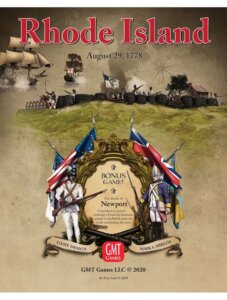
2020
Command a retreat, exploit opportunity cards, and shape an American Revolution battle.
Medium Heavy
View game
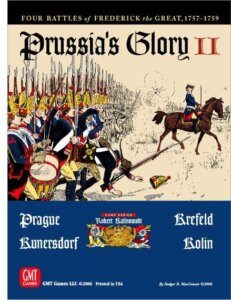
2005
Recreate four famous Seven Years War battles in focused grand tactical games.
90
minutes
Medium
View game
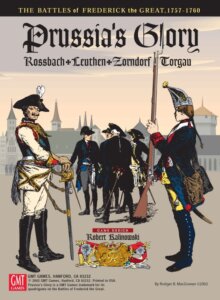
2002
Command Frederick’s armies through four pivotal Seven Years War battles.
180
minutes
Medium
View game
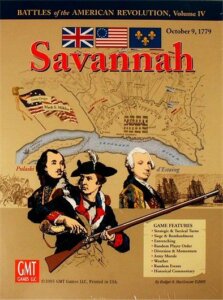
2005
Command a four-week Franco-American siege with strategic and tactical turns.
240
minutes
Medium
View game
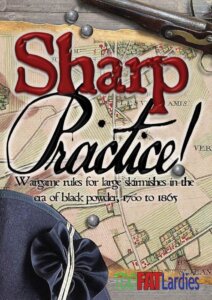
2008
Lead heroic commanders in large-scale black powder skirmishes
120
minutes
Medium
View game
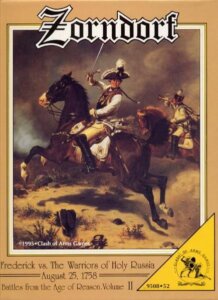
1996
Recreate a savage 1758 battle with detailed linear-tactics warfare.
360
minutes
Heavy
View game
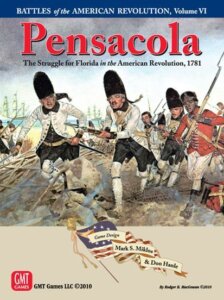
2010
A desperate siege where raids, fortifications, and morale decide Pensacola's fate.
360
minutes
Medium Heavy
View game
2017
Recreate a decisive European conflict in a sweeping two-player historical game.
225
minutes
Medium
View game
2013
Command Prussia or Austria through eight pivotal battles of the Age of Reason.
60
minutes
Medium Light

View game
2013
Command, ambush, and Indian warfare collide in a tense 150-minute battle game.
150
minutes
Medium
View game
2008
Recreate a pivotal American Revolution battle across four historical scenarios.
1200
minutes
Medium Heavy
View game
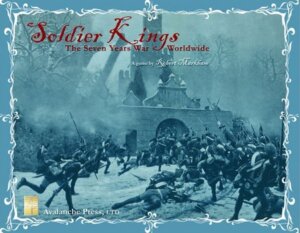
2002
Command armies, fleets, and alliances across a worldwide eighteenth-century conflict.
480
minutes
Medium
View game
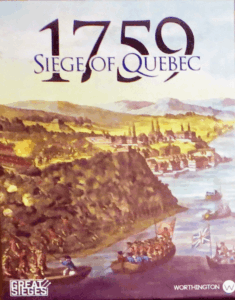
2018
Make crucial command decisions in a fast, strategic siege wargame.
90
minutes
Medium Light
View game
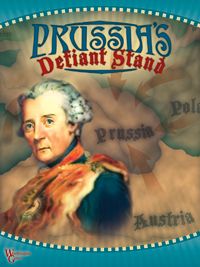
2007
Maneuver, siege, and daring choices in Prussia’s fight for survival.
180
minutes
Medium
View game
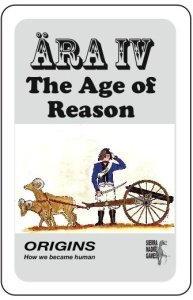
2008
Advance your civilization into Era IV with this modern-age expansion deck.
240
minutes
Medium Heavy
View expansion
2007
Command fleets in dramatic Age of Fighting Sail campaigns
240
minutes
Medium Heavy
View expansion
1995
Add 16 cards to We the People for additional play options.
120
minutes
Medium
View expansion
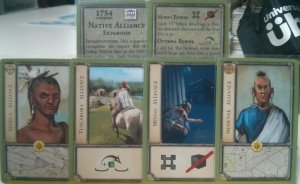
2017
Add Native Alliance powers and fresh setup alternatives to the game.
Medium Heavy
View expansion

2021
Add organized storage, wooden blocks, and a fifth Tactical Card set
210
minutes
Medium Heavy
View expansion
Age of Reason board games focus on the Enlightenment and the long eighteenth century, highlighting statecraft, scientific modernization, and cabinet warfare. Rather than spanning millennia, these games zoom in on the friction between absolute monarchies, colonial trade systems, and rationalist reform. Players generally balance domestic administrative upgrades against fluid multinational diplomacy and positional battlefield tactics.
For players new to the theme, Guillotine provides an accessible, lighthearted 30-minute card game set during the French Revolution. If you prefer a two-player tactical game with minimal rules overhead, Table Battles offers fast-paced historical engagements in about 20 minutes. Another approachable starting point is Queen’s Necklace, which introduces court intrigue and market bidding in 30 to 45 minutes.
While Renaissance games emphasize early mercantile leagues and civilization games span sweeping historical eras, Age of Reason titles center specifically on eighteenth-century balance-of-power politics and institutional modernization. Military engagements in this theme represent cabinet warfare, where players fight over fortresses and treaties rather than annihilating entire civilizations. Economic play also shifts from basic resource harvesting to industrial infrastructure and overseas monopoly management.
Yes, the theme includes numerous titles specifically designed or best played at two players. Tactical wargames like Hold the Line and card-driven games like Washington’s War recreate Revolutionary War engagements with focused two-player rulesets. For a deep geopolitical rivalry spanning European courts and colonial theaters, Imperial Struggle is built entirely around a head-to-head contest.
Several major titles in this category include official solo modes tailored for single-player gaming. Complex historical simulations like Liberty or Death: The American Insurrection utilize automated flowchart engines to manage competing factions. Euro-style strategy games like Lisboa and Legacy: The Testament of Duke de Crecy also feature dedicated solitaire systems focused on efficiency and scoring benchmarks.
Most Age of Reason games target older audiences due to intricate historical rules, but a few lighter options work well for families. Queen’s Necklace is suitable for children as young as age 8 thanks to its simple card-drafting and bidding flow. For ages 12 and up, Guillotine delivers a quick, casual party atmosphere without heavy historical complexity.
Experienced players looking for deep decision spaces will find strong challenges in Medium Heavy and Heavy titles in this category. Brass: Birmingham challenges players to build interlocking networks and industries during the Industrial Revolution. For comprehensive imperial administration, Europa Universalis: The Price of Power offers a sweeping, multi-hour simulation of European diplomacy, trade, and military logistics.
Playtimes range widely from under an hour for tactical card games to over four hours for grand strategic simulations. Quick options like Table Battles take around 20 minutes, while mid-weight strategy titles like Saint Petersburg finish in 45 to 60 minutes. In contrast, heavy wargames such as Liberty or Death: The American Insurrection frequently run 180 to 360 minutes.
Card-driven action selection, area majority influence, and market manipulation are the most prevalent mechanics across this theme. Strategy titles regularly use cards that can either trigger historical events or provide operational action points for moving troops and negotiating treaties. Combat resolution often integrates structured line-formation tactics and dice modifiers reflecting disciplined eighteenth-century doctrine.
A common error is overspending on military aggression while ignoring domestic infrastructure and financial stability. Because these games model eighteenth-century cabinet conflicts rather than total conquest, rapid expansion without stable income leads directly to bankruptcy and diplomatic retaliation. Sustainable victory almost always relies on balancing naval or territorial presence with ongoing scientific research, trade routes, and domestic modernization.
