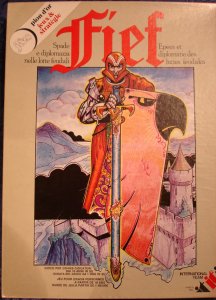
Fief
1984
A strategic medieval struggle of conquest, economics, and political power.
360
minutes
Medium Heavy

View game

Rules made simple, fun made easy!
City Building board games task players with planning, constructing, and managing an urban settlement through strategic placement and resource development. Players start with modest foundations and gradually expand neighborhoods, infrastructure, and civic districts into thriving metropolises.
984 results
At its heart, this theme transforms players into urban planners, architects, or civic leaders. Instead of managing abstract points, you are laying roads, erecting public monuments, organizing residential quarters, and balancing the industrial needs of an expanding settlement. Whether competing to construct the grandest ancient capital or collaborating to design a futuristic sprawl, the table revolves around tangible spatial growth.
The appeal lies in the satisfaction of watching an empty grid or shared board evolve into a complex, bustling network over the course of the session. As your districts interlock and production chains mature, every newly placed building feeds into your broader economy, making your long-term planning visible to everyone at the table.
This theme is ideal for strategic thinkers, puzzle enthusiasts, and players who love visible progression over direct confrontation. Complexity skews heavily toward the medium to medium-heavy range, offering rich economic decisions without needing the brutal overhead of ultra-heavy simulations. While light family-friendly options exist, the genre shines best with groups that enjoy optimization, spatial planning, and deliberate development.
1984
A strategic medieval struggle of conquest, economics, and political power.
360
minutes
Medium Heavy
View game
2023
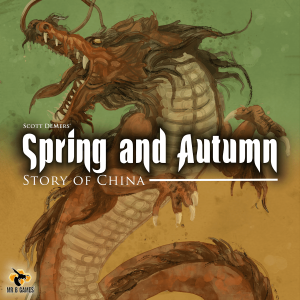
Build a dynasty amid philosophy, diplomacy, warfare, and Chinese dragons.
180
minutes
Medium Heavy
View game
2025
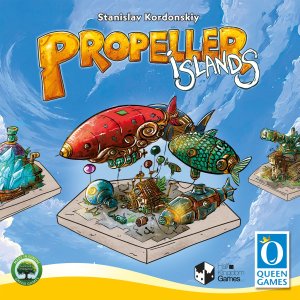
Build ingenious mechanical islands and outwit your rivals for victory.
80
minutes
Medium

View game
2018
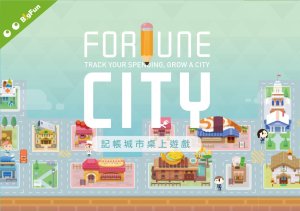
Turn purchases into distinctive buildings and grow a stylish city.
45
minutes
Medium
View game
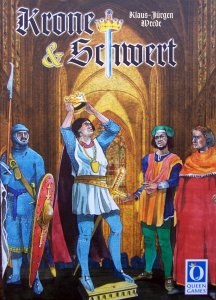
2002
Build your realm, spark a revolution, and fight for the crown
60
minutes
Medium
View game

2016
Build a connected town and bring your church together before your opponent.
30
minutes
Medium
View game
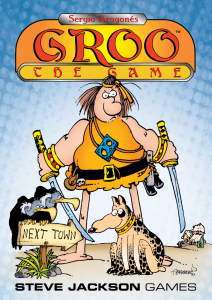
2023
Build a town, raise an army, and survive Groo's bumbling visits.
60
minutes
Medium Light

View game
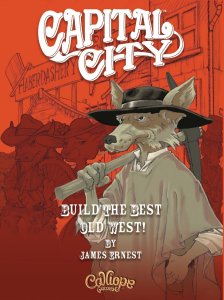
2017
Build a bustling Wild West town, hire wisely, and chase victory points.
50
minutes
Medium
View game
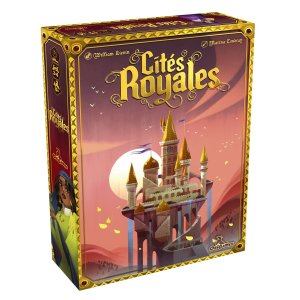
2024
Build wisely, seize majorities, and reshape the kingdom with every card.
60
minutes
Medium
View game

2015
Bring new mechanisms and strategies to your next high-noon showdown.
45
minutes
Medium Heavy
View expansion
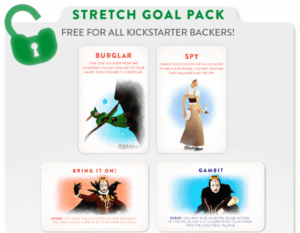
2022
A 19-card addition for Villagers and Villagers: Shifting Seasons
60
minutes
View expansion

2020
A compact cooperative expansion featuring COVID-19 components
180
minutes
Heavy

View expansion
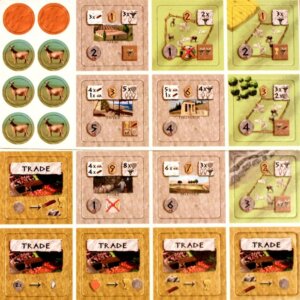
2012
Add goats, trading, and support for a seventh player to Peloponnes.
50
minutes
Medium
View expansion
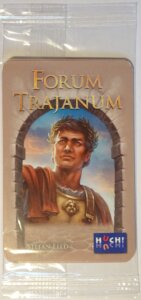
2018
Three extra Trajan cards for greater variety and replayability
120
minutes
Medium
View expansion
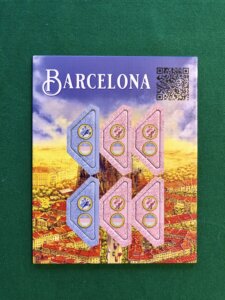
2023
Add new corner buildings with order-specific overbuilding rules
90
minutes
View expansion
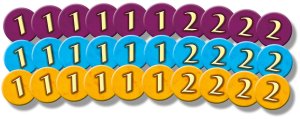
2019
A new way to play Carcassonne Maps with chips and fresh scoring options
45
minutes
Light

View expansion
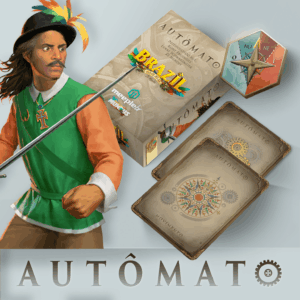
2022
Face an unpredictable artificial opponent in solo or multiplayer games.
100
minutes
Medium
View expansion

2018
Trace the road, avoid repeating its lengths, and score every tile reached.
120
minutes
View expansion
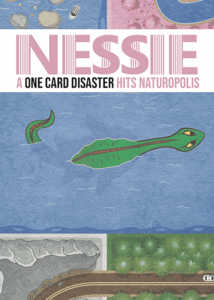
2023
A one-card monster challenges your landscape with a river-based threat.
20
minutes
Light
View expansion
2015
Add six corn circle tiles and a clever follower-choice rule to Winter Edition play.
40
minutes
Medium
View expansion
2021
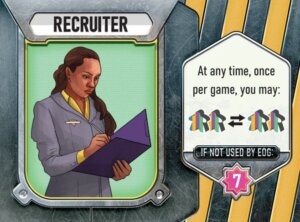
Trade workers when needed—or earn 7 VP by saving the Recruiter’s ability.
120
minutes
Heavy
View expansion
A city building board game tasks players with planning, constructing, and managing an urban settlement, district, or municipality. As rounds progress, you place tiles, cards, or structures to expand your town, unlock stronger economic actions, and score points based on civic layout and zoning synergies. The core appeal comes from watching a blank grid or personal player board evolve into a functional, bustling metropolis.
For beginners and family game nights, games with accessible rules, intuitive themes, and quick runtimes make the ideal entry point. Card-driven titles like Happy City and Machi Koro let players purchase buildings and collect revenue in roughly 30 minutes. If you prefer spatial planning, Welcome To… and My City provide satisfying neighborhood development without overwhelming players with complex rules.
While both genres involve societal growth, city building games focus on local infrastructure, spatial layout, and municipal logistics rather than sweeping historical eras and military conquest. Your primary puzzle in a city builder is figuring out where and when to erect specific structures to maximize adjacencies, happiness, and public services. Civilization titles, by contrast, focus on macro-level tech trees, political ideologies, and global territorial control.
Yes, the spatial optimization and economic engines inherent to urban planning make city builders natural fits for solo play. Pocket-sized games like Sprawlopolis provide tight spatial puzzles that challenge a single player to satisfy shifting municipal zoning targets in under 20 minutes. On the complex end, Frostpunk: The Board Game delivers an intense solo survival experience centered on heating networks and citizen management.
Several prominent city builders play exceptionally well with exactly two players. For a fast, head-to-head match, 7 Wonders Duel offers tense drafting and structure construction in about 30 minutes. If you want a deeper strategic puzzle, heavy logistical games like Underwater Cities and Antiquity excel at a two-player count by keeping downtime low while preserving rich spatial competition.
Playtime varies widely depending on the depth of the municipal simulation. Light roll-and-write and transit-planning games like Next Station: London run about 25 to 30 minutes, making them easy to fit into a casual evening. Medium-weight games typically range from 45 to 90 minutes, whereas massive logistical heavyweights such as Roads & Boats can easily take three to four hours.
Experienced players seeking intricate economies, tight spatial puzzles, and heavy decision-making will find the greatest depth in titles like Lisboa and On Mars. These games task players with rebuilding historic urban centers or balancing life-support colonies under strict economic constraints. Cutthroat classics such as Caylus and Keyflower also offer intense competition over worker placement and village development.
Tile-placement city builders emphasize physical geography and spatial orientation, challenging you to connect roads and cluster neighborhoods across a shared or personal grid. Card-based city games focus instead on drafting, hand management, and engine building, where cards represent municipal buildings that generate ongoing resources or victory points. Many modern games blend both styles, using card play to trigger the physical placement of structures on a board.
The most common pitfall is over-expanding early and trapping your own expansion paths without leaving room for late-game civic centers or transport links. Players also frequently chase raw revenue while neglecting mandatory upkeep, public happiness, or pollution mitigation. Successful city planners evaluate scoring synergies several turns in advance to ensure early residential and industrial placements do not cannibalize future high-value districts.
Many lighter city building games are very suitable for children ages 8 and up. Accessible options like Cozy Stickerville and Roll Through the Ages: The Bronze Age teach spatial reasoning, basic budgeting, and planning without overwhelming young players with dense text or arithmetic. They provide a tangible sense of accomplishment as children watch their towns take shape on the table.
