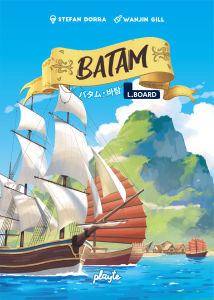
Batam
2025
Race across the islands, sabotage rival crews, and sail home with the most riches.
45
minutes
Medium Light

View game

Rules made simple, fun made easy!
The Racing theme centers on high-speed competition where players navigate tracks, courses, or treacherous terrain to cross a finish line first. Rather than accumulating victory points over set rounds, these games prioritize positional tempo, momentum management, and direct pursuit.
411 results
At its core, a Racing board game is defined by clear, visible stakes: progress is mapped across a shared track or evolving route, making every player’s standing instantly apparent. Whether navigating sports cars, running animals, or sprinting adventurers, the table energy is fueled by the thrill of catching a leader or fighting to stay in front.
This dynamic creates natural drama because the finish line dictates the end of the game. Turns tend to move rapidly as players weigh bold acceleration against the risk of spinning out, stalling, or getting blocked, turning every movement decision into a balance between safety and speed.
Racing games appeal strongly to families, casual groups, and competitive game nights looking for accessible, fast-moving competition. The vast majority of these titles fall within the light to medium complexity range, making rules easy to teach while still offering satisfying strategic depth. While heavy, simulation-style race games exist, most designs prioritize accessible fun, direct player interaction, and quick table time.
2025
Race across the islands, sabotage rival crews, and sail home with the most riches.
45
minutes
Medium Light
View game
2015
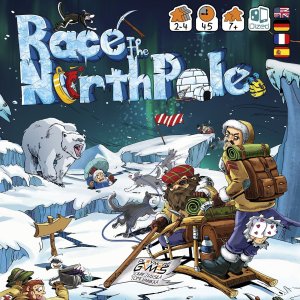
Outmaneuver rival expeditions through a shifting Arctic storm
45
minutes
Medium Light
View game
1985
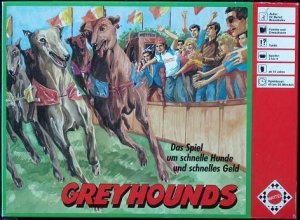
Secret bets and clever card play drive three escalating greyhound races.
90
minutes
Medium

View game
2002
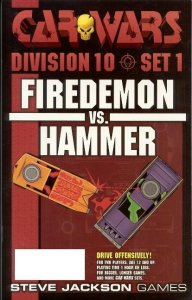
Streamlined vehicular combat with faster play and larger-scale movement
60
minutes
Medium
View game
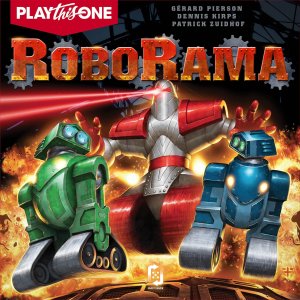
2014
Race four robots across a crowded arena with clever card-and-route choices.
45
minutes
Medium
View game
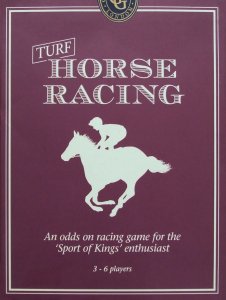
1995
Bet boldly, roll wisely, and race your chosen horses to victory.
60
minutes
Medium Light
View game
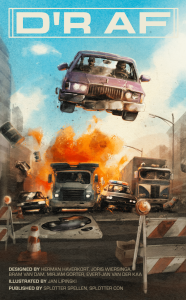
1997
A high-speed card-driven race where every move can change the road ahead.
45
minutes
Medium Light
View game

1998
Team up, trade cards, and race your pawns to safety.
60
minutes
Light

View game
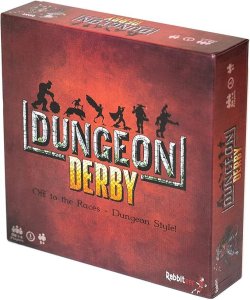
2018
Bet, scheme, and cast spells to shape thrilling dungeon races.
90
minutes
Medium
View game
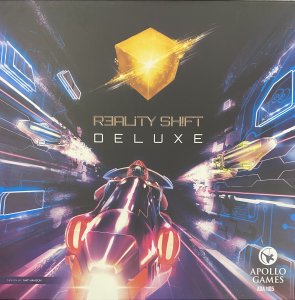
2022
Race across magnetic cubes and reshape the track to outsmart your rivals.
60
minutes
View game
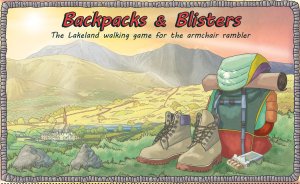
2017
Walk the Lakeland fells, manage your cards, and make it back by six.
60
minutes
Medium
View game
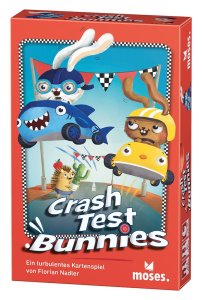
2019
Race, react, and avoid a crash in a frantic simultaneous card game.
20
minutes
Light
View game
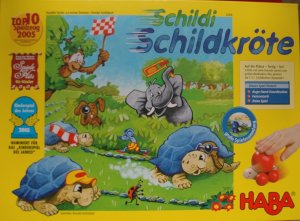
2004
Five playful turtle challenges of racing, skill, luck, bluffing, and soccer
5
minutes
Light
View game
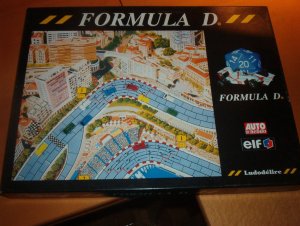
1996
A 1996 Ludodélire mini release with a Monaco course and shortened rules.
90
minutes
Medium
View game
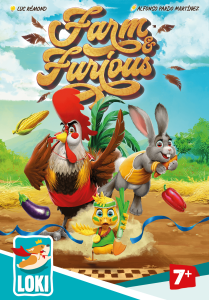
2022
Choose the right animal, race smartly, and lead your team to victory!
10
minutes
Light
View game
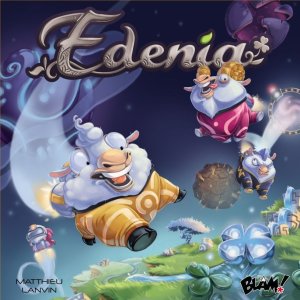
2016
Race sheep through space toward legendary pastures.
30
minutes
Medium Light
View game
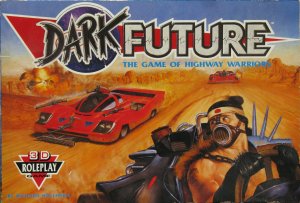
1988
Build armed vehicles and race or battle across changing apocalyptic roads.
60
minutes
Medium
View game
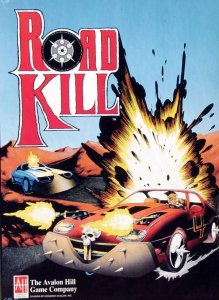
1993
Race, sabotage, and smash your way through a brutal armored highway battle.
90
minutes
Medium
View game
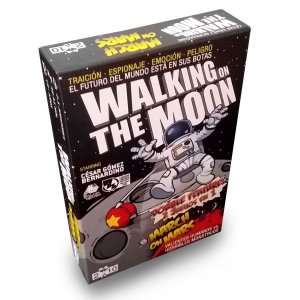
2016
Program daring lunar jumps, collect stars, and outmaneuver rival astronauts.
45
minutes
Medium Light
View game
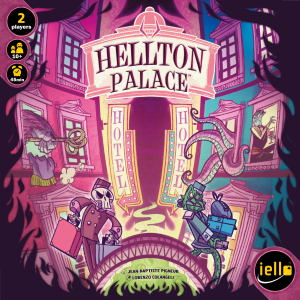
2022
Manage a doomed underworld hotel and be the last player standing.
45
minutes
Medium
View game

2012
Navigate deadly rapids, outmaneuver rivals, and bring your crew home safely.
60
minutes
Medium Light
View game
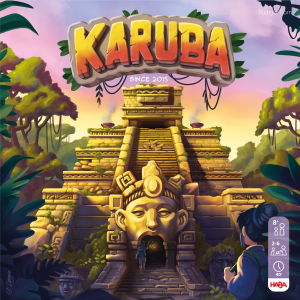
2025
Race through the jungle, uncover paths, and claim the most valuable treasures.
40
minutes
Light
View game
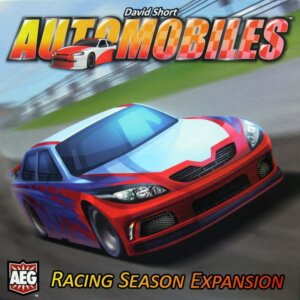
2017
Expand the race with unique drivers, sponsors, new tracks, and season play.
45
minutes
Medium
View expansion
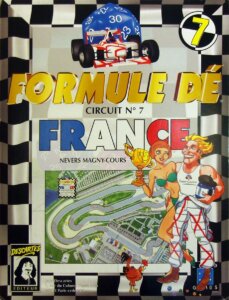
1997
Two iconic Formula Dé tracks: Magny-Cours and Monza.
120
minutes
Medium Light
View expansion
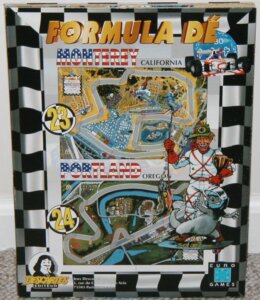
1999
Four Formula Dé expansion tracks across the USA
120
minutes
Medium Light
View expansion
2020
Race across eight tracks in a multi-race campaign for the championship title.
60
minutes
Medium
View expansion
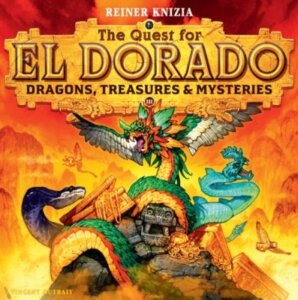
2023
Three modules add dragons, treasure hunts, and mysterious terrain.
60
minutes
Medium
View expansion
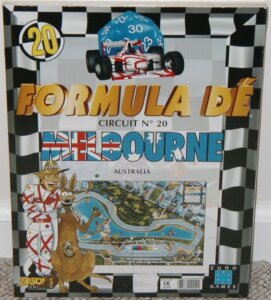
1999
Take Formula Dé to Suzuka and Melbourne with two expansion tracks.
120
minutes
Medium
View expansion
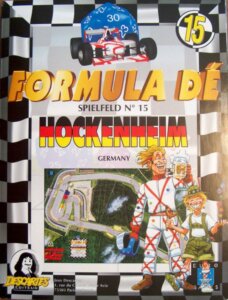
1999
Two Formula Dé expansion circuits: Hockenheim and Zeltweg
120
minutes
Medium Light
View expansion
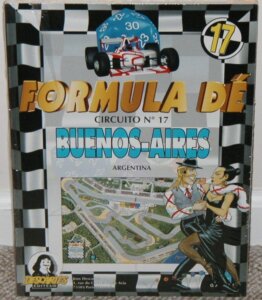
1999
Race on two expansion tracks: Buenos-Aires and Barcelona.
120
minutes
Medium Light
View expansion
1998
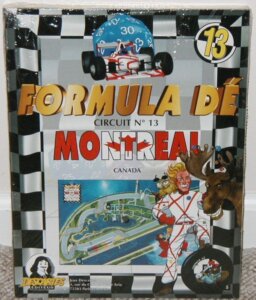
Two Formula Dé expansion tracks: Montreal and Long Beach
120
minutes
Medium Light
View expansion
1998
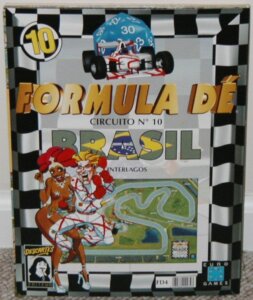
Two Formula Dé expansion tracks: Estoril and Interlagos.
120
minutes
Medium Light
View expansion
2020
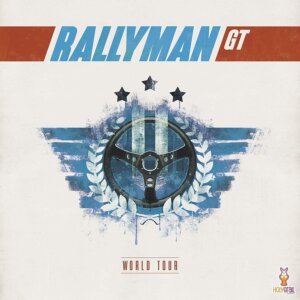
Take on new world-inspired tracks and challenge your opponents on the road.
Medium
View expansion
1998
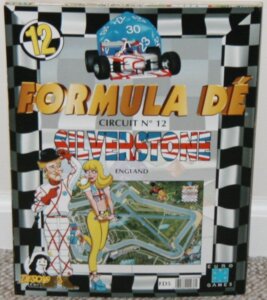
Two Formula Dé expansion tracks spanning New York and England
120
minutes
Light
View expansion
A racing board game is a competitive design where players compete to cross a finish line first or complete a track rather than accumulating victory points over rounds. Instead of passive score tallying, the game state is immediately obvious on a physical track or evolving route. Players focus on momentum management, positioning, and hazard mitigation to outpace their rivals.
Accessible titles with clear movement rules and low complexity make the best entry points for families. The Quest for El Dorado introduces simple deck-building to race through modular jungle maps, while Flamme Rouge offers intuitive card-driven cycling tactics. For a livelier family experience, Camel Up creates chaotic fun around betting on stacking race camels.
Yes, several racing games feature rules simple enough for children as young as age 6. Dexterity games like PitchCar let young players flick wooden cars around customizable tracks without reading or arithmetic. Alternatively, Magical Athlete provides fast-playing fantasy sprint races with straightforward die rolls and fun runner powers.
Experienced players should look toward heavier tactical systems that simulate tire degradation, track physics, and vehicle wear. Race! Formula 90 provides an intricate motorsport simulation featuring realistic cornering lines, weather shifts, and pit strategies. For tactical vehicular combat and movement physics, classic titles like Car Wars offer granular vehicle construction and hazardous maneuvering.
Yes, several modern racing games include dedicated solo modes or automated opponent systems. In Heat: Pedal to the Metal, automated rival cars fill the track and provide realistic pacing hurdles for a solo driver. Solo off-road fans can also play Dirt & Dust, which offers a dedicated 1-player time-trial challenge.
Many racing games scale exceptionally well to large groups because high player counts create dense traffic and exciting track congestion. Formula D supports up to 10 racers navigating gear shifts and tight corners on classic Grand Prix circuits. If your group prefers real-time spectator thrills, Ready Set Bet accommodates up to 9 players placing simultaneous bets during high-energy sprint races.
Modern racing designs replace arbitrary roll-and-move luck with meaningful player agency, card management, and calculated risk. Rather than merely advancing whatever number a single die shows, players decide when to push gears, draft rivals, or burn engine resources. These systems ensure that strategic positioning and hand management dictate the winner rather than pure chance.
Drafting—also called slipstreaming—is a thematic mechanism that rewards a player for finishing their movement directly behind another racer. In cycling games like Flamme Rouge, riders tucked tightly into the pack receive bonus movement and avoid fatigue cards. This mechanic reflects real-world aerodynamics and gives trailing players a reliable way to stay competitive.
Designers limit runaway leaders by using track chokepoints, corner speed limits, and slipstreaming rules. Corners frequently force leaders to slow down or suffer vehicle wear, allowing pursuers to close the distance without taking damage. Furthermore, frontrunners often face the penalty of setting the pace alone while chasers benefit from drafting behind them.
Most racing games take between 30 and 60 minutes to play, though session length scales with rules complexity. Light card and dice races like Hot Streak can conclude in about 20 minutes. In contrast, complex simulation titles like Race! Formula 90: 2nd Edition can run between 90 and 270 minutes for an authentic Grand Prix distance.
The key strategy in racing games is pacing your acceleration so you do not waste high-speed resources right before sharp corners or bottlenecks. Save your biggest movement boosts for the long straights immediately following a corner exit. Additionally, use lane blocking to force rivals onto inefficient outer paths while hitching rides in their slipstream whenever possible.
