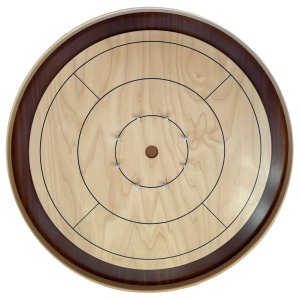
Crokinole
1876
Flick wooden disks toward the bullseye in a classic test of dexterity.
30
minutes
Light

View game

Rules made simple, fun made easy!
Action and dexterity games challenge players' physical coordination, speed, and precision alongside mental tactics. Rather than relying solely on abstract strategy, outcomes depend on motor skills like flicking, stacking, balancing, or rapid reflexes.
1,283 results
At its core, this style of gaming moves the contest from the mind directly into the hands. Players interact with physical components in dynamic ways, whether that means steadying trembling fingers to place a delicate piece, aiming a precise flick across the table, or reacting faster than an opponent to grab a shared token.
This physical element creates an energetic and visceral table presence that traditional tabletop titles rarely match. Turns are immediate, spectator-friendly, and frequently erupt into laughter or gasps, making every millimeter and millisecond count toward victory or collapse.
These games are ideal for casual gatherings, mixed-age families, and party settings where high energy and quick laughs matter more than deep strategic calculation. Because the vast majority of titles in this space lean overwhelmingly light in complexity—with only a rare few pushing into medium-weight rulesets—they serve as effortless icebreakers that welcome non-gamers and competitive veterans alike.
1876
Flick wooden disks toward the bullseye in a classic test of dexterity.
30
minutes
Light
View game

2014
Magnetic skill and quick reactions in a goal-scoring duel
10
minutes
Light
View game
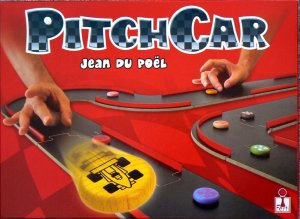
1995
Flick wooden car discs around a modular race track to the finish.
30
minutes
Light
View game
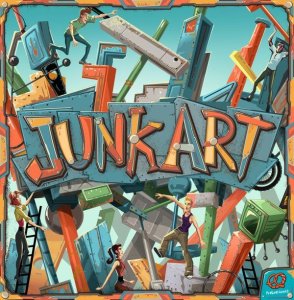
2016
Build bold sculptures from colorful junk before gravity brings them down.
30
minutes
Light
View game
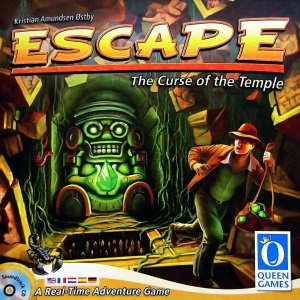
2012
Race through a cursed temple, discover gems, and escape before time runs out.
10
minutes
Light
View game

2018
Cooperate to raise a spectacular temple with pillars and wondrous floors.
60
minutes
Medium Light

View game
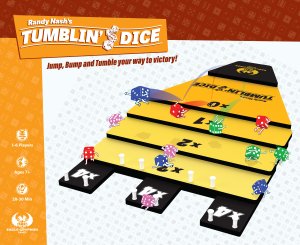
2004
Flick, roll, and slide dice for high-scoring tumbles across a stepped board.
45
minutes
Light
View game

2017
Build upward, battle rival heroes, and dodge troublesome spider monkeys.
20
minutes
Light
View game
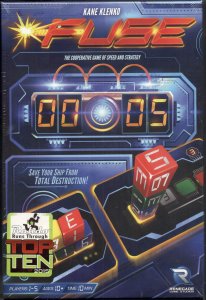
2015
Race the clock, share the dice, and defuse every bomb together.
10
minutes
Medium Light
View game
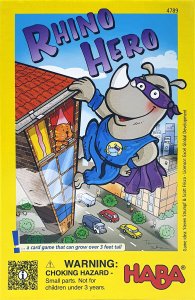
2011
Build a towering card building without letting it collapse.
15
minutes
Light
View game
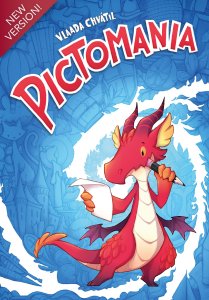
2018
Draw fast, guess faster, and decipher everyone’s sketches at once.
40
minutes
Light
View game
2015
Flick heroes, spells, and monsters through a fast-paced fantasy quest.
90
minutes
Medium

View game
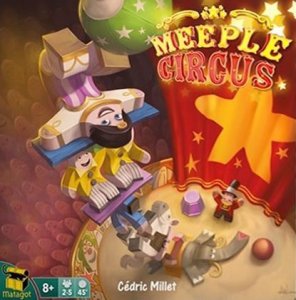
2017
Stack meeples, master circus acts, and amaze the audience with dexterity.
45
minutes
Light
View game

2015
Flick discs, choose your side, and settle daring duels in the West.
45
minutes
Light
View game

2016
Flick penguins, dodge the Hall Monitor, and race for fish!
30
minutes
Light
View game

2019
Flick prophets, claim islands, and outwit rival gods
40
minutes
Light
View game

2018
Stack steel, avoid accidents, and impress Rita on the construction site.
45
minutes
Light
View game
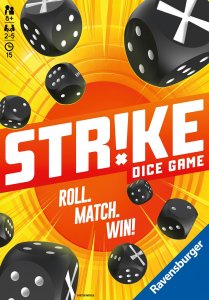
2012
Throw, match, and survive until you are the last player with dice.
15
minutes
Light
View game

2013
Launch coconuts, steal cups, and build a six-cup pyramid to win.
20
minutes
Light
View game
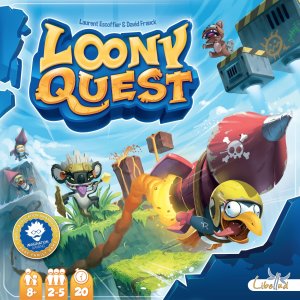
2015
Trace daring paths, dodge obstacles, and earn Xperience across Arkadia.
30
minutes
Light
View game

2013
Flick, stomp, blow, and devour your way to monster victory.
30
minutes
Light
View game

2005
Build a wobbly animal pyramid and be the first to place all your pieces!
15
minutes
Light
View game

1992
Defend your chickens from a spinning plane in a delightfully silly battle.
10
minutes
Light
View game
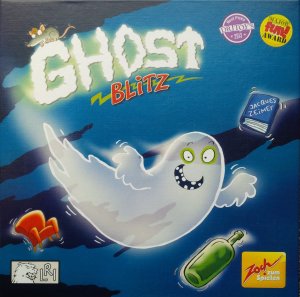
2010
A lightning-fast test of shape and color recognition for the whole family.
20
minutes
Light
View game
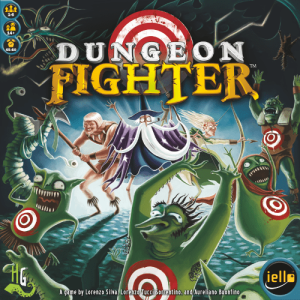
2011
Team up, master daring dice throws, and battle through a ridiculous dungeon quest.
60
minutes
Medium Light
View game

2023
Race to drop the right items and collect five bells before your rivals.
20
minutes
Light
View game

2018
Race through a 3D island, dodge marbles, and claim the treasure.
60
minutes
Light
View game
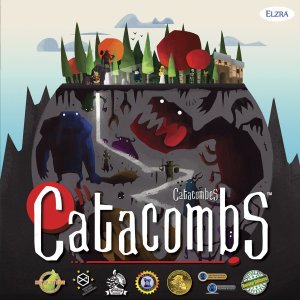
2010
Flick heroes and monsters through a cooperative catacomb adventure.
60
minutes
Medium Light
View game

2025
Aim, place, and fire in a fast-paced real-time tile-laying battle.
15
minutes
Light
View game

1987
Build higher, bid wisely, and keep your tower standing.
45
minutes
Light
View game
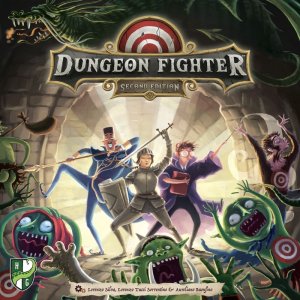
2021
Team up, hurl dice, and battle through a dungeon of bizarre monsters.
60
minutes
Medium Light
View game

2018
Drop pieces, chase points, and outwit unpredictable bounces.
30
minutes
Light
View game

2018
A flexible sequel with new card powers, layouts, and a race mode
30
minutes
Light
View game

2023
Balance a cat-filled electrical network with skill, focus, and steady hands.
30
minutes
Light
View game
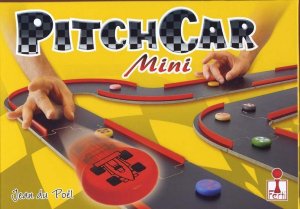
2003
Build over 10 circuits and race with eight wooden cars
30
minutes
Light
View game

2021
Wrestle for dominance in a thrilling beetle-powered coin-pusher showdown.
15
minutes
Light
View game

2011
Build colonies, discover alien technology, and battle for control of the stars.
75
minutes
Medium
View game
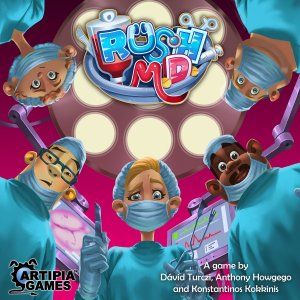
2020
Race the clock to diagnose, treat, and save patients as a team.
45
minutes
Medium
View game

1997
Spot matching symbols, seize the Totem, and race to lose every card.
10
minutes
Light
View game

2000
Roll carefully, place your pieces, and be first to empty your supply.
40
minutes
Light
View game
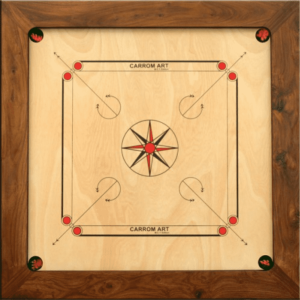
Flick weighted discs, pocket your pieces, and master a classic finger-pool contest.
60
minutes
Light
View game

2017
Flip your fleet, destroy the invaders, and save the planet.
45
minutes
Light
View game

2003
Balance the egg alarm, pull the right colors, and rescue the baby Gulo.
20
minutes
Light
View game
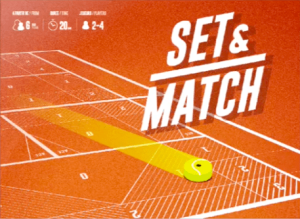
2017
Flick a ball pawn across the court and score your way to victory.
30
minutes
Light
View game

2020
Build the campfire carefully with tweezers—or risk being removed!
15
minutes
Light
View game

2018
Match the mantra, slap the pile, and survive the hand-slapping mayhem!
30
minutes
Light
View game

2018
A quick magnetic dexterity challenge where careful placement leads to victory.
20
minutes
Light
View game

2015
Race to solve scientific formulas by moving molecules between test tubes.
15
minutes
Light
View game
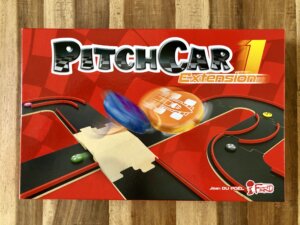
1997
Add tight turns, crossroads and jumps to your PitchCar track
20
minutes
Light
View expansion

2006
Add new curves and straights to expand your PitchCar experience.
30
minutes
Light
View expansion

2003
Add 80 new cards and fresh special rules to your Jungle Speed sessions.
15
minutes
Light
View expansion

2018
Add launched tigers and swarming bees to the island’s mayhem.
60
minutes
Light
View expansion

2018
Add a seasoned guide, new dangers, and room for a fifth adventurer.
60
minutes
Light
View expansion

2021
Discover new items, monsters, and animal companions while defending Avel Castle.
90
minutes
Medium Light
View expansion

2022
New ships, alien abilities, and rougher roads for experienced space haulers
60
minutes
Medium
View expansion

2009
Add crossroads and rails for fresh PitchCar track designs.
30
minutes
Light
View expansion

2008
Build a two-story flick-racing course with ramps, supports, and daring jumps.
30
minutes
Light
View expansion

2006
Add two quadruple-length straights for incredibly fast PitchCar straightaways.
30
minutes
Light
View expansion

2018
Expand your island adventure with new souvenirs, injuries, and legendary artifacts.
45
minutes
Light
View expansion
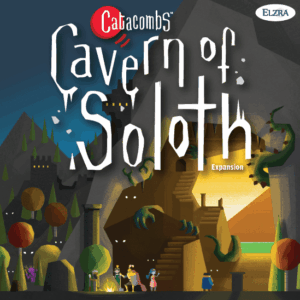
2016
Four heroes descend into a mythical cavern to stop an ancient evil.
90
minutes
Medium
View expansion

2015
Saddle up for horses, cowgirls, new towns, and more flickin’ fun.
Light
View expansion
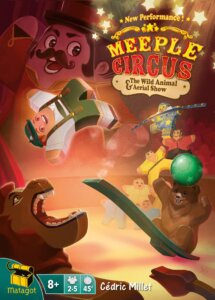
2018
Add wild animals and daring aerial acts to your Meeple Circus performance.
45
minutes
Light
View expansion

2018
Explore a pirate wreck, gather treasure, and dodge deadly cannonballs.
60
minutes
Medium Light
View expansion

2021
Add eight unpredictable insect wrestlers to your Kabuto Sumo matches.
15
minutes
Light
View expansion
2011
Explore Soloth’s cavern with four new heroes, monsters, treasures, and threats.
90
minutes
Medium
View expansion

2013
Add fiery dice-throwing challenges, monsters, gear, and armor to your dungeon run.
60
minutes
Medium
View expansion
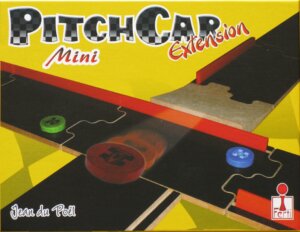
2004
Add ramps, chicanes, and figure-eight possibilities to your PitchCar Mini tracks.
30
minutes
Light
View expansion

2022
Add foreign objects and new victory conditions to the sumo mayhem.
Medium
View expansion
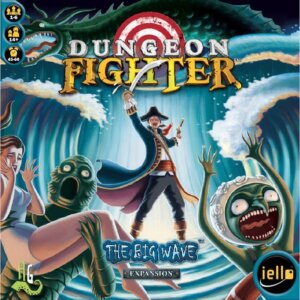
2014
Battle monsters, master impossible dice rolls, and unleash powerful water spells.
60
minutes
Medium
View expansion
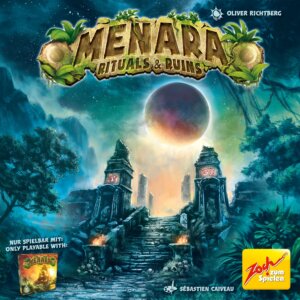
2019
Build a temple together while rituals, ruins, and divine tears disrupt your plans.
90
minutes
Medium
View expansion
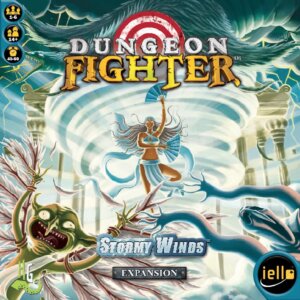
2014
Harness air magic, face flying monsters, and attempt impossible die rolls.
60
minutes
Medium Light
View expansion
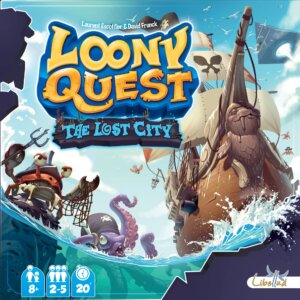
2016
Explore five strange worlds filled with secret passages, tokens, and new challenges.
20
minutes
Light
View expansion
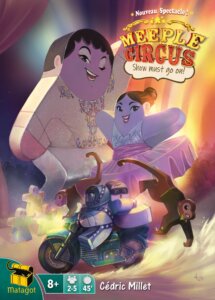
2019
Add new stars, surprises, and spectacular numbers to the circus show.
45
minutes
Light
View expansion
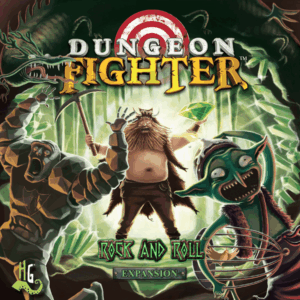
2015
Earth powers, impossible rolls, and two final bosses await!
60
minutes
Medium Light
View expansion
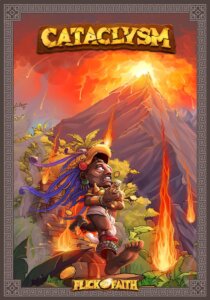
2021
Flick Shamans into chaos and unleash cataclysms in a divine contest.
40
minutes
Light
View expansion

2010
Serve gourmet desserts with secret menus, new spices, and surprising coffee cups.
30
minutes
Light
View expansion
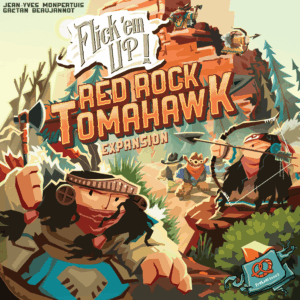
2016
Defend Native American villages across five exciting scenarios.
45
minutes
Light
View expansion

2019
Explore a spider-infested peninsula, collect eggs, and escape by submarine.
60
minutes
Light
View expansion
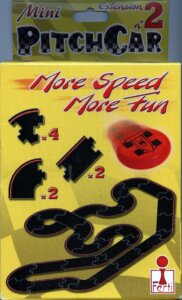
2006
Add sharper turns, crossroads, and classic straights to PitchCar Mini
Light
View expansion
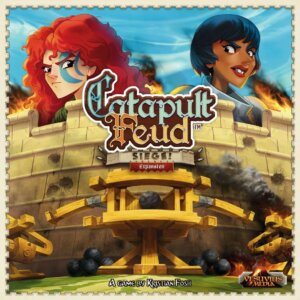
2021
Add ballista fire, new troops, and bigger fortress battles to the War for the Floor.
30
minutes
Light
View expansion

2016
A 2016 PitchCar extension for 2-8 players—no lies!
Light
View expansion
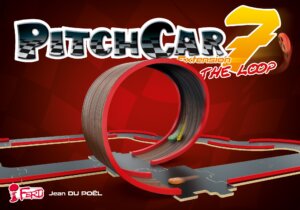
2019
Add a resilient loop and create new configurations for PitchCar.
30
minutes
Medium
View expansion
2021
Add plungers, bee hives, cards, and bricks to the castle-smashing battle.
30
minutes
Light
View expansion

2006
A limited-edition PitchCar Mini expansion with extra-long straight pieces.
30
minutes
Light
View expansion
2017
Ride powerful Wyverns and defend Wylemuir across meadow and swamp.
60
minutes
Medium Heavy

View expansion
2012
Battle crawling vermin with poison attacks, new spells, and deadly dexterity combat.
30
minutes
Medium
View expansion

2022
Add Andre the Goliath and his signature peanut move piece to Kabuto Sumo.
Light
View expansion
2009
Add two crossroads for more varied and exciting PitchCar Mini tracks.
30
minutes
Light
View expansion

2023
Expand the kingdom with Japanese Gods, a sixth player, and Coop Mode.
Light
View expansion

2025
Add boarding pirates, tactical sponsors, and a dangerous BlackHole to the Arena.
15
minutes
Medium Light
View expansion
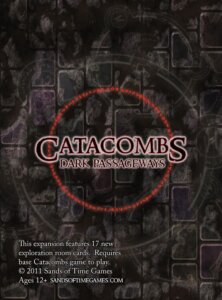
2011
Add surprising benefits and dark powers to your Catacombs exploration.
30
minutes
Medium Light
View expansion
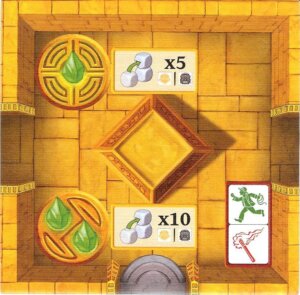
2015
Stack dice, reveal masks, and activate gems in the Totem Chamber.
10
minutes
Light
View expansion
2025
Pink space birds, bouncing beams, and an upside-down battle in the Arena.
15
minutes
Medium Light
View expansion
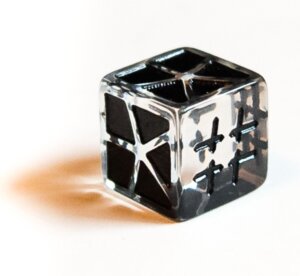
2016
Add flexible dice placement with a versatile wild result.
Light
View expansion
2015
Gather heroes and face Soloth in a Kickstarter-exclusive Catacombs expansion.
90
minutes
Medium
View expansion
2018
Stack boldly, wield battle cards, and unleash digital powers against rival creators.
View expansion
Action and dexterity board games test your physical control, hand-eye coordination, and reaction time rather than just strategic calculation. Outcomes hinge on actions like flicking wooden discs, stacking precarious pieces, rolling dice rapidly, or snatching tokens from the center of the table. Classic examples include block-balancing staples like Jenga and precise disc-flicking titles like Crokinole.
Traditional board games resolve movement and conflict through abstract rules, dice rolls, or card values, whereas dexterity titles require you to execute your intentions physically. Even if you formulate the perfect plan, you must steady your nerves to flick a disc into position or balance a pillar without toppling the structure. This shifts tension directly from pure intellectual planning to real-time physical execution.
Yes, dexterity games are among the most accessible entry points into tabletop gaming because their objectives are immediately visual and intuitive. Rules can typically be explained in minutes without requiring newcomers to memorize complex iconographies or scoring math. Fast-paced party games like Jungle Speed demonstrate how simple reflex challenges create instant engagement for any group.
Beginners should start with accessible, light titles that highlight different physical skills such as flicking, matching, or head-to-head reflexes. The magnet-driven two-player duel KLASK delivers instant competitive thrills in ten-minute rounds. For larger groups looking for cooperative tension, Escape: The Curse of the Temple offers thrilling real-time dice rolling that anyone can pick up immediately.
Many dexterity titles excel specifically at two players, turning physical manipulation into an intense, head-to-head sport. Classic flicking games like Crokinole and magnetic tabletop contests like KLASK are officially voted best at exactly two participants. These duels maintain razor-sharp focus and eliminate downtime, making every shot or defensive reaction pivotal.
Yes, several dexterity titles offer dedicated solo modes that challenge you to beat the clock or survive physical hazards alone. Cooperative real-time games like FUSE can be played with one player, tasking you with defusing bombs under a strict 10-minute timer. Stacking titles like Menara also scale down to a single architect carefully placing pillars and temple floors.
Most light and medium-light dexterity titles play quickly, wrapping up in 10 to 30 minutes per match. Games driven by real-time timers, such as Escape: The Curse of the Temple and FUSE, conclude in exactly ten minutes. However, more complex flicking campaigns or tactical hybrid titles can comfortably stretch to 60 or even 120 minutes.
While the genre leans casual, several titles blend deep tactical rules with physical mechanisms for hobby gamers. Heavier experiences like SEAL Team Flix integrate tactical line-of-sight planning and campaign progression with precision flicking. Similarly, Carnival Zombie: 2nd Edition pairs cooperative resource management and pathfinding with tense physical cube-dropping mechanisms.
Dexterity titles are outstanding for mixed-age family nights because hand-eye coordination does not rely on extensive reading or advanced tactical foresight. Tower-building games like Jenga have a minimum age rating of 6 and naturally level the playing field between kids and adults. For slightly older children, cooperative games like Menara (ages 8+) let families coordinate delicate physical placement as a unified team.
A common mistake is rushing your physical actions when the rules do not actually impose a real-time limit, leading to sloppy flicks or unstable balance. In turn-based flicking or stacking games, taking a brief pause to steady your breathing and check your angles dramatically improves consistency. It is also wise to ensure a flat, stable table and keep beverages away from the play area to prevent accidental collapses or spills.
Natural hand steadiness and reflex speed vary, which can give experienced or naturally coordinated players a significant edge. To balance competition, groups often introduce house handicaps, such as requiring expert players to flick with their non-dominant hand or stand farther back from the table. Alternatively, shifting to cooperative dexterity titles lets players combine their physical strengths toward a shared win rather than competing directly.
© Board Game Rules - All rights reserved · Privacy Policy