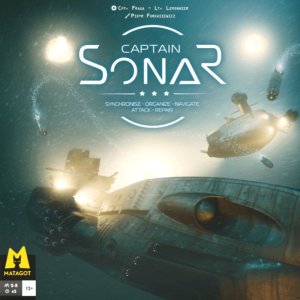
Captain Sonar
2016
Track the enemy, coordinate your crew, and strike before they find you.
60
minutes
Medium

View game
Rules made simple, fun made easy!
Real-time board games replace traditional turn structures with continuous play against a ticking clock, soundtrack, or sand timer. Players act simultaneously as fast as they can, turning decision-making and physical coordination into urgent, high-energy challenges.
1,096 results
Unlike turn-based games where players patiently wait for their turn, real-time titles eliminate the downtime entirely. The entire table acts at once to solve crises, assemble components, or outmaneuver opponents before a timer runs out. Success depends as much on quick reflexes and rapid communication as it does on strategic foresight.
At the table, this fundamentally shifts the atmosphere from quiet calculation to kinetic energy. Players must prioritize good-enough choices over optimal ones, learning to manage mistakes on the fly while navigating constant visual and physical chaos.
This style is ideal for lively game nights, party groups, and cooperative teams who enjoy active, chaotic environments over contemplative strategy. The vast majority of these titles lean decidedly on the lighter to medium-light side of complexity, prioritizing intuitive rules and quick setup so players can dive directly into the action without wading through heavy rulesets.
2016
Track the enemy, coordinate your crew, and strike before they find you.
60
minutes
Medium
View game

2014
Magnetic skill and quick reactions in a goal-scoring duel
10
minutes
Light

View game
2007
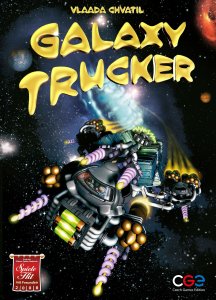
Build a ship fast, survive the flight, and earn the most credits.
60
minutes
Medium
View game

2009
Draw, pass, and guess your way through hilarious miscommunication.
30
minutes
Light
View game

2008
Coordinate under pressure to defend a vulnerable spaceship in real time.
30
minutes
Medium
View game
2017
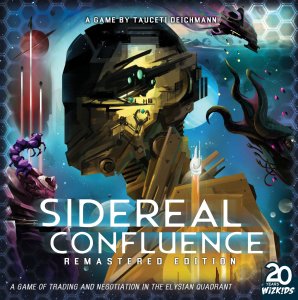
Trade, negotiate, and build a thriving interstellar civilization.
180
minutes
Medium Heavy

View game
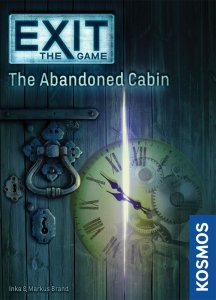
2016
Crack codes, solve puzzles, and find your way out of the locked cabin.
120
minutes
Medium
View game
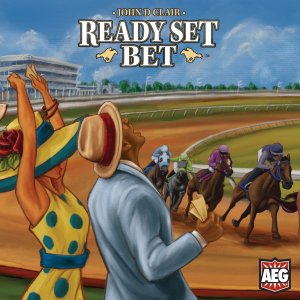
2022
Bet on the race as it unfolds and chase the biggest bankroll.
60
minutes
Light
View game
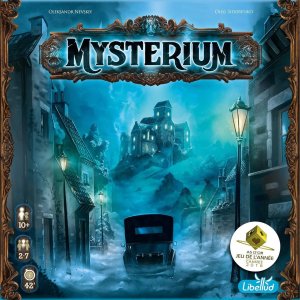
2015
Decode dreamlike visions and solve a murder before seven hours run out.
42
minutes
Medium Light

View game
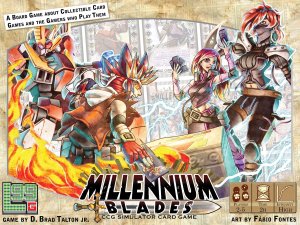
2016
Build decks, trade cards, and chase glory in a simulated CCG world.
120
minutes
Medium Heavy
View game
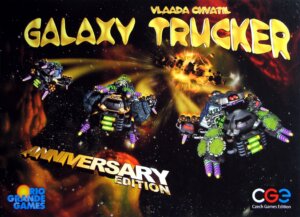
2012
Build a ship, brave the hazards, and haul your way to fortune
120
minutes
Medium
View game

2017
Unravel a deadly train mystery before the Orient Express reaches Constantinople.
120
minutes
Medium
View game
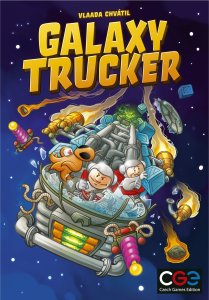
2021
Build fast, brave the hazards, and get your battered ship home with a profit.
30
minutes
Medium
View game
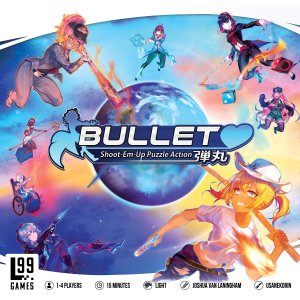
2021
A fast, simultaneous puzzle battle of powers, patterns, and incoming bullets
20
minutes
Medium
View game
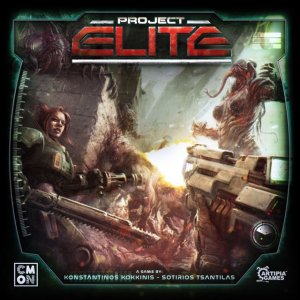
2020
Roll fast, fight alien waves, and defend Earth in two-minute combat rounds.
60
minutes
Medium
View game

2018
Three cooperative escape-room adventures filled with puzzles, clues, and mystery.
60
minutes
Medium
View game

2011
Draw, guess, and enjoy unpredictable laughs with up to 12 players.
30
minutes
Light
View game
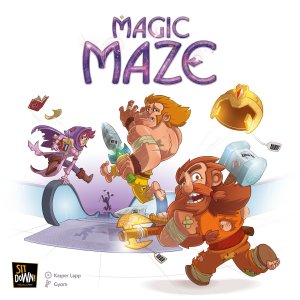
2017
Silently coordinate four heroes in a frantic mall heist before time runs out.
15
minutes
Medium Light
View game

2019
Three cooperative escape-room adventures packed with puzzles, clues, and discovery.
90
minutes
Medium
View game
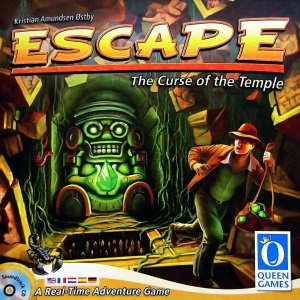
2012
Race through a cursed temple, discover gems, and escape before time runs out.
10
minutes
Light
View game

2016
Crack ancient codes and escape a sealed pyramid tomb.
90
minutes
Medium
View game
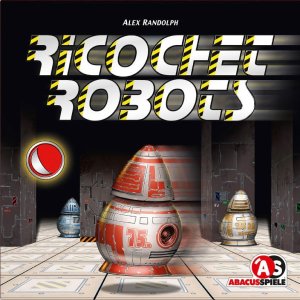
1999
Plan precise robot routes and reach the target in as few moves as possible.
30
minutes
Medium
View game

2019
Solve riddles, combine objects, and survive three tabletop escape-room adventures.
60
minutes
Medium
View game
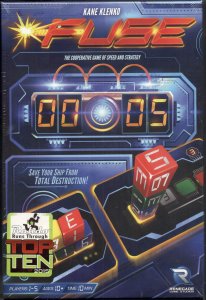
2015
Race the clock, share the dice, and defuse every bomb together.
10
minutes
Medium Light
View game

2016
Crack codes and solve puzzles to escape a mysterious locked laboratory.
150
minutes
Medium
View game
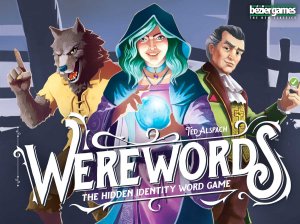
2017
Guess the magic word, expose the werewolf, and outwit the Seer.
10
minutes
Light
View game

2017
Solve three cooperative escape-room adventures with cards and an app.
60
minutes
Medium
View game

2017
Search, combine, and solve your way through three tabletop escape-room adventures.
75
minutes
Medium
View game

2023
Race to build the most newsworthy woodland newspaper!
30
minutes
Medium
View game
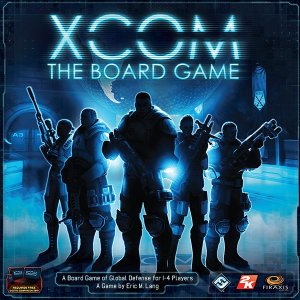
2015
Coordinate humanity’s last stand against an escalating alien invasion.
120
minutes
Medium
View game
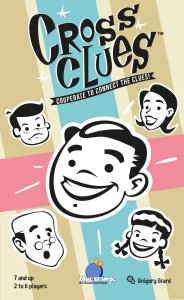
2020
Connect code words with clever one-word clues in a race to fill the grid.
10
minutes
Light
View game
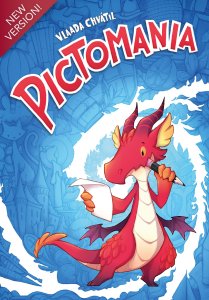
2018
Draw fast, guess faster, and decipher everyone’s sketches at once.
40
minutes
Light
View game

2011
Draw, guess, and outscore your rivals before the clues run out.
25
minutes
Medium Light
View game
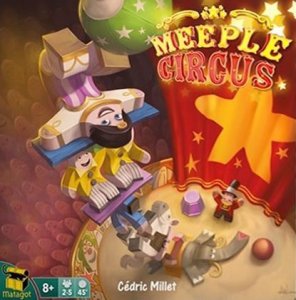
2017
Stack meeples, master circus acts, and amaze the audience with dexterity.
45
minutes
Light
View game
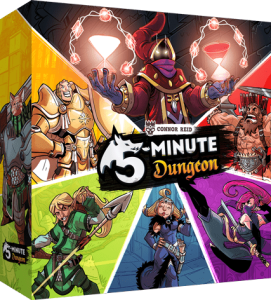
2017
Race through a randomized dungeon in five frantic minutes of teamwork.
30
minutes
Light
View game
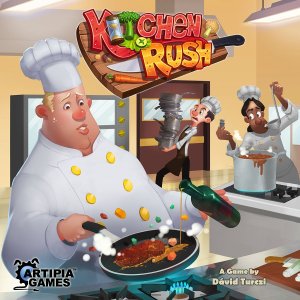
2017
Coordinate every second to turn a struggling restaurant into a success.
45
minutes
Medium
View game

2021
Solve three cooperative escape-room adventures across iconic game worlds.
60
minutes
Medium
View game
2013
Read the room, bluff boldly, and track the hidden Bomber.
20
minutes
Light
View game
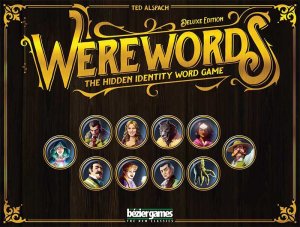
2018
Ask clever questions, uncover the word, and expose the werewolf.
10
minutes
Light
View game
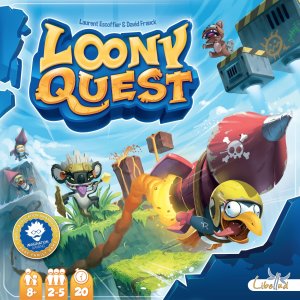
2015
Trace daring paths, dodge obstacles, and earn Xperience across Arkadia.
30
minutes
Light
View game
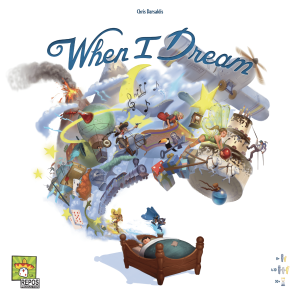
2016
Give one-word clues, uncover the dream, and expose the spirits within.
40
minutes
Light
View game

2020
Solve clues, combine objects, and escape through three mythic adventures.
60
minutes
Medium
View game

1992
Defend your chickens from a spinning plane in a delightfully silly battle.
10
minutes
Light
View game
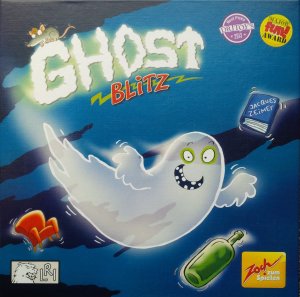
2010
A lightning-fast test of shape and color recognition for the whole family.
20
minutes
Light
View game

2017
A beginner-friendly escape-room puzzle experience for 1–4 players.
90
minutes
Medium Light
View game

2013
Build spectacular rides, attract visitors, and keep your park spotless.
60
minutes
Medium
View game
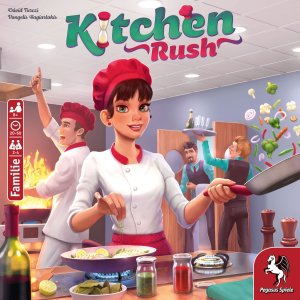
2019
Run a restaurant together in a tense, real-time culinary challenge.
60
minutes
Medium
View game
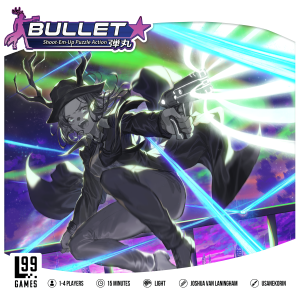
2022
Pattern-building bullet battles for powerful heroines
15
minutes
Medium
View game
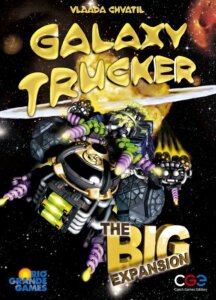
2008
More ships, aliens, and adventure cards for interstellar destruction.
60
minutes
Medium
View expansion
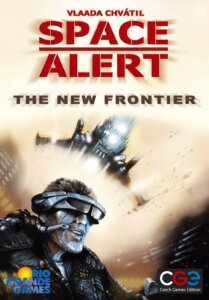
2010
Take on dangerous sectors with new training and tougher cooperative challenges.
30
minutes
Medium Heavy
View expansion
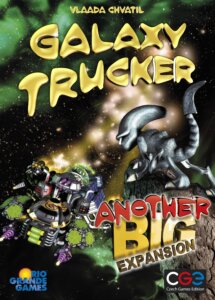
2012
Build bigger ships, face nastier cards, and survive roaming intruders.
90
minutes
Medium
View expansion

2012
New chambers, dangerous illusions, and a treasure that must reach the exit.
10
minutes
Medium Light
View expansion
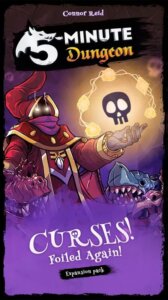
2018
Face magical curses, new threats, and powerful artifacts with a larger party.
30
minutes
Light
View expansion
2013
Build daring ships with shifting hazards, holes, rifts, and modular designs.
90
minutes
Medium Heavy
View expansion

2013
Add unpredictable quests and unique character abilities to your temple escape.
10
minutes
Light
View expansion
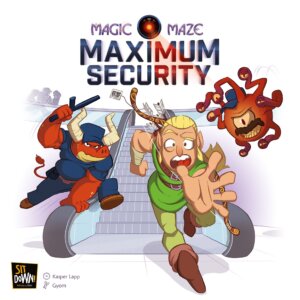
2017
Customize the mall with clever helpers and tougher security challenges.
24
minutes
Medium
View expansion
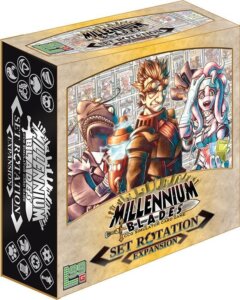
2017
Expand your collection with 12 card sets, new characters, promos, and co-op decks.
120
minutes
Medium Heavy
View expansion

2015
Turn every flight into a dangerous mission of cargo, artifacts, and chaos.
60
minutes
Medium
View expansion
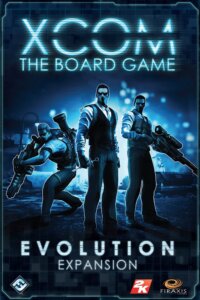
2016
Face EXALT, new alien threats, and dangerous twists in the ongoing war.
90
minutes
Medium
View expansion

2022
New ships, alien abilities, and rougher roads for experienced space haulers
60
minutes
Medium
View expansion

2021
Four new heroines bring the celebrated Orange Juice franchise to the tabletop.
30
minutes
Medium
View expansion
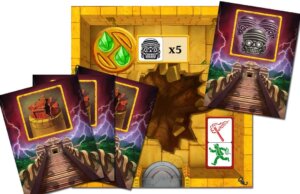
2012
Enter the pit, face five curses, and rely on fellow players to escape.
10
minutes
Medium Light
View expansion
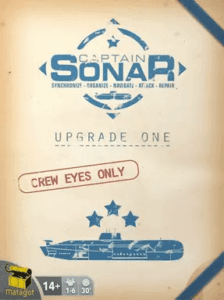
2017
Expand the submarine battle with new scenarios, weapons, and role options.
45
minutes
Medium
View expansion
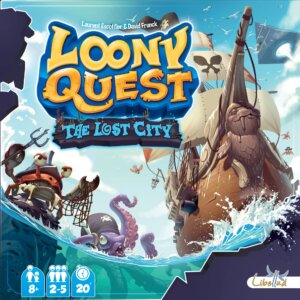
2016
Explore five strange worlds filled with secret passages, tokens, and new challenges.
20
minutes
Light
View expansion

2007
A tougher spaceflight challenge filled with hazards for experienced truckers.
60
minutes
Medium
View expansion

2012
Three promotional tiles add curses and a treasure to the temple.
10
minutes
Light
View expansion
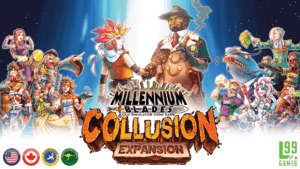
2021
A massive final expansion adding cards, characters, NPCs, teams, and storage.
180
minutes
Medium Heavy
View expansion
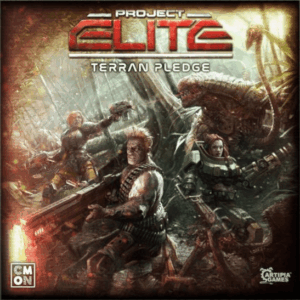
2020
A 2020 Project: ELITE collection packed with heroes, aliens, and extras.
60
minutes
Medium
View expansion
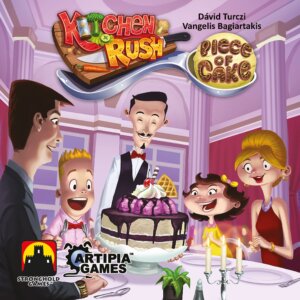
2018
Serve cakes, pies, and ice creams before dessert orders lose their sweetness.
45
minutes
Medium
View expansion

2024
Four artistic heroines clash in a colorful battle of creativity.
30
minutes
View expansion
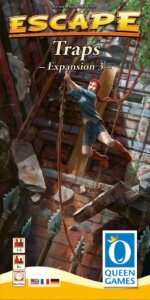
2015
Race against shifting chambers, sand timers, and dangerous new traps.
10
minutes
Medium Light
View expansion
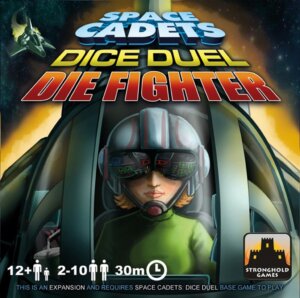
2014
Fast-paced space combat with fighters, capital ships, and powerful upgrades
30
minutes
Medium
View expansion

2024
Four cat heroines join the fight in this cooperative or competitive expansion.
30
minutes
Medium
View expansion

2016
Add nine industry-sponsored promo sets to your Millennium Blades collection.
120
minutes
Medium Heavy
View expansion
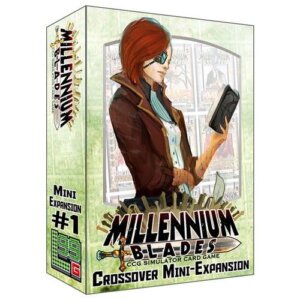
2016
Add 54 crossover promo cards featuring characters from Level 99 Games
120
minutes
Medium Heavy
View expansion
2012
Five balancing cards that add handicaps or advantages to Galaxy Trucker.
90
minutes
Medium
View expansion
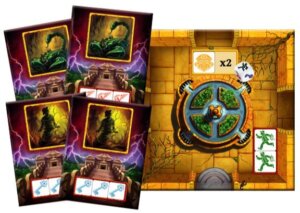
2013
Recover a lost die at the fountain—but beware two punishing new curses.
10
minutes
Medium Light
View expansion
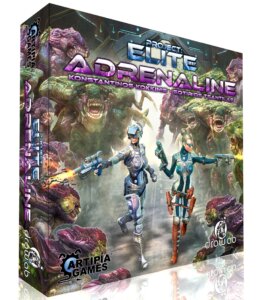
2015
Face faster alien soldiers, capture enemies, and expand every mission.
Medium
View expansion
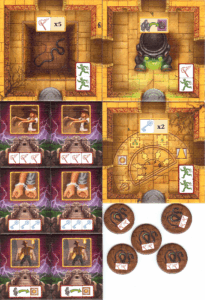
2014
Three quest chambers and three curses intensify every frantic escape.
10
minutes
Light
View expansion
2013
Bring pirate adventure and nautical variety to your fairytale storytelling game.
40
minutes
Light
View expansion

2023
Fuse patterns, build the right tool, and face a giant doll automaton.
30
minutes
Medium
View expansion

2020
Expand your restaurant with desserts, investments, and a specialist pastry chef.
60
minutes
Medium
View expansion
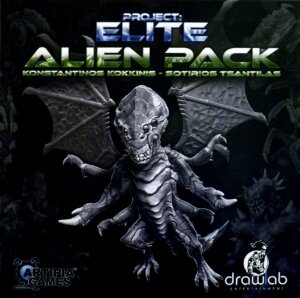
2015
Add new alien miniatures, profile cards, and mission tokens to your battles.
Medium
View expansion
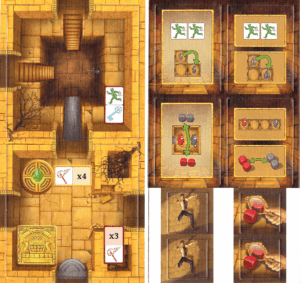
2014
Add new chambers, treasures, and characters to your temple escape.
10
minutes
Light
View expansion

2010
Add 216 new puzzles and welcome a fifth and sixth player.
30
minutes
Medium Light
View expansion
2016
A 48-card, somewhat adult-oriented expansion for chaotic spacefaring fun.
5
minutes
Light
View expansion
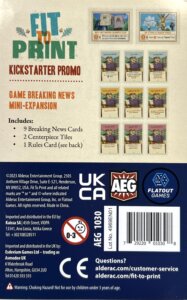
2023
Bend the rules with new tiles, cards, and spatial challenges.
30
minutes
Medium
View expansion
2007
Two bonus flight cards add fresh variety and a fiercer Round 3.
Medium
View expansion

2017
Expand your lineup with new players, gear, clubhouse upgrades, and tournament play.
15
minutes
Medium
View expansion
2014
Rearrange the temple, defy curses, and race back before time runs out.
10
minutes
Light
View expansion

2016
Add new powers, characters, rides, espionage, and a fifth player
60
minutes
View expansion

2019
Dive into a seven-mission campaign and customize every crew’s adventure.
60
minutes
Medium
View expansion

2017
A focused 2017 mini-expansion for the Millennium Blades game.
180
minutes
Medium Heavy
View expansion

2025
Add boarding pirates, tactical sponsors, and a dangerous BlackHole to the Arena.
15
minutes
Medium Light
View expansion
2020
Rescue ELITE members in a nerve-testing campaign among alien threats.
60
minutes
View expansion
2014
Add gallant knights, ladies, and chivalrous twists to shared storytelling.
30
minutes
Light
View expansion
A real-time board game replaces alternating, turn-by-turn play with continuous action driven by a timer, soundtrack, or app. Instead of waiting for their turn, all players act simultaneously to solve puzzles, grab components, or make decisions before time expires. This setup eliminates downtime and prioritizes quick thinking and adaptability over prolonged calculation.
While real-time games often include physical speed, they focus primarily on making decisions and coordinating actions under strict time constraints rather than pure manual agility. A speed test like Jungle Speed relies on quick physical grabs, whereas cooperative real-time games emphasize communication, role distribution, and resource management against a clock. Real-time mechanisms can also appear in strategic negotiation or tile-placement games where physical reflexes are secondary.
Yes, many real-time titles are excellent for newcomers because they feature intuitive rules and eliminate the pressure of holding up the table. Accessible party games like Spot it! introduce visual speed to players as young as age 6 in roughly 15 minutes. For cooperative family play, Escape: The Curse of the Temple provides an exciting 10-minute dice-rolling challenge suitable from age 8.
Beginners should start with fast-paced, cooperative titles that have simple core rules and short playtimes. FUSE offers a tense, 10-minute dice-placement experience where players work together to defuse bombs. Another great entry point is Magic Maze, which challenges groups to guide pawns through a shopping mall under strict communication limits.
Yes, many real-time designs scale effectively to small counts, and some are best suited for duos or solo play. Mystery games like EXIT: The Game – The Sunken Treasure work seamlessly with 1 to 4 players and are widely considered best with 2. Similarly, games like Escape: The Curse of the Temple support solo play, allowing a single player to test their speed against the soundtrack.
Real-time mechanics are uniquely suited for large gatherings because simultaneous play prevents the game from dragging. In Captain Sonar, up to 8 players split into two competing submarine crews, running communication, navigation, and engineering at the exact same moment. Drawing games like Telestrations also thrive at their maximum count of 8 by keeping everyone engaged at once.
While most real-time games lean light, several deep, intricate games incorporate real-time phases to heighten tactical tension. Sidereal Confluence features intense, simultaneous trading rounds where up to 9 players negotiate complex asymmetric economies. For an immersive tactical simulation, UBOOT: The Board Game uses an app-driven clock to run high-complexity submarine operations under genuine operational stress.
Most pure real-time cooperative games last between 10 and 20 minutes because the timer enforces a rigid end point. However, hybrid titles that combine real-time phases with turn-based resolution take longer; for instance, Galaxy Trucker uses a fast-paced sand-timer drafting phase within an overall 60-minute match. Strategic trading titles like Sidereal Confluence can easily run two to three hours.
The key to winning is prioritizing decisive, “good-enough” moves over searching for a single perfect play. Keep vocal communication brief, clear, and focused on immediate emergencies so you do not crowd out vital information from teammates. In games with assigned duties, trust your partners to execute their roles rather than trying to micromanage the entire table under the clock.
The biggest pitfall is making accidental rule errors, as frantic movement makes it easy to skip procedural steps or misplace pieces. Tables also suffer when players fall into silence during high-stress moments instead of actively calling out their needs. Finally, these games can cause physical clutter, so keeping the central play area organized is essential to avoid knocking over critical components.
© Board Game Rules - All rights reserved · Privacy Policy