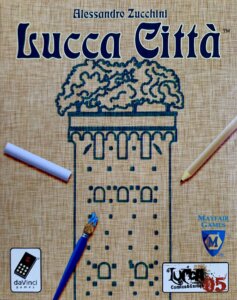
Lucca Città
2005
Build palaces, host parties, and raise your family’s fame in Lucca.
30
minutes
Medium Light

View game

Rules made simple, fun made easy!
The Renaissance board game theme immerses players in the cultural, economic, and intellectual rebirth of Europe from the 14th to the 17th century. Players typically manage merchant empires, fund master artists, navigate political intrigue, or steer scientific discovery.
346 results
At its core, the Renaissance theme reflects an era of transition from feudal isolation to global commerce and humanistic learning. Instead of leading faceless fantasy armies, players often step into the shoes of influential patrons, ambitious traders, or noble houses striving to leave an enduring historical legacy through wealth, prestige, and power.
At the table, this setting naturally fosters rich strategic gameplay centered on resource transformation and social influence. The interplay between church authority, flourishing trade routes, and civic investment gives every action a sense of building a lasting society rather than simply scoring points.
This theme primarily suits strategic thinkers, Eurogame enthusiasts, and history buffs who enjoy building efficient systems and balancing multi-layered priorities. Games in this category overwhelmingly lean toward medium to medium-heavy complexity, offering substantial depth without necessarily requiring the commitment of an ultra-heavy simulation, though quick introductory titles remain relatively rare.
2005
Build palaces, host parties, and raise your family’s fame in Lucca.
30
minutes
Medium Light
View game
2022
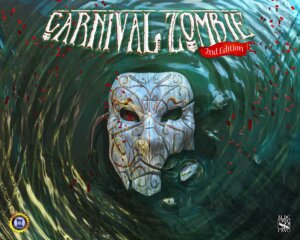
Fight through Mediolanum, uncover the clues, and escape the unleashed horde.
120
minutes
Medium Heavy

View game
1990
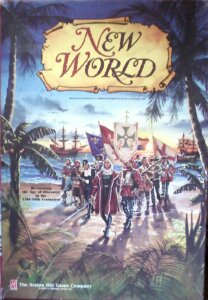
Explore, colonize, and fight for control of the Americas.
360
minutes
Medium

View game

2020
The complete 2020 collection, with every released expansion and exclusive
160
minutes
Medium
View game
2018
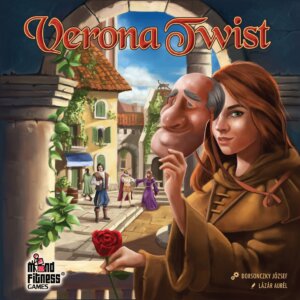
Unmask Romeo and Juliet before their secret is revealed.
30
minutes
Medium Light
View game
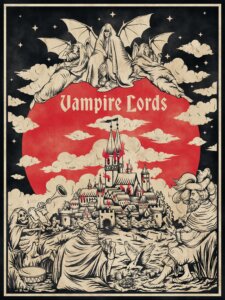
2027
Command vampires, raise the undead, and seize control of war-torn Romania.
120
minutes
Medium
View game
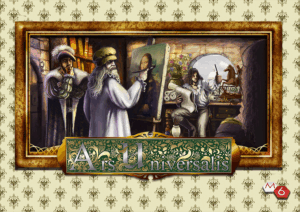
2015
Support history’s greatest minds through puzzles, planning, and prestige.
45
minutes
Medium
View game
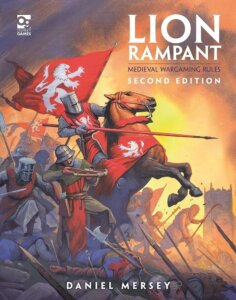
2022
Lead a 4–10-unit medieval warband in a flexible, abstracted skirmish.
240
minutes
Medium
View game
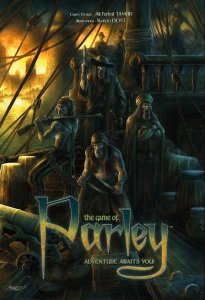
2017
Secret missions, shifting coalitions, and blackmail across the Mediterranean.
120
minutes
Medium
View game
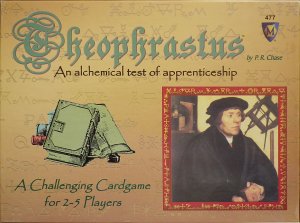
2001
Combine metals and elements to prove your alchemical talent.
30
minutes
Medium
View game
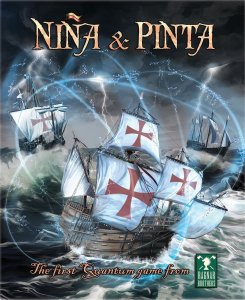
2016
Explore parallel New Worlds, build your nation, and compete for glory.
120
minutes
Medium Heavy
View game
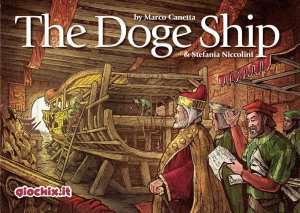
2012
Build Venice’s state ship, manage changing costs, and win the Doge’s favour.
90
minutes
Medium
View game
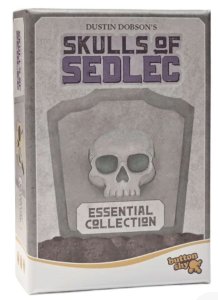
2025
Exhume graves, collect skulls, and build the stack the Bone Collector will honor.
20
minutes
View game
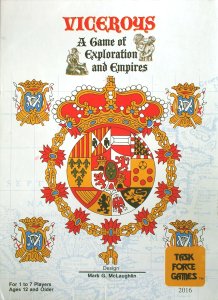
1986
Shape a turbulent age of exploration, colonization, negotiation, and war.
240
minutes
Medium Heavy
View game
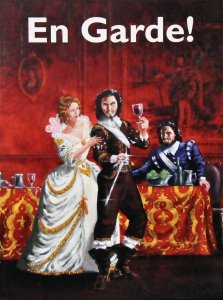
1975
A swashbuckling RPG of duels, social climbing, and high-stakes intrigue
90
minutes
Medium
View game
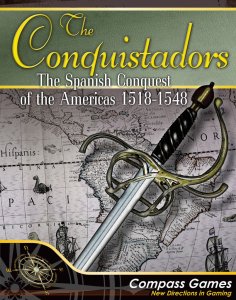
2020
Discover empires, negotiate or conquer, and pursue gold across the Americas.
360
minutes
Medium
View game
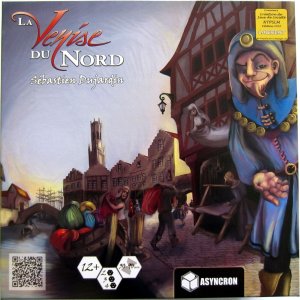
2012
Trade, craft, and build your way through Bruges in a changing market.
60
minutes
Medium
View game
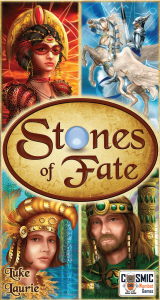
2015
Use memory, strategy, and luck to control hidden cards and fate.
30
minutes
Medium Light
View game
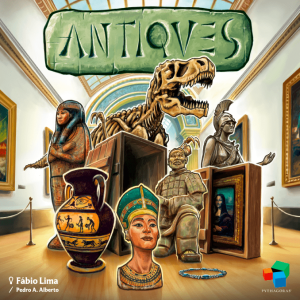
2025
Bid boldly, build remarkable collections, and win prestige through temporary exhibitions.
60
minutes
Medium
View game
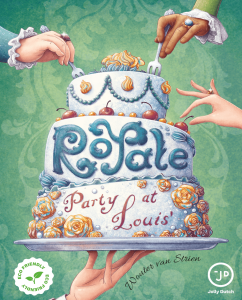
2024
Serve picky nobles, complete their meals, and score points at Louis XIV’s feast.
20
minutes
Light

View game
2016
Bid, bluff, and build valuable collections in a fast-paced market showdown.
30
minutes
Light
View game
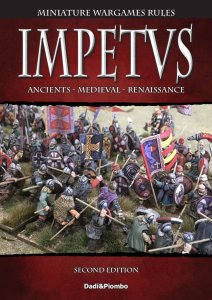
2008
Flexible miniature wargaming rules for battles across three historic eras
90
minutes
Medium
View game
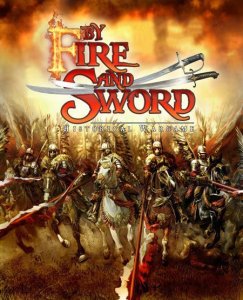
2009
Command 17th-century armies in a dynamic historical wargame
60
minutes
Medium Heavy
View game
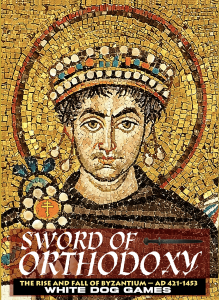
2024
A thousand-year solitaire struggle through Byzantine triumphs and crises
240
minutes
Medium Heavy
View game
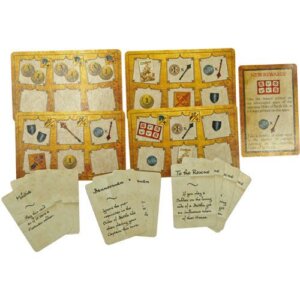
2014
Add 12 Tactic cards and 4 Order of Battle Tiles to your collection.
75
minutes
Medium
View expansion
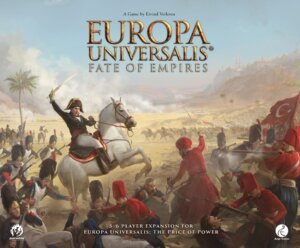
2023
Lead a nation through discovery, diplomacy, conquest, and four dramatic Ages
300
minutes
Heavy

View expansion
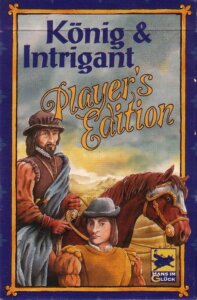
1998
Add 55 cards and 11 new choices to your König & Intrigant deck.
120
minutes
Medium
View expansion
1977
Expand Kingmaker with variant events, optional rules, and blank cards
Medium
View expansion
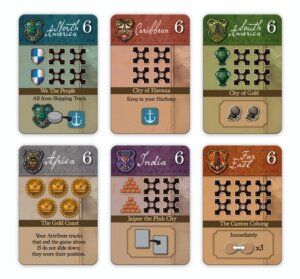
2020
Six powerful Level-6 cards reward total control of each region
90
minutes
Medium
View expansion
2019
Eleven new modes, daring explorers, team play, and rule-breaking thieves.
120
minutes
Medium
View expansion

2025
Push trade frontiers, build bastions, and forge routes to the Orient.
30
minutes
Medium
View expansion
2012
Rob goods and trade through rival colonies with six powerful cards.
90
minutes
Medium
View expansion
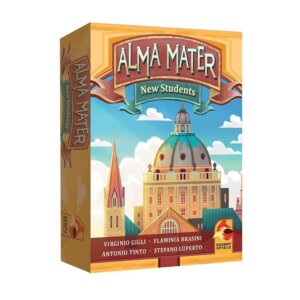
2020
Four new students add fresh variety to the Alma Mater experience.
150
minutes
Medium Heavy
View expansion

2015
A promotional card that doubles one costumed character’s effect.
90
minutes
Medium Heavy
View expansion
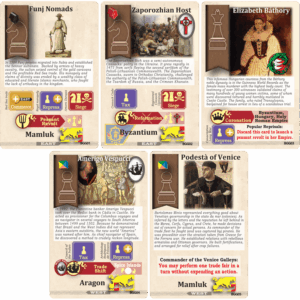
2017
Five new cards bring explorers, nomads, Cossacks, and Transylvanian mass murderers.
120
minutes
Heavy
View expansion
2020
Command a nation, shape its Fate, and unlock unprecedented Glory.
90
minutes
Medium Heavy
View expansion
A Renaissance board game is set during Europe’s cultural, artistic, and mercantile transition between the 14th and 17th centuries. Rather than commanding armies in total war, players typically step into the roles of wealthy merchants, civic leaders, or noble patrons funding art, constructing landmarks, and establishing trading empires. Gameplay commonly highlights resource conversion, engine building, market speculation, and political influence.
While medieval games emphasize feudal fiefdoms, castle defense, and knightly warfare, Renaissance games focus on humanism, international commerce, and cultural prestige. Decisions center on funding master artists, outbidding rivals at auctions, or managing global trade routes rather than fortifying borders. The shift is from survival and territorial conquest toward civic investment and economic refinement.
Yes, several titles with a Renaissance flair feature accessible rules and brisk playtimes perfect for family game nights. Gateway games like Splendor (ages 10+) and Azul (ages 8+) introduce basic engine-building and drafting concepts in under 45 minutes without overwhelming players. Fast-paced card games such as Love Letter also offer light social deduction within a royal court in just 20 minutes.
If you are new to the theme, start with lightweight card and tile games that showcase trade and patronage. Splendor tasks players with collecting gemstones to attract noble patrons in 30 minutes, while Azul centers on decorating palace walls with Portuguese-inspired tiles. For quick bluffing and courtly intrigue, Love Letter provides a simple 20-minute card experience for 2 to 6 players.
Yes, many games in this setting offer excellent two-player experiences or are designed specifically for head-to-head competition. Splendor Duel is tailor-made for 2 players, providing a tight 30-minute race for prestige and crowns. In addition, abstract and strategic titles like Azul and complex designs like Golem are widely recognized as playing best with exactly 2 players.
Playtimes vary widely depending on the complexity of the economic systems involved. Introductory card and tile titles like Skulls of Sedlec and Splendor finish in 20 to 30 minutes. In contrast, heavier trade and historical simulations such as The Princes of Florence take 75 to 100 minutes, and massive historical epics like Here I Stand can run from 3 to 15 hours.
Experienced hobbyists who want deep economic planning and tight historical mechanics should explore medium-heavy and heavy Eurogames. Lorenzo il Magnifico challenges players to navigate dice drafting and family card tableau building in Renaissance Italy. For dense historical interplay, Pax Renaissance: 2nd Edition and The Princes of Florence offer multi-layered strategic depth through banking empires and prestige auctions.
Yes, several Renaissance titles feature dedicated solo modes where you compete against automated opponents or beat your own high score. Heavy Eurogames like Golem, Tawantinsuyu: The Inca Empire, and Pax Renaissance: 2nd Edition fully support single-player setups. Compact titles such as Crypt also include solitaire variants out of the box.
Renaissance games are predominantly built around engine building, worker placement, and competitive auctions. Players often manage dice values, draft cards representing historical figures, and spend currency to acquire high-value art, architectural wonders, or merchant contracts. Many titles also feature tight area-majority battles to control civic influence or trading hubs across key European regions.
Focus on early economic efficiency before pivoting into end-game prestige scoring. Invest your initial turns into upgrading resource production, unlocking recurring discounts, or gaining extra actions so your engine scales smoothly. Once you establish a reliable income or card-draw engine, immediately transition toward collecting high-value victory points, civic monuments, or patronage goals before your opponents can close out the game.
A frequent error is over-investing in production engines long after they have paid for themselves, leaving you with surplus resources but too few victory points. Another mistake is ignoring the shared board state; in games featuring auctions or market drafts, failing to monitor what your neighbors need allows them to claim powerful patrons or trade routes uncontested. Balancing your personal engine with active defensive denial is crucial.
