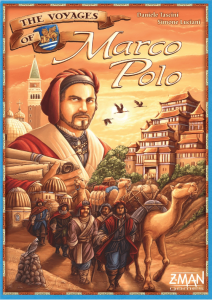
The Voyages of Marco Polo
2015
Roll, travel, trade, and race along the Silk Road to Beijing.
100
minutes
Medium Heavy

View game

Rules made simple, fun made easy!
Contracts is a mechanic where players claim or receive specific tasks that require spending certain resources or meeting conditions in exchange for immediate or end-game rewards.
569 results
At its core, the Contracts mechanic provides structured, short-to-medium-term goals during play. Instead of stockpiling goods without purpose, players commit to delivering particular combinations of items, moving to specified destinations, or fulfilling exact criteria shown on shared or private cards and tiles.
At the table, contracts drive player decisions and inject urgency. Because desirable contracts are often limited and visible to everyone, players race to assemble the needed components before rivals snap up the best payouts or beat them to delivery bonuses.
Resources accumulate over time without player intervention.
58 gamesPlayers invest in resources, aiming to profit from price fluctuations.
290 gamesPlayers receive extra points or rewards based on specific conditions met by the end of the game.
981 gamesPlayers earn resources or currency periodically.
495 gamesUnused resources become more valuable over time.
116 gamesPlayers allocate resources to generate future returns.
94 gamesPlayers control certain game elements, affecting strategy.
140 gamesPlayers periodically reset their progress while keeping accumulated points.
146 gamesPlayers buy and sell shares, influencing company value.
311 gamesPlayers unlock new abilities by progressing through a structured upgrade system.
256 gamesThis mechanism is a staple for mid-weight euro enthusiasts and planners who enjoy turning raw supplies into tangible victory points. While accessible titles exist on both the lighter and heavier ends of the spectrum, the vast majority of contract-driven titles sit firmly in the medium to medium-heavy range, making them ideal for groups that appreciate structured strategy, logistical planning, and indirect interaction without cutthroat direct conflict.
2015
Roll, travel, trade, and race along the Silk Road to Beijing.
100
minutes
Medium Heavy
View game
2020
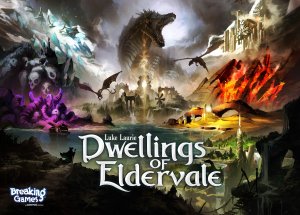
Battle, build, and claim elemental dominance in a magical lost world.
150
minutes
Medium Heavy
View game
2023
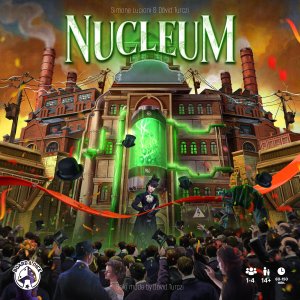
Power Saxony’s industrial revolution through networks, technology, and ambition.
150
minutes
Heavy

View game
2018
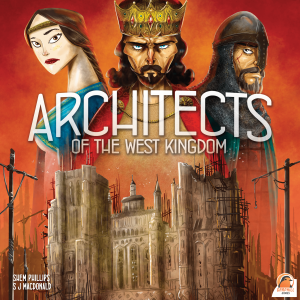
Build landmarks, balance virtue, and outmaneuver rival architects.
80
minutes
Medium

View game
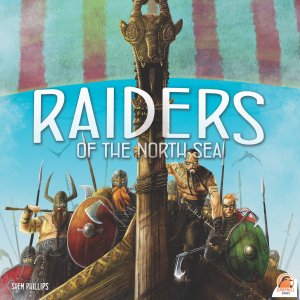
2015
Gather your crew, stock provisions, and raid for glory in the Viking Age.
80
minutes
Medium
View game

2016
Lead a noble family to prestige through dice-driven choices and development.
120
minutes
Medium Heavy
View game

2016
Build vineyards, produce quality wines, and become Portugal’s top winemaker.
180
minutes
Medium Heavy
View game
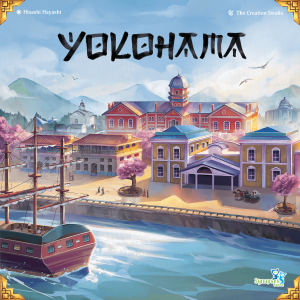
2016
Build your business and earn fame in Meiji-era Yokohama.
90
minutes
Medium Heavy
View game
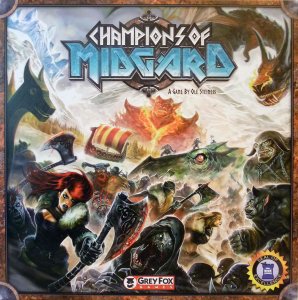
2015
Lead Viking warriors, defeat mythic beasts, and earn glory as Jarl.
90
minutes
Medium
View game
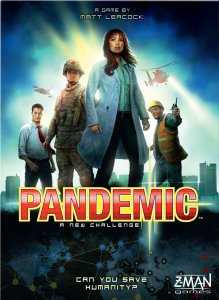
2008
Race across the world to cure four diseases before they overwhelm humanity.
45
minutes
Medium
View game

2014
Roll the dice, direct your populace, and build a prosperous space empire.
45
minutes
Medium
View game
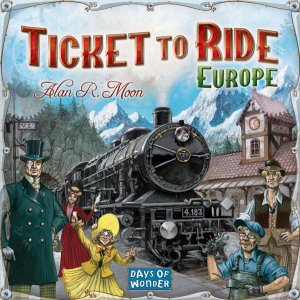
2005
Build railways across Europe, complete tickets, and outscore your rivals.
60
minutes
Medium Light

View game
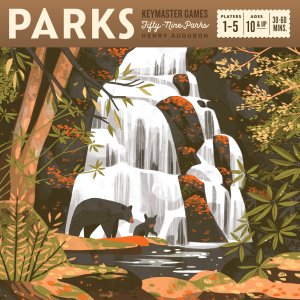
2019
Trek changing trails, collect memories, and visit America’s National Parks.
60
minutes
Medium
View game
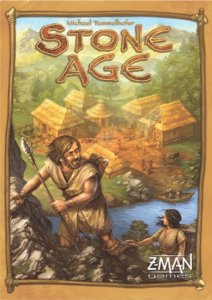
2008
Build your village, gather resources, and guide your tribe toward civilization.
90
minutes
Medium
View game

2014
Race through the bazaar, manage assistants, and collect five rubies first.
60
minutes
Medium
View game
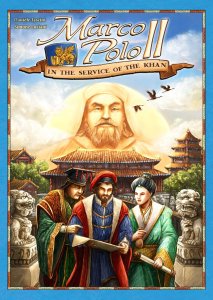
2019
Travel west, fulfill contracts, and build wealth in the Khan’s empire.
120
minutes
Medium Heavy
View game

2023
Build thriving ecosystems through clever card synergies and growth.
90
minutes
Medium
View game

2018
Build the best 1950s American town through clever, simultaneous choices.
25
minutes
Medium Light
View game
2020
Build St. Basil’s Cathedral, claim sections, and earn the Tsar’s favor.
80
minutes
Medium
View game
2017
Craft a dazzling stained-glass window through clever dice drafting.
45
minutes
Medium Light
View game

2014
Build gem wealth, attract nobles, and race to 15 prestige points.
30
minutes
Medium Light
View game
2011
Guide a family through ambition, hardship, and the passage of time.
90
minutes
Medium Heavy
View game
2004
Collect train cards, claim routes, and connect distant cities across North America.
60
minutes
Medium Light
View game

2013
Build a civilization, balance its needs, and shape history through the ages.
200
minutes
Medium Heavy
View game

2021
Discover new parks, rewards, scoring opportunities, and the Camping mechanic.
70
minutes
Medium
View expansion

2009
Expand European rail strategy with new tickets, routes, warehouses, and depots.
60
minutes
Medium Light
View expansion

2021
Bring Vienna’s hotel guests to the ballroom for a sparkling night of strategy.
120
minutes
Medium Heavy
View expansion
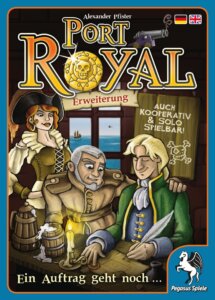
2015
Add Contracts, cooperative play, solo challenges, persons, and ships to Port Royal.
50
minutes
Medium Light
View expansion
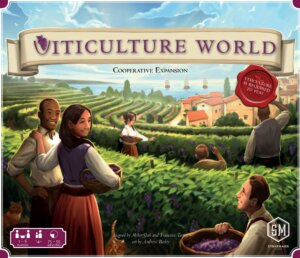
2022
Work together across asymmetric regions to earn global recognition
120
minutes
Medium Heavy
View expansion

2022
Discover new wildlife, trail sites, gear, and a wandering Bison.
70
minutes
Medium
View expansion
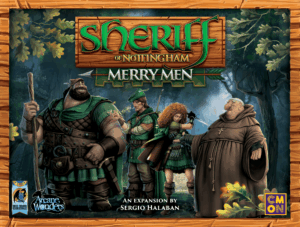
2017
Expand the bag-checking game with five modules and a sixth-player option.
Medium
View expansion
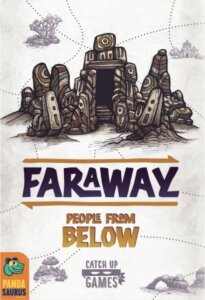
2024
Meet ancient peoples and discover new paths to fame in Alula.
25
minutes
Medium Light
View expansion

2024
Harness shipping lanes, build coal mines, and power Australia's revolution.
150
minutes
Heavy
View expansion

2025
Expand Earth with richer interaction and more ways to curate your hand.
90
minutes
Medium Heavy
View expansion
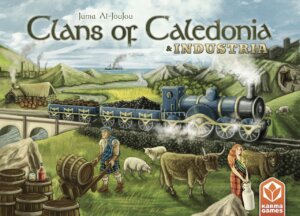
2025
Expand your Scottish strategy with railroads, new modules, and fresh scoring paths.
120
minutes
Medium Heavy
View expansion
2022
A Nile-themed map introduces Irrigation to Barrage
120
minutes
Heavy
View expansion
The contracts mechanic requires players to deliver specific combinations of resources or satisfy designated conditions in exchange for points or resources. Rather than amassing supplies aimlessly, players focus on completing these tangible mini-goals shown on cards or tiles. Once the requirements are fulfilled, the contract is discarded or claimed, granting an immediate payout or end-game score.
Contracts are typically resolved and rewarded throughout the match rather than evaluated only at the final scoring. Fulfilling an agreement mid-game frequently delivers bonuses, upgrades, or fresh capital that you can pump right back into your strategy. By contrast, traditional objective cards simply evaluate your board position once the entire game is over.
A great introductory title is Takenoko, which teaches contract completion through intuitive visual tasks. Players draw secret objective cards that reward them for cultivating specific bamboo heights, irrigating plots, or feeding the panda. It plays in about 45 minutes and is easy for players ages 8 and up to understand.
Yes, many games feature contracts with simple rules and clear graphics that work wonderfully for family play. Titles such as Silver & Gold and Ticket to Ride are suitable for ages 8 and up because goals are visually straightforward. Having a card that clearly illustrates what ingredients or routes are required helps younger players stay engaged without feeling overwhelmed.
In heavy games, contracts are deeply tied into complex production chains and network logistics. In titles like Barrage and Nucleum, fulfilling a contract requires coordinating machinery, energy, and route networks across multi-turn plans. The rewards are rarely just points; they often grant critical ongoing revenue or new technological capabilities needed to sustain your late game.
Contracts work exceptionally well at two players, creating a tight duel over limited opportunities and shared markets. Two-player titles like Balloon Cup build the entire experience around head-to-head competition for contract lines. Broader games such as Sagrada and Ark Nova are also rated best at two players, where you can closely track your opponent’s resource pool and anticipate their moves.
Public contracts sit in a shared display open to the whole table, while private contracts are held in a player’s secret hand or personal board. In games with private objectives like Lords of Waterdeep, you can collect the required adventurers at your own pace without fear of another player stealing the quest. Public contracts, however, introduce intense race dynamics because whoever meets the conditions first locks rivals out of the reward.
The most common mistake is hoarding specific resources for a public contract before you are certain you can fulfill it. If an opponent finishes that contract a turn before you do, your specialized goods may be left useless with no alternative payout. To mitigate this risk, focus on versatile resources or secure the contract card into your personal reserve before stockpiling rare components.
Game duration varies widely according to weight, from quick 15-minute card games to multi-hour strategic simulations. Snappy, light card games like Point Salad wrap up in 15 to 30 minutes. Medium-weight games like Stone Age average 60 to 90 minutes, whereas heavier economic titles like Terraforming Mars routinely run around 120 minutes.
Contracts give an economic engine a tangible purpose by converting excess resource production into scoring opportunities. Without contracts, players might simply amass piles of tokens without a strategic focal point. Earning payouts from early contracts also provides the necessary capital or power boosts to upgrade the engine for more lucrative rounds.
Yes, several games attach steep point penalties or hand-clogging restrictions to unfinished contracts. In Ticket to Ride: Europe, any destination ticket left incomplete at the end of the match subtracts its full value from your final score. Prudent players only take on additional contracts late in the game if they are confident they have the turns and resources to deliver.
