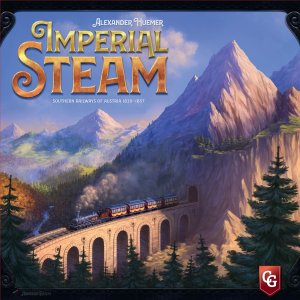
Imperial Steam
2021
Build railways, supply cities, and outmaneuver fierce industrial competition.
120
minutes
Heavy

View game

Rules made simple, fun made easy!
Income is a board game mechanic where players periodically receive currency, goods, or other resources at set intervals. It provides the fuel required to fund actions, construct infrastructure, and drive forward momentum across rounds.
471 results
At its heart, the Income mechanic establishes a predictable pulse for acquiring resources. Rather than relying solely on individual action spots to gain money or materials, players collect a payout during a dedicated upkeep or harvest phase. This payout often scales dynamically as participants invest in production assets, establish trade routes, or claim fertile territory.
At the table, income shifts focus from hand-to-mouth survival toward long-range financial planning. Because players can anticipate roughly what they will receive each cycle, they can budget for expensive projects, take calculated risks, and weigh whether to spend on immediate scoring opportunities or invest further into their revenue stream.
Resources accumulate over time without player intervention.
57 gamesPlayers invest in resources, aiming to profit from price fluctuations.
274 gamesPlayers complete specific agreements for rewards.
561 gamesPlayers receive extra points or rewards based on specific conditions met by the end of the game.
946 gamesUnused resources become more valuable over time.
113 gamesPlayers allocate resources to generate future returns.
92 gamesPlayers control certain game elements, affecting strategy.
138 gamesPlayers periodically reset their progress while keeping accumulated points.
140 gamesPlayers buy and sell shares, influencing company value.
294 gamesPlayers unlock new abilities by progressing through a structured upgrade system.
248 gamesThis mechanism appeals most to planners, economic thinkers, and fans of engine building who enjoy reinvesting profits to unlock bigger rewards. The vast majority of titles centered on periodic revenue fall squarely into the medium to medium-heavy complexity range, making them ideal for hobbyist groups who appreciate moderate rules overhead and deep operational logistics, though simpler introductory titles also exist.
2021
Build railways, supply cities, and outmaneuver fierce industrial competition.
120
minutes
Heavy
View game
2011
Build a civilization, shape your deck, and compete for galactic supremacy.
45
minutes
Medium

View game

2015
Shape a life of projects, work, relationships, family, and personal happiness.
90
minutes
Medium
View game
2014
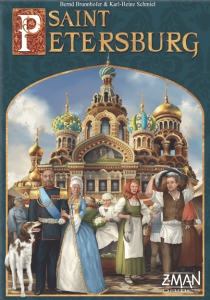
Build a city, manage resources, and lead Saint Petersburg to prosperity
60
minutes
Medium
View game
2017
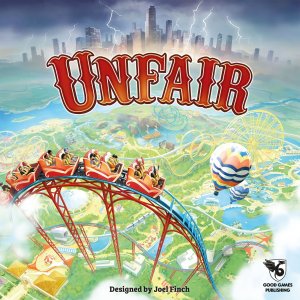
Build, upgrade, and defend the theme park that earns the most points.
125
minutes
Medium
View game
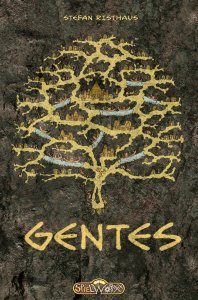
2017
Shape an ancient civilization through clever timing, monuments, and cities.
90
minutes
Medium Heavy

View game

2019
A modern, streamlined worker-placement classic with endless starting possibilities.
90
minutes
Medium
View game

2021
Build a dinosaur park, delight visitors, and survive the consequences.
120
minutes
Medium Heavy
View game

2013
Build factories, manage workers, and turn scarce Spyrium into victory points.
75
minutes
Medium
View game

2025
Build, defend, and besiege your way to the largest earldom.
90
minutes
Medium Heavy
View game
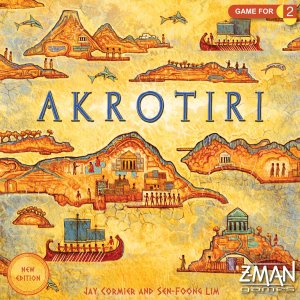
2014
Map the Aegean, supply Thera, and uncover forgotten Minoan temples.
45
minutes
Medium
View game

2026
Shape the shifting balance of power through diplomacy, economics, and military might.
180
minutes
Medium Heavy
View game

2025
Build a woodland city through clever timing, card play, and seasonal scoring.
30
minutes
Medium
View game

2019
Roll, build, and shape a unique medieval city with 3D components.
60
minutes
Medium
View game

2009
Bid, build, and manage nine resources across ten demanding rounds.
90
minutes
Medium Heavy
View game

2011
Build a profitable village while balancing scarce resources across five demanding rounds.
60
minutes
Medium
View game

2014
Build railways, auction shares, and grow your fortune across Ireland.
60
minutes
Medium
View game

2017
Build technologies, settle worlds, and race to create a prosperous space empire.
30
minutes
Medium
View game
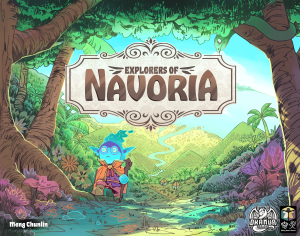
2024
Draft adventure cards, explore new continents, and build your reputation.
80
minutes
Medium
View game

2010
Build clever auction towers, secure valuable goods, and guard against devastating fires.
45
minutes
Medium
View game
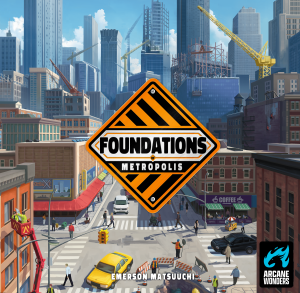
2024
Build a city, claim prestige, and become the Grand Architect.
60
minutes
Medium
View game
2022
Lead a fleet, master Mancala actions, and pursue the highest honor.
120
minutes
Medium
View game

2025
Build an engine, explore ancient traces, and shape your tribe’s legacy.
90
minutes
Medium Heavy
View game

2020
Build a Belle Époque fortune through Parisian buildings and clever scoring.
90
minutes
Medium
View game
2022
Expand your Roman collection with components for a fifth player.
90
minutes
Medium
View expansion

2019
Turn dreams into reality with journeys, events, relationships, and new possibilities.
90
minutes
Medium
View expansion

2016
Add events, trends, pets, and flexible jobs to your lifetime journey.
90
minutes
Medium
View expansion
2025
Three modular extras add new starting benefits, creatures, and upgrades.
180
minutes
Medium Heavy
View expansion

2024
Add 20 Kickstarter promo cards to your Terraforming Mars collection.
120
minutes
Medium Heavy
View expansion
2020
Two Executive Officers introduce fresh energy-production options.
120
minutes
View expansion

2019
Add two Executive Officers and eight purple wooden Excamixers to Barrage.
120
minutes
View expansion
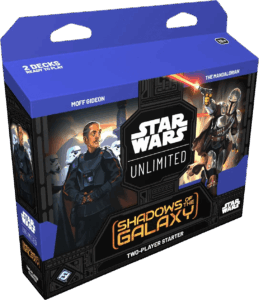
2024
Take the Star Wars saga to the Outer Rim in a focused second set.
20
minutes
Medium Heavy
View expansion

2019
Add 90 new cards, discover killer combos, and race to four souls.
60
minutes
Medium
View expansion
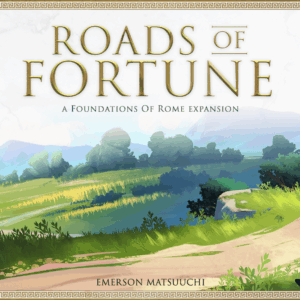
2024
Claim Rome’s borders and unlock powerful abilities from beyond the city.
90
minutes
Medium
View expansion
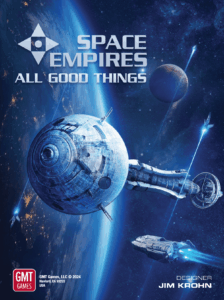
2025
Complete the galaxy with new empires, missions, scenarios, and more
180
minutes
Medium Heavy
View expansion
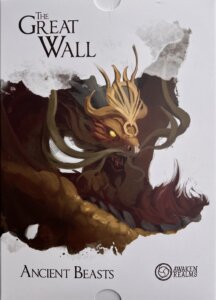
2021
Harness mythical beasts, new tactics, relics, and challenging game modes.
180
minutes
Medium Heavy
View expansion
The Income mechanic periodically awards players money, goods, or other resources at scheduled intervals throughout the game. Instead of spending actions to collect individual tokens from the supply, players receive an automatic payout during a designated round transition or upkeep phase. This steady influx establishes a predictable financial baseline that players can budget around when planning infrastructure, purchasing cards, or funding future turns.
While engine building refers to creating interconnected systems where your actions trigger chains of benefits, income specifically refers to the scheduled, recurring resource payouts that fuel those actions. An engine might enhance card draw, tile placement, or movement efficiency, whereas an income system focuses strictly on periodic revenue collection. In many strategy titles, developing your income track is simply one vital subsystem within a broader economic engine.
For newcomers and casual groups, lighter card and tile games like Happy City and Patchwork provide an easy introduction to periodic revenue. In Happy City, players draft buildings that expand their coin income each round in a brisk 20 to 30 minutes. Similarly, Patchwork rewards players with button payouts every time their time markers cross designated button icons on the central board.
Yes, income systems create tense and engaging head-to-head dynamics at two players because every coin earned or denied directly shifts the game’s momentum. In 7 Wonders Duel, commercial structures boost your treasury and penalize your rival whenever they must buy resources from the bank. Dedicated two-player titles like Patchwork also use income milestones to force tactical trade-offs between grabbing high-scoring tiles and maintaining steady button flow.
Experienced hobbyists who enjoy tight financial forecasting should look at medium-heavy and heavy titles such as Power Grid and Brass: Birmingham. Power Grid ties round-end revenue strictly to the number of cities you supply with electricity, forcing players to balance network expansion against rising fuel costs. In Brass: Birmingham, players navigate an evolving income track that increases as industry tiles flip, but can plunge backward if you take out aggressive bank loans.
Revenue is the incoming payout of cash or goods you collect, whereas upkeep is the mandatory recurring maintenance cost required to support your existing assets. Many economic games resolve both during the same maintenance phase, awarding players their production earnings before deducting costs for worker wages, troop rations, or facility upkeep. Managing the spread between your gross income and recurring expenses is critical to prevent sudden operational bankruptcies.
The most common mistake is over-investing in revenue generation late in the game when there are not enough rounds left to recoup the investment. Raising an income track early yields exponential value because the payout compounds across multiple game cycles. As the match nears its conclusion, winning players pivot away from expanding their cash flow and channel their capital directly into immediate victory points.
Designers prevent snowballing by incorporating escalating upkeep, board competition, diminishing returns, and hard end-game triggers. In games like Terraforming Mars and Terra Mystica, high production capacity is balanced by tight spatial competition and a fixed number of rounds or global milestones. These guardrails ensure that having the biggest wallet only matters if you can translate that money into points faster than your opponents.
Yes, income mechanics are very family-friendly when paired with clear math and simple round structures. Games like Cacao (ages 8 and up) and Happy City (ages 10 and up) make resource collection tangible without burdening players with complex bookkeeping. Children quickly grasp the satisfying loop of earning coins periodically and spending them on colorful new upgrades for their tableau.
Game lengths span widely based on rules complexity, ranging from 20-minute fillers to three-hour economic epics. Lighter titles like Port Royal play in roughly 20 to 50 minutes, while medium-heavy games such as Ark Nova average 90 to 150 minutes. At the heaviest tier, complex market simulations like Food Chain Magnate can extend between two and four hours.
