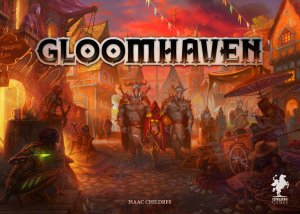
Gloomhaven
2017
Tactical dungeon-crawling in a persistent world shaped by player choices.
120
minutes
Medium Heavy

View game

Rules made simple, fun made easy!
Narrative Choice / Paragraph is a game mechanic where players drive a branching storyline by reading numbered story entries and choosing between different textual options. Each decision alters the game state, directs players to new narrative passages, and determines the plot's ultimate outcome.
203 results
At its heart, this mechanism brings choose-your-own-adventure storytelling to the tabletop via scenario books, story cards, or digital apps. Instead of resolving every situation purely through abstract numbers or combat systems, players encounter written vignettes that present dilemmas, moral choices, or investigative leads. Resolving these moments requires selecting an action that redirects the group to a specific numbered entry, unlocking consequences that ripple through the rest of the session.
This structure fundamentally shifts the atmosphere at the table from pure optimization to shared storytelling. Because outcomes are masked behind narrative entries rather than openly visible on the board, choices feel personal and dramatic. Players often debate not just the tactically optimal move, but the option that best fits their characters or personal ethics, creating high emotional investment in the consequences.
Cards dictate battle or campaign outcomes.
880 gamesUnpredictable occurrences impact the game, requiring adaptation.
683 gamesDecisions and actions permanently change the game over multiple plays.
86 gamesThe game is played across linked missions or scenarios.
1,113 gamesNarrative plays a significant role in gameplay.
735 gamesThis style of play is ideal for story-focused groups, solo adventurers, and cooperative teams who value worldbuilding, mystery, and atmosphere over purely mathematical puzzle-solving. The vast majority of these titles fall in the moderate to medium-heavy complexity range; while the core system of reading and choosing is simple, it is routinely paired with character sheets, movement rules, or dice management. Groups looking for fast, zero-downtime competition may find the heavy reading intrusive, but it delivers unmatched narrative payoff for patient players.
2017
Tactical dungeon-crawling in a persistent world shaped by player choices.
120
minutes
Medium Heavy
View game
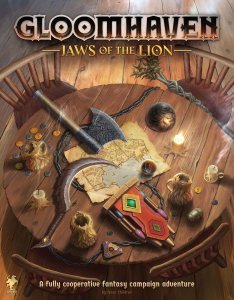
2020
A streamlined fantasy campaign of tactical battles and mysterious disappearances.
120
minutes
Medium Heavy
View game
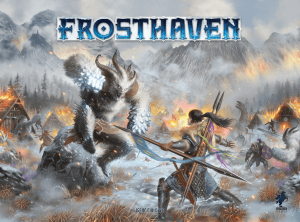
2022
Survive the frozen frontier, rebuild an outpost, and uncover its mysteries.
180
minutes
Heavy

View game
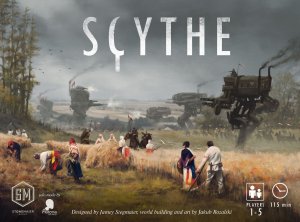
2016
Build an engine, expand your faction, and vie for control in alternate-history Europa.
115
minutes
Medium Heavy
View game

2019
Build a franchise, shape your world, and pursue corporate glory.
120
minutes
Medium

View game
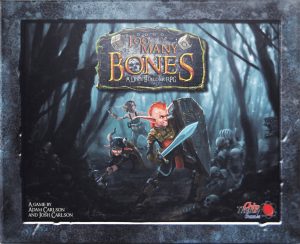
2017
A dice-builder RPG of tactical battles, risky choices, and legendary baddies.
120
minutes
Medium Heavy
View game
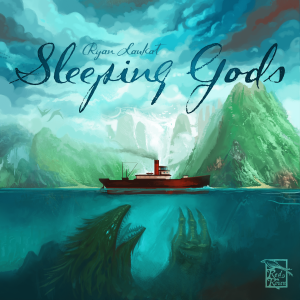
2021
Explore a strange world, awaken its gods, and find your way home.
1200
minutes
Medium Heavy
View game
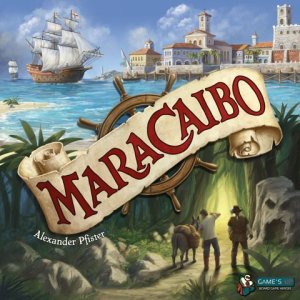
2019
Sail the Caribbean, build influence, and pursue a story-driven quest.
120
minutes
Medium Heavy
View game

2015
Build a settlement, craft gear, and face nightmare-fueled monster battles.
180
minutes
Heavy
View game
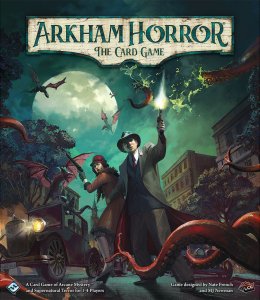
2021
Investigate Arkham’s mysteries in a cooperative campaign of choices and consequences.
180
minutes
Medium Heavy
View game
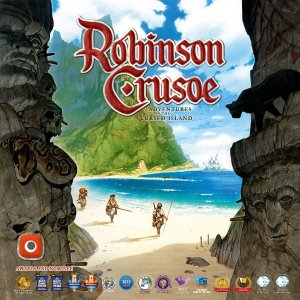
2012
Work together to survive, explore, and uncover the island’s secrets.
120
minutes
Medium Heavy
View game
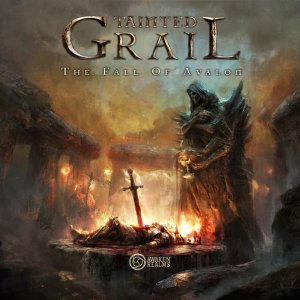
2019
Shape Avalon’s fate through perilous choices, branching stories, and tense encounters.
120
minutes
Medium Heavy
View game
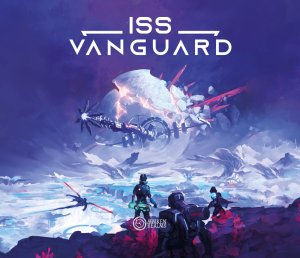
2022
Lead four sections through a branching sci-fi campaign of discovery and danger.
120
minutes
Medium Heavy
View game

2017
Explore a cursed continent, craft what you need, and survive the unknown.
1000
minutes
Medium
View game

2025
Explore a whole planet together—while scattered across its unknown reaches.
180
minutes
Medium
View game
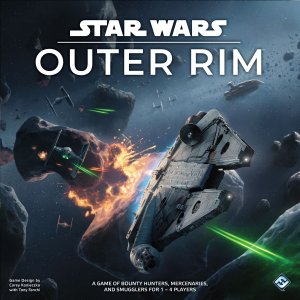
2019
Build your outlaw legend through risky jobs, bounties, and galactic notoriety.
180
minutes
Medium
View game
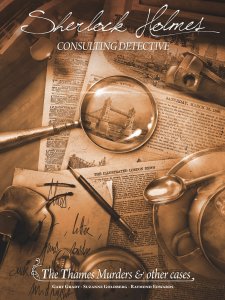
1981
Follow clues through Victorian London and match wits with Sherlock Holmes.
120
minutes
Medium
View game

2021
Flip, write, and race across eight changing lunar adventures.
30
minutes
Medium
View game
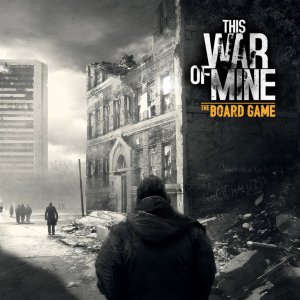
2017
Make impossible choices and survive a war-torn city.
120
minutes
Medium Heavy
View game
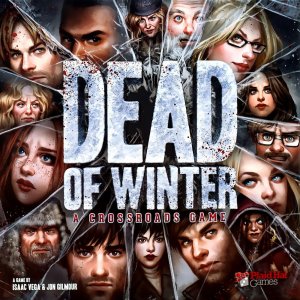
2014
Survive the winter, protect the colony, and pursue your secret agenda.
120
minutes
Medium Heavy
View game
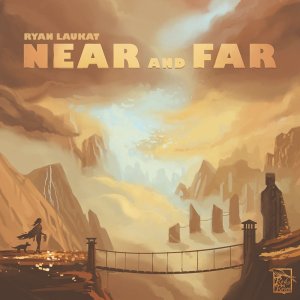
2017
Explore new maps, recruit adventurers, and pursue the legendary Last Ruin.
120
minutes
Medium
View game
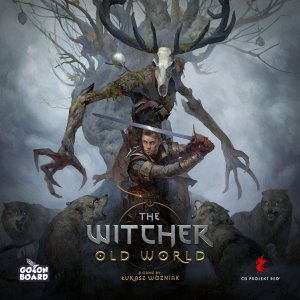
2023
Hunt monsters, build your deck, and compete for witcher glory.
150
minutes
Medium
View game

2018
Solve five connected crimes using clues, deduction, and a dedicated online database.
180
minutes
Medium
View game

2015
Jump through time, solve mysteries, and perfect your mission run.
90
minutes
Medium
View game
2023
Face unique monster attacks, build combos, and master the Manticore school.
150
minutes
Medium Heavy
View expansion
2023
Track a devastating monster and prepare for a legendary final battle.
150
minutes
Medium
View expansion
2023
200 adventure cards bring new stories, events, quests, and decisions.
150
minutes
Medium
View expansion
2023
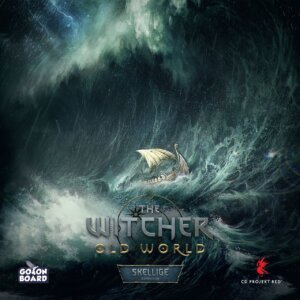
Sail to new islands, face sea adventures, and awaken the ancient Dagon.
150
minutes
Medium
View expansion
2023
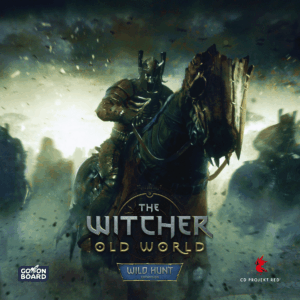
Face the Wild Hunt together—or alone—in a desperate battle against Eredin.
150
minutes
Medium Heavy
View expansion
2023
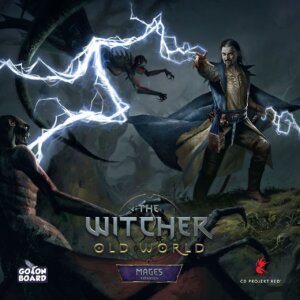
Add five distinctive mages and a new way to compete in the Old World.
150
minutes
Medium
View expansion

2021
Discover dungeon lore through branching stories, new characters, rooms, and bosses.
45
minutes
Medium
View expansion
2023
A massive expansion packed with miniatures, cards, rules, and new encounters
180
minutes
Heavy
View expansion
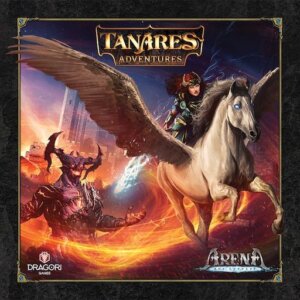
2023
Explore a branching campaign with villains, secrets, and tactical team play.
90
minutes
Medium Heavy
View expansion
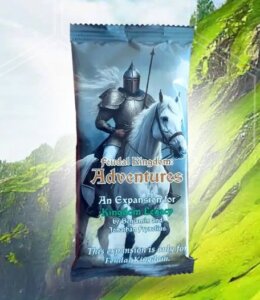
2024
A solo expansion filled with quests, monsters, relics, dragons, and more.
Medium
View expansion

2024
A scenario almanac ranging from family adventures to punishing challenges
120
minutes
Medium Heavy
View expansion
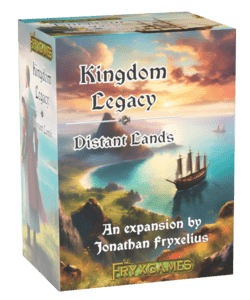
2024
Build your fleet, cross harsh seas, and seek rumored riches in distant lands.
480
minutes
Medium
View expansion
The narrative choice mechanic directs players through a branching storyline by having them read numbered text entries and select from distinct written options. Each decision guides the group to a new paragraph in a storybook, card deck, or digital app, altering game conditions and narrative outcomes. This system brings choose-your-path adventure books to the tabletop, prioritizing atmospheric worldbuilding and moral decisions over purely abstract scoring.
Yes, narrative paragraph games are exceptionally well suited for solo play because you can absorb the text and consider difficult decisions entirely at your own pace. Titles like Captive are designed exclusively for a single player, while rich story games such as Legacy of Dragonholt and The 7th Continent are voted best as solo experiences. Playing alone eliminates reading fatigue for others and lets you dive deeply into character-driven branching paths.
Two players is widely considered an ideal count for narrative paragraph games because it sparks lively debate without dragging out playtime. Story adventures like Adventure Games: The Dungeon and Lands of Galzyr are rated best with two players, allowing partners to alternate reading aloud and deliberate over dilemmas. This pairing maintains brisk pacing while giving both participants equal influence over the plot’s direction.
For newcomers and family game nights, games with accessible rules and episodic, chapter-based structures work best. Choose Your Own Adventure: House of Danger offers an intuitive, low-complexity entry point for ages 10 and up that plays in about 60 minutes. Another welcoming family option is Scooby-Doo: Escape from the Haunted Mansion, which combines narrative clue books with cooperative mystery solving.
Yes, younger children can enjoy narrative games if the reading level and themes are tailored to their age. For example, Cozy Stickerville is built for players from age 8 with quick, 30-minute sessions that avoid dense rulebooks. Having an older player or parent read passages aloud allows younger kids to focus entirely on making fun thematic choices and visualizing the adventure.
Experienced hobbyists who want deep systems integrated with massive paragraph books should look toward heavier campaign adventures. Epic titles such as Frosthaven and Kingdom Death: Monster embed extensive narrative passages into demanding strategic campaigns. Similarly, games like Dead of Winter: A Crossroads Game introduce tense paragraph prompts that trigger based on player actions, forcing painful survival trade-offs.
Replayability varies significantly depending on whether the game is a static mystery or a sprawling, branching campaign. Most large narrative games include far more numbered paragraphs than you can see in one session, allowing you to discover unvisited branches, alternate endings, or new character reactions on later runs. However, games centered entirely around a single storyline lose some suspense once the core plot twists and optimal choices are known.
Playtime ranges from quick 60-minute standalone episodes to campaign sessions lasting several hours. Self-contained adventures like Adventure Games: Monochrome Inc. wrap up in around 75 minutes, whereas challenging survival titles like Robinson Crusoe: Adventures on the Cursed Island run 60 to 120 minutes per scenario. Larger narrative epics feature persistent campaigns where dozens of individual scenario sessions connect to form a broader saga.
No, competitive games also use narrative paragraphs to weave unpredictable story encounters into individual turns. In Above and Below, players compete to build the best village while reading cave exploration passages that reward specific resources or villagers. Similarly, Star Wars: Outer Rim sends rival scoundrels through branching encounter cards and jobs as they race to gain fame across the galaxy.
The best way to prevent table fatigue is to actively rotate reading responsibilities from turn to turn so one person is not burdened with all the text. Groups can also assign specific tasks, such as having one player track status conditions and inventory while another handles the scenario book. When paragraphs feature secret test results, having the reader hide the outcome until the group commits to an action preserves suspense for everyone involved.
Deduction games challenge players to uncover a single objective truth using logic, whereas narrative paragraph games focus on player agency and branching consequences. However, some titles successfully merge both concepts; for example, Sherlock Holmes Consulting Detective: The Thames Murders & Other Cases and 221B Baker Street: The Master Detective Game use paragraph books as directory entries that deliver witness testimonies and scene clues. In pure narrative games, outcomes reflect moral or tactical choices rather than solving a predetermined logic puzzle.
