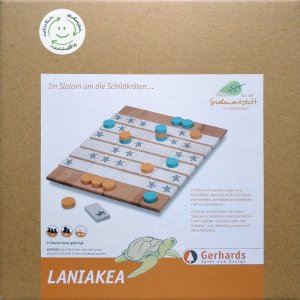
Laniakea
2022
Race five tokens across shifting rows without disturbing the turtles.
40
minutes
Medium

View game

Rules made simple, fun made easy!
Point to Point Movement is a game mechanic where pieces travel along predefined routes connecting designated nodes or locations on a board. Instead of counting individual grid spaces, players move directly from one established point to an adjacent connected one.
1,051 results
At its core, Point to Point Movement simplifies geographic navigation into a network of distinct stops and connecting lines. Nodes often represent cities, outposts, or clearings, while the lines between them represent roads, sea lanes, or mountain passes. By eliminating open terrain grids, the board focuses player attention entirely on strategically vital hubs and the corridors that link them.
This structure fundamentally shapes how players evaluate distance, pacing, and conflict. It creates natural bottlenecks where opponents can set up defenses, intercept travelers, or race toward high-value objectives. Because paths are explicitly drawn, calculating travel costs and anticipating rival trajectories becomes an intuitive, highly readable part of the game’s spatial puzzle.
Players physically flick pieces to move them.
90 gamesPlayers cover or control grid spaces.
207 gamesPlayers move their pieces on a grid.
2,303 gamesThe game board is composed of hexagonal spaces, allowing for multi-directional movement.
2,261 gamesMultiple game elements interact in a stacked fashion.
211 gamesPlayers use a set number of points to move.
614 gamesPlayers create specific patterns to score points.
973 gamesPlayers identify and respond to visual or logical patterns.
329 gamesPlayers collect and transport goods to different locations.
717 gamesPieces are slid or pushed across the board.
71 gamesPlayers progress along a track.
573 gamesPlayers place tiles to form a board or map.
2,462 gamesPlayers progress along a predefined track, often gaining rewards or triggering events.
286 gamesThis mechanism is particularly well-suited for groups that enjoy deliberate spatial strategy, cooperative problem-solving, and thematic journeying without the fiddly distance measurements of miniature wargames. In practice, the vast majority of titles featuring point-to-point maps land comfortably in the medium to medium-heavy complexity range. They offer enough depth to satisfy hobbyists who enjoy logistical planning while remaining readable enough for casual players to parse routes at a glance.
2022
Race five tokens across shifting rows without disturbing the turtles.
40
minutes
Medium
View game
1993
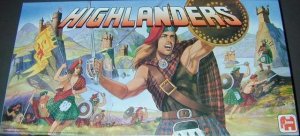
Capture valuable Rhine castles and outscore your rivals without dice combat.
90
minutes
Medium
View game

2024
Heal a plague-stricken region while facing monsters, bandits, and rising danger.
30
minutes
Medium
View game
1986
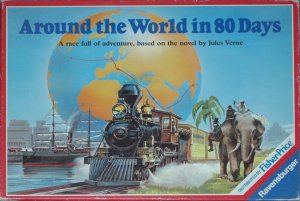
Race around the globe by card, aiming to return to London first.
60
minutes
Medium Light

View game
1997
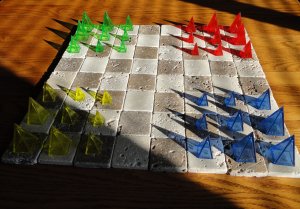
Charge, reorient, and capture your way to 12 points.
15
minutes
Medium
View game
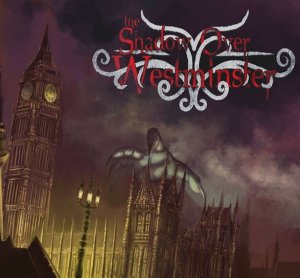
2015
Investigate London, master mystic artifacts, and stop the approaching Cataclysm.
60
minutes
Medium
View game
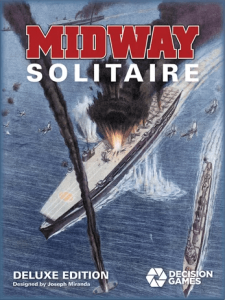
2017
Command Allied forces through the carrier battles that shaped the Pacific War.
Medium Heavy

View game
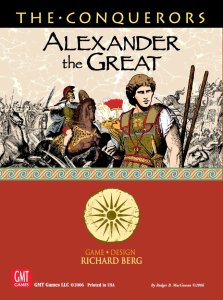
2006
Lead Alexander’s armies through conquest, politics, logistics, and deadly fatigue.
240
minutes
Medium
View game
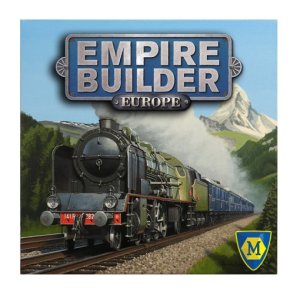
2025
Draw railways across Europe, deliver goods, and build a profitable empire.
120
minutes
Medium Heavy
View game

2016
Build your crew, tune your cars, and race to become the Street King.
120
minutes
Medium
View game
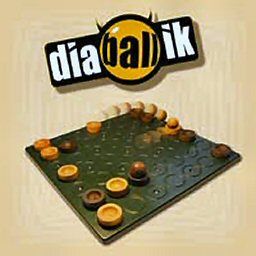
2004
Race, pass, and outmaneuver your opponent on a tense 7×7 grid.
20
minutes
Medium
View game

2019
Follow Humboldt’s route, gather discoveries, and earn scientific renown.
60
minutes
Medium Light
View game
2010
Fly a B-52 through Soviet defenses in a fast, darkly humorous solitaire mission.
15
minutes
Light

View game

2022
Race clever beetles across a shifting, colourful flower track.
30
minutes
Medium
View game
2006
Race clever frogs across bridges that vanish after every jump.
20
minutes
Medium Light
View game
2021
Four BlazBlue fighters bring fast-paced arcade combat to the tabletop.
20
minutes
Medium
View game
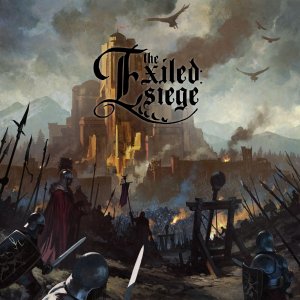
2016
Build a fortified city and survive relentless waves of savage enemies.
120
minutes
Medium
View game
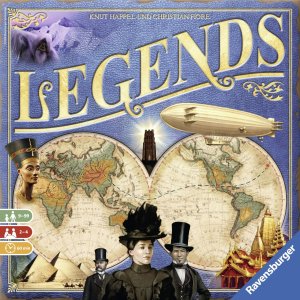
2016
Travel the world, gather knowledge, and build the most celebrated legends.
60
minutes
Medium
View game
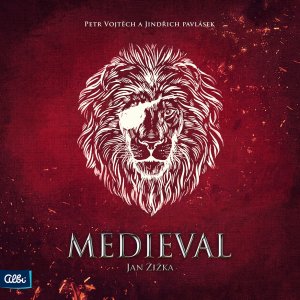
2023
Lead men-at-arms through dice-driven adventures in medieval South Bohemia.
120
minutes
Medium
View game
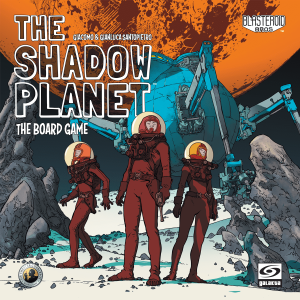
2022
Unmask alien horror, manipulate decks, and survive a desperate mission.
90
minutes
Medium Heavy
View game
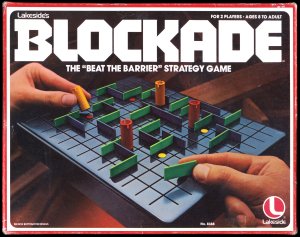
1975
Race your pawns while placing walls to block your opponent's path.
20
minutes
Medium Light
View game

2010
Leap across colorful tokens and build sets of five to outscore your rivals.
30
minutes
Medium
View game
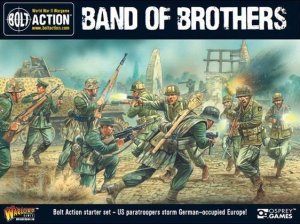
2016
A 2016 Bolt Action starter set pitting US Airborne against German Grenadiers.
Medium
View game
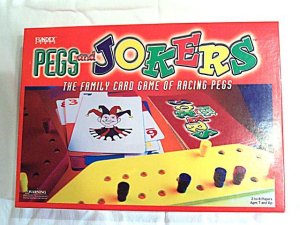
1975
Race five colored pegs home using cards, luck, and simple strategy.
30
minutes
Light
View game

2016
Bring traditional Japanese festivals and fresh strategy to the Tokaido journey.
Medium Light
View expansion
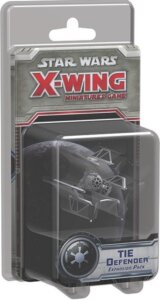
2014
Add an elite, heavily armed TIE Defender to Imperial dogfights.
20
minutes
Medium
View expansion
2013
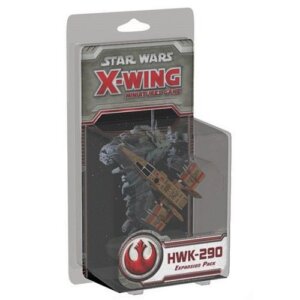
Add a versatile HWK-290 and support-focused options to your squad.
Medium
View expansion
2014
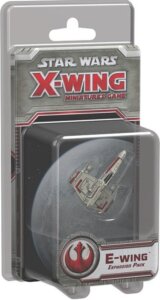
Bring superior speed, firepower, and creative upgrade combinations to your squadron.
20
minutes
Medium
View expansion
2026
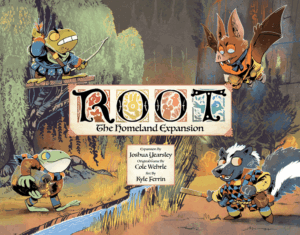
Three new factions and two maps bring fresh tensions to the Woodland.
90
minutes
Medium Heavy
View expansion
2019
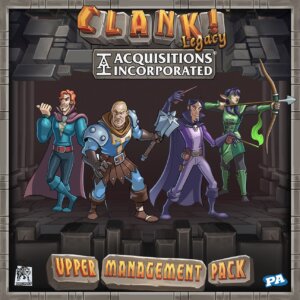
Bring professional thieves and talent-driven decks to your next Clank! game.
60
minutes
Light
View expansion
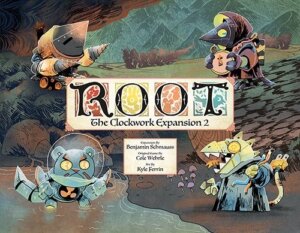
2022
Challenge four new automated opponents in the Root universe.
90
minutes
Medium Heavy
View expansion
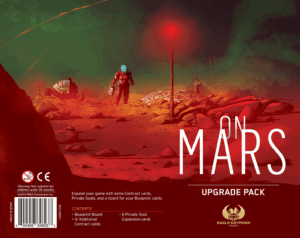
2020
Add new contracts, private goals, and a dedicated Blueprint board.
150
minutes
Heavy

View expansion
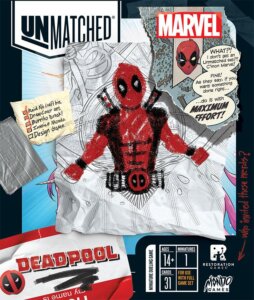
2021
Bring a unique hero and tactical, no-luck combat to your next Unmatched battle.
40
minutes
Medium
View expansion
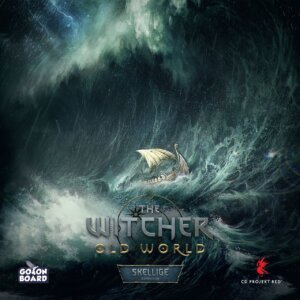
2023
Sail to new islands, face sea adventures, and awaken the ancient Dagon.
150
minutes
Medium
View expansion

2009
A fresh Keltis challenge with intersecting roads and colorful cairn rewards
30
minutes
Medium
View expansion

2014
A cheap, reliable Rebel starfighter with a tight turn and missile options.
20
minutes
Medium
View expansion
Point to point movement is a spatial mechanism where pieces travel along distinct, interconnected lines between specific locations or nodes. Instead of counting individual spaces across an open square or hex grid, players move directly from one hub to an adjacent connected one. This setup abstracts geography into readable travel routes such as roads, shipping lanes, or flight paths.
While grid movement allows pieces to roam across contiguous squares or hexes in many directions, point to point movement strictly restricts travel to drawn paths between locations. This eliminates ambiguous line-of-sight issues and tedious distance calculations over open terrain. As a result, gameplay focuses player attention on strategic intersections, shared transit hubs, and natural chokepoints.
For casual players and families, accessible titles like Labyrinth and Stop Thief! provide clear, engaging introductions to networked maps. Labyrinth accommodates 2 to 4 players ages 8 and up in brisk 20-minute sessions where the connecting corridors shift each turn. Meanwhile, Stop Thief! plays in 30 to 60 minutes for ages 10 and up, challenging investigators to track a suspect fleeing between connected city spaces.
Yes, point to point networks create intense tactical friction and direct blocking opportunities in two-player games. For instance, Unmatched: Battle of Legends, Volume One plays in 20 to 40 minutes and is best with 2 players, utilizing connected circular spaces to create tense positioning duels. On the heavier side, Imperial Struggle is specifically designed for 2 players, spending 120 to 240 minutes fighting for influence across regional node networks.
Many games built on point to point networks feature solo modes where you navigate maps against an automated threat or escalating game timer. Cooperative adventure titles like Eldritch Horror and Arkham Horror support 1 to 8 players, allowing a lone investigator to journey between global cities or neighborhood hubs to close dangerous portals. In these games, predefined routes give solo players clear visual parameters to calculate optimal travel efficiency.
Experienced hobbyists looking for deep logistical challenges can turn to complex strategy titles like Root and Here I Stand. Root combines point to point forest paths with asymmetric woodland warfare in 60 to 90 minutes for 2 to 4 players. For an even more demanding experience, Here I Stand is a heavy historical wargame best with 6 players that spans 180 to 900 minutes across a sweeping European transit network.
Play times vary considerably depending on complexity, ranging from fast 20-minute games to extensive multi-hour campaigns. Lighter deduction games such as Shadows: Amsterdam can wrap up in just 20 minutes. Conversely, medium-heavy eurogames like Orléans run roughly 90 minutes, while grand-scale wargames can easily take several hours to finish.
Roll-and-move relies on dice rolls to propel pieces forward along a linear track, whereas point to point movement emphasizes player decision-making across a branching web of routes. Modern point to point games typically have players expend action points, discard cards, or manage supplies to select their path. This provides meaningful tactical control over navigation, tactical retreats, and positioning rather than leaving your progress to random dice values.
A common mistake is neglecting escape routes and getting trapped at narrow bottlenecks. Because movement is strictly restricted to printed pathways, an opponent occupying a vital junction can cut off your retreat or force you to take expensive, inefficient detours. Successful players consistently monitor alternate pathways and assess how opponents can intercept them before advancing into a dead-end hub.
Cooperative games frequently adopt point to point maps because visible hubs make crises and collective logistics transparent to all players. In Pandemic, which plays in 45 minutes for 2 to 4 players, clear connections between cities let the team calculate exact travel costs turns in advance. This shared clarity allows players to coordinate multi-turn plans, trade cards, and treat disease hotspots before outbreaks spiral out of control.
Point to point maps provide a structured framework for hidden movement by narrowing down the fugitive’s possible routes into distinct, trackable options. In Scotland Yard, which plays in 45 minutes for 2 to 6 players, the hidden player reveals the type of transit used—such as taxi, bus, or underground—along specific network lines. The pursuing detectives must analyze the board’s connections to eliminate impossible locations and close off escape paths.
