
Dino Race
2014
Race two dinosaurs to safety while opponents unleash nasty tricks.
30
minutes
Light

View game

Rules made simple, fun made easy!
Take That is a board game mechanic where players directly attack, disrupt, or undermine an opponent's progress using targeted actions or card abilities. Rather than focusing solely on personal engine building, participants deliberately set rivals back by stealing resources, destroying assets, or canceling plays.
1,451 results
At its core, Take That injects direct, uninvited conflict into the gameplay loop. Instead of competing passively for shared resources or racing toward victory conditions on parallel tracks, players wield abilities explicitly designed to dismantle an opponent’s strategy. Actions can range from wiping out a rival’s accumulated points and stealing essential items to forcing an adversary to skip a vital turn.
At the table, this mechanic shifts the emotional atmosphere from contemplative planning to active, reactive sparring. It prevents run-away leaders by giving trailing players the tools to gang up on whoever is closest to winning. Consequently, every asset you place onto the board feels vulnerable, keeping all participants on edge until the final score is tallied.
Players have secret roles affecting their objectives.
198 gamesPlayers can disrupt others’ actions unexpectedly.
115 gamesPlayers can perform a powerful action only once.
182 gamesPlayers risk their progress by extending actions for higher rewards.
1,206 gamesPlayers take on fictional personas and make decisions accordingly.
1,015 gamesDifferent players have access to different information.
6,023 gamesA hidden traitor secretly works against the team.
138 gamesThis mechanic thrives with casual groups, party gamers, and competitive players who enjoy lively friction, social deduction, and unpredictable momentum swings. Because games featuring targeted disruption cluster predominantly around accessible, medium-to-light complexity levels, rules overhead remains approachable for mixed-experience tables. However, groups that favor peaceful engine building, strict strategic control, or delicate long-term optimization should approach the mechanic with caution, as sudden targeted losses can feel punitive.
2014
Race two dinosaurs to safety while opponents unleash nasty tricks.
30
minutes
Light
View game
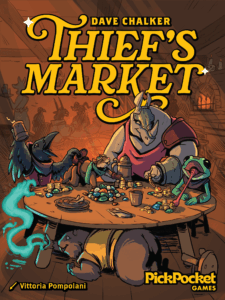
2025
Divide the loot, hire thieves, and outwit rivals in an epic heist.
60
minutes
Medium

View game
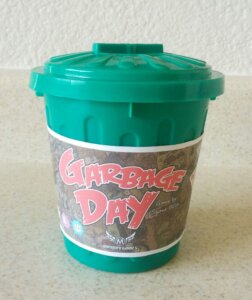
2016
Stack, stash, and dodge the trash before your overflow gets too big.
30
minutes
Light
View game
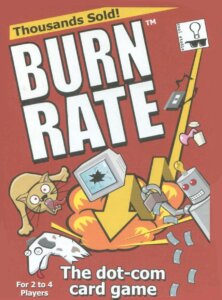
2002
Keep your dot-com alive while rivals push you toward a costly flameout.
45
minutes
Medium Light

View game

2018
Secret signals, sharp suspicions, and a race to collect matching Crab Cards.
20
minutes
Light
View game
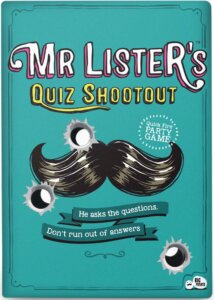
2015
A fast-thinking quiz showdown where the right answer keeps you in the game.
30
minutes
Light
View game
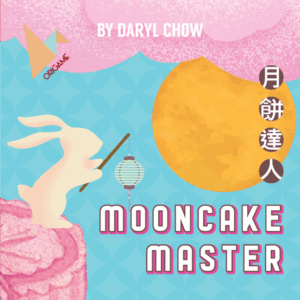
2023
Craft beautiful mooncakes, satisfy customers, and out-puzzle your fellow apprentices.
30
minutes
Light
View game

2025
Treat your Hexes, trigger side effects, and outlast the table.
30
minutes
Light
View game

2015
Outwit your opponent in a brutal jungle battle of survival.
90
minutes
Medium
View game
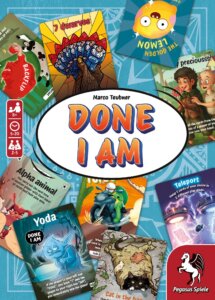
2025
A silly card game where completing a phrase may not be the whole story.
20
minutes
Light
View game

1981
Gather secrets, outwit rival powers, and protect your own nation's intelligence.
180
minutes
Medium
View game

2022
A celebratory Smash Up set with factions, goodies, and a bold Big Base mode.
45
minutes
Medium
View game
2012
Place powerful hexagonal tiles, trigger unique actions, and outscore your rival.
25
minutes
Medium
View game

2016
Secret influence, shifting factions, and one winner in every game.
15
minutes
Light
View game
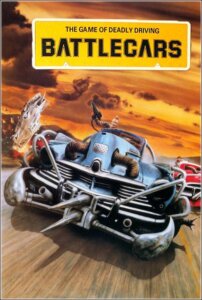
1983
A futuristic road-rage showdown of driving skill, rockets, and explosive combat.
90
minutes
Medium
View game

2014
Explore an unpredictable jungle, gather matching treasures, and escape alive.
60
minutes
Medium
View game
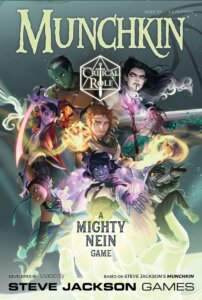
2021
A treasure-seeking card game featuring Critical Role's Mighty Nein.
60
minutes
Medium Light
View game
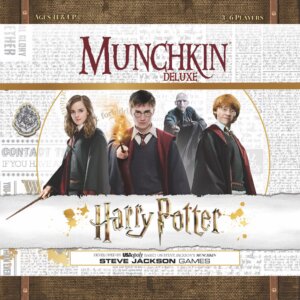
2018
Kick down doors, grab treasure, and level up at Hogwarts.
120
minutes
Medium
View game
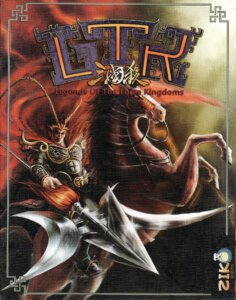
2007
Take on legendary heroes in a fast-moving card game of battle, strategy, and deception.
40
minutes
Medium
View game
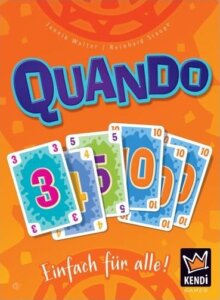
2024
Reveal, discard, and knock your way to the lowest score.
15
minutes
Light
View game

2000
Race through the sinking Titanic to save Doctor Lucky before rivals stop you.
30
minutes
Light
View game

2022
Climb higher, time your doubles, and avoid taking cards to win!
20
minutes
Light
View game

2019
Build balanced food webs and compete to protect your living ecosystems.
90
minutes
Medium Light
View game
2013
Shape stars, forge elements, and outlast the universe
90
minutes
Medium
View game
2019
Add unique characters, island events, and new Shipwreck cards to Hellapagos.
20
minutes
Light
View expansion
2016
Team up, recruit mercenaries, and seize the loot in a high-stakes showdown.
30
minutes
Medium Light
View expansion

2011
Four expansions that make 1980s queues even more unpredictable
60
minutes
Medium
View expansion
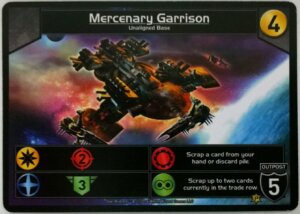
2015
An unaligned Outpost with four faction-based ally abilities
Medium Light
View expansion
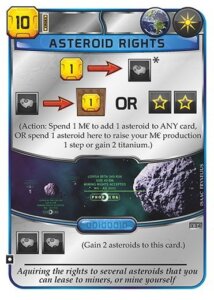
2021
A strategic promo card that turns asteroids into production or titanium
120
minutes
Medium Heavy

View expansion
2019
Face an unknown invader while allies may turn against you.
120
minutes
Medium
View expansion
2020
Secret quests, powerful relics, and new objectives for Hero Realms
30
minutes
Light
View expansion
2020
Take on secret quests and claim powerful relics as rewards.
30
minutes
Medium Light
View expansion
2011
Power up monsters, upgrade items, and unleash wonderfully sneaky surprises.
90
minutes
Medium Light
View expansion
2019
Evolve devastating diseases and compete to bring the world to its knees.
75
minutes
Medium
View expansion

2024
Take the Star Wars saga to the Outer Rim in a focused second set.
20
minutes
Medium Heavy
View expansion
2001
Add 56 new jobs, things, and activities to your Chez Geek game.
45
minutes
Light
View expansion
Take That is a board game mechanic where players use targeted cards or abilities to actively disrupt, weaken, or set back an opponent. Rather than just advancing your own score, you play effects that steal resources, eliminate pieces, or cancel rival actions. In games like Exploding Kittens, this means forcing another player to draw extra cards or face elimination.
While direct combat involves positioning troops and contesting physical territories on a board, Take That focuses on sudden, targeted strikes often played straight from a player’s hand. These effects bypass spatial maneuvering to instantly penalize a specific opponent’s pool of points, cards, or resources. Direct combat feels like a tactical skirmish over ground, whereas Take That functions like a personal, disruptive ambush.
Light card and dice games with straightforward rules are the best options for beginners because quick rounds keep targeted setbacks lighthearted. King of Tokyo is an ideal pick for ages 8 and up, blending dice rolling and monster combat into fast 30-minute games. Another accessible choice is Love Letter, which teaches direct player elimination in rapid 20-minute rounds using simple card deductions.
Yes, Take That functions very smoothly at two players because it completely eliminates the risk of players unfairly ganging up on one person. In a duel, every offensive strike directly weakens your sole competitor, making every aggressive play strategically sound and zero-sum. Dedicated two-player titles like Star Realms highlight this dynamic, delivering tight deckbuilding battles in roughly 20 minutes.
Pure Take That mechanics rarely appear in solo games because the tension relies on interacting with and retaliating against a human rival. However, some games adapt the concept by using automated event cards that simulate hostile attacks against your setup. For example, Cartographers includes solo play where monster ambush cards invade and disrupt your map grid much like a live opponent would.
Take That can be polarizing because uninvited attacks can dismantle hours of careful engine building through no fault of the defending player. It can also encourage dogpiling, where multiple players continually beat down the frontrunner, or kingmaking, where an eliminated player chooses who wins. Participants who prefer strict strategic control and predictable long-term planning often find these sudden reversals frustrating.
Most light Take That games wrap up quickly in 15 to 40 minutes, ensuring that knocked-out players or severe setbacks do not feel overly punishing. However, playtimes can lengthen substantially if the rules allow endless defensive counters against whoever is about to cross the finish line. For example, Munchkin lists a playtime of 60 to 120 minutes because groups frequently exhaust all their disruption cards on the leader right at the end.
The strongest strategy is to manage your table profile so you do not appear to be the leading threat until you are ready to win. Save your strongest disruptive effects and defensive reactions for critical endgame moments rather than starting early vendettas. Firing off aggressive cards too early simply draws retaliatory fire from the rest of the table before you have secured your own position.
Yes, heavier strategy designs frequently incorporate targeted disruption cards to add sharper friction to economic and spatial systems. Asymmetric games like Root and worker-placement hybrids like Dune: Imperium feature tactical combat and intrigue cards that undermine rival engines. For heavy gaming groups, Dominant Species pairs deep worker placement with devastating card actions that clear enemy species from the board.
Take That involves actively spending an action to directly attack an opponent’s existing board state, cards, or score. Hate drafting, by contrast, is a preventative move where you draft an asset you do not need simply to deny a rival from gaining it. Take That is an overt offensive strike against what a player has, while hate drafting is a passive denial of what they hope to get.
Groups can minimize conflict by agreeing before the game begins to direct attacks purely at the current frontrunner rather than holding personal grudges. Picking fast-paced titles where rounds reset quickly also softens the blow of defeat. In a game like Coup, which plays in just 15 minutes, early player elimination is easy to shrug off because a fresh match starts almost immediately.
