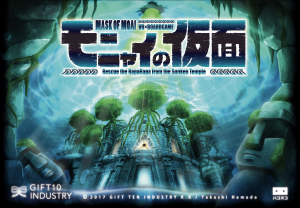
Mask of Moai
2017
Explore a sunken temple in VR, map its rooms, and rescue the mysterious Rapa Rapas.
60
minutes
Light

View game

Rules made simple, fun made easy!
Tile Placement is a mechanic where players lay flat, rigid pieces onto a playing area to build a shared map, expand personal boards, or trigger immediate spatial rewards. The placement of each piece alters the board state, creating physical patterns, connections, or scoring conditions.
2,483 results
At its core, Tile Placement turns the game board into an evolving puzzle. Instead of moving pieces across a static surface, players actively construct the landscape round by round. Every piece placed defines territories, opens new pathways, or establishes adjacencies that determine resource yields and point opportunities.
This mechanic shifts the strategic focus toward spatial awareness and forward planning. Players must weigh the immediate benefits of laying a piece against how that placement might block opponents, invite unwanted competition, or set up future turns across a dynamic tabletop layout.
Players physically flick pieces to move them.
91 gamesPlayers cover or control grid spaces.
210 gamesPlayers move their pieces on a grid.
2,336 gamesThe game board is composed of hexagonal spaces, allowing for multi-directional movement.
2,297 gamesMultiple game elements interact in a stacked fashion.
212 gamesPlayers use a set number of points to move.
616 gamesPlayers create specific patterns to score points.
985 gamesPlayers identify and respond to visual or logical patterns.
335 gamesPlayers collect and transport goods to different locations.
727 gamesPlayers move between fixed locations on a map or board.
1,107 gamesPieces are slid or pushed across the board.
71 gamesPlayers progress along a track.
578 gamesPlayers progress along a predefined track, often gaining rewards or triggering events.
289 gamesTile placement games appeal to visual thinkers, casual families, and strategic planners alike. Most titles using this system land firmly in the accessible medium-weight range, offering meaningful decisions without overwhelming rulesets, though lighter gateway designs and intensely tight economic heavyweights also exist across the genre.
2017
Explore a sunken temple in VR, map its rooms, and rescue the mysterious Rapa Rapas.
60
minutes
Light
View game
2015
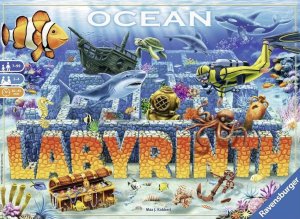
Shift the underwater maze, chase hidden symbols, and race back home.
30
minutes
Light
View game
2011
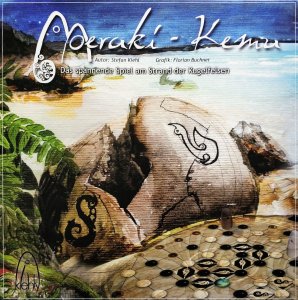
Claim enclosed fields and outmaneuver a rival tribe across a diagonal grid.
25
minutes
Medium

View game
2026
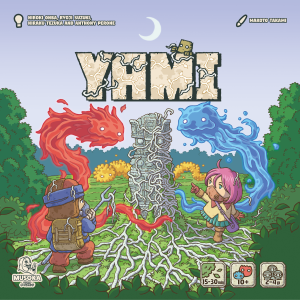
Cooperate through mist-shrouded missions in a strategic trick-taking adventure.
30
minutes
Medium
View game
1999
A fast, tactical card battle of numbers, colors, chains, and elemental bonuses.
5
minutes
Medium Light

View game
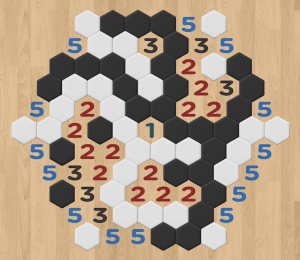
2022
A tense two-player puzzle of connected groups and clever placement.
30
minutes
Medium
View game
2019
A lively puzzle of mooncake design, sharing, and fussy customers.
40
minutes
Light
View game

2023
Influence four councils, secure building licenses, and earn the city's highest prestige.
45
minutes
Medium
View game

2012
Build giant monsters—but stop before they become impossible to finish.
30
minutes
Light
View game

2023
Draft tiles, build orders, disrupt rivals, and chase the top score.
15
minutes
Medium Light
View game
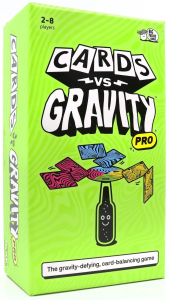
2023
Balance your cards carefully before gravity makes the final move.
10
minutes
Light
View game
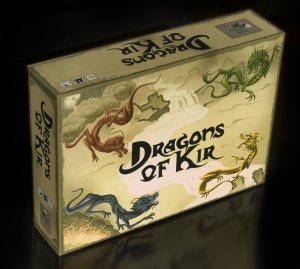
2005
Deflect dragons, outwit your rival, and protect your war tent.
20
minutes
Medium Light
View game
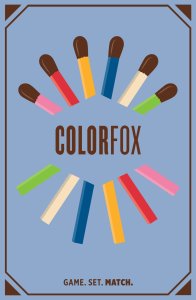
2016
Build colorful sets, force trades, and score every matchstick wisely.
15
minutes
Light
View game
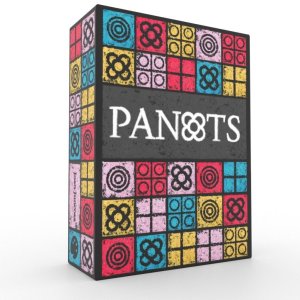
2025
Build a valuable Barcelona sidewalk by choosing and fitting panot tiles.
20
minutes
Light
View game
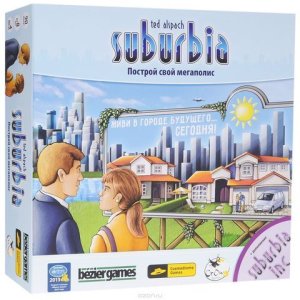
2013
Build a thriving town, balance reputation and income, and grow your population.
90
minutes
View game
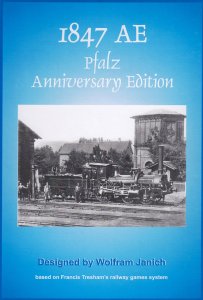
1990
Build railways and companies across the German Pfalz in this 18xx game.
180
minutes
Medium Heavy

View game
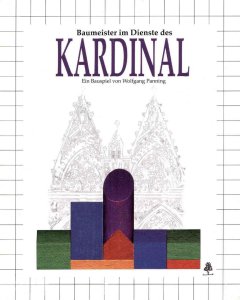
2000
Build a city, navigate seven placement rules, and turn neighboring colors into points.
20
minutes
Medium
View game
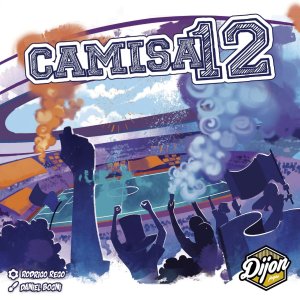
2021
Lead your fan section, build the crowd, and cheer your team to victory.
25
minutes
Medium
View game
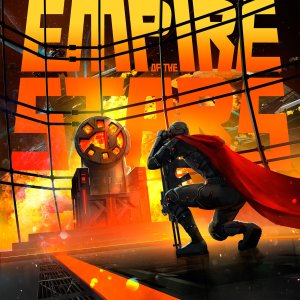
2021
Explore, expand, and fight for control of a galaxy in a tense 4X race.
90
minutes
Medium
View game
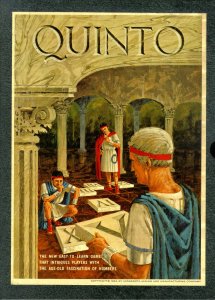
1964
Build number lines and hit the target Multile to score
30
minutes
Medium Light
View game
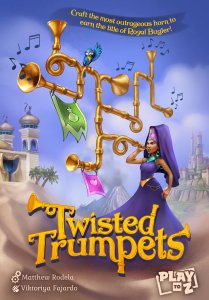
2025
Build a wondrous horn, chase royal honors, and outscore your rivals.
40
minutes
Medium
View game
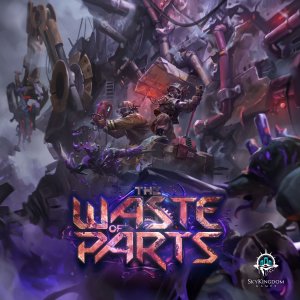
2026
Lead a mech crew through escalating threats, fires, salvage, and strategic choices.
120
minutes
Medium
View game
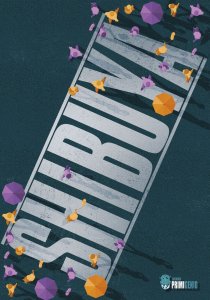
2017
Guide pedestrians through Tokyo’s busiest crossing in a competitive connection puzzle.
40
minutes
Medium
View game
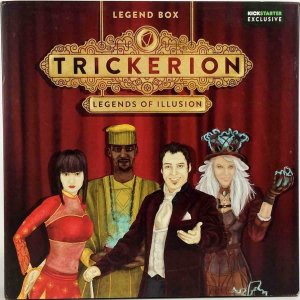
2015
A deluxe illusionist experience with Power Cards and exclusive stretch goals.
180
minutes
Heavy

View game
2013
Add tidal waves, whirlpools, cannons, and magic to your Tsuro adventure.
30
minutes
Medium Light
View expansion
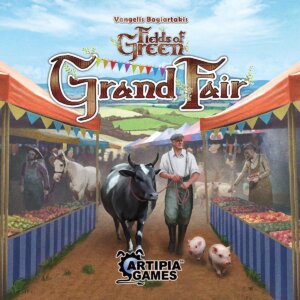
2018
Celebrate farm life with attractions, new locations, and solo play.
45
minutes
Medium
View expansion
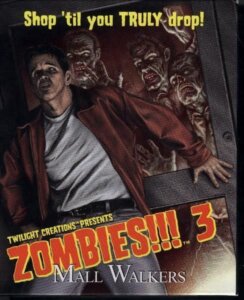
2003
Shop through a zombie-filled mall and try to escape alive.
120
minutes
Medium Light
View expansion

2003
Customize your event-card experience across the Zombies!!! series
60
minutes
Medium Light
View expansion
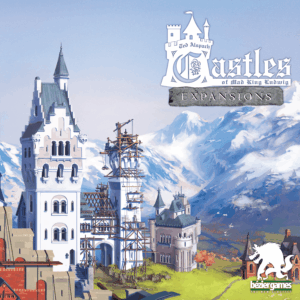
2023
Expand your castle with new rooms, rewards, powers, and goals.
Medium
View expansion
2020
Add optional Nebula, Supernova, Black Hole, and Pulsar sectors
Heavy
View expansion
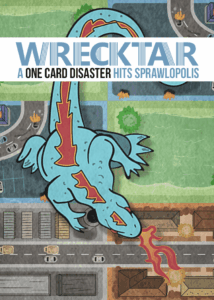
2018
A rampaging monster brings a punishing one-card disaster to the city.
20
minutes
Medium Light
View expansion
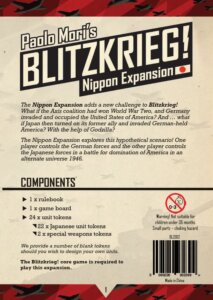
2019
A 30-minute struggle for control of alternate-universe America
30
minutes
Medium Light
View expansion
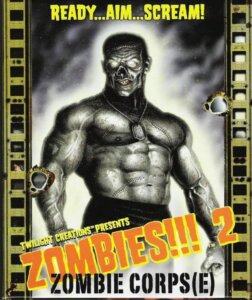
2002
Escape the undead town and uncover the epidemic's military source.
120
minutes
Medium Light
View expansion
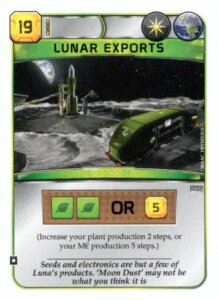
2018
Choose a major boost: plant production or MegaCredit production.
120
minutes
Medium Heavy
View expansion
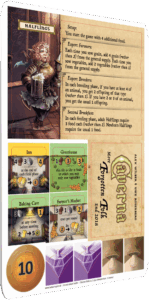
2018
Add a Halfling option to your mountain-colonizing Caverna experience.
210
minutes
Heavy
View expansion
2017
Promo cards, new Schemes, Treasures, Events, and more
75
minutes
Medium Heavy
View expansion
Tile placement is a mechanic where players position flat, rigid cardboard, wood, or plastic pieces onto a table or board to build a game environment. Each placed tile alters the playing area, forming connected networks, claiming land, or triggering spatial scoring conditions. Unlike games with fixed boards, these layouts evolve dynamically turn by turn.
The key difference lies in when and why pieces are positioned during the game. A modular board is typically assembled before play begins to create a unique starting map that remains mostly static. In contrast, true tile placement requires players to position tiles actively during their turns as a core strategic decision, such as matching terrain edges in Carcassonne.
Beginners should start with accessible titles featuring intuitive matching rules and short runtimes. Kingdomino is an ideal starting point, playing in 15 to 25 minutes for ages 8 and up with straightforward domino-style drafting. Another fantastic entry is Cascadia, which combines drafting wildlife and habitat tiles in approachable 30- to 45-minute sessions.
Yes, tile placement games often excel at two players because spatial planning becomes a tighter, more direct contest. Dedicated two-player designs like Patchwork play smoothly in 15 to 30 minutes with zero downtime. Similarly, classic spatial duels like Hive focus entirely on placing and shifting insect tiles to surround the opposing queen.
Many modern tile placement titles include dedicated solo modes that challenge you to optimize layouts against high-score targets or survival goals. In Cascadia, solo players can tackle structured spatial scenarios and achieve target scores. For an intensely challenging, heavy experience, Robinson Crusoe: Adventures on the Cursed Island supports 1 to 4 players and is rated best as a solo adventure.
Family-friendly tile placement games use clear visual cues instead of dense reading, making them approachable for younger minds. In Karuba, players race to lay paths across their jungle grids simultaneously, offering simple rules for ages 8 and up in 30 to 40 minutes. Games like Tsuro also let up to 8 players lay path tiles in fast 15- to 20-minute sessions.
Yes, complex games integrate tile placement into broader economic or engine-building frameworks. In Terraforming Mars, placing ocean, greenery, and city tiles directly alters global parameters and territorial bonuses across two hours. For an even heavier logistical challenge, On Mars requires intricate building placement to develop planetary infrastructure over 90 to 150 minutes.
Playtime varies widely depending on whether tile laying is the primary puzzle or part of a heavier strategy engine. Lightweight titles like Bananagrams or Escape: The Curse of the Temple finish in 10 to 15 minutes. Medium-weight favorites such as Azul last around 30 to 45 minutes, while deep, heavy experiences can run well past two hours.
Shared-map games feature players laying tiles into a common central area, which creates direct interaction, route blocking, and territory fights. Personal-board games give each player an individual grid where they assemble their own layout without direct spatial interference. For example, The Castles of Burgundy has players draft tiles from a shared pool to complete personal estates.
Prioritize keeping your placement options open by avoiding dead ends and awkward gaps early in the game. Look for placements that satisfy multiple scoring criteria at once, such as connecting matching borders while claiming bonus spaces. Finally, stay mindful of table space and draft displays so you do not leave prime opportunities that let your opponents complete valuable territories.
The biggest trap is falling into analysis paralysis by attempting to evaluate every possible tile orientation and location. Overcommitting to a massive, hard-to-complete territory can also leave you with zero points if you run out of turns or valid matching tiles. Lastly, watch your physical play area early, as sprawling shared maps can unexpectedly push pieces off standard table edges.
