
Eselsbrücke
2011
Build memorable stories to help everyone recall surprising symbols and objects.
45
minutes
Medium Light

View game

Rules made simple, fun made easy!
The memory theme centers on games where recalling hidden details, tracking shifting pieces, or retaining past actions is essential to winning.
187 results
At its core, memory-themed games transform mental recall into a dynamic gameplay challenge. Rather than relying purely on open board states or sheer luck, these games task players with tracking concealed information, such as facedown cards, rotating tiles, or hidden paths that briefly appeared earlier in the match.
At the table, this dynamic generates sharp focus and playful tension. Every opponent’s turn demands active observation, turning routine actions into crucial clues and rewarding players who stay alert from start to finish.
Memory games are a staple for family game nights, casual gatherings, and mixed-age groups, largely because they lean heavily into light and medium-light complexities. They are ideal for quick openers or lighthearted party sessions, though players who dislike intense concentration or strict mental tracking may prefer games with completely open board states.
2011
Build memorable stories to help everyone recall surprising symbols and objects.
45
minutes
Medium Light
View game

2002
Match memorable answers to the players who wrote them.
45
minutes
Light

View game

2003
A fast memory challenge of nesting pieces and completing three in a row
5
minutes
Light
View game
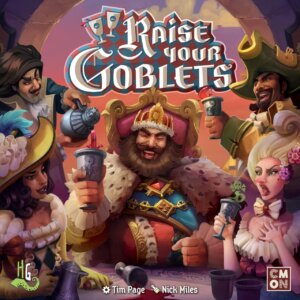
2016
Secretly load the goblets, outwit your rivals, and survive the toast.
45
minutes
Light
View game

2015
Count carefully, follow the gangster signals, and shed your cards first.
25
minutes
Light
View game

2007
A celebrity guessing game with an added fourth round: the pose.
45
minutes
Light
View game
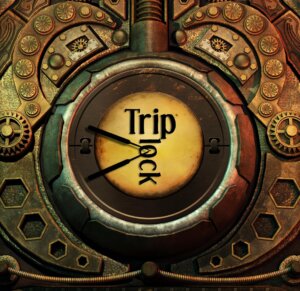
2017
Pick locks, outwit countermeasures, and master a tense abstract challenge.
30
minutes
Medium

View game

2017
Share clues, seek the cure, and claim the title of God Farmer.
30
minutes
Medium Light
View game
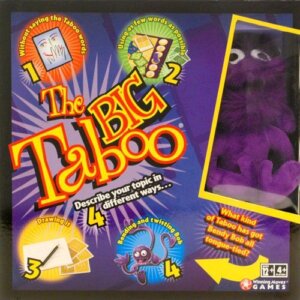
2006
Race the timer through taboo clues, drawing, mime, and memory challenges.
60
minutes
Medium Light
View game
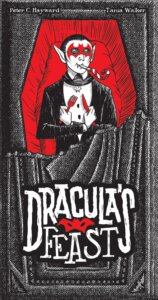
2017
Deduce the monsters, expose the party, and feast before your rivals do.
15
minutes
Light
View game

2004
Whip up pizzas for customers with ordinary and wonderfully strange tastes.
40
minutes
Light
View game

2017
Shape a newborn universe by drawing celestial bodies and completing contracts.
60
minutes
Medium
View game

2020
Team up as unusual crabs in a clever cooperative beach rescue.
15
minutes
Medium Light
View game

2017
Create a shared dream, then see how much of it you can remember.
20
minutes
Light
View game

2018
Remember every order, serve the right dishes, and catch mistakes before they cost you.
30
minutes
Light
View game

2004
A cooperative memory challenge: gather the cherries before the crow gets them.
10
minutes
Light
View game

2015
Trade, deduce, and outmaneuver rival agents to claim the hidden explosive.
10
minutes
Medium Light
View game

2026
Guide birds, reveal sand timers, and collect sweeter nectar rewards.
15
minutes
Light
View game

2008
Secretly deploy fantasy forces and capture your opponent’s flag.
30
minutes
Medium Light
View game
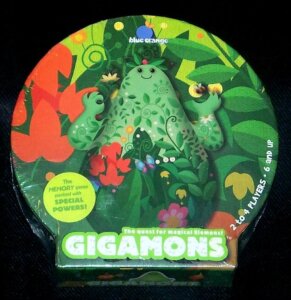
2014
Match Elemons, unleash their powers, and capture the most Gigamons.
15
minutes
Light
View game

2019
Count the eggs, dodge the hens, and slap the pile before everyone else!
20
minutes
Light
View game

2003
A daring memory challenge of dragons, jewels, treasure chests, and spiders.
20
minutes
Light
View game

1973
Bribe, challenge, and conspire to move the briefcase to your headquarters.
90
minutes
Medium Light
View game
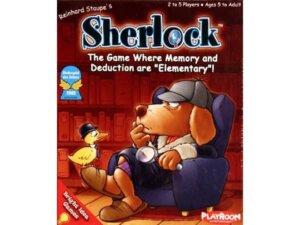
1999
A fast memory challenge of hidden images, arrows, and numbers.
20
minutes
Light
View game
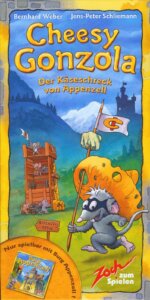
2008
Add a sombrero-wearing mouse, a new tower, and room for a fifth player.
30
minutes
Medium Light
View expansion
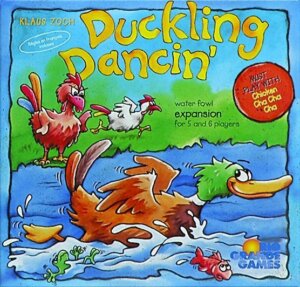
2000
Add two birds, colorful obstacles, and room for up to six players.
20
minutes
Light
View expansion
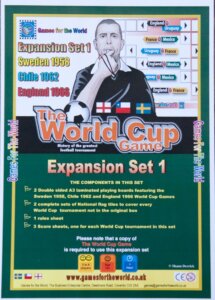
2007
Flags and tournament boards spanning three historic World Cups
60
minutes
Medium
View expansion
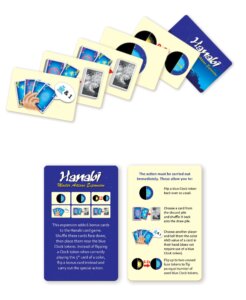
2015
Six bonus tokens add powerful, immediate twists to Hanabi's cooperative fireworks.
30
minutes
Medium
View expansion
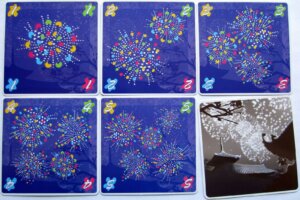
2012
Build a sixth firework together—while seeing every hand but your own.
25
minutes
Light
View expansion
2004
Expand the ghostly race for 5–6 players with a trapping bottle and longer board.
15
minutes
Light
View expansion
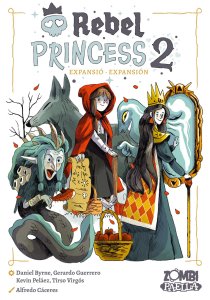
2025
Five more days of palace festivities, with new princesses, dances, and team play.
40
minutes
Medium Light
View expansion
1999
Add more cards to your Cranium game with this 1999 expansion.
60
minutes
Medium Light
View expansion

2023
Expand your escape plans with a warden, new places, and fresh strategies.
60
minutes
Medium Heavy

View expansion
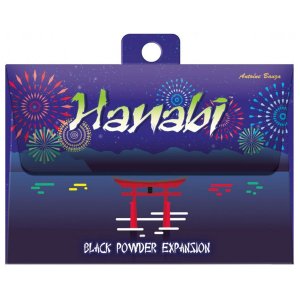
2020
Add a sixth Fireworks display with a challenging black powder twist.
30
minutes
Medium
View expansion
A memory board game challenges players to track and recall hidden information, past actions, or shifting components to succeed. Rather than relying on a static, fully visible board state, these titles require you to observe opponent moves and remember concealed assets such as facedown cards or covered pieces. Games like Trio show how tracking concealed numbers in hands and on the table creates quick, engaging deduction.
While memory focuses on retaining facts that were previously visible or stated, deduction requires players to logically infer unknown information from available clues. In practice, many titles blend both concepts, but memory specifically penalizes forgetting an observed event. For instance, Hanabi uses deduction to figure out which cards you hold, but relies heavily on memory to keep track of the clues teammates have already given you.
Yes, memory games are exceptionally well-suited for families because their core mechanisms are intuitive and younger players often have strong visual recall. Straightforward rules allow mixed-age groups to compete on equal footing without complex mathematical calculations. For example, The Magic Labyrinth supports children as young as age 6, tasking players with remembering an invisible underground maze while racing to collect symbols.
Fast-paced card games with simple rules make ideal entry points for adult groups and casual gatherings. A popular choice is That’s Not a Hat, which plays in about 15 minutes for 3 to 8 players and challenges everyone to remember gift items passing face down around the table. Another accessible option is Wandering Towers, where players track which stacked moving towers conceal their trapped wizards.
Yes, two-player memory games can be intensely tactical because you only need to monitor a single opponent’s actions. Strategic classics like Stratego center on remembering the ranks of enemy pieces revealed during combat across a 45-minute duel. This creates a focused, zero-sum mind game where every forgotten piece location grants your rival a direct advantage.
Yes, solo memory games exist and typically present puzzles centered on tracking card sequences or order manipulation. For example, Finished! is designed exclusively for a single player, requiring you to sort a chaotic deck into ascending order within 30 to 45 minutes by memorizing which cards were tucked into past piles. These designs test personal recall and planning without the unpredictable interference of opponents.
Most memory games fall into the light to medium-light complexity categories and play in 15 to 30 minutes. Quick card titles like Sleeping Queens finish in about 20 minutes, keeping the mental load accessible. While deeper strategy games occasionally incorporate memory, the majority remain short to prevent mental fatigue.
Experienced players can look toward heavier strategic games where tracking hidden commitments, past actions, or extensive spell mechanics plays a central role. In Serpent’s Tongue, players engage in complex 30-minute incantation duels requiring sharp mental recall of spell phrases and symbols. These advanced games treat memory not merely as a party mechanic, but as a high-stakes tactical discipline.
The most effective strategy is chunking information into small patterns, such as pairing items or associating cards with physical positions on the table. In games with shared discard piles like Mamma Mia!, mentally grouping ingredients into recurring recipe patterns prevents your memory from overloading as the pile grows. Staying fully focused during opponents’ turns is equally vital, as missed clues cannot easily be recovered.
The most frequent pitfall is letting table talk and side distractions break your concentration. Because memory games rely on active short-term retention, looking away for even a single turn can completely erase your mental map. Another common mistake is trying to memorize every single piece on the board instead of focusing selectively on high-value targets relevant to your immediate goals.
Yes, cooperative memory games require teammates to share mental tracking or maintain strict communication constraints to achieve a common goal. In Witness, four players whisper clues around the table in a telephone-style mechanic, requiring each participant to accurately retain details to solve a case together. This approach shifts the dynamic from competitive gotcha moments to shared trust and collective recall.
