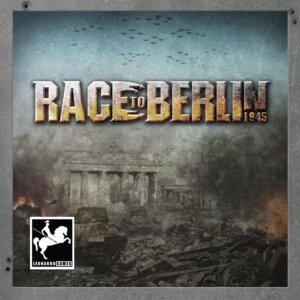
Race to Berlin
2015
Command opposing armies in a tense two-player race for Berlin.
150
minutes
Medium

View game

Rules made simple, fun made easy!
Area Movement is a board game mechanic where pieces travel between distinct, predefined zones on a map rather than along linear tracks, hexes, or square grids. Movement is typically defined by adjacency, allowing players to shift forces directly into neighboring territories, seas, or rooms.
1,422 results
Unlike abstract grids that measure distance in uniform steps, games using Area Movement divide the board into thematic spaces of varying shapes and sizes, such as provinces, ocean zones, or fortress corridors. Entering a new region simply requires moving across a shared boundary, shifting the focus from counting individual steps to controlling meaningful geography.
At the table, this creates clear tactical fronts and natural choke points. Because territories represent distinct strategic locations, players spend less time measuring precise ranges and more time evaluating the consequences of committing presence to contested regions.
This mechanism is an ideal fit for tactical thinkers, wargamers, and groups who enjoy grand strategy, direct confrontation, and territorial struggle. The vast majority of titles featuring this system lean toward medium to medium-heavy complexity, requiring thoughtful planning and border management while avoiding the micro-level geometric calculations of strict tactical simulations.
2015
Command opposing armies in a tense two-player race for Berlin.
150
minutes
Medium
View game
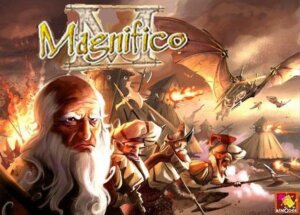
2008
Conquer early 16th-century Europe with armies, inventions, and art.
90
minutes
Medium
View game
2005
Command modern Hornets, plan missions, and make difficult strike decisions solo.
60
minutes
Medium
View game
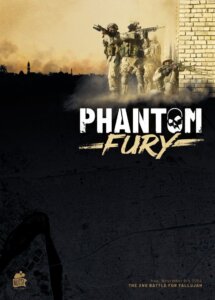
2024
Lead a tense solo Marine assault through hidden insurgent-held city zones.
120
minutes
Medium Heavy

View game
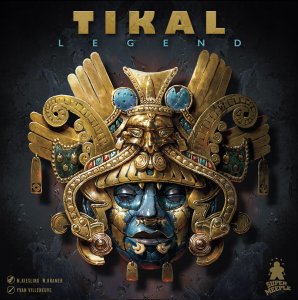
2026
Explore jungles, claim temples, and shape your path to prestige.
180
minutes
Medium Heavy
View game
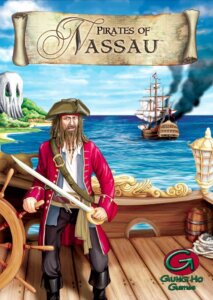
2012
Capture merchant ships, build your crew, and become Nassau’s most notorious pirate.
150
minutes
Medium
View game

1994
Re-enact 1,540 years of conquest, transformation, and reconquista.
300
minutes
Medium Heavy
View game
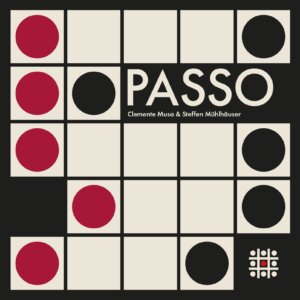
2023
Race across a shrinking board without getting trapped.
10
minutes
Light

View game
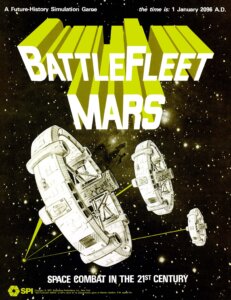
1977
Command a rebellion across a changing Solar system.
120
minutes
Medium Heavy
View game
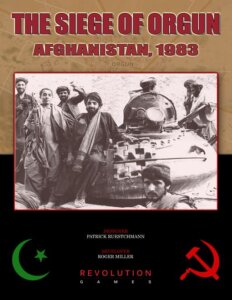
2015
A card-assisted struggle of ambushes, assaults, helicopters, and fortified positions.
120
minutes
Medium
View game
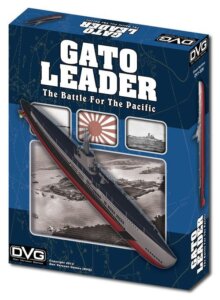
2016
Command American submarines through the dangerous Pacific campaign.
60
minutes
Medium
View game
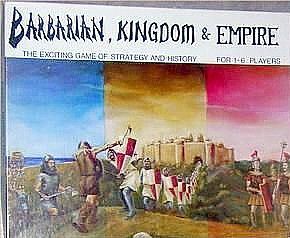
1983
Sweep from the steppes, build a kingdom, and return after defeat.
180
minutes
Medium
View game
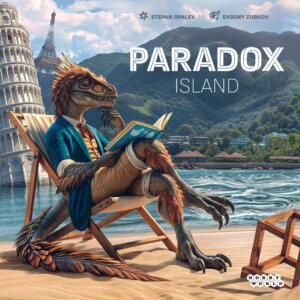
2025
Rebuild a hidden island while one player controls its deadly secrets.
90
minutes
Medium
View game
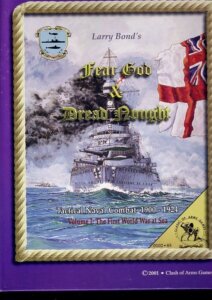
2001
Command dreadnoughts through 40+ First World War naval engagements.
360
minutes
Heavy

View game
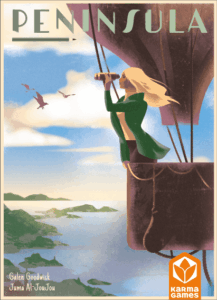
2025
Draft your island, build infrastructure, and outmaneuver your rivals.
40
minutes
Medium
View game
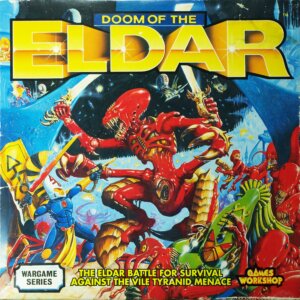
1993
A two-player Warhammer battle between Iyanden Eldar and invading Tyranids.
120
minutes
Medium
View game
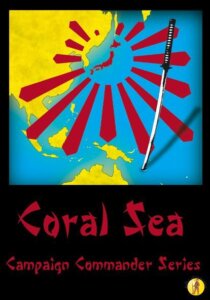
2010
Command forces across the South Pacific in a tense operational campaign.
180
minutes
Medium
View game
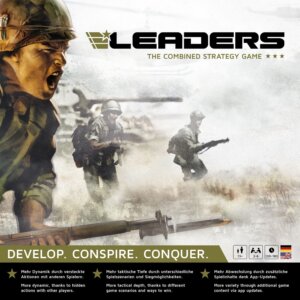
2013
Forge alliances, master technology, and pursue world domination in the Cold War.
180
minutes
Medium
View game
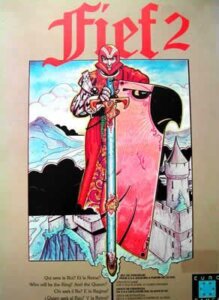
1989
Military aggression, political maneuvering, and church influence collide.
120
minutes
Medium
View game
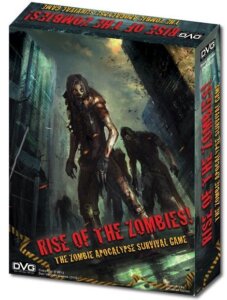
2013
Race the clock, battle zombies, and reach the rescue helicopter alive.
90
minutes
Medium
View game
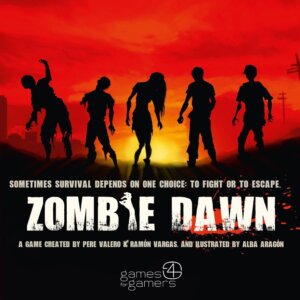
2017
Survive the outbreak, explore new maps, and outscore rival survivors.
120
minutes
Medium
View game
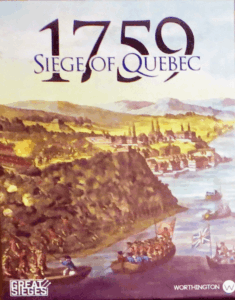
2018
Make crucial command decisions in a fast, strategic siege wargame.
90
minutes
Medium Light

View game
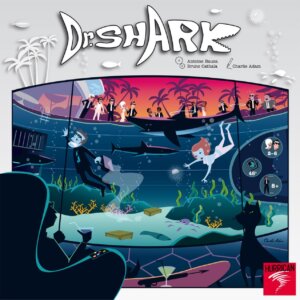
2011
Dive for clues, feel your way to evidence, and expose a criminal mastermind.
45
minutes
Medium Light
View game
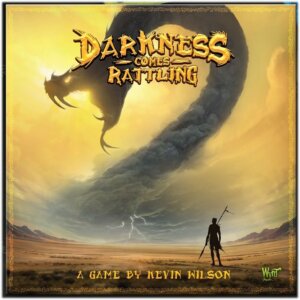
2015
Cooperate to reclaim the sun from a colossal snake and its shadows.
120
minutes
Medium Heavy
View game
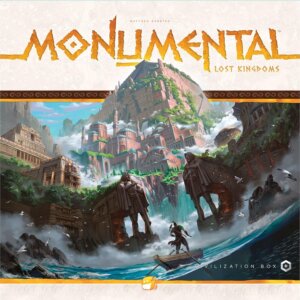
2020
Expand your empire with four new civilizations and striking new territories.
120
minutes
Medium Heavy
View expansion
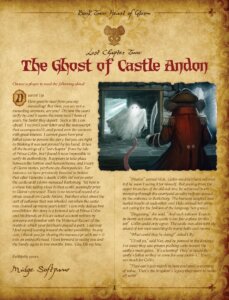
2013
A haunted castle adventure with raiding pirates and six mice of your choice.
60
minutes
Medium Heavy
View expansion
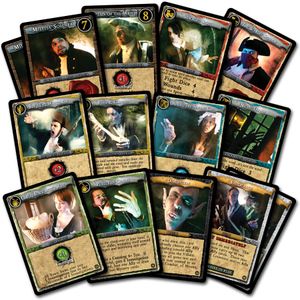
2009
Add exclusive allies, mysteries, and locations to your supernatural card decks.
60
minutes
Medium
View expansion

2018
Three new legends bring spirits, demons, and ancient secrets to Andor.
90
minutes
Medium Heavy
View expansion
2003
Expand the Middle-earth conflict into Gondor, Mordor and Haradwaith.
120
minutes
Medium
View expansion
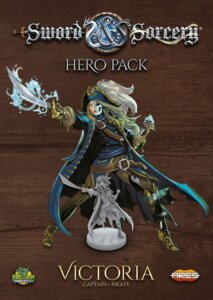
2017
Command the seas by day and face a cursed soul by night.
180
minutes
Medium Heavy
View expansion
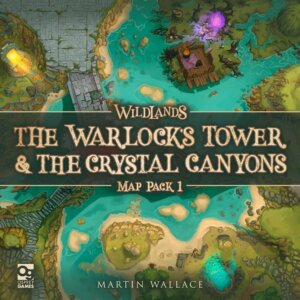
2019
Two dangerous maps bring elevation, portals, and arcane surprises to Wildlands
60
minutes
Medium
View expansion
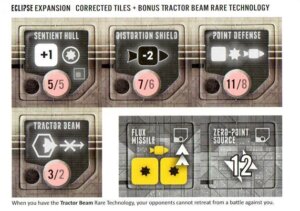
2012
A bonus tile that prevents enemy spaceships from fleeing combat.
180
minutes
Medium Heavy
View expansion

2018
Split across two eras, investigators must solve a mystery that connects past and future.
120
minutes
Medium
View expansion
2008
Bring a touch of madness and fresh terror to your Shadowbrook games.
60
minutes
Medium
View expansion
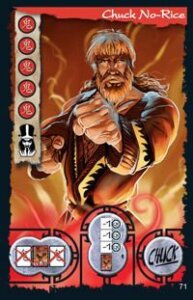
2009
A 5-red tao Wu Feng incarnation with punishing monk-column effects.
60
minutes
Medium
View expansion
2017
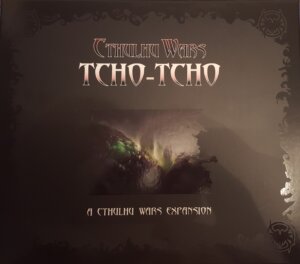
Exploit high priests, drain rival factions, and unleash the Tcho-Tchos.
90
minutes
Medium Heavy
View expansion
Area Movement is a mechanism where figures or markers travel between distinct, named zones or territories rather than stepping through a uniform grid or hex map. Each zone represents an irregular space such as a region, room, or ocean sector, and units advance by crossing shared borders. This setup shifts player focus away from precise distance measuring toward macro-level positioning and territorial borders.
Unlike grid or hex systems that divide the board into uniform tiles of identical size and distance, Area Movement splits the board into irregular thematic regions. Grid-based games emphasize micro-tactics, sightlines, and counting individual steps. In contrast, Area Movement simplifies navigation by making every shared boundary a single step, turning attention toward border control and regional chokepoints.
Great entry points feature straightforward boundary rules and brief playing times. A fast-paced choice is Eight-Minute Empire, which delivers quick continental maneuvers and area control in just 8 to 20 minutes for 2 to 5 players. For those who enjoy classic fantasy exploration, Dungeon! lets 1 to 8 players roam interconnected rooms of an escalating dungeon in 30 to 60 minutes.
Yes, several titles adapt zone-based movement into simple, highly engaging formats for children. Zombie Kidz Evolution is designed for ages 7 and up, letting players cooperatively clear zombies across school rooms in quick 15-minute sessions. For younger players aged 6 and up, ICECOOL uses interconnected classroom boxes where players flick penguins through doorways from room to room.
Area Movement works exceptionally well at two players, especially in titles focused on head-to-head operational duels. For instance, Risk: Star Wars Edition plays best with 2 players in 30 to 45 minutes, focusing conflict across distinct operational sectors. For a heavier experience, War of the Ring: Second Edition delivers an epic two-player territorial confrontation across Middle-earth that spans 150 to 240 minutes.
Yes, many games with area-based maps provide robust solo modes, particularly cooperative survival and narrative titles. In Robinson Crusoe: Adventures on the Cursed Island, which is voted best as a solo game, you explore uncharted island tiles and manage encampments against harsh elements. Heavy economic designs like The Colonists also support solitary play, directing your steward across regional upgrade spaces.
Experienced players looking for deep tactical depth often prefer titles that pair regional movement with asymmetric factions or grand historical campaigns. In Root, 2 to 4 players vie for control of woodland clearings, each using completely different movement rules and strategic priorities. For grand scope, War of the Ring: Second Edition tasks players with maneuvering massive armies across connected regions over 150 to 240 minutes.
Area Movement often serves as the logistical delivery system for Area Majority games, though they remain distinct mechanisms. Area Movement defines how your pieces traverse the board from zone to zone, while Area Majority determines who scores points for having the dominant presence in those zones. Many games seamlessly combine both mechanisms so that repositioning units directly reshapes territorial dominance.
The most important tactical consideration is identifying and securing bottlenecks where multiple regions funnel through a single territory. Controlling these chokepoints lets you anchor a defensive line or dictate when and where neighboring players can advance. Spreading forces too thin across broad, multi-bordered areas leaves your flanks exposed to counterattacks from multiple directions.
A frequent problem is adjacency ambiguity caused by stylized map artwork, where two irregular territories meet at a corner and leave players unsure if they share a border. Another common physical issue is component crowding, where small printed territories struggle to accommodate large stacks of miniatures or cardboard tokens. Clarifying corner connections before starting play and using off-board staging tracks can help alleviate these snags.
Game length varies widely depending on complexity, ranging from 15-minute micro-games to epic four-hour strategy campaigns. Quick titles such as Eight-Minute Empire resolve in 8 to 20 minutes, while complex wargames like War of the Ring: Second Edition frequently take 150 to 240 minutes. Most medium-weight area games comfortably wrap up in 60 to 90 minutes.
