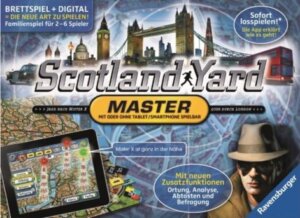
Scotland Yard Master
2013
Track a hidden fugitive across London before the trail goes cold.
45
minutes
Medium Light

View game

Rules made simple, fun made easy!
Hidden Movement is a mechanic where at least one player travels across the board secretly, concealing their exact location from opponents. Opponents must track clues, spot patterns, and use deduction to find and intercept them.
128 results
In games featuring hidden movement, one or more players track their location off the main board—typically using a mini-map behind a screen, paper pad, or companion app. While the hidden player sees everything openly, the searching players must navigate partial information, piecing together rumors, noise markers, or lingering traces left behind.
This dynamic transforms an ordinary board game into a tense cat-and-mouse hunt. It alters how players communicate, forcing hunters to collaborate openly under the watchful eye of their prey, while the fugitive weighs the safety of careful sneaking against the risk of bold, reveal-triggering sprints.
Elements of the game may favor certain choices or players.
69 gamesPlayers use logic to solve hidden information.
537 gamesPlayers’ scores are not revealed until the end.
149 gamesPlayers must remember hidden or revealed information to gain an advantage.
652 gamesPlayers place units in secret locations.
571 gamesThis mechanic shines with groups that enjoy asymmetric conflict, table talk, and tactical deduction. Most designs sit squarely in the moderate complexity range, offering deep strategic cat-and-mouse tension without overwhelming rules overhead, though lighter party variants and heavier simulation games also exist.
2013
Track a hidden fugitive across London before the trail goes cold.
45
minutes
Medium Light
View game
2015
A tense undersea battle of stealth, bluffing, and strategic deception.
120
minutes
Medium

View game

1962
A tense hidden-movement naval hunt with three levels of play.
120
minutes
Medium
View game

1986
A detailed Napoleon-era operational game for extended strategic sessions.
480
minutes
Medium Heavy

View game

2025
A hidden alien, a determined agency, and a race against discovery
60
minutes
Medium
View game
2017
Build a bustling fantasy tavern, welcome patrons, and earn the gold!
30
minutes
Medium
View game

2020
Repair the ship, read your crew, and survive a dolphin-led sabotage.
40
minutes
Medium
View game

2025
Sneak through the convent, fulfill your wish, and evade the watchful nuns.
30
minutes
Medium
View game

2022
A tense naval search and combat game of secret movement and pursuit.
360
minutes
Medium
View game

1987
A tense global hunt for German merchant raiders in World War I.
180
minutes
Medium
View game

2024
Command a division through a tense, fog-shrouded Cold War battlefield.
720
minutes
Heavy

View game

2023
A tense one-card hunt through hidden streets before six victims are claimed
15
minutes
Medium Heavy
View game

2019
Track the hidden creature, outwit its evolution, and survive the hunt.
60
minutes
Medium
View game

2025
Rebuild a hidden island while one player controls its deadly secrets.
90
minutes
Medium
View game
2021
Race across Lakeview, uncover clues, and stop a monster before doom arrives.
60
minutes
Medium
View game

2023
A tense two-player hunt beneath the waves during the Battle of the Atlantic
15
minutes
Medium
View game

2021
Command a Hog faction, build your base, and conquer Saustralasia.
90
minutes
Medium Heavy
View game

2012
Plan daring robberies, evade the marshal, and secure your outlaw fortune.
90
minutes
Medium
View game
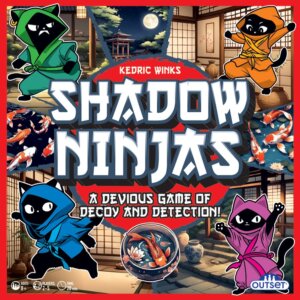
2024
Bluff, misdirect, and move hidden Ninjas through danger.
20
minutes
Medium
View game

2026
Observe, report, and survive the South Pacific intelligence struggle.
120
minutes
Medium Heavy
View game
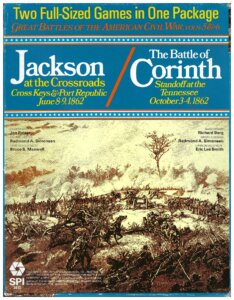
1981
Relive two days of fierce Civil War combat around a vital railroad junction.
240
minutes
Medium Heavy
View game
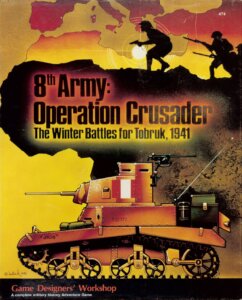
1984
A double-blind wargame of the winter battles for Tobruk
240
minutes
Medium
View game

2022
Use cutting-edge tools to chart Atlantis before your opponents do.
100
minutes
Medium
View game

1973
Tactical man-to-man combat set in a modern city
180
minutes
Medium Heavy
View game

2009
Expand the outbreak with new roles, events, and three demanding challenges.
45
minutes
Medium
View expansion

2020
Expand your hunt with new deductions, rivals, and hidden rendezvous
40
minutes
Medium
View expansion

2022
Take on two new maps and four distinctive Allied Snipers.
70
minutes
Medium
View expansion

2022
Hidden Ninja tactics bring a fresh layer of mystery to elegant martial play.
20
minutes
Medium Heavy
View expansion

2023
Raise the stakes with new heroes, implants, a zeppelin, and Aeterna.
90
minutes
Medium Heavy
View expansion
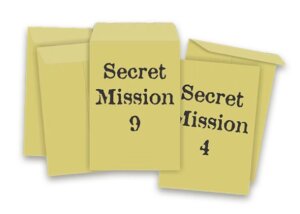
2021
Unlock nine professionally printed secret cards for your game
View expansion
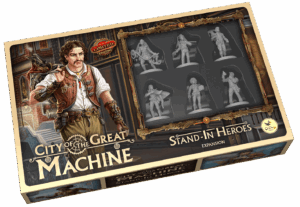
2023
Six exceptional Heroes return for one final attempt to stop the Great Machine.
90
minutes
Medium Heavy
View expansion

2025
New shadows, hidden symbols, and fresh ways to pursue the Dark Lady
40
minutes
Medium
View expansion

2023
A swift, deadly Ninja add-on with smoke, secret weapons, and solo play.
20
minutes
Medium Heavy
View expansion
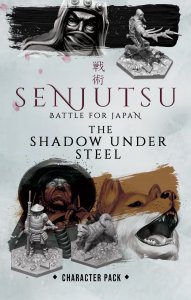
2023
Coordinate an Ashigaru and Akita, or strike fast as a deadly Assassin.
20
minutes
View expansion
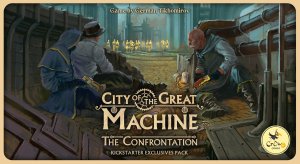
2023
A Kickstarter-exclusive pack adding modules, events, and a secret enhancement
90
minutes
Heavy
View expansion
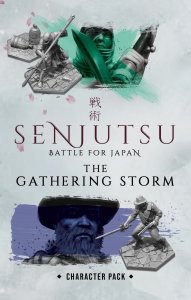
2023
Two new warriors, signature abilities, and solo decks for battles in Japan.
20
minutes
View expansion
Hidden movement is a game mechanic where one or more players navigate secretly across a board or grid without revealing their exact location to opponents. Opponents must analyze clues, track noise tokens, and deduce movement patterns to locate and corner the unseen player. This dynamic establishes an asymmetric cat-and-mouse puzzle where one side relies on stealth and the other on deduction.
Lightweight designs with simple movement rules and short playtimes provide the best starting point for families and newer players. For families playing with children as young as age 8, Pyramid of Pengqueen offers an accessible, tactile chase that plays in 30 to 45 minutes. For older kids and casual groups, Scotland Yard serves as an approachable introduction to grid-based evasion and group deduction.
Yes, hidden movement works exceptionally well at two players and is often considered the ideal way to play the mechanic. A direct head-to-head matchup eliminates table downtime and removes the need for hunters to conduct open strategic debates in front of the fugitive. Quick card-driven titles like Fugitive and Revolver Noir deliver focused, tense spatial duels in 15 to 20 minutes.
Pure hidden movement is difficult to play solo using only physical components because you cannot easily conceal your own steps from yourself. However, some games overcome this hurdle by using companion apps to handle the fugitive’s movements and generate clues secretly, such as Stop Thief!. Other hybrid designs implement automated rule cards or flowcharts to let solo players hunt an AI opponent.
Hidden movement hides a player’s physical coordinates on a map, whereas social deduction hides a player’s true identity, team loyalty, or motives. In social deduction, you analyze table talk and voting behavior to uncover who someone is, while in hidden movement, you already know your opponent’s role and must deduce where their miniature is located.
Experienced players generally prefer games that combine secret traversal with broad strategic goals, card drafting, or deep territory control. In Star Wars: Rebellion, hidden movement expands into a sprawling galactic war where finding a secret rebel base is just one part of a larger multi-hour operational conflict. Similarly, Beast blends directional tracking with aggressive asymmetric combat and asymmetric character abilities.
The most common and disruptive issue is the hidden player accidentally recording an illegal move or misinterpreting a node coordinate on their secret sheet. Because the tracking happens privately behind a screen, an erroneous step cannot be caught by other players and will completely break the hunters’ logic trail later in the game. Fugitives should always pause to double-check map connections and node numbers before committing their move to paper.
Game length varies dramatically depending on complexity, ranging from 15-minute microgames to 4-hour thematic epics. Pocket-sized deduction titles like Mr. Jack Pocket resolve in about 15 minutes, while standard family-weight games average 30 to 60 minutes. Heavier asymmetric hunts and wargames feature far more administrative upkeep and typically require two to four hours.
Hunter teams can limit excessive delays and domineering players by giving each participant final authority over their own character’s movement. When a group attempts to optimize every step collectively, discussions can drag on and leave the hidden player waiting in silence. Setting an informal discussion timer or letting individual hunters follow their own tactical hunches keeps the game moving at a brisk pace.
The strongest tactic for a hidden player is deliberate misdirection rather than simply running in a straight line away from danger. Novice runners often head directly toward their final objective, making their general path easy for observant hunters to project. Throwing off searchers requires mixing slow, silent steps with sudden bursts of speed, doubling back through previously cleared zones, and triggering false alarms.
Yes, several titles expand beyond the standard “one fugitive against a team” setup by forcing every participant to travel blindly. In Escape from the Aliens in Outer Space, each player records their personal movement on a private grid sheet, creating mutual paranoia where nobody knows anyone else’s location. This turns the entire table into both predator and prey simultaneously.
