BANG! Dynamite Box
2021
An explosive Wild West collection packed with eight legendary expansions
40
minutes
Medium

View game

Rules made simple, fun made easy!
Hidden Roles is a game mechanic where players receive secret identities or allegiances that define their individual win conditions and abilities. Because players do not know who shares their goals, every action involves deduction, bluffing, and uncertainty.
188 results
At its core, this mechanism assigns each participant a private identity at the start of the match. While the board state might appear shared, players pursue divergent and often conflicting goals, such as undermining the group, protecting a specific teammate, or eliminating a rival faction without revealing themselves.
At the table, this dynamic turns routine actions into psychological puzzles. Every card played, vote cast, or suggestion offered is scrutinized for hidden motives, transforming cooperative efforts into tense exercises in trust, deception, and deduction.
Players can disrupt others’ actions unexpectedly.
112 gamesPlayers can perform a powerful action only once.
177 gamesPlayers risk their progress by extending actions for higher rewards.
1,179 gamesPlayers take on fictional personas and make decisions accordingly.
984 gamesDifferent players have access to different information.
5,846 gamesPlayers directly hinder their opponents’ progress.
1,481 gamesA hidden traitor secretly works against the team.
134 gamesThis mechanism thrives with interactive groups that enjoy lively debate, psychological maneuvering, and bluffing. In terms of weight, titles in this category lean primarily toward light to medium complexity, making them approachable party and casual favorites, though deeper medium-heavy designs exist for hobbyists who want layered strategic systems alongside their social deduction.
2021
An explosive Wild West collection packed with eight legendary expansions
40
minutes
Medium
View game

2018
Unmask Romeo and Juliet before their secret is revealed.
30
minutes
Medium Light

View game
2026
Answer like a human, expose the aliens, and escape Earth alive.
15
minutes
Light

View game
2023
Choose your side, uncover the plot, and stop a deadly resort murder.
45
minutes
Medium
View game

1975
A Korean point-trick classic of bidding, hidden partners, and scoring cards
60
minutes
Medium
View game

2012
Choose two heroes, forge faction alliances, and outlast every opponent.
30
minutes
Medium
View game
2021
Unmask hidden foes, protect your nobles, and seize power on Dune.
40
minutes
Medium
View game

2022
Unmask hidden vegetables through clues, teamwork, and carefully timed votes.
30
minutes
Light
View game
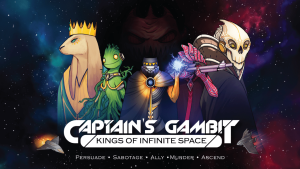
2020
Bluff, bargain, and pursue a secret objective as an alien captain.
90
minutes
Medium
View game
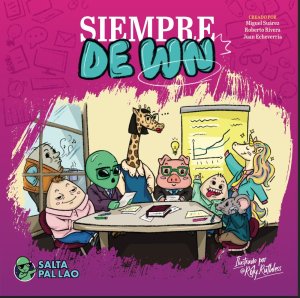
2024
Complete office tasks, uncover hidden WNs, and survive the vote.
30
minutes
Medium Light
View game
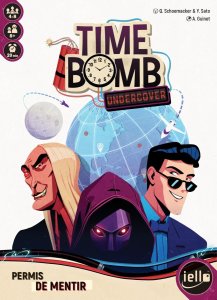
2024
Guess who to trust before the final wire is snipped.
30
minutes
Light
View game
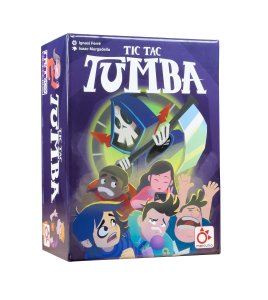
2025
Survive the haunted mansion party and be among the final two.
15
minutes
Medium Light
View game
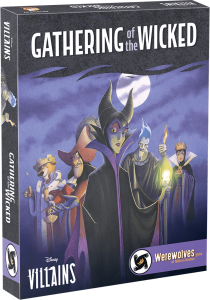
2021
Bluff, debate, and unmask traitors in a realm where every villain has secrets.
30
minutes
Medium Light
View game
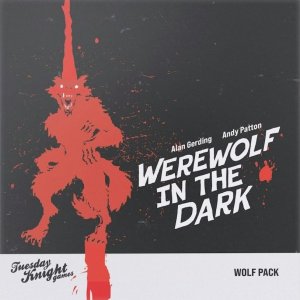
2025
A pitch-black Werewolf hunt where hiding is never truly safe
40
minutes
Medium
View game

2019
Hide your identity, gather food, and outwit the predator.
20
minutes
Medium Light
View game
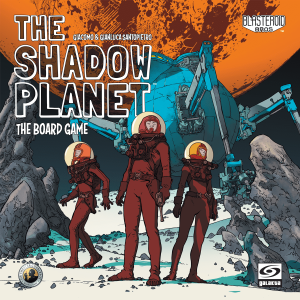
2022
Unmask alien horror, manipulate decks, and survive a desperate mission.
90
minutes
Medium Heavy

View game

2021
Unmask the bomber before the city falls into chaos.
45
minutes
Medium
View game
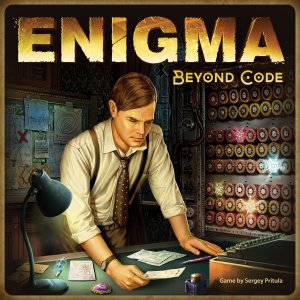
2020
Unmask hidden motives and break the code before chaos overwhelms the mansion.
60
minutes
Medium Light
View game
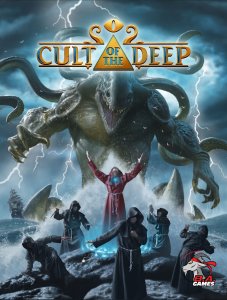
2022
Hidden loyalties, dangerous rituals, and a cult on the brink of ruin
75
minutes
Medium
View game

2026
Unmask enemy agents and survive a web of Cold War deception.
80
minutes
Medium
View game

2022
Build your hero team, expose hidden agendas, and bring villains to justice.
120
minutes
Medium
View game

2017
Loot the tomb, negotiate the treasure, and escape with the best share.
10
minutes
Medium Light
View game

2023
A picture-based bluffing game where one player must blend in.
20
minutes
Light
View game
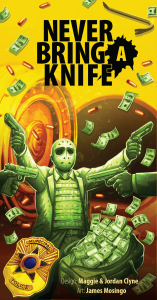
2020
Shoot, bluff, and deduce before the wrong player takes three wounds.
30
minutes
Medium Light
View game
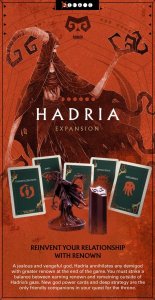
2025
Move a feared being, disrupt the score, and make every point a risky choice.
90
minutes
View expansion
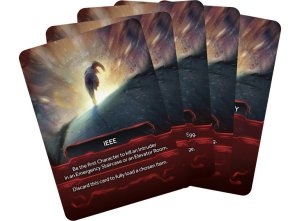
2021
Five new Achievements to shape your Nemesis: Lockdown adventures
180
minutes
Medium Heavy
View expansion
2024
Add risky new Noise and Combat rolls to your Nemesis games.
180
minutes
View expansion

2024
Roll for story, noise, and combat with two themed Space Cat dice.
180
minutes
View expansion
2023
A limited-edition character supplement packed with experimental possibilities
120
minutes
View expansion
2025
Command influential servants and reshape your regional quest strategy.
90
minutes
View expansion
The hidden roles mechanic gives each player a secret identity, faction, or goal that remains concealed from the rest of the table. Because players do not know who shares their objectives, the gameplay revolves around deduction, bluffing, and interpreting actions rather than operating with open information. Victory usually depends on figuring out who your allies and enemies are before they achieve their win conditions.
Hidden roles are a specific mechanism, whereas social deduction is a broader genre that frequently relies on them. Social deduction games focus almost purely on talking, accusing, and reading human behavior to root out deceivers. In contrast, hidden roles can also feature in heavy strategic eurogames or board-driven titles where players manage resources and board positions alongside their secret objectives.
Most social deduction titles with hidden roles require at least five players, but certain strategic games scale down successfully. For instance, Clans accommodates 2 to 4 players and is rated best with 2, giving each player a secret color to score on a shared board. Solo play is rarely compatible with bluffing, though games like Nemesis offer a solo survival mode that bypasses the secret betrayal objectives found in multiplayer matches.
Beginners should start with fast-playing, rule-light titles where a single mistake will not derail a long game. One Night Ultimate Werewolf runs in about 10 minutes and uses an app to manage night actions, letting newcomers practice bluffing in short, low-stakes rounds. Another great accessible choice is Coup, which plays in 15 minutes and focuses on bluffing about character cards directly in front of you.
Yes, provided you choose games with accessible themes and minimal rule complexity. Light games such as Saboteur and BANG! The Dice Game have a minimum age of 8 and give younger players concrete physical actions—like rolling dice or placing path cards—so they do not rely entirely on verbal deception. Games requiring high-stakes political lying or darker themes should generally be saved for older teens.
Most traditional hidden role games shine at larger counts of 6 to 8 players, where an uninformed majority must deduce a coordinated minority. For example, The Resistance: Avalon and The Resistance play up to 10 players and are considered best at 7, while Secret Hitler is voted best with 8. These counts provide enough voting data to generate real deduction without turning table discussions into chaotic cross-talk.
Playtime varies widely depending on whether the game is a light party title or a heavy thematic board game. Micro-games and party classics like Deception: Murder in Hong Kong usually resolve in 20 to 30 minutes. Meanwhile, deeply thematic, heavier designs like Battlestar Galactica: The Board Game or Nemesis: Lockdown integrate full tactical systems and can easily last 90 to 180 minutes.
Experienced hobbyists who want layered mechanics beyond simple party deduction should explore medium-heavy titles with deep board play. Battlestar Galactica: The Board Game combines fleet management, crisis handling, and high-tension paranoia where players may discover they are hidden Cylons halfway through. For social deduction enthusiasts seeking advanced complexity, Blood on the Clocktower provides intricate character interactions and continuous engagement even after elimination.
The best strategy for a saboteur or traitor is to build credibility early by making genuine contributions to the group’s success. If you actively oppose the team on every turn, you will quickly become the primary suspect and lose your influence over crucial votes. Instead, blend in with the majority and wait to strike during pivotal moments where your single act of sabotage guarantees victory or inflicts irreversible damage.
A common pitfall is taking in-game deception personally, which can create genuine social friction between friends if table expectations are not set in advance. Another major issue is rule fragility, where an accidental question about an identity power or an unintentional physical tell can inadvertently reveal someone’s allegiance. Finally, passive play can stall the game; players on the uninformed good team must speak up and test each other, as withholding opinions only aids the hidden traitors.
